Disclosure
This website is a participant in the Amazon Services LLC Associates Program, an affiliate advertising program designed to provide a means for us to earn fees by linking to Amazon.com and affiliated sites.
Figure skates typically last between 2 to 5 years for recreational skaters. The exact lifespan depends heavily on your skating frequency, skill level, and maintenance habits. This is the direct answer to “how long do figure skates last.”
Knowing when to replace them is crucial for performance and safety. Worn-out skates can hinder your progress and increase injury risk. This guide provides the proven methods to assess your skates’ condition.
Diagnosing Your Worn-Out Figure Skates
Recognizing the signs of skate failure is the first step. The main problem is often a combination of boot breakdown and blade wear. This duo destroys support, control, and safety on the ice.
Common symptoms include persistent ankle pain, an inability to hold edges, and visible boot creasing. You might feel like you’re fighting your skates instead of gliding with them. These issues signal it’s time for a serious assessment.
A Quick Fix for Dull Blades
Sometimes, the issue is simply dull blades, not a dead skate. Regular sharpening is essential maintenance. A quality skate sharpener can extend your blade’s life between professional services.
For at-home maintenance between professional sharpenings, a honing stone is a great tool. It helps remove minor burrs and maintain a smoother edge. This can improve glide and temporarily restore control.
Recommended Product: The Premium Skate Honing Stone
- Dual-grit stone for fine and coarse edge work.
- Includes a protective storage pouch.
- Helps maintain blade sharpness and remove nicks.
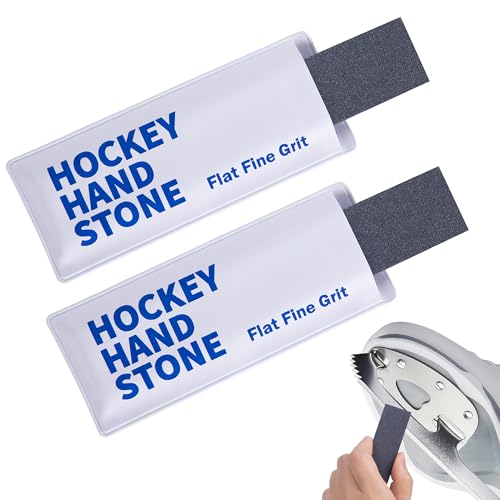
- Outstanding Performance:Ice skate sharpening stone is specifically designed…
- Product Dimensions:The 3.9 inch by 0.8 inch hand sharpening stone enables…
- Premium Materials:Crafted from high-quality oilstone material, this…
Check current price on Amazon →
When Maintenance Isn’t Enough
If the boot itself is broken down, no amount of sharpening will help. Key failure points include collapsed ankle support, cracked soles, or permanent foot discomfort. These are structural problems requiring replacement.
This is when investing in new skates becomes necessary. For guidance, explore our detailed guide to the best figure skates with durable stainless steel blades. It highlights models built for longevity.
Consider reliable brands known for durability. Read our in-depth Jackson Ultima Classic series review or our analysis of the Riedell Soar skates for proven options.
Key Factors That Determine Your Skate’s Lifespan
Your figure skates’ longevity isn’t set by a simple calendar. It’s determined by how you use and care for them. Understanding these factors helps you predict when replacement is near.
Think of it as a combination of wear, tear, and maintenance. Some elements are within your control, while others depend on your skating journey. Let’s break down the primary influences.
Key Takeaway: A recreational skater’s boots may last 5+ years, while a competitive skater’s might last only one season. Frequency and intensity of use are the biggest factors.
Skating Frequency and Skill Level
How often and how hard you skate is the number one factor. A weekly recreational skater will see far less wear than a competitive athlete training daily. Intensity directly accelerates breakdown.
As you advance, you place greater stress on the boots and blades. Jumps, spins, and deep edges demand more from the materials. This naturally shortens the functional lifespan of your equipment.
- Recreational (1-2x/week): Boots can last 4-7 years with proper care.
- Intermediate/Advanced (3-5x/week): Expect 2-3 years before support weakens.
- Competitive (Daily training): Boots may need replacement every 6-18 months.
Boot Construction and Material Quality
The materials your skates are made from dictate their inherent durability. Higher-quality components resist breakdown longer but come at a higher initial cost. This is a key investment consideration.
Leather boots offer better longevity and moldability than synthetic materials. The stiffness rating is also crucial for providing adequate support for your weight and skill level. A boot that’s too soft will break down prematurely.
| Material Type | Typical Lifespan | Best For |
|---|---|---|
| Reinforced Synthetic | 1-3 Years | Beginner/Recreational Skaters |
| Good Quality Leather | 3-5 Years | Intermediate/Advanced Skaters |
| High-Performance Thermo-Moldable | 1-2 Seasons | Competitive & Elite Skaters |
Maintenance and Care Habits
Proactive care is the single best way to extend your skates’ life. Simple habits protect your investment from unnecessary damage. Neglect is a sure way to shorten their usable years.
Always dry your blades and boots thoroughly after each session. This prevents rust on the blades and material rot in the boots. Store them in a breathable skate bag, never a sealed plastic bag.
- Blade Care: Wipe dry, use soft guards for walking, and sharpen regularly.
- Boot Care: Keep dry, use boot trees to maintain shape, and condition leather.
- Storage: Store at room temperature away from direct heat or moisture.
Warning Signs Your Figure Skates Need Replacing
Knowing when to replace your skates is crucial for performance and safety. Waiting too long can lead to poor technique or even injury. Watch for these clear physical and performance-based signals.
Some signs are obvious visual cues, while others are feelings you experience on the ice. Trust your body’s feedback—it’s often the first indicator of a problem. Let’s examine the key red flags.
Critical Warning: If your boot has a deep, permanent crease across the ankle (a “broken-down” boot), it has lost structural support. Replacement is almost always necessary at this point.
Physical Signs of Boot Breakdown
Visually inspect your skates regularly for structural failure. The boot is the foundation of your control and safety. Look for these specific deterioration markers.
- Deep, Permanent Ankle Creases: The boot should stand upright on its own. If it collapses inward, support is gone.
- Cracked or Separated Sole: Check where the heel meets the boot. Any gap or movement here is a major failure.
- Worn-Out Lining & Padding: Excessive internal wear creates pressure points and poor fit, leading to blisters.
Performance Issues on the Ice
How your skates feel during movement is a critical diagnostic tool. A decline in control or comfort indicates material failure. These are the functional symptoms of worn-out skates.
You may feel like you’re “fighting” your skates to hold an edge. Landing jumps might become painful or unstable. These sensations mean the equipment is no longer doing its job.
- Loss of Edge Control: Your skates feel slippery, and you struggle to push off powerfully.
- Increased Ankle Pain or Fatigue: The boot isn’t supporting you, forcing your muscles to overwork.
- Feeling Every Bump: The boot’s shock absorption is gone, making landings harsh and unforgiving.
Blade Wear Beyond Sharpening
Blades have a finite lifespan, even with perfect care. Sharpening removes a small amount of steel each time. Eventually, the blade profile becomes too shallow to function correctly.
Measure the depth of the hollow (the groove between the edges). A very shallow hollow provides poor grip and control. Consult a professional skate technician if you suspect blade wear is the core issue.
| Blade Condition | Sign | Solution |
|---|---|---|
| Moderate Wear | Shallower hollow, less grip | Professional sharpening |
| Severe Wear | Visible flat spots, rocker profile lost | Blade replacement or new skates |
How to Extend the Life of Your Figure Skates
Proper care can add years to your skates’ functional lifespan. It protects your investment and ensures consistent performance. These proactive habits are simple but highly effective.
Think of maintenance as part of your regular skating routine. A few minutes after each session makes a dramatic long-term difference. Follow this essential care protocol.
Pro Tip: Always carry two types of blade guards: hard soakers for absorbing moisture after skating, and hard guards for walking. Never walk in your soakers.
Essential Post-Skating Care Routine
What you do immediately after leaving the ice is most important. This prevents rust and material degradation. Follow these steps every single time.
- Dry Blades Thoroughly: Use a soft, absorbent towel to wipe every part of the blade, including the stanchions and screws.
- Apply Soft Blade Guards (Soakers): Place terrycloth soakers over the blades to absorb residual moisture and protect edges.
- Air Out Boots: Remove the liners if possible and let boots dry at room temperature, away from direct heat sources.
Smart Storage and Seasonal Care
How you store skates between uses significantly impacts longevity. Poor storage can cause rust, mold, and material warping. Implement these storage solutions.
Use a breathable skate bag, never a sealed plastic bag or a damp gym bag. Consider using cedar shoe trees to absorb moisture and maintain the boot’s shape. Store skates in a cool, dry place inside your home.
- Off-Season Storage: Apply a light leather conditioner to boots. Lightly oil blade runners to prevent rust before long-term storage.
- Regular Inspection: Monthly, check for loose screws, sharpening burrs, and early signs of boot wear.
- Professional Sharpening: Get blades sharpened based on ice time, not a set schedule. A good rule is every 20-40 hours of skating.
Protecting Your Investment During Use
Your behavior on and off the ice directly affects wear. Simple changes in habit can prevent premature damage. Be mindful of these key points.
| Do’s | Don’ts |
|---|---|
| Walk on rubber mats or carpet when off-ice. | Never walk on concrete, asphalt, or gravel in blades. |
| Use hard plastic guards ONLY for brief walking. | Don’t store skates with hard guards on (traps moisture). |
| Tighten laces evenly and avoid excessive force. | Avoid yanking laces over sharp hooks, which can cut them. |
Making the Decision: Repair, Replace, or Upgrade?
Facing worn skates presents a critical choice. You must decide between repairing, replacing, or upgrading your equipment. This decision impacts your budget, safety, and skating progress.
Evaluate your current skill level, future goals, and the skate’s condition. A simple cost-benefit analysis will guide you toward the right path. Consider these scenarios carefully.
Decision Framework: If repair costs exceed 50% of the price of equivalent new skates, replacement is usually the smarter long-term investment.
When Professional Repair Makes Sense
Some issues are cost-effective to fix, extending your skate’s life significantly. Repairs are best for localized damage on otherwise sound equipment. A qualified skate technician can assess this.
- Replacing Toe Picks or Screws: Worn picks and lost screws are simple, inexpensive fixes.
- Re-stitching or Patching: Minor leather tears or separated seams can often be repaired.
- Re-Soling the Boot: If the upper boot is in great shape, a new sole can be attached.
However, if the boot’s internal structure or ankle support is compromised, repair is not viable. The foundational support cannot be restored.
Signs It’s Definitely Time for New Skates
Certain conditions mean replacement is your only safe and effective option. Continuing to skate on failed equipment risks injury and reinforces bad technique. Recognize these definitive signs.
- The boot is “broken down” and collapses inward when unlaced.
- You have outgrown the skate’s stiffness rating for your current skill level and weight.
- Blades are worn beyond their usable profile, and replacement blades cost nearly as much as new skates.
Upgrading vs. Direct Replacement
If you’re advancing in skill, a simple replacement may not be enough. You might need to upgrade to a boot with higher stiffness and better blades. This supports more advanced jumps and footwork.
For a direct replacement, consider models known for durability. Our review of 5th Element Grace skates highlights a balanced option. For youth skaters, our guide to the best adjustable youth ice skates addresses growing feet.
| Situation | Recommended Action |
|---|---|
| Boot is sound, blades are worn. | Replace blades only. |
| Skill level has increased significantly. | Upgrade to higher-level skates. |
| Multiple points of failure (boot + blades). | Complete new skate purchase. |
Choosing Your Next Pair: A Buyer’s Checklist
Selecting new figure skates is a significant investment in your skating future. The right pair enhances performance and lasts longer. Use this checklist to make an informed, confident purchase.
Focus on fit, support, and construction quality over brand name alone. Your new skates should match your current ability and near-term goals. Avoid buying skates you need to “grow into” skill-wise.
Golden Rule of Fit: Your heel must be locked in place with zero lift or slippage. Toes should gently brush the front of the boot when standing straight, but not be painfully crunched.
Critical Fit and Sizing Considerations
Figure skate sizing is not the same as street shoe sizing. Professional fitting is highly recommended, especially for your first quality pair. An improper fit is the fastest way to ruin your experience.
- Get Professionally Measured: Both length and width are crucial. Brands like Riedell and Jackson have different width profiles.
- Understand “Punching Out”: A technician can gently stretch specific tight spots (like bunions) for a custom fit.
- Consider Thermo-Moldable Options: Many modern boots can be heat-molded to your foot’s exact contours for superior comfort.
Matching Boot Stiffness to Your Level
Boot stiffness, often rated by a number (e.g., 45, 70, 95), must support your weight and jumps. Too stiff, and you can’t bend your knee properly. Too soft, and the boot breaks down quickly.
Consult the manufacturer’s stiffness chart, which correlates rating with skater weight and skill. A good fitter will ask about your elements (single jumps, axels, doubles) to recommend the correct support level.
| Skater Profile | Recommended Stiffness | Example Boot |
|---|---|---|
| Beginner Adult (Basic edges) | Low to Moderate (30-50) | Lake Placid Cascade |
| Intermediate (Single Jumps) | Moderate to Stiff (50-70) | Jackson Ultima Softskate 380 |
| Advanced (Axel & Doubles) | Very Stiff (75-95+) | High-performance models from Jackson, Riedell, Edea |
Blade Selection and Compatibility
Blades are a separate but equally important decision. Beginner skates often come with a matched blade, but advanced skaters choose blades independently. The blade’s rocker profile and toe pick affect maneuverability.
Ensure the blade is compatible with your boot’s sole and heel. A professional will mount and align the blade correctly, which is critical for proper balance and edge alignment. Don’t attempt this yourself.
FAQs: Expert Answers to Common Skate Lifespan Questions
Skaters often have specific questions about their equipment’s longevity. These answers provide quick, authoritative guidance based on common concerns. They help clarify the decision-making process.
This section addresses the most frequent queries we receive from skaters of all levels. Use this information to troubleshoot your own situation with confidence.
Quick Reference: For a deep dive into specific skate models, explore our detailed reviews, like the Rollerblade Bladerunner Ice Diva review or the Mammygol Lace-Up review for more insights.
How Often Should I Sharpen My Blades?
Sharpening frequency depends on ice time, not the calendar. A general rule is every 20-40 hours of actual skating. Listen to your skates—if you’re slipping on edges you used to hold, it’s time.
Over-sharpening shortens blade life unnecessarily. Under-sharpening compromises control and safety. Track your skating hours in a log for the most accurate schedule.
- Recreational Skater: Every 2-3 months.
- Weekly Skater (2-3 hrs): Every 4-6 weeks.
- Competitive Skater: Every 1-3 weeks, depending on training volume.
Can I Just Replace the Blades and Keep the Boots?
Yes, this is a common and cost-effective option if the boots are still structurally sound. Look for deep, permanent ankle creases or a softening sidewall. If those aren’t present, blade replacement can extend your skate’s life significantly.
Ensure a professional technician mounts the new blades. Proper alignment is critical for performance and preventing injury. The cost of high-quality blades alone can be several hundred dollars.
Do Figure Skates Expire If Not Used?
Figure skates do not have a strict expiration date, but they can degrade with age, especially if stored poorly. Leather can dry out and become brittle. Blades can develop surface rust even without use.
Proper off-season storage is key. Condition leather boots annually and store them in a climate-controlled environment. Inspect old skates thoroughly for dry rot or corrosion before using them again after a long break.
Proactive Maintenance Schedule for Maximum Lifespan
A consistent maintenance routine is the best way to get the most years from your skates. Don’t wait for problems to appear—prevent them. This schedule organizes care by frequency.
Stick to this plan to keep your skates in peak condition. It minimizes unexpected breakdowns and costly emergency repairs. Think of it as essential healthcare for your equipment.
Essential Toolkit: Keep a small kit with a soft towel, terrycloth soakers, a screwdriver, and a honing stone. This lets you handle most basic maintenance on the go.
After Every Skating Session (Non-Negotiable)
This 5-minute routine prevents the most common damage: rust and moisture rot. It’s the single most impactful habit you can adopt.
- Wipe Blades Dry: Thoroughly dry every metal surface with an absorbent towel.
- Apply Soakers: Place soft terrycloth blade guards to absorb residual moisture.
- Air Out Boots: Remove liners if possible and let boots dry at room temperature away from heaters.
Weekly and Monthly Check-Ups
These brief inspections catch small issues before they become big problems. Schedule them like you would any other important appointment.
- Weekly: Check for loose screws on blades and plates. Tighten gently with the correct screwdriver.
- Monthly: Inspect boots for new creases, stitching tears, or unusual wear patterns. Condition leather if it looks dry.
- Monthly: Run a finger along the blade edges (carefully) to feel for nicks or burrs. Use a honing stone if needed.
Seasonal and Annual Maintenance
This deeper care prepares your skates for storage or heavy use. It addresses wear that accumulates over time.
| Timeframe | Task | Purpose |
|---|---|---|
| Every 20-40 Ice Hours | Professional Sharpening | Restores optimal blade edges for control and safety. |
| At Season’s End (Storage) | Condition Leather, Lightly Oil Blades | Prevents drying, cracking, and rust during off-months. |
| Annual Check-Up | Professional Tech Inspection | Expert assessment of boot structure, blade alignment, and mounting. |
Following this structured plan ensures you address all aspects of skate care. It transforms reactive fixing into proactive preservation, saving you money and frustration in the long run.
Best Figure Skates for Longevity and Performance
Investing in quality skates from the start extends their usable life. These three models are renowned for their durable construction and excellent support. They represent top choices for different skill levels and budgets.
Jackson Ultima Classic 200/500 Series – Best for Beginners & Intermediates
The Jackson Ultima Classic series offers exceptional value and durability for developing skaters. Its reinforced vinyl upper resists moisture and wear, while the supportive ankle provides a secure feel. The matched Ultima Mark I blade is a great starter blade that holds an edge well.

- REFER TO SIZING CHART IN IMAGES.
- Reinforced vinyl coated uppers gives strength, support and durability…
- Padded felt tongues for comfort and support
Riedell Soar 133 – Best for Advanced Recreational Skaters
The Riedell Soar 133 features a durable, high-quality leather boot known for longevity and excellent shape retention. Its moderate stiffness (rated 55) provides solid support for adult skaters working on single jumps. The boot is designed to be heat-moldable for a precise, comfortable fit.
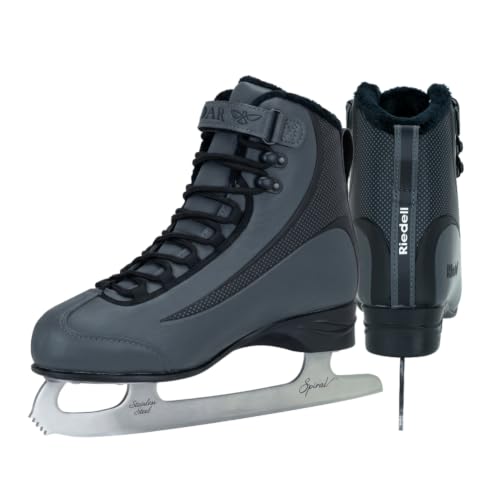
- ENDLESSLY COMFORTABLE: These modern ice skates for women and men have a…
- GREAT SUPPORT: This ice skate set offers light support to keep you stable…
- KEEP YOU SAFE & DRY: These beginner ice skates have safety in mind by…
Edea Overture – Best for Serious Jumpers & Competitors
Edea’s Overture boot uses innovative lightweight, high-resistance materials that withstand intense training. Its unique forward-flex design promotes proper knee bend without breaking down the ankle. This boot is the ideal step-up for skaters consistently landing axels and double jumps.
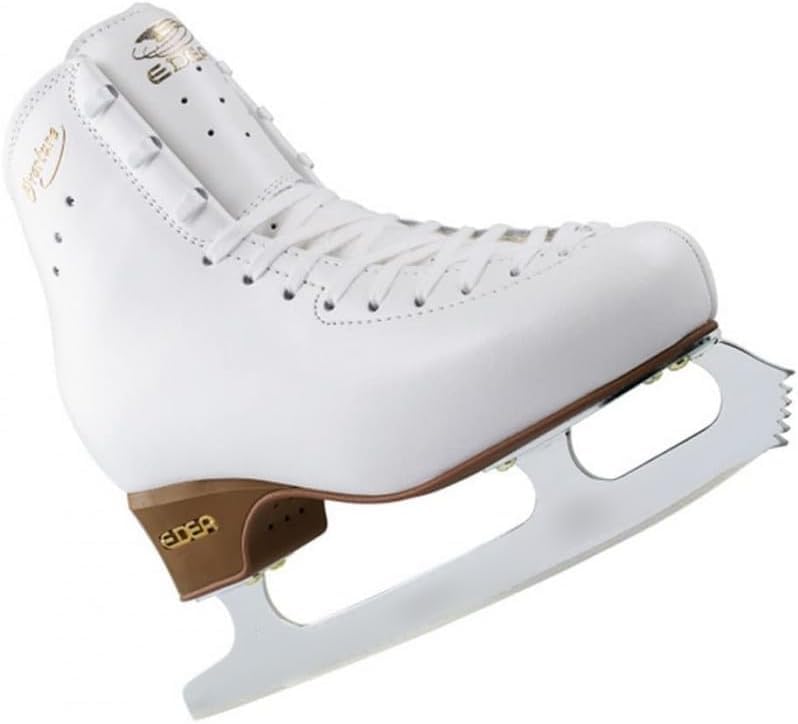
- L’Estel Skates – Edea – Edea Overture Boots+Grade 2 Blades – Ice Skating
Conclusion: Maximizing Your Figure Skates’ Lifespan
Understanding how long figure skates last empowers you to skate smarter. You can now spot warning signs and implement proactive care. This protects both your performance and your investment.
The key takeaway is that regular maintenance and proper fit are non-negotiable. They are the foundation of skate longevity. Combine this with timely replacement decisions for optimal safety.
Use the checklists and schedules in this guide to assess your current skates. Then, confidently choose your next pair for years of great skating.
With the right knowledge, you can glide confidently, knowing your equipment supports your every move.
Frequently Asked Questions about Figure Skate Lifespan
What is the average lifespan of beginner figure skates?
Beginner figure skates typically last 2 to 5 years with recreational use. Their lifespan depends heavily on skating frequency and care. Synthetic materials in beginner boots are less durable than leather but are cost-effective for new skaters.
With weekly skating and proper maintenance, you can maximize this range. Always dry blades and boots after each session. Avoid walking on hard surfaces to prevent premature blade and sole damage.
How can I tell if my skate blades are worn out?
Worn-out blades lose their deep hollow and sharp edges, causing slippage. Visually, the groove between the two edges becomes shallow or flat. You may also see visible flat spots along the blade’s rocker.
If sharpening no longer restores a secure edge, the blade profile is likely gone. A professional skate technician can measure the remaining steel. They will advise if sharpening is still viable or if replacement is necessary.
Is it worth repairing old figure skates?
Repair is worth it for minor, isolated issues like loose screws, worn toe picks, or torn stitching. If the boot’s internal structure and ankle support are still solid, fixing these problems is cost-effective.
However, if the boot is broken down and collapses, repair cannot restore its structural integrity. When repair costs approach 50% of a new pair’s price, replacement is usually the smarter long-term investment.
What is the best way to store figure skates in the off-season?
The best way is to clean, dry, and condition them before storage. Wipe blades with a light oil to prevent rust and apply leather conditioner to boots. This prevents materials from drying out and cracking.
Store them in a breathable bag or box in a cool, dry place indoors—never in a hot attic or damp garage. Use boot trees to help maintain their shape during long periods of non-use.
How does skating frequency affect how long skates last?
Skating frequency is the primary factor in wear and tear. A recreational skater skating once a week may get 5+ years from boots. A competitive skater training daily may need new boots every 6-18 months.
More ice time means more stress on materials from jumps, edges, and foot pressure. Intensity matters as much as frequency. Advanced elements accelerate the breakdown of boot support and blade steel.
Can I make my figure skates last longer than 5 years?
Yes, with meticulous care and primarily recreational use, you can extend their life. The key is a strict maintenance routine: immediate drying, proper storage, regular professional sharpening, and avoiding off-ice damage.
Using boot trees, conditioning leather, and walking only on protective mats also helps. However, even with perfect care, the materials will eventually fatigue and lose support, signaling the need for replacement.
What happens if I keep using broken-down skates?
Using broken-down skates compromises safety, performance, and technique. You risk ankle injuries from lack of support and falls from poor edge control. It also reinforces bad skating habits as your body compensates for the equipment’s failure.
Persistent pain, blisters from a shifting fit, and an inability to progress are common results. Investing in properly supportive skates is an investment in your safety and skating future.
Should I buy used figure skates to save money?
Buying used skates can be risky but is sometimes viable for pure beginners. Carefully inspect for broken-down boots, deep permanent creases, and significant blade wear. Ensure the boot’s stiffness still matches your weight and skill level.
The fit must be precise; molded used boots have taken the shape of another person’s foot. For serious skaters, new skates that are properly fitted and broken in by you are always the recommended choice.