Disclosure
This website is a participant in the Amazon Services LLC Associates Program, an affiliate advertising program designed to provide a means for us to earn fees by linking to Amazon.com and affiliated sites.
Figure skate boot stiffness ratings are a numerical scale that indicates a boot’s support level. Higher numbers mean stiffer, more supportive boots. This rating is crucial for performance and safety.
Choosing the wrong stiffness can hinder jumps or cause injury. The correct rating supports your skill level and body weight. It is the foundation for all on-ice elements.
The Problem: Mismatched Stiffness Hampers Your Skating Journey
Choosing the wrong stiffness rating is a common and costly mistake. A boot that’s too soft won’t support your ankles during jumps and spins. This leads to instability and increases injury risk.
Conversely, a boot that’s too stiff for your skill level can be painful. It prevents proper knee bend and ankle flexion. This robs you of essential power and control on the ice.
Many skaters struggle because they don’t understand their own needs. Your weight, skill level, and jumping ambitions all dictate the ideal rating. Guessing incorrectly wastes money and stalls progress.
Quick Fix: Start with a Proven Beginner-Friendly Boot
For new skaters or those focusing on basic skills, a softer, supportive boot is key. It allows for easier break-in and proper technique development. The Jackson Ultima Classic SoftSkate is an excellent entry point.
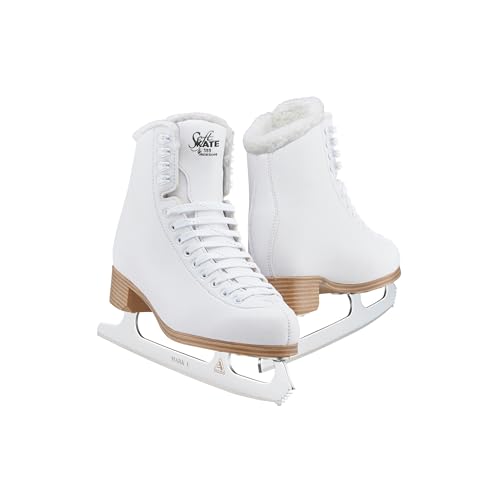
Jackson Ultima Classic SoftSkate 380
This boot features a soft, comfortable synthetic upper ideal for beginners. Its moderate support is perfect for mastering edges and basic footwork without being overly restrictive.
- Soft, heat-moldable synthetic upper for comfort
- Reinforced ankle for balanced support
- Pre-attached Mark IV blade for out-of-box readiness
- Introducing our NEW SoftSkate 380 line. Affordable quality. The SoftSkate…
- PRODUCT FEATURES: 1) Reinforced vinyl upper with strength and durability…
Check current price on Amazon →
You can read our detailed analysis in this Jackson Ultima Classic SoftSkate 380 review for a deeper dive into its performance.
When a New Boot Alone Isn’t Enough
Sometimes, the issue isn’t just the boot’s rating. Cold feet or an improper fit can undermine even the best equipment. Ensuring overall comfort and correct sizing is crucial.
If you’re still experiencing discomfort, explore our guide on the best ice skates for warmth and comfort. For female skaters seeking the perfect match, our resource on the best ice skates for women considers fit and stiffness together.
Ultimately, selecting the right stiffness is part of a larger decision. Use our comprehensive guide to the best figure skates with stainless steel blades to make a fully informed choice.
Decoding the Stiffness Scale: From Beginner to Elite
Figure skate stiffness is measured on a numerical scale, typically from 10 to 100+. This rating reflects the boot’s resistance to flex. Higher numbers indicate a stiffer, more supportive construction.
Understanding this scale is essential for matching boots to athletic demand. A recreational skater and a triple-jump athlete have vastly different needs. The correct rating provides the Goldilocks zone of support for your specific level.
Common Stiffness Rating Tiers Explained
Manufacturers use similar tiers, though exact numbers can vary. These tiers group skaters by their technical requirements on the ice.
- Beginner/Recreational (Rating 10-35): Designed for basic skating, forward stroking, and simple edges. These boots offer minimal support to allow easy knee bend and ankle flexion. Ideal for public skating sessions and learn-to-skate classes.
- Intermediate/Single Jumps (Rating 40-70): Supports skaters working on single jumps (like Salchows and loops) and beginning spins. Provides noticeable ankle support for take-offs and landings without being overly rigid.
- Advanced/Double Jumps (Rating 75-90): Built for the forces of double jumps and complex spin positions. Offers substantial stiffness to stabilize the ankle and transfer power efficiently from leg to ice.
- Elite/Triple & Quad Jumps (Rating 95+): The stiffest boots available, engineered for Olympic-level athletes. They maximize energy transfer and provide absolute ankle lockdown for multi-rotation jumps.
How Your Weight and Skill Intersect with Stiffness
Your body weight is a critical factor often overlooked. A heavier intermediate skater may need a boot from the advanced tier. Conversely, a very light advanced skater might find a mid-range boot sufficient.
Consider this simple guide:
| Skater Profile | Skill Level | Recommended Stiffness Consideration |
|---|---|---|
| Lightweight Child | Intermediate (Singles) | Lower end of Intermediate range |
| Average-Weight Teen/Adult | Intermediate (Singles) | Mid Intermediate range |
| Heavier Adult | Intermediate (Singles) | Upper Intermediate or Low Advanced range |
Always consult with a professional fitter. They will assess your skill, weight, and goals to recommend the perfect boot. A great starting point is our review of the versatile Riedell Soar skates, which cater to a range of developing skaters.
How to Choose the Right Stiffness for Your Level
Selecting your ideal boot stiffness is a strategic decision. It requires honest self-assessment of your current abilities and future goals. Getting it right accelerates progress and prevents injury.
This process involves evaluating your technical elements and physical attributes. A boot that perfectly matches your profile feels like an extension of your body. It provides support without fighting your movement.
Step-by-Step Guide to Self-Assessment
Follow this simple process to narrow down your correct stiffness tier. Be brutally honest with your answers for the best result.
- Catalog Your Jumps: List all the jumps you can consistently land. Are you working on waltz jumps, single Axels, or doubles? Your highest consistent jump dictates the minimum support needed.
- Evaluate Your Spins: Consider your fastest spin positions. Do you hold a fast scratch spin or struggle with a basic upright? Advanced spins require more stability from your boot.
- Factor in Your Weight: Heavier skaters exert more force on the boot. Add 10-15 points to the typical rating for your skill level if you are above average weight.
- Consider Frequency & Goals: A skater training 15 hours weekly needs more durability than a once-a-week recreational skater. Your boots must withstand your training schedule.
Signs You’re in the Wrong Stiffness Boot
Your body and performance will tell you if your boots are mismatched. Learn to recognize these critical warning signs early.
- Boot is Too Soft: You feel your ankle collapsing inward on landings. The boot breaks down and becomes “wrinkled” very quickly, often within a few months.
- Boot is Too Stiff: You cannot achieve a deep knee bend or proper ankle flexion. Breaking in the boot is excessively painful and doesn’t improve with time.
For skaters transitioning into their first supportive boots, models like those in our Lake Placid Nitro review offer a good balance. If you’re an adult beginner, our analysis of the 5th Element Grace skates highlights a great entry-point option.
Top Boot Brands and Their Stiffness Systems Compared
Major skate manufacturers use proprietary scales and construction methods. Understanding these differences is key to comparing models across brands. A “70” in one brand may not equal a “70” in another.
Materials like advanced thermoplastics, carbon fiber, and layered leather create unique flex patterns. This is why professional fitting is irreplaceable. You must feel how different brands support your specific foot and ankle.
Jackson, Riedell, and Edea: A Brief Overview
Three leading brands illustrate the variety in stiffness technology. Each has a philosophy tailored to different skating styles and anatomies.
- Jackson (Mystique, Freestyle, Elite Series): Uses a clear numerical rating (e.g., 45, 70, 85). Known for a more traditional, supportive fit that often requires a longer break-in period. Their Ultima blade integration is a hallmark.
- Riedell (Soar, Silver Star, Pattern 99): Often uses a combination of numbers and names (e.g., 114 “Silver Star”). Renowned for exceptional leather quality and customizable width fittings for a precise, glove-like feel.
- Edea (Chorus, Ice Fly, Piano): Uses a unique letter-based system (B, C, D stiffness) alongside model names. Features a distinctive upright design with a pronounced heel lift and lightweight composite materials for faster break-in.
Why Brand-Specific Fitting is Non-Negotiable
You cannot shop for stiffness ratings in a vacuum. Each brand’s last (the foot-shaped form) and overall design philosophy differ significantly.
For example, a skater in a Jackson Debut (stiffness ~45) will have a very different experience than in an Edea Overture (comparable level). The pressure points, flex points, and ankle feel are not directly translatable by number.
The best practice is to try on multiple brands. A reputable fitter will have models from key manufacturers. They can guide you based on your foot shape, skill, and the boot’s performance characteristics.
To see how these principles apply to specific models, explore our hands-on Rollerblade Ice Diva review for a recreational perspective, or our look at adjustable youth skates from Lake Placid for growing beginners.
Maintaining Boot Stiffness and Knowing When to Upgrade
A figure skate boot is a high-performance piece of equipment with a finite lifespan. Its stiffness naturally degrades with use. Proper care extends its life, but recognizing end-of-life signs is crucial for safety.
Ignoring a broken-down boot can lead to poor technique and serious injury. The support you initially purchased will not last forever. Proactive maintenance and timely replacement protect your investment in your skating.
Extending Your Boot’s Performance Life
Smart habits can significantly slow the breakdown of your boot’s supportive materials. Consistency is more important than any single action.
- Dry Them Thoroughly: After every session, remove the liners and use boot dryers or stuff with newspaper. Persistent moisture breaks down leather and glues, causing premature softening.
- Store Them Properly: Keep skates at room temperature in a breathable bag. Never leave them in a hot car or damp environment, as extreme heat and cold damage materials.
- Use Guards & Soakers: Always wear hard guards for walking and soft soakers for blade drying. This protects the sole from wear and the blade from rust that can stain and weaken the boot.
3 Clear Signs It’s Time for New Skates
Watch for these undeniable indicators that your boots have lost their structural integrity. Continuing to skate in them is a risk.
- Visible Breakdown: Deep, permanent creases across the ankle or sides of the boot. The boot no longer stands upright on its own but leans inward (“breaking down”).
- Loss of Supportive Feel: You feel your ankle rolling or collapsing during elements that were previously stable. The boot feels “sloppy” and lacks responsive energy transfer.
- Pain or Discomfort: New pressure points or pains emerge because your foot and ankle are working overtime to compensate for the lack of support from the boot.
If you’re noticing these signs, it’s time to restart your search. Revisit the assessment guide in this article and explore new options, like the supportive design featured in our MammyGol lace-up skates review, to find your next perfect pair.
Expert Tips for Breaking In and Assessing Fit
Even the perfectly chosen stiffness rating requires a proper break-in period. This process molds the boot to your foot without prematurely breaking it down. Doing it correctly ensures you get the full performance and longevity you paid for.
A good fit is about more than just length and width. It’s about how the boot holds your heel, supports your arch, and flexes with your ankle. Assessing this fit is the final, critical step in your selection journey.
The Right Way to Break In Stiff Boots
Avoid the common mistake of trying to “skate through” extreme pain. A strategic, gradual approach is safer and more effective.
- Start at Home: Wear your new, loosely laced skates with blade guards for 15-30 minutes daily. Simply walk on carpet and practice knee bends to initiate flex in the ankle and sole.
- Graduate to the Ice: For your first 2-3 ice sessions, focus on simple edges, stroking, and basic footwork. Avoid jumps and intense spins to allow the boot to adapt to your foot’s pressure points gently.
- Use Professional Help: For persistent, sharp pressure points, consult your fitter for spot punching. This is a targeted stretching of the boot’s shell, not a substitute for a full break-in.
How to Perform a Final Fit Check
Before fully committing to a new boot, perform these essential checks. They confirm the boot is right for your foot’s anatomy.
- Heel Lock Test: With the boot laced, stand up. Your heel should be held firmly in place with zero lift or slippage when you rise onto your toes.
- Toe Room Check: With your foot flat, your toes should lightly brush the front of the boot. When you bend your knees into a skating posture, your toes should pull back slightly into a comfortable space.
- Ankle & Flex Test: In a deep knee bend, the boot’s top should press against the front of your ankle and lower shin, providing support. The boot should flex at the correct point for your ankle, not dig into your calf.
If a boot passes these tests at the correct stiffness, you have found your match. This ensures the technical support you need is paired with the physical comfort required to perform. For more on finding a comfortable fit from the start, our guide on the best skates for warmth and comfort covers important lining and insulation factors.
Common Myths and Mistakes About Skate Boot Stiffness
Misinformation about boot stiffness can lead skaters down the wrong path for years. Debunking these myths is essential for making an informed, confident purchase. Let’s separate skating fact from fiction.
Many of these misconceptions come from well-meaning advice or outdated practices. Understanding the truth will save you money, time, and potential injury on the ice.
Debunking 3 Persistent Stiffness Myths
These common beliefs can sabotage your equipment choices and progress.
- Myth 1: “Buy Stiff Boots to Grow Into Them.” This is the most dangerous myth. An overly stiff boot prevents proper knee bend and ankle flexion, crippling technique development. You break in boots; you do not grow into their support.
- Myth 2: “All Brand Ratings Are the Same.” A stiffness 70 in Jackson is not identical to a 70 in Riedell or Edea’s “C” stiffness. Each brand uses different materials and lasts, creating unique flex profiles. Cross-brand comparison by number is unreliable.
- Myth 3: “Softer Boots Are Only for Beginners.” While true for support needs, a highly advanced skater in off-ice training or recovering from injury might intentionally use a softer boot for specific drills. The right tool depends on the specific task.
Costly Mistakes to Avoid When Choosing
Steer clear of these frequent errors that stem from the myths above.
- Choosing Based on a Friend’s Boot: Your friend’s perfect boot may be wrong for your weight, foot shape, or skill level. Personal assessment is non-negotiable.
- Ignoring Pain as “Normal Break-In”: Some discomfort is expected, but sharp, localized pain or numbness is not. This indicates a poor fit or incorrect stiffness, not a standard break-in process.
- Prioritizing Price Over Proper Fit: Settling for a cheaper, ill-fitting or incorrectly stiff boot is a false economy. It will hinder progress, require replacement sooner, and potentially lead to injury-related costs.
The goal is to find a boot that disappears on your foot, becoming a responsive tool. Avoiding these myths gets you closer to that ideal. For a look at a boot that balances performance and accessibility, see our review of the Riedell Soar skates for men and women, a popular choice that navigates these common pitfalls well.
Your Action Plan: Finding Your Perfect Boot Stiffness
Now that you understand the scale, myths, and fit, it’s time to act. This actionable plan consolidates everything into a clear pathway. Follow these steps to make a confident, informed purchase.
Treat this process as an essential investment in your skating future. Rushing leads to regret, while a methodical approach yields a boot that empowers your progress for months or years.
Pre-Shopping Checklist
Before you visit a shop or browse online, complete this self-assessment. Bring these answers with you.
- Skill Inventory: Write down your highest consistent jump, fastest spin, and weekly training hours.
- Physical Stats: Know your current weight and have a general idea of your foot type (e.g., narrow heel, wide forefoot).
- Budget Range: Set a realistic budget that includes professional fitting, the boots, and any potential blade upgrades.
- Goal Timeline: Define your goals for the next 6-12 months (e.g., “land a consistent Axel,” “improve edge quality”).
The Fitting Appointment: What to Expect & Ask
A good fitting is a consultation, not just a transaction. Be prepared to engage with the fitter.
- Share Your Checklist: Present your pre-shopping notes. A good fitter will listen and use this information to pull 2-3 appropriate models.
- Try Multiple Brands: Even if you think you want a specific brand, try the fitter’s other suggestions. You might be surprised by the feel and support of a different maker.
- Ask Key Questions: “Based on my weight and singles, what stiffness do you recommend?” “How does this brand’s break-in differ from others?” “What is your process for addressing pressure points after purchase?”
- Perform the Fit Tests: Lace up each candidate and perform the Heel Lock, Toe Room, and Ankle Flex tests described earlier. Walk and simulate a knee bend in the shop.
Trust the process and the professional. With your new knowledge and this plan, you are equipped to find a boot that offers the ideal balance of support and flexibility for your unique journey on the ice.
Best Figure Skate Boots by Stiffness Level – Detailed Comparison
Based on stiffness rating, performance, and skater feedback, these three models represent excellent choices across key skill tiers. Each provides the specific support needed for its intended level.
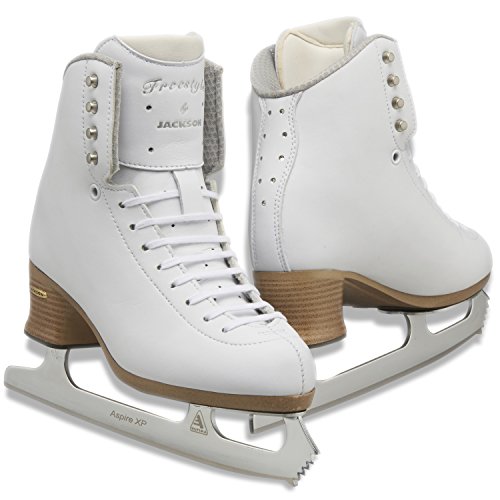
Jackson Freestyle – Best for Intermediate Skaters
The Jackson Freestyle boot offers a stiffness rating of 65, making it ideal for skaters mastering single jumps. Its durable construction provides reliable ankle support for take-offs and landings. The heat-moldable lining ensures a personalized, comfortable fit as you progress.
- Durable and lightweight Microfiber upper has remarkable flexibility…
- Rolled lining eliminates pressure and irritation on tendons above ankles…
- Specially re-designed covered tongue with soft top-line eliminates shin…
Riedell 23 Strider – Best for Advanced Jumpers
With its renowned stiffness and superior leather quality, the Riedell 23 Stride supports double jumps and complex spins. The customizable width options provide a competition-ready, precise fit. This boot is built for skaters who demand maximum energy transfer and durability.
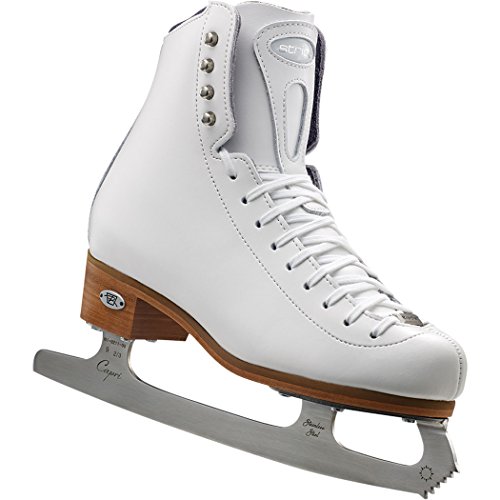
- Open Throat Design
- Flex Notch
- Hand Rolled Collar
Edea Chorus – Best for Lightweight Advanced Skaters
The Edea Chorus features a unique composite material and “C” stiffness rating for a lighter, faster break-in. Its upright design promotes proper posture and is ideal for agile skaters working on doubles. It offers elite-level technology at a slightly more accessible tier.

- Type of Skating: Mid Level for ICE FreeStyle
- Training Level: Double Jumps (Even a good option for lower level Skaters…
- Training Hours: 10 to 12 Plus Hours per week
Conclusion: Mastering Figure Skate Boot Stiffness for Peak Performance
Understanding boot stiffness ratings is fundamental to your skating success. The correct rating provides the essential support for your jumps and spins. It also protects you from injury and wasted effort.
Remember, the right boot feels like a responsive extension of your leg. Use the assessment guide and always consult a professional fitter. They will translate your skill and physique into the perfect model.
Take the next step in your skating journey with confidence. Revisit the action plan, try on multiple brands, and trust your informed judgment. Your ideal boot is waiting to unlock your potential on the ice.
Frequently Asked Questions about Figure Skate Boot Stiffness
What is a good figure skate stiffness for beginners?
A good beginner stiffness rating is typically between 10 and 35. This range offers light support for basic stroking and edges without restricting movement. The boot should allow for easy knee bend and ankle flexion as you learn proper technique.
Models like the Jackson Mystique or Riedell Diamond are common in this category. Always prioritize a comfortable, proper fit over a specific number. A professional fitting ensures the boot supports your foot shape and weight appropriately.
How do I know if my skate boots are too stiff?
You’ll know boots are too stiff if you cannot achieve a deep knee bend or proper ankle flexion. Breaking them in is excessively painful and doesn’t improve. You may also feel like you’re fighting the boot for every movement.
This stiffness mismatch can hinder your progress and technique. If you experience these issues after a reasonable break-in period, consult a fitter. You may need a boot with a lower stiffness rating or a different brand with a more suitable flex pattern.
What stiffness is needed for double jumps?
For consistent double jumps, you generally need a boot in the advanced stiffness tier, typically rated 75 to 90. This high level of support stabilizes your ankle against the powerful rotational forces of doubles.
Your body weight is a critical factor here. A heavier skater may need the upper end of this range. Boots like the Jackson Elite or Riedell Pattern 99 are designed for this demanding level of skating.
Can a boot be too stiff for an adult beginner?
Yes, an overly stiff boot is a common and detrimental mistake for adult beginners. A boot rated for jumps will prevent the necessary ankle flexion and knee bend required to learn fundamentals. This forces bad habits and causes significant discomfort.
Adult beginners should start in a recreational or beginner-intermediate boot. Focus on comfort and proper fit to build a strong technical foundation. You can always upgrade to a stiffer boot as your skills and strength progress.
How long does it take to break in stiff figure skates?
Breaking in stiff skates is a gradual process that can take 10-20 hours of ice time. Start with short, gentle sessions focused on edges and stroking. Avoid attempting your hardest jumps during the initial break-in phase.
Proper at-home wear with guards can accelerate the process. Persistent sharp pain is not normal break-in; it indicates a fit issue. Always listen to your body and consult your fitter for adjustments like spot punching if needed.
Do all skate brands use the same stiffness scale?
No, brands do not use identical stiffness scales. A rating of 70 in Jackson does not equate to a 70 in Riedell or Edea’s “C” stiffness. Each manufacturer uses proprietary materials, construction methods, and lasts that create unique flex profiles.
This is why trying on multiple brands is essential. The stated number is a useful guideline within a single brand’s product line, but it is not a universal standard across the industry.
What should I do if my new skates hurt my ankles?
First, ensure you are lacing them correctly—snug but not tourniquet-tight over the ankle. Some general discomfort is normal, but sharp, localized pain is not. Identify if the pain is from stiffness or a specific pressure point.
For pressure points, a fitter can perform “spot punching” to stretch the boot’s shell in that exact area. If the pain is from overall excessive stiffness, you may be in a boot that is too advanced for your current strength and skill level.
How often should I replace my figure skate boots?
Replacement depends on your skill level, weight, and training frequency. A competitive skater may need new boots every 4-12 months. A recreational skater might get several years from a pair. Look for key signs of breakdown, not a calendar date.
Replace boots when you see deep, permanent creases, feel ankle instability on landings, or the boot no longer stands upright. Skating in broken-down boots risks injury and reinforces poor technique.