Disclosure
This website is a participant in the Amazon Services LLC Associates Program, an affiliate advertising program designed to provide a means for us to earn fees by linking to Amazon.com and affiliated sites.
Yes, you can use figure skates for recreational skating, but it’s not always the best choice. This common question has a nuanced answer that depends on your skill level and goals on the ice.
Choosing the right skate is crucial for comfort, safety, and enjoyment. The wrong boot can turn a fun outing into a painful struggle.
The Core Problem: A Mismatch of Design and Purpose
Figure skates are engineered for specific athletic maneuvers, not casual gliding. Their key features can become drawbacks for a recreational skater.
The prominent toe pick is designed for jumps and spins. On a public session, it can easily catch on rough ice, causing trips and falls.
Furthermore, the stiff, high ankle support needed for landing jumps is often overly restrictive for beginners. It can hinder the natural ankle flexion needed for comfortable stroking and balance.
Quick Fix: A Versatile Recreational Skate
For most people, a dedicated recreational or hockey skate is the smarter choice. These skates prioritize stability, warmth, and ease of use.
A great example is the Jackson Ultima Classic SoftSkate 380. It blends a figure skate look with a recreational boot’s practicality.
- Softer Boot: Allows for better ankle bend and comfort for new skaters.
- Modified Blade: Features a smaller toe pick to reduce tripping hazards.
- Warm Lining: Provides insulation for longer, more enjoyable sessions.
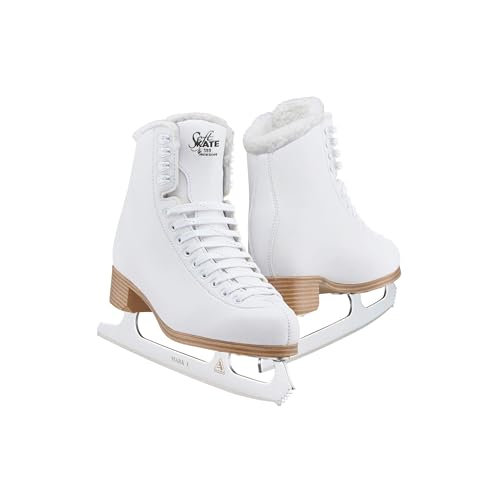
- Introducing our NEW SoftSkate 380 line. Affordable quality. The SoftSkate…
- PRODUCT FEATURES: 1) Reinforced vinyl upper with strength and durability…
Check current price on Amazon →
For a deeper dive, read our full Jackson Ultima SoftSkate 380 review to see if it fits your needs.
When a New Skate Isn’t the Immediate Solution
Maybe you already own figure skates or want to try them. The solution is understanding their limits and adjusting your technique.
Focus on keeping your weight centered and avoid dragging your toes. Consider a professional sharpening to slightly dull the toe picks for safer recreational use.
If you’re set on the figure skate style but need beginner-friendly features, our guide to the best figure skates for beginners is essential. It highlights models like the Riedell Soar, which offer a gentler learning curve.
Ultimately, choosing the best ice skates for warmth and comfort will enhance your experience far more than forcing an advanced tool to do a simple job.
Figure Skates vs. Recreational Skates: Key Design Differences
Understanding the engineering behind each skate type is crucial. This explains why they perform so differently on the same ice.
The design choices directly impact your stability, safety, and learning curve. Let’s break down the major components.
Blade Design and Toe Pick Function
The blade is where the most dramatic difference lies. A figure skate blade is curved from toe to heel, called a rocker.
This allows for spinning on a single point and precise footwork. The large, serrated toe picks at the front are for launching jumps.
- Figure Skate Blade: Pronounced rocker, large toe picks, optimized for agility and jumps.
- Recreational Skate Blade: Flatter rocker, minimal or no toe pick, designed for stable gliding and pushing.
On a crowded public rink, those large toe picks are a common tripping hazard. Recreational blades prioritize staying upright.
Boot Stiffness and Ankle Support
Ankle support is about control, not just restriction. Figure skate boots are extremely stiff to withstand the impact of landing jumps.
This high stiffness limits ankle bend, which is necessary for proper stroking technique. Beginners often fight against the boot.
Recreational boots offer more flexible, forgiving support. This allows your ankles to build strength naturally while providing warmth and comfort.
Traction and Warmth Considerations
Beyond performance, comfort plays a huge role in enjoyment. Most dedicated recreational skates are built for it.
They often feature insulated linings and waterproof exteriors for outdoor or cold rink use. Figure skates prioritize breathability and a precise fit.
The traction off the ice also differs. Figure skate blades have a narrow, slippery sole. Many recreational skates have a rubberized, treaded sole for safer walking.
Who Should (and Shouldn’t) Use Figure Skates for Fun
While generally not ideal, figure skates can work for some recreational skaters. The decision depends entirely on your background and goals.
This section helps you identify which category you fall into. It will save you from potential frustration or injury.
Best Case Scenario: Former Skaters and Cross-Trainers
If you have prior figure skating experience, your muscle memory adapts. You’re already trained to navigate the toe picks and stiff boot.
These skaters can use their old figure skates recreationally with minimal issue. The skates feel familiar and controlled.
- Former Skaters: Already possess the necessary ankle strength and blade awareness.
- Artistic Roller Skaters: Understand edges and balance, easing the transition to a rockered blade.
- Goal-Oriented Beginners: Those who plan to take lessons and progress to jumps/spins quickly.
Worst Case Scenario: First-Time and Casual Skaters
For absolute beginners, figure skates create unnecessary obstacles. The learning curve becomes steeper and more frustrating.
The primary goal for a first-timer is building confidence and having fun. Figure skates can directly work against this.
You’ll likely spend more time worrying about tripping than enjoying the glide. This group benefits most from a stable recreational or hockey boot.
| Skater Profile | Recommended Skate Type | Primary Reason |
|---|---|---|
| First-Time Skater | Recreational / Hockey | Maximize stability and safety; avoid toe picks. |
| Casual “Few Times a Year” Skater | Recreational | Prioritize comfort, warmth, and easy on/off. |
| Former Figure Skater | Figure Skates (Owned) | Leverage existing skill; no new learning curve. |
| Beginner with Artistic Goals | Beginner Figure Skates | Start proper technique early with a manageable boot. |
Making an Informed Decision
Be honest about your skill level and commitment. Renting skates a few times is a fantastic way to test different styles.
If you dream of doing spins someday, starting with a beginner-level figure skate is smarter than a recreational model. Our guide on the best figure skates for beginners is the perfect next read.
For everyone else, choosing a skate designed for fun will lead to more fun. It’s that simple.
Safety Tips for Using Figure Skates on Public Sessions
If you decide to use figure skates recreationally, safety adjustments are non-negotiable. Public ice is unpredictable and crowded.
These proactive tips will help you avoid common accidents. They make the experience safer for you and everyone around you.
Mastering Toe Pick Awareness
The toe pick is your biggest hazard. You must consciously alter your stride to prevent catching it on the ice.
Focus on picking your feet up cleanly with each push. Avoid shuffling or dragging your toes, especially when slowing down or turning.
- Lift, Don’t Drag: Practice a marching motion to get used to clearing the ice.
- Widen Your Stance: A slightly wider base of support improves stability if you do catch a pick.
- Stay Centered: Keep your weight over the middle of the blade, not on the toes or heels.
Adapting to Crowded Ice Conditions
Public sessions lack the orderly patterns of a training session. You must skate defensively and predictably.
Maintain a safe distance from walls, barriers, and other skaters. The rockered blade is less stable for sudden stops than a hockey skate.
Use gradual, wide turns instead of sharp cuts. Always look over your shoulder before changing your path on the ice.
Blade Maintenance for Recreational Use
A proper blade sharpening can make figure skates slightly more recreational-friendly. Discuss your usage with a qualified skate technician.
They can slightly dull the front-most teeth of the toe pick to reduce tripping. They will maintain the blade’s edges for grip.
Always use hard skate guards when walking off the ice. Keep a towel in your bag to thoroughly dry the blades after skating to prevent rust.
Choosing the Right Skate: A Decision Checklist
This final guide consolidates everything into actionable steps. Use it to make a confident choice for your next skate purchase or rental.
Answering these key questions will point you toward the perfect skate type for your recreational needs.
Assess Your Skill Level and Frequency
Be brutally honest with yourself. How often will you truly skate, and what is your current ability?
- Skill: Are you a complete beginner, or do you have past experience (even from childhood)?
- Frequency: Is this for a yearly holiday outing or a new weekly hobby?
- Goals: Do you just want to glide, or are you secretly dreaming of figure skating elements?
For infrequent, casual skating, recreational skates are almost always the correct answer. They offer the best value and experience.
Compare Key Features Side-by-Side
Evaluate what each feature means for your time on the ice. Prioritize the factors that impact comfort and safety most.
| Feature | Recreational Skates | Figure Skates |
|---|---|---|
| Primary Goal | Stable, comfortable gliding | Precise edges, spins, and jumps |
| Toe Pick | Small or none | Large and pronounced |
| Boot Flexibility | More flexible, warmer | Very stiff for ankle support |
| Best For | Public sessions, beginners, families | Lessons, practice, advanced skills |
| Walking Comfort | Good (rubber soles) | Poor (slippery, narrow soles) |
Try Before You Buy: The Ultimate Test
If possible, rent both styles during separate rink visits. Your body will give you the most honest review.
Pay attention to where you feel pressure, how stable you feel, and your overall confidence. Note any tripping incidents with the toe pick.
Top Alternatives to Figure Skates for Casual Skating
If figure skates aren’t the ideal fit, excellent alternatives exist. These options prioritize the fun and ease that recreational skaters seek.
From dedicated recreational models to other skate types, you have great choices. Let’s explore the best paths forward.
Dedicated Recreational Ice Skates
This category is specifically designed for your use case. Brands like Jackson Ultima, Riedell, and Lake Placid make excellent models.
They blend a familiar look with user-friendly features. You get warmth, manageable support, and a safer blade.
- Jackson Ultima SofSkate Series: Perfect hybrid with a figure skate aesthetic and beginner-friendly design.
- Lake Placid Nitro: Often features adjustable sizing for growing feet and excellent warmth.
- Key Benefit: They solve the core problems of toe pick hazards and overly stiff boots.
Explore our detailed Lake Placid Nitro review for a top adjustable option.
Beginner Hockey Skates
Don’t overlook hockey skates for pure recreational gliding. They offer exceptional stability and are built for durability.
The rounded blade has no toe pick, eliminating that tripping risk entirely. The boot provides strong lateral support for balance.
They are typically very warm and excellent for outdoor pond skating. Consider them if your primary goal is speed and stability over artistry.
Rental Skates: A Valuable Testing Ground
Never underestimate the value of renting skates a few times. Most rinks offer both recreational and hockey-style rentals.
Use this as a low-cost experiment. Try each type on different visits and note which feels more natural and confident.
Your perfect skate is one you forget you’re wearing. It allows you to focus on the joy of gliding, not fighting your equipment.
Expert Recommendations for Different Skater Types
General advice is helpful, but personalized recommendations are better. Based on common skater profiles, here are our top skate suggestions.
These pairings match specific needs with the most suitable skate features. Find the profile that best describes you.
For the Absolute Beginner Adult
Your priority is building confidence without fear of falling. You need maximum stability and forgiveness.
Our Top Pick: A dedicated recreational skate with a soft-to-medium flex boot and minimal toe pick.
- Why: The flexible boot allows natural ankle movement as you learn balance.
- Key Feature: A flatter blade rocker provides a larger, more stable sweet spot on the ice.
- Example: The Riedell Soar is an excellent entry point designed specifically for new adult skaters.
For the Parent with a Growing Child
Kids’ feet grow fast, and comfort is key to keeping them interested. You need value and adaptability.
Our Top Pick: An adjustable recreational skate with a warm, waterproof liner.
Adjustable skates can often last 2-4 sizes, offering great longevity. Look for easy-to-use sizing mechanisms and durable construction.
Models like those in our Lake Placid Summit review are built for this exact purpose.
For the Former Skater Returning to the Ice
You have muscle memory but may lack your former ankle strength. You want a familiar feel without the extreme stiffness.
Our Top Pick: A beginner or intermediate figure skate, or a high-end recreational skate.
| If You Want To… | Choose This | Product Example |
|---|---|---|
| Re-learn spins & edges | Beginner Figure Skate | Jackson Ultima Classic 200-500 Series |
| Just skate comfortably | Premium Recreational Skate | Higher-end models with heat-moldable liners |
Common Mistakes and How to Avoid Them
Many skaters make avoidable errors when choosing or using skates for recreation. Recognizing these pitfalls can save you time, money, and discomfort.
Learn from the common experiences of others. This will help you start on the right foot—literally.
Choosing Skates Based on Looks Alone
A beautiful, shiny figure skate can be tempting. However, aesthetics should never override function for a beginner.
The stiff boot and prominent toe picks are not just stylistic choices. They are performance features with real consequences for a casual skater.
- Mistake: Buying advanced figure skates because they look “professional” or “authentic.”
- Solution: Prioritize features that aid stability: a supportive but flexible boot and a blade with a small toe pick.
- Example: A skate like the Lake Placid Cascade offers a traditional look with more recreational-friendly features.
Ignoring Proper Fit and Sizing
Ice skates should fit snugly, unlike street shoes. A size too large causes blisters and a lack of control.
Your heel must be locked in place with no lift. Toes should gently brush the front when standing straight, but not curl.
Always try skates on with the socks you intend to wear. If buying online, consult the brand’s specific sizing chart meticulously.
Neglecting Blade Care and Maintenance
Blades are precision tools. Letting them rust or become dull ruins the skating experience and damages the ice.
Essential Maintenance Routine:
- Dry Thoroughly: Wipe blades completely dry with a soft cloth after every use.
- Use Guards: Use soft guards for storage and hard guards for walking off the ice.
- Sharpen Regularly: Get blades sharpened by a pro after 15-20 hours of use, or when they feel slippery.
Best Ice Skates for Recreational Skating – Detailed Comparison
Based on design, user feedback, and expert analysis, these three models stand out for casual use. They prioritize safety, comfort, and ease of learning over advanced performance features.
Jackson Ultima SofSkate 380 – Best Overall Recreational Skate
This skate perfectly bridges the gap between style and function. It features a softer, flexible boot for comfort and a blade with a smaller toe pick to minimize tripping. The warm microfleece lining makes it ideal for long public sessions, offering the look of a figure skate without the advanced challenges.
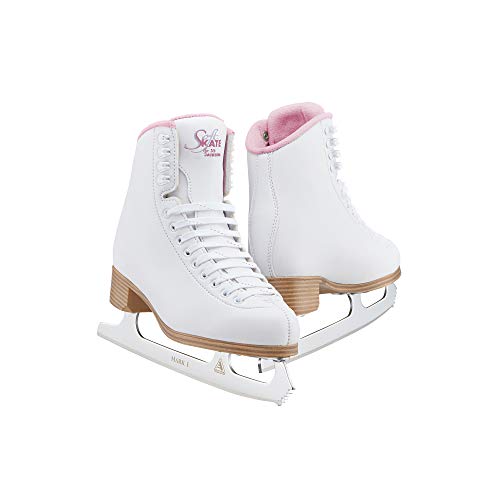
- Introducing our NEW SoftSkate 380 line. Affordable quality. The SoftSkate…
- PRODUCT FEATURES: 1) Reinforced vinyl upper with strength and durability…
Riedell 23 Soar – Best for Beginner Adults
Specifically engineered for new skaters, the Riedell Soar provides exceptional stability. Its moderately supportive boot helps build ankle strength without being restrictive. The blade offers a gentle rocker and minimal toe pick, making it an ideal and reliable choice for adults starting their skating journey.
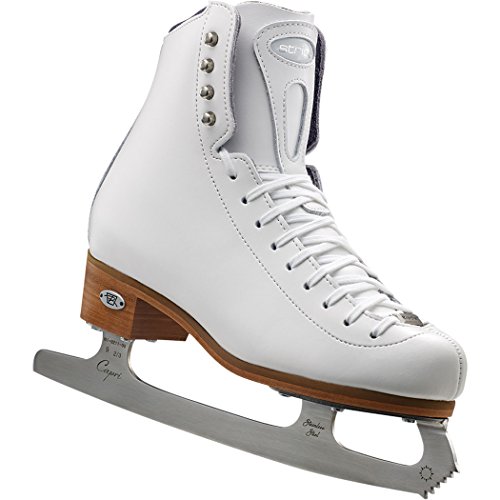
- Open Throat Design
- Flex Notch
- Hand Rolled Collar
Lake Placid Nitro 8.8 Adjustable – Best for Growing Kids
For families, this adjustable skate delivers outstanding value and performance. It can be sized up to four times, extending its usable life through multiple growth spurts. The boot is well-insulated and waterproof, and the stainless steel blade provides durable performance for both indoor and outdoor skating fun.
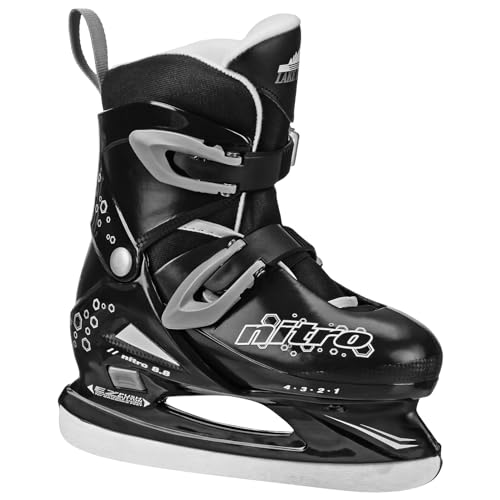
- BOOT Molded Shell with Hinged Cuff
- LINING Washable Comfort Fill Liner
- CLOSURE Locking Quick Fit Buckles for Stability and Easy On and Off
Conclusion: Making the Right Choice for Recreational Ice Skating
While you can use figure skates for casual skating, they are not ideal for most people. Their specialized design often creates unnecessary challenges for beginners.
The best choice is a skate designed for your actual activity. Recreational skates provide the stability, comfort, and safety that make skating enjoyable.
Use our decision checklist to evaluate your skill level and goals. Then, try on different styles to feel the difference firsthand.
Choose the equipment that lets you focus on the fun of gliding, not fighting your skates. Your perfect session on the ice awaits.
Frequently Asked Questions about Recreational and Figure Skates
What is the main difference between figure skates and recreational skates?
The main difference is their design purpose. Figure skates have a large toe pick and stiff boot for jumps and spins. Recreational skates have a minimal toe pick and more flexible boot for stable, comfortable gliding.
This makes recreational skates safer and easier for beginners. They prioritize fun and stability over advanced athletic performance.
Can a beginner learn to skate on figure skates?
Yes, but it is more challenging. The prominent toe pick is a frequent tripping hazard for new skaters. The stiff boot also restricts natural ankle movement needed for balance.
Beginners will typically progress faster and with more confidence on recreational skates. They remove unnecessary obstacles from the learning process.
How can I make my figure skates safer for public skating sessions?
Focus on blade awareness and stride adjustment. Consciously lift your feet to avoid dragging the toe picks. Practice a marching motion to get used to clearing the ice completely.
You can also ask a skate technician to slightly dull the front-most teeth of the toe pick during a sharpening. Always skate defensively and predictably in crowds.
Are hockey skates better than figure skates for recreational skating?
For pure recreational gliding, hockey skates are often a better choice than figure skates. They offer excellent stability with no toe pick to trip on. The boot provides strong lateral support.
They are ideal if your goal is speed and straightforward motion. Choose figure-style recreational skates if you prefer the look or plan to learn basic edges.
What should I look for when buying my first pair of ice skates?
Prioritize fit, flexibility, and blade design. The skate must fit snugly with your heel locked in place. Look for a boot with moderate flexibility to allow for ankle bend.
Choose a blade with a small or no toe pick. A flatter rocker profile will feel more stable than a deeply curved figure blade.
Why are my figure skates so uncomfortable for casual skating?
Discomfort often stems from the boot’s high stiffness and your foot’s anatomy. Figure skate boots are rigid to support jumps, which can create pressure points during casual gliding.
Also, a proper, snug fit is crucial. If the skate is the wrong size or width, it will never be comfortable, regardless of the style.
Is it worth buying adjustable skates for a growing child?
Yes, adjustable skates are an excellent value for growing children. They can typically expand 3-4 sizes, lasting several seasons. This is more cost-effective than buying new skates every year.
Look for models with easy-to-use adjustment mechanisms and durable, warm liners. They ensure a proper fit throughout the skate’s lifespan.
What is the best way to transition from recreational to figure skates?
Start with lessons on proper technique. A coach will teach you how to use the toe pick and rockered blade safely. Begin with beginner-level figure skates, which offer more flexibility than advanced models.
Practice basic edges and balance before attempting any jumps. This structured approach builds the necessary foundation and prevents injury.