Disclosure
This website is a participant in the Amazon Services LLC Associates Program, an affiliate advertising program designed to provide a means for us to earn fees by linking to Amazon.com and affiliated sites.
For casual skaters, expensive figure skates are rarely worth the investment. The high cost often buys features you simply don’t need for recreational use. This article provides a clear breakdown to help you decide.
Spending hundreds more can lead to discomfort and wasted money. The right boot stiffness and blade quality matter most for your skill level and goals. We’ll explore the key differences between recreational and professional skates.
The Core Problem: Over-Booting and Under-Using
Many casual skaters make a critical mistake called “over-booting.” This means buying skates that are far too stiff for their actual skill level. Professional skates are designed to withstand the impact of triple jumps.
For a recreational skater, that extreme stiffness is punishing. It prevents the ankle from bending naturally, leading to pain, blisters, and a frustrating experience. You’re paying a premium for features that actively work against your comfort and progress.
The solution is matching the boot’s stiffness rating to your frequency and goals. A proper fit and a decent stainless steel blade are far more important than a top-tier brand name for casual use.
Quick Fix: Start With a Quality Recreational Skate
For most casual skaters, a well-made recreational skate is the perfect starting point. These models offer crucial support without excessive stiffness. They also come with well-balanced blades suitable for basic edges and turns.
A great example is the Jackson Ultima Classic 200/500 series. It’s a benchmark for entry-level figure skates that don’t compromise on quality.
- Supportive Yet Forgiving: Provides ankle support while allowing for the natural flexion needed for learning.
- Quality Stainless Steel Blades: The Mirage blade offers a good profile for stability and basic skills.
- Heat-Moldable Liner: Enhances comfort and personalized fit right out of the box.

- REFER TO SIZING CHART IN IMAGES.
- Reinforced vinyl coated uppers gives strength, support and durability…
- Padded felt tongues for comfort and support
Check current price on Amazon →
For a deeper dive, read our full Jackson Ultima Classic 200 & 500 review to see if it fits your needs.
When a Quick Fix Isn’t Enough: Your Solution Pathway
If you skate frequently or are advancing past the absolute basics, a standard recreational model might not suffice. You may need more specific features without jumping to professional-grade prices.
Your next step is to identify your precise needs. Are you looking for ultimate warmth, advanced blade performance, or maximum comfort for longer sessions?
We have detailed guides to help you navigate this middle ground:
- Explore the best figure skates with stainless steel blades for better glide and edge-holding.
- Find the perfect pair in our roundup of the most comfortable ice skates for pain-free skating.
- For a comprehensive starting point, our guide to the best women’s recreational ice skates compares top models.
Breaking Down the True Cost of High-End Figure Skates
Understanding where your money goes is key to deciding if premium skates are worth it. The price difference between recreational and professional models isn’t just for branding. It pays for specialized materials and construction that serve a specific athletic purpose.
For casual skaters, these expensive features often provide diminishing returns. You might be investing in capabilities you’ll never use while sacrificing immediate comfort. Let’s analyze the core components that drive up the cost.
Boot Construction: Stiffness vs. Comfort
The boot is where the biggest cost and performance gap exists. Manufacturers use a stiffness rating system, often on a scale from 1 (soft) to 100+ (very stiff).
- Recreational Boots (Rating ~20-40): Use synthetic materials and lighter reinforcement. They offer supportive flexibility, allowing your ankle to bend for pushes and basic moves without pain.
- Professional Boots (Rating 70+): Built with layered leather, carbon fiber, or advanced polymers. This creates an ultra-stiff “jump box” to withstand landing forces of multiple rotations. For casual skating, this feels like wearing a cast.
Blade Technology: Precision You Might Not Need
Blades on high-end skates are a major investment. They are often sold separately from the boot, adding hundreds to the total cost.
Premium blades feature specialized profiles, hollows, and toe picks designed for specific jumps and spins. A recreational skater performing basic edges and crossovers won’t utilize this precision engineering. A quality stainless steel blade on a mid-range skate provides excellent durability and performance for casual use.
| Feature | Recreational Skate (Best for Casual) | Professional Skate (For Competitive Skaters) |
|---|---|---|
| Boot Stiffness | Moderate, flexible ankle | Extremely stiff, maximum support |
| Primary Goal | Comfort, warmth, basic skill support | Energy transfer, jump landing stability |
| Blade Type | Stainless steel, standard profile | High-grade steel, customized profile & hollow |
| Break-in Period | Short (a few skates) | Long and often painful |
How to Choose the Right Skates for Your Casual Skating Level
Selecting the perfect pair isn’t about price tags—it’s about honest self-assessment. Your skating frequency, current skills, and future goals determine the ideal boot and blade. Investing in the wrong tier leads to wasted money and a poor on-ice experience.
This decision-making framework helps you match a skate’s capabilities to your actual needs. It ensures you pay for useful features, not just prestigious labels. Follow these guidelines to find your perfect fit.
Assess Your Skating Frequency and Goals
Be realistic about how often you’ll hit the ice and what you want to achieve. This is the most critical step before browsing any products.
- The Occasional Skater (1-5 times/year): Focus on comfort, warmth, and easy entry. A supportive recreational or comfortable hockey-style skate is perfect. Explore options in our guide to the best ice skates for warmth and comfort.
- The Regular Enthusiast (Monthly/Weekly): You need durability and performance for skill development. Look for a dedicated figure skate with a moderate stiffness rating and a reliable stainless steel blade.
- The Aspiring Learner (Taking lessons): Your coach’s advice is invaluable. You’ll likely need a proper figure skate that supports edges and basic jumps, like those reviewed in our Jackson Ultima Softskate 380 review.
The Smart Investment Checklist for Casual Skaters
Use this list to evaluate any skate model. If it checks these boxes, it’s likely a worthwhile purchase for your needs.
- Proper Professional Fitting: Always get measured and fitted in person. Sizing varies wildly by brand and model.
- Stainless Steel Blades: Avoid carbon steel blades that rust quickly. Stainless steel maintains a sharp edge and lasts much longer.
- Heat-Moldable or Padded Liners: This technology molds the boot to your foot’s shape, drastically improving comfort and reducing break-in pain.
- Reinforced Ankle Support: Look for structured ankle padding and a firm heel counter. This provides stability without the punishing stiffness of a pro boot.
Where to Actually Invest Your Money for a Better Experience
For casual skaters, value isn’t found in the most expensive boots. It’s found in strategic upgrades that directly enhance comfort, safety, and performance. Redirecting funds from an over-spec’d skate to these areas yields a much better return on investment.
These practical upgrades make every skating session more enjoyable. They also extend the life of your equipment, protecting your initial purchase. Let’s explore the smartest places to put your budget.
Priority 1: Professional Fitting and Quality Blades
The single best investment is a professional fitting at a dedicated skate shop. An expert will measure your foot for length, width, and volume to find your true size across brands.
- Avoid Online Guesswork: Ill-fitting skates cause pain and hinder progress, regardless of price. A proper fit is non-negotiable.
- Blade Quality Over Boot Hype: Insist on a stainless steel blade. It holds an edge longer and resists rust from indoor or outdoor ice. Our guide on the best figure skates with stainless steel blades highlights great options.
Priority 2: Performance and Comfort Add-Ons
After securing a well-fitted skate with good blades, consider these affordable upgrades. They solve common pain points for recreational skaters.
| Upgrade | Cost Range | Benefit for Casual Skaters |
|---|---|---|
| Custom Footbeds/Insoles | $30 – $60 | Provides arch support and heel cushioning, reducing fatigue and improving balance. |
| Professional Sharpening | $10 – $20 per session | Ensures consistent edges for better grip and control. More important than blade brand. |
| Quality Skate Guards & Soakers | $20 – $40 | Protects blades from damage when walking off-ice and absorbs moisture to prevent rust. |
For skaters prioritizing ease of use, some excellent all-in-one packages exist. Models like the Rollerblade Bladerunner Ice Diva offer great value with minimal fuss, perfect for casual outings.
Real-World Scenarios: When to Consider Upgrading Your Skates
While expensive pro skates are overkill for beginners, there comes a point where an upgrade from basic recreational models is wise. This isn’t about jumping to elite gear, but rather stepping up to a more capable intermediate skate.
Recognizing these signs helps you invest at the right time. Upgrading for a clear performance reason feels rewarding, not wasteful. Let’s examine the key indicators that you’ve outgrown your starter skates.
Signs You’re Ready for a Mid-Range Investment
Your current skates will tell you when they can no longer support your progress. Pay attention to these physical and performance cues.
- The “Breakdown” Feeling: The boot leather or synthetic material feels soft and collapses around your ankle when you lean into an edge. You lack precise control.
- Skill Progression Plateaus: You’re consistently working on one-foot spins, basic jumps (waltz, toe loop), or deeper edges, but your skate feels unstable and unsupportive.
- Frequent Blade Sharpening: If you’re skating weekly and need sharpening every month, your blades may be lower-quality carbon steel. Upgrading to a skate with better stainless steel blades is cost-effective long-term.
Choosing Your Next Step: Intermediate Skate Features
When you upgrade, target these specific improvements. You’re looking for a balanced skate that bridges the gap between beginner and professional.
Excellent intermediate options often feature heat-moldable liners and better-quality components. For example, the Lake Placid Cascade figure skates offer great support for advancing skills.
Follow this simple decision pathway:
- Evaluate Your Pain Points: Is it lack of support, blade dullness, or general discomfort?
- Set a Realistic Budget: Allocate funds for the skate plus professional fitting. Mid-range skates typically cost $200-$400.
- Research by Feature, Not Brand: Look for the specific stiffness, blade type, and lining technology you need. Our guide to the best skates for indoor and outdoor use considers durability for varied conditions.
- Get Fitted (Again): Your foot size or needs may have changed. Never assume your new size is the same as your old one.
Common Myths About Figure Skate Pricing Debunked
Misinformation can pressure casual skaters into expensive, inappropriate purchases. Let’s dismantle the most persistent myths about skate pricing and performance. Understanding the truth empowers you to make confident, budget-friendly decisions.
These myths often conflate professional needs with recreational ones. Separating fact from fiction saves you money and spares you discomfort. Here are the truths behind common misconceptions.
Myth 1: “A Higher Price Always Means Better Quality”
This is the most dangerous myth for casual buyers. In skating, a higher price typically means specialized performance for elite athletics, not universally “better” quality for everyone.
- The Reality: A $800 skate is engineered to withstand the 8x body weight impact of a triple jump. If you’re not jumping, you’re paying for unnecessary, punishing stiffness. The quality of stitching and materials in a $250 recreational skate is often excellent for its intended use.
- True Quality for You: For a casual skater, quality means durable stainless steel blades, secure stitching, and comfortable, supportive padding. These features are found in mid-priced models.
Myth 2: “You Get What You Pay For with Cheap Skates”
While extremely low-priced “big box store” skates are problematic, the sweet spot for casual skaters is in the mid-range. “Cheap” is relative to the skate’s purpose.
| Common Belief | The Reality for Casual Skaters |
|---|---|
| Expensive boots break in and mold perfectly. | Pro boots have a long, painful break-in. Recreational boots with heat-moldable liners adapt quickly and comfortably. |
| Top brands are always the best choice. | Fit is king. A perfect fit in a lesser-known brand beats a poor fit in a top brand every time. |
| Blades should last for years without care. | All blades require regular sharpening and drying. A mid-priced stainless steel blade with proper care outlasts a neglected expensive one. |
Myth 3: “Buying Pro Skates Will Make You Skate Better”
Skates are tools, not magic. Advanced equipment cannot compensate for a lack of skill or technique. In fact, inappropriate equipment can hinder learning.
Your progress depends on practice and instruction, not your price tag. Invest in lessons before you invest in elite-level skates. For inspiration on capable yet accessible gear, see our review of the versatile 5th Element Grace ice skates.
Final Verdict: Are Expensive Skates Worth It? A Clear Answer
After breaking down the costs, features, and common myths, we can deliver a definitive conclusion. The answer hinges entirely on your specific definition of “casual skater” and your personal goals on the ice.
For the vast majority of recreational skaters, the data points to a clear and financially sound decision. Let’s synthesize the evidence into actionable guidance.
The Bottom Line for Most Casual Skaters
No, expensive professional figure skates are not worth it for casual skaters. The investment is misdirected towards features that inhibit comfort and provide no tangible benefit for recreational use.
- You Pay for Unused Performance: The core engineering of a pro skate—extreme stiffness, advanced blade profiles—is designed for multi-rotation jumps you will never attempt.
- You Sacrifice Immediate Comfort: The prolonged, painful break-in period can turn a fun hobby into a chore. Recreational skates prioritize comfort from the first wear.
- The Money Has Better Uses: The hundreds saved can be redirected to professional fittings, quality maintenance, lessons, or simply more ice time.
For a casual skater, optimal value comes from: A well-fitted mid-range skate ($150-$350) + Professional sharpening + Quality care accessories. This combination maximizes enjoyment, safety, and skill development without financial waste.
The Rare Exceptions: When the Investment Might Make Sense
There are two narrow scenarios where considering a higher-priced, advanced intermediate skate could be justified for a non-competitive adult.
- The “Serious Casual” Skater: You skate multiple times per week, take consistent lessons, and are diligently working on single jumps and spins. Your skills are actively being hindered by a soft boot.
- The “Former Skater” Returning: You have significant past experience and muscle memory. You may quickly regain skills that demand more support than a beginner skate offers, making a faster transition to a stiffer boot practical.
Even in these cases, you should target advanced intermediate models, not elite professional ones. The goal is to find a skate that supports your specific progression, not the theoretical maximum the sport allows.
Your Action Plan: Finding the Perfect Skates Without Overspending
Now that you understand the why, here is the practical how. This step-by-step action plan will guide you from research to purchase. It’s designed to prevent impulse buys and ensure you get the best value for your casual skating needs.
Follow these steps in order to make a confident, informed decision. This process prioritizes fit and function over brand names and flashy marketing.
Step 1: Define Your Profile and Budget
Before you look at a single product, answer these questions honestly. Write down your answers to stay focused.
- Frequency: How many times per month/year will you realistically skate?
- Goals: Gliding in circles, learning basic edges, attempting spins, or just having fun with family?
- Budget Cap: Set a firm total budget that includes the skates, fitting, and essential accessories like guards.
Step 2: Research and Shortlist Models
Use your profile from Step 1 to filter your options. Focus on features, not just aesthetics.
- Seek out “recreational” or “intermediate” categories, not “professional” or “elite.”
- Filter for stainless steel blades as a non-negotiable feature.
- Read reviews from other adult casual skaters, not competitive athletes.
Leverage our detailed guides to build your shortlist. Start with our curated selection of the best women’s recreational ice skates for top-rated options.
Step 3: The Critical In-Person Fitting
This step cannot be skipped. Visit a dedicated skate or pro shop, not a general sporting goods store.
- Bring Your Socks: Wear the thin, moisture-wicking socks you plan to skate in.
- Communicate Your Profile: Tell the fitter your frequency and goals from Step 1.
- Try Multiple Brands: Sizing varies drastically. Be prepared to try on 3-5 different models in your shortlist.
A proper fitter will assess width, arch, heel slippage, and overall volume. The right skate should feel snug but not painful, with your toes lightly brushing the toe cap.
Best Figure Skates for Casual Skaters – Detailed Comparison
Based on our analysis of value, comfort, and appropriate support, these three models stand out for recreational skaters. Each offers a different balance of features to match specific needs and budgets.
Jackson Ultima Classic 200/500 Series – Best Overall Value
The Jackson Ultima Classic series is the gold standard for entry-level figure skates. It features a moderately stiff boot with a heat-moldable liner for personalized comfort and the reliable Mirage stainless steel blade. This combination provides ideal support for learning basic skills without the harsh break-in of a pro skate.
- REFER TO SIZING CHART IN IMAGES.
- Reinforced vinyl coated uppers gives strength, support and durability…
- Padded felt tongues for comfort and support
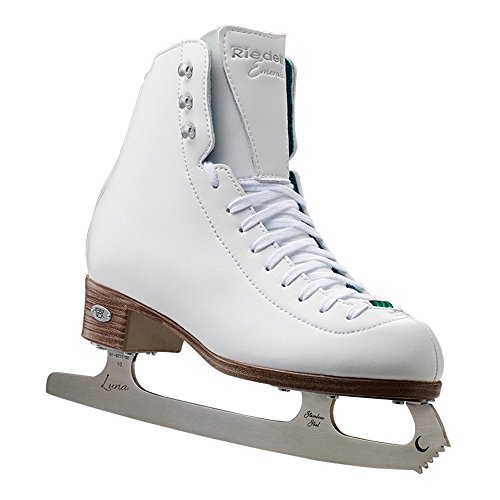
Riedell Emerald 119 – Best for Comfort & Easy Entry
Ideal for the true casual skater, the Riedell Emerald 119 prioritizes immediate comfort. Its softer boot construction and plush lining require minimal break-in. The integrated stainless steel blade is well-balanced for stability, making it a perfect choice for seasonal outings and family skate sessions where ease of use is paramount.
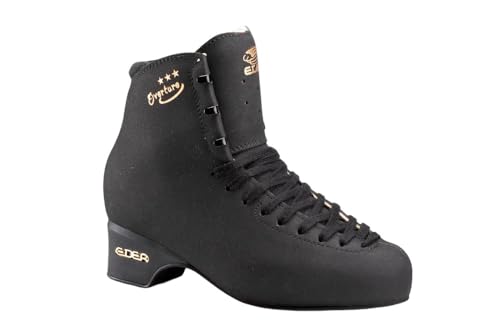
Edea Overture – Best for the Advancing Enthusiast
For the skater who practices regularly and is progressing past basics, the Edea Overture is a superb intermediate step. It uses Edea’s unique lightweight, shock-absorbing material that offers more support without traditional stiffness. It’s the recommended option for adults building skills like spins and simple jumps who need a responsive boot.
- Our boots are designed with lightness in mind making them more responsive…
- The unique insole made by with fiberglass and nylon allows more power…
- Our hi-tech soles are made with ultra modern material making them both…
Conclusion: Making the Smart Choice for Casual Figure Skating
For most casual skaters, expensive professional figure skates are not a worthwhile investment. The high cost buys specialized performance features that hinder comfort and provide no benefit for recreational use. Your money is better spent elsewhere.
The key takeaway is to prioritize proper fit and skill-appropriate support over prestige and price tags. A quality mid-range skate with stainless steel blades will serve you perfectly for years of enjoyable skating.
Use our action plan to research, get fitted professionally, and invest in smart upgrades like blade maintenance. This approach guarantees a better on-ice experience without overspending.
Now you’re equipped with the knowledge to choose confidently. Lace up, enjoy the glide, and skate smarter, not harder.
Frequently Asked Questions About Casual Figure Skates
What is the main difference between recreational and professional figure skates?
The core difference is boot stiffness and blade specialization. Recreational skates have softer, more flexible boots for comfort and basic skill support. Professional skates feature extremely stiff boots designed to withstand the impact of advanced jumps and spins, which are unnecessary and uncomfortable for casual use.
How much should a casual adult skater spend on their first pair?
Plan to spend $150-$350 for a quality first pair of figure skates. This range typically gets you a supportive boot with stainless steel blades and features like heat-moldable liners. Avoid the cheapest models under $100, as they often have poor support and carbon steel blades that rust quickly.
Can I use hockey skates instead of figure skates for casual skating?
Yes, hockey skates are an excellent alternative for pure recreational gliding. They are often warmer, easier to put on, and offer good ankle support. Choose based on your primary goal: hockey skates for speed and maneuverability, figure skates if you’re interested in learning edges, turns, or basic figure skating moves.
How often do casual skaters need to sharpen their blades?
For casual skaters using stainless steel blades, sharpening every 20-30 hours of ice time is typical. If you skate once a month, this might mean once a season. A clear sign you need a sharpening is feeling your blades slip sideways when pushing off or losing grip on turns.
What is the best way to break in new recreational figure skates?
Start by wearing them at home with skate guards on for short periods. Use any heat-molding features according to instructions. For your first few ice sessions, skate for 30-45 minutes at a time to allow the materials to gradually form to your feet without causing blisters from overuse.
Are used figure skates a good option for beginners?
Used skates can be a cost-effective option, but caution is essential. Only consider skates with plenty of blade life and minimal boot breakdown. The fit must be perfect, as used boots will not mold to your feet. Avoid skates that show deep creases in the ankle area, as this indicates the support is compromised.
Why do my new skates hurt my feet, and what can I do?
Some discomfort is normal during break-in, but sharp pain indicates a problem. First, ensure you have the correct size and width from a professional fitter. For pressure points, a skate shop can “punch out” specific areas. Quality gel pads or custom insoles can also alleviate pain from arch or heel issues.
What features are most important for comfortable casual skating?
Prioritize a proper fit, a heat-moldable or well-padded liner, and a supportive but not overly stiff ankle collar. Stainless steel blades are crucial for maintenance. For warmth, look for boots with insulation or removable liners. Comfort is the primary factor that will keep you returning to the ice.