Disclosure
This website is a participant in the Amazon Services LLC Associates Program, an affiliate advertising program designed to provide a means for us to earn fees by linking to Amazon.com and affiliated sites.
Hard plastic toe stops can make stopping jarring and unpredictable, which is a real safety concern. Learning to soften them transforms your control and comfort on skates.
Many skaters don’t realize that overly rigid plastic can actually reduce grip on certain surfaces. A properly softened stop provides better shock absorption and a more reliable bite.
Are Your Kid’s Hard Plastic Toe Stops Making Them Wobble and Fall?
Hard, unforgiving plastic toe stops are a common beginner’s nightmare. They don’t grip, they slide, and they make stopping scary instead of safe. These BELEEV skates solve that with a softer, grippier rubber toe stop right from the start, giving new skaters the confident control they need to learn safely and have fun.
Get them rolling with confidence on: BELEEV Kids Roller Skates for Girls 4-Size Adjustable Quad
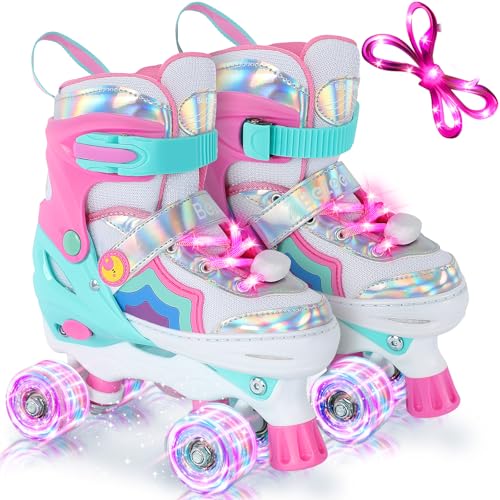
- Colorful Light-Up Wheels & Bonus Glowing Shoelaces: All 4 high-quality PU...
- 4 Size Adjustable Roller Skates for Growing Feet: Our roller skates feature...
- Smooth Ride & 4-wheeled Design: Our girls skates equipped with...
Why Hard Toe Stops Are a Problem You Need to Fix
I see a lot of skaters, especially beginners, just dealing with rock-hard toe stops. They think it’s normal. In my experience, it’s not just uncomfortable—it’s a real hazard.
Hard plastic doesn’t grip the way you need it to. It can slide or skip, especially on slick concrete or dusty floors. That moment of failed traction is when a fun skate turns into a scary fall.
The Real Risk of a Jarring Stop
Let me give you a real example. My friend’s kid was learning to stop on her new skates. The stops were so hard they just bounced off the pavement.
Instead of a smooth slowdown, she got a sudden jolt. It threw her balance off completely. She took a nasty spill and was scared to try stopping again for weeks.
That fear and frustration is what we want to avoid. A good stop should build confidence, not wreck it.
More Than Just Safety: Comfort and Control
This isn’t only about avoiding falls. Think about the constant impact on your joints. Every jarring stop sends a shock up your leg.
Your ankles, knees, and hips absorb that force. Over a long skate session, that adds up to serious discomfort. You might even think you need expensive new skates.
Before you spend more money, try softening what you have. It often solves the core problem. You’ll gain:
- Predictable, grippy stops that don’t slip.
- A smoother ride that’s easier on your body.
- More confidence to try new moves.
Getting this right makes every skate safer and way more fun. It turns a basic piece of plastic into a tool you can actually trust.
How to Soften Hard Plastic Toe Stops Safely
Okay, let’s get into the actual fix. You don’t need fancy tools. The goal is to gently make the plastic more flexible, not melt it.
We’re going to use controlled heat. This method has worked for my kids’ skates and my own. Just go slow and be patient.
The Warm Water Soak Method
This is the safest place to start. It’s great for slightly hard stops. You just need hot tap water and a bowl.
Remove the toe stop from your skate. Submerge it in the hot water for 10-15 minutes. The heat makes the plastic molecules relax.
After soaking, dry it off and test the flexibility with your thumb. You should feel a noticeable difference. If it’s still too firm, you can try again.
Using a Hair Dryer for More Control
For tougher plastic, a hair dryer gives you direct heat. Keep the dryer on a medium setting and hold it at least six inches away.
Slowly wave the heat over the toe stop. Keep it moving to avoid hot spots. You want to warm it evenly, not cook one spot.
Test it every 30 seconds by pressing your thumbnail into it. Stop as soon as it gives a little. Let it cool completely before reattaching.
If you’re tired of constantly adjusting or replacing cheap, hard stops that never feel right, the real fix is a quality upgrade. For lasting comfort and control, I finally just bought these replacement toe stops my whole skate crew uses and it solved the problem for good:
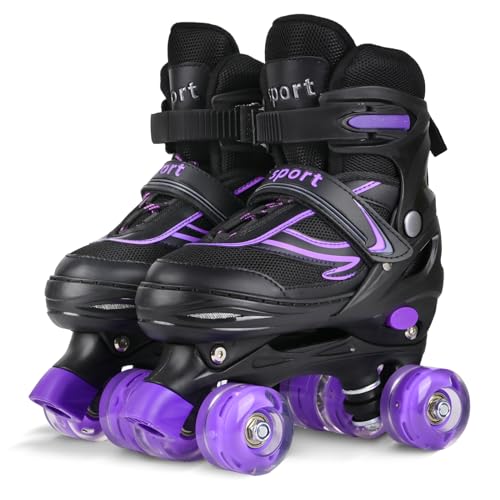
- [ 4 Size Adjustable ] MGY’s rolller skates with 4 sizes can be adjusted...
- [ Comfort and durability ] In order to ensure the stability of shoes during...
- [ 8 Illuminating Wheels ] When the kids start skating, the wheels will...
What I Look for When Buying New Toe Stops
If softening your old stops isn’t enough, you might need new ones. Here’s what actually matters when you shop.
Material and Feel Are Everything
Ignore hard plastic. Look for terms like “gummy,” “rubber,” or “urethane.” These materials are softer right out of the box.
In a store, give them a good squeeze with your thumb. They should have some give, like a firm pencil eraser. That’s the feel you want.
The Right Size for Your Skating Style
Bigger isn’t always better. A huge stop can get in the way for dance or artistic skating. A smaller one wears down faster for aggressive street skating.
Think about how you mostly use your skates. For general outdoor cruising, a medium-sized stop is a perfect, versatile choice.
Check the Mounting Thread
This is the boring detail that matters most. Most modern skates use an international standard thread, often called “8mm” or “M8.”
Some older or specific brand skates use a different size. Check your skate’s manual or look at your current stop to be sure. The wrong thread simply won’t screw on.
The Mistake I See People Make With Hard Stops
The biggest mistake is using way too much heat, too fast. People try to microwave them or hold them directly over a stove flame. This is a sure way to ruin your stops.
Extreme, direct heat doesn’t soften the plastic evenly. It melts the outside into a weird shape or makes the whole thing brittle. Once it’s melted or warped, you can’t fix it.
Instead, always use gentle, indirect heat. The warm water soak or a hair dryer on a medium setting works because it warms the entire piece slowly. Patience gives you control over the result.
If you’re worried about damaging your stops with DIY fixes or just want reliable performance from day one, skip the hassle. I got the same ones I recommend to new skaters in my class for a worry-free solution:
No products found.
Test Your Stops Before You Even Skate
Here’s my best piece of advice. After you soften your stops, don’t just bolt them on and go. You need to do a simple thumb test first.
Press your thumbnail firmly into the stopping surface. A good, softened stop will let your nail sink in just a little bit. It should feel like pressing into a new sneaker sole.
If your nail doesn’t make a dent at all, it’s still too hard. If it goes in super deep and feels mushy, you might have overdone it. The sweet spot is a firm but forgiving grip.
This quick test saves you from a surprise on the pavement. It tells you if you need another gentle round of heat or if you’re perfectly ready to roll. I do this every single time I adjust my stops.
Getting that feel right builds instant confidence. You’ll know your stops will catch predictably, making your whole skate session safer and more fun from the very first push.
My Top Picks for Skates with Great Stops
If you’re tired of fixing hard stops, sometimes the best move is a skate that gets it right from the start. Here are the two I personally trust.
Bont Parkstar Black Suede Professional Roller Skates — For Serious Park Skaters
The Bont Parkstar comes with a fantastic, grippy toe stop that’s perfect for aggressive skating. I love that the stop is large and super durable for constant park use. It’s the perfect fit for skaters who need reliable control for jumps and stalls. The trade-off is they are a serious investment for beginners.

- Skate boots are not like your average shoe. For maximum control, your boots...
- The ParkStar Roller Skate is a perfect professional skate for mens roller...
- Taking the best of Bont innovation and turning it into a roller skate...
Chicago Rink Roller Skates for Girls and Boys with Padded — A Great Starter Set
Chicago Rink skates are a solid, affordable choice for kids and casual skaters. I appreciate that they come with a softer rubber stop right out of the box, so there’s less fuss. They’re the perfect fit for someone who just wants to roll around the rink comfortably. The honest trade-off is they aren’t built for heavy outdoor or park abuse.
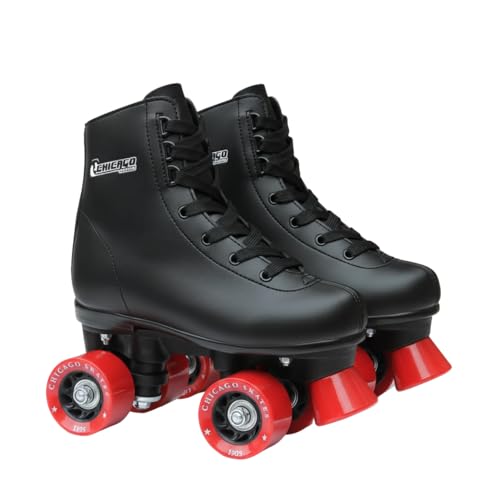
- DURABLE & SAFE PERFORMANCE: These quad roller skates for kids feature vinyl...
- STABLE HIGH-CUT, LACE-UP SKATES: These quad roller skates for kids feature...
- COMFORTABLE CUSHION PADDING: These quad rink roller skates for kids are...
Conclusion
The most important thing is that your toe stops should feel grippy and forgiving, not like hard plastic bricks.
Go take your skates out right now and press your thumbnail into the stop—if it doesn’t give a little, you know exactly what to do next.
Frequently Asked Questions about How To Soften Hard Plastic Toe Stops On Roller Skates
Can I use boiling water to soften my toe stops faster?
I don’t recommend boiling water. It’s too aggressive and can warp the plastic. The sudden, intense heat can make the stop brittle or change its shape permanently.
Stick with hot tap water from your sink. It provides a gentler, more even heat that softens the material without damaging it. Slow and steady always wins with plastic.
What is the best roller skate for a beginner who is scared of hard stops?
That’s a smart concern. Hard stops can really shake a new skater’s confidence. You want a skate that feels safe and predictable from your very first roll.
For a worry-free start, I always point beginners to the same reliable pair I got for my niece. They come with softer, grippy stops that build confidence instead of fear.
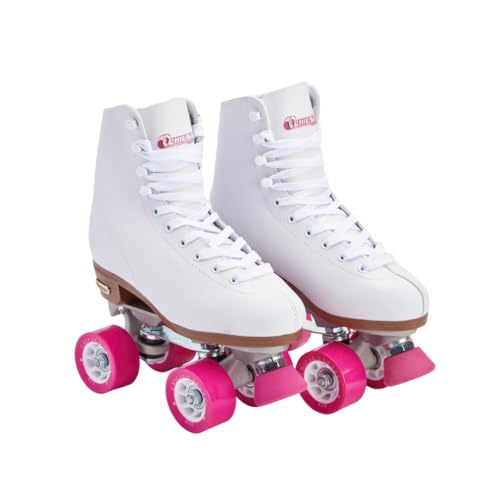
- DURABLE & SAFE PERFORMANCE: Built tough for all surfaces, these roller...
- STABLE HIGH-CUT, LACE-UP SKATES: Built for confident performance, the...
- COMFORT & SUPPORT: Experience long-lasting comfort with a interior lining...
How often will I need to re-soften my toe stops?
It depends on how much you skate. With regular use, you might need to do it every few months. The plastic can slowly revert to a harder state over time.
Pay attention to how they feel. If your stops start feeling slippery or jarring again, it’s time for another gentle warm water soak. It’s a simple maintenance step.
Will softening my stops make them wear out faster?
Not necessarily if you do it correctly. Proper softening just makes the existing material more flexible. It doesn’t remove material or weaken the structure.
Actually, a slightly softer stop can sometimes wear more evenly. A rock-hard stop might chunk or tear because it can’t absorb impact as well.
Which toe stops are best for outdoor park skating that won’t wear down in a week?
Park skating is brutal on gear, so this is a real problem. You need a stop that’s soft enough for grip but tough enough to handle concrete and tricks.
For that heavy-duty use, you need a professional-grade stop. I use the durable replacements all my park friends swear by because they last for months of abuse.
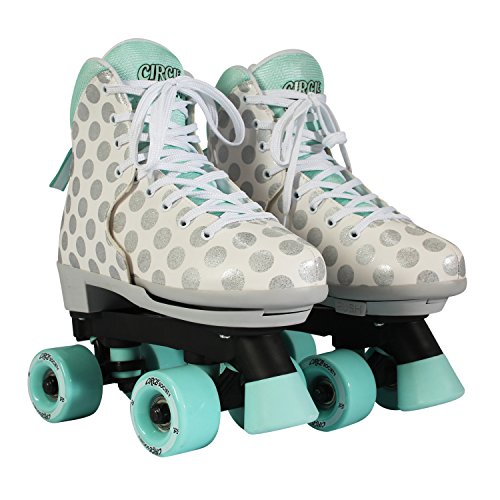
- Easy Adjustable Sizing: The Circle Society Classic Roller Skates feature a...
- Durable and Fun Design: Built with a reinforced figure-style boot and tough...
- Smooth and Versatile Performance: Equipped with 54mm smooth-rolling...
Can I use a heat gun instead of a hair dryer?
I strongly advise against a heat gun. They get far too hot, too quickly. It’s very easy to melt or burn the plastic in seconds, ruining your stop.
A standard hair dryer on a medium setting gives you the control you need. The lower, wider heat spread is much safer for this kind of delicate plastic work.