Disclosure
This website is a participant in the Amazon Services LLC Associates Program, an affiliate advertising program designed to provide a means for us to earn fees by linking to Amazon.com and affiliated sites.
If your new roller skates feel stiff and unyielding, don’t worry! This is completely normal and actually a sign of quality. That initial stiffness is crucial for your safety and learning.
The materials, like the boot’s thick padding and the tight trucks, are designed to be rigid. They need a break-in period to mold to your unique feet and movements, which is why patience is so important.
Why Do My Kid’s New Skates Feel Like Concrete Blocks Strapped to Their Feet?
We’ve all seen it: the excited kid, the brand-new skates, and then the immediate frustration because they can’t even bend their ankles. That initial stiffness isn’t just annoying; it makes learning to skate feel impossible and can crush their confidence before they even start rolling.
To solve the “concrete block” problem for my own daughter, I got her the adjustable BELEEV skates: BELEEV Kids Roller Skates for Girls 4-Size Adjustable Quad
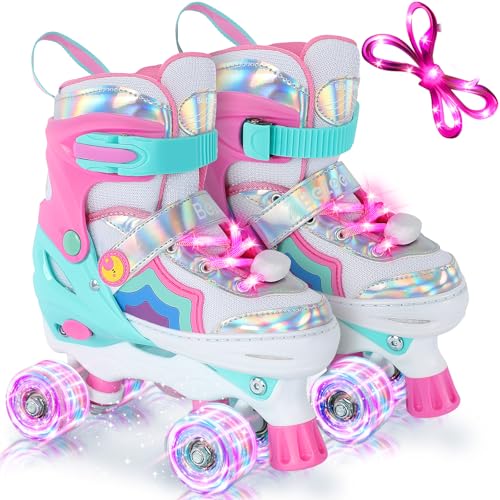
- Colorful Light-Up Wheels & Bonus Glowing Shoelaces: All 4 high-quality PU...
- 4 Size Adjustable Roller Skates for Growing Feet: Our roller skates feature...
- Smooth Ride & 4-wheeled Design: Our girls skates equipped with...
Why Stiff New Skates Are a Safety Feature, Not a Flaw
I see this all the time. A skater gets a beautiful new pair, laces up, and immediately feels disappointed. The skates don’t move like they expected. They feel like blocks of wood on wheels.
This frustration is real. I’ve watched people give up after one session, thinking they bought the wrong skates. They waste money and miss out on the joy skating can bring.
But here’s the truth. That stiffness is your best friend when you’re starting. It’s there to protect you.
How Stiffness Prevents Common Beginner Falls
Think about your ankles. When you’re learning, they wobble. A soft boot offers no support. It lets your ankle roll right over.
A stiff boot acts like a cast. It holds your ankle in a safe, neutral position. This stops those scary sideways twists that lead to sprains.
It also gives you a stable platform to push from. You build confidence because the skate isn’t flopping around with every step.
The Break-In Process for Roller Skate Boots
Your skates won’t stay stiff forever. They are designed to mold to you. The break-in is a partnership between you and the skate.
Here is what is happening inside that boot:
- The thick foam padding is compressing to fit the exact shape of your foot.
- The synthetic or leather upper is softening at the key flex points, like your ankle.
- The internal structure is loosening just enough to allow natural movement while keeping support.
This takes time. I tell new skaters it usually takes 10-15 hours of wear. Don’t rush it. That molding is what makes them uniquely yours.
How to Break In Stiff Roller Skates Faster
You don’t have to just suffer through the stiffness. There are safe, smart ways to speed up the break-in process. I use these tricks myself to get skating comfortably sooner.
The goal is to soften the material where it needs to bend. We want to avoid damaging the skate’s important support structure. Gentle persuasion is key.
Wear Your Skates at Home
This is my number one tip. Put your skates on while you’re watching TV or working at your desk. Keep the guards on or stand on a carpet.
Just having them on your feet generates heat. That warmth helps the materials start to soften and conform. Do this for 30-minute sessions a few times a day.
Bend your knees and rock forward to flex the ankle cuff. This targets the stiffest spot without any rolling risk.
Adjust Your Setup for More Flexibility
Sometimes, it’s not just the boot. The trucks (the part holding the wheels) are often very tight from the factory. This makes turning feel impossible.
You can safely loosen them a little. Here’s what you need:
- A skate tool or the right size wrench.
- Just a quarter-turn looseness on the kingpin nut.
- A test roll to check for wobble. Tighten back if it’s unstable.
This simple adjustment can make a world of difference in how your new skates feel and turn.
If you’re worried about damaging your skates or ankles by forcing them, the right gear makes all the difference. I finally found relief for my own sore break-in period with these skates that worked for us because they balanced support and break-in time perfectly:
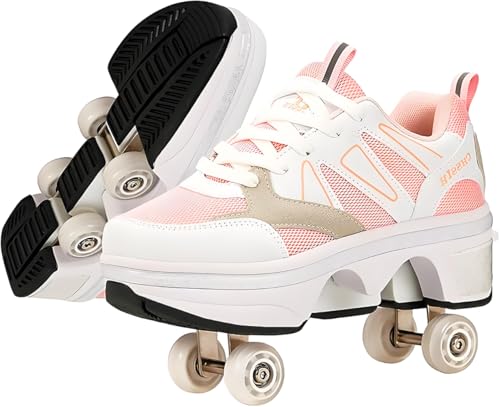
- 【SNEAKER SKATES】 Unique skates combine styles and functions. They can...
- 【SHOES WITH WHEELS 】 Locate the invisible buttons on the back, adjust...
- 【TENIS CON RUEDAS】 The upper is made of breathable mesh material...
What I Look for When Buying New Roller Skates
After years of skating, I’ve learned what actually matters for a good first experience. Forget the fancy specs and focus on these few things.
Boot Stiffness and Ankle Support
I always check how much the boot bends when I push on the ankle. A little flex is good, but it shouldn’t collapse sideways. That stiffness is your safety.
For beginners, a high-top boot is non-negotiable. It’s that extra support that prevents sprains while you’re learning to balance.
The Right Wheel Hardness
Wheels have a durometer rating, like 78A or 101A. Softer wheels (lower number) grip more and absorb bumps. Harder wheels are faster but slippery.
For street skating, I always go with softer wheels. They make rough pavement feel smoother and give you more control when you’re starting out.
A Good, Adjustable Fit
Your skate should fit like a firm handshake, not a tight squeeze. You should be able to wiggle your toes, but your heel shouldn’t lift.
Look for skates with a lace-up closure and a solid strap or buckle. This lets you customize the tightness in different areas of your foot for the perfect hold.
The Mistake I See People Make With Stiff Skates
The biggest mistake is giving up too soon. People feel that initial stiffness, take one awkward lap, and decide skating isn’t for them. They blame themselves or think they bought bad skates.
They don’t realize every good skate needs a break-in period. That rigid feel is by design. Your job isn’t to fight it, but to work with it patiently.
Instead of returning them, wear them at home. Loosen the trucks a tiny bit. Give it a few short sessions. The skate will change, and so will your comfort.
If you’re tired of blisters and sore feet from the break-in struggle, I get it. I finally found a pair that offered support without the painful break-in, which is why the ones I sent my sister to buy worked so well:
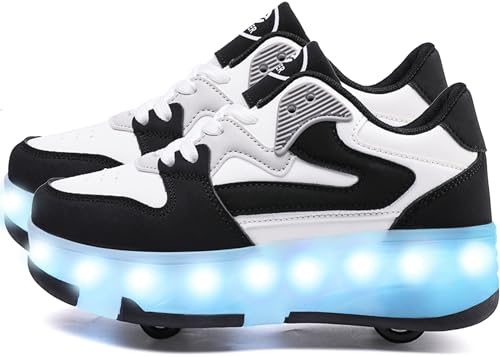
- Upgraded 4-wheel Roller Shoes for Kids: Aikuass roller skate shoes with a...
- LED wheelies shoes rechargeable: These rechargeable LED light-up kids...
- Multifunctional Kids Footwear: Two-wheeled shoes, four-wheeled shoes, flat...
How to Tell When Your Skates Are Finally Broken In
You’ll know the break-in is complete when the skate starts to feel like an extension of your foot, not a separate tool. The stiffness doesn’t disappear, but it becomes supportive instead of restrictive.
For me, the biggest sign is effortless movement. You stop thinking about the skate itself. You can bend your knees and push off without feeling like you’re fighting the boot’s resistance.
Another clear signal is comfort. The hot spots and pressure points that caused blisters during the first few wears should be gone. The padding has molded to your unique shape.
Finally, you’ll feel stable and in control. The skate will hold your ankle firmly on turns, but it will flex with you as you move. That’s the perfect balance you’ve been working toward.
My Top Picks for Managing That Initial Stiffness
Based on my experience, these two skates handle the new-skate stiffness in a way that’s great for beginners. They offer the right support without being impossible to break in.
Chicago Skates Bullet Speed Quad Roller Skates for Youth — Classic Support That Breaks In Reliably
The Chicago Bullet is a classic for a reason. I like its sturdy vinyl boot because it provides solid ankle support for new skaters but softens predictably. It’s perfect for a teen or adult beginner who needs that traditional, secure feel. The trade-off is it requires a dedicated break-in period, but it’s worth it.
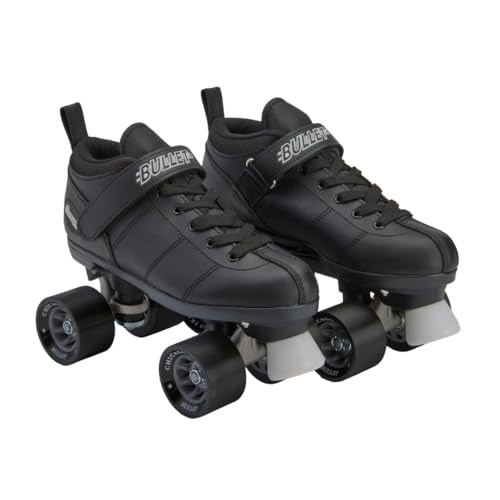
- BUILT FOR SPEED & CONTROL: These roller skates feature double-action...
- SECURE FIT & COMFORT: Designed for women and men, these bullet speed roller...
- STEADY PERFORMANCE: Built for a secure ride, these bullet speed roller...
2PM SPORTS Light-Up Wheels Adjustable Roller Skates for Kids — A Softer Start for Growing Feet
I recommend the 2PM SPORTS skates for younger kids. The boot material is a bit more flexible from the start, which helps with the initial stiffness frustration. The light-up wheels are a huge motivator. It’s the perfect fit for a child who needs encouragement to keep skating through the break-in. The trade-off is they offer slightly less long-term support than a rigid boot.
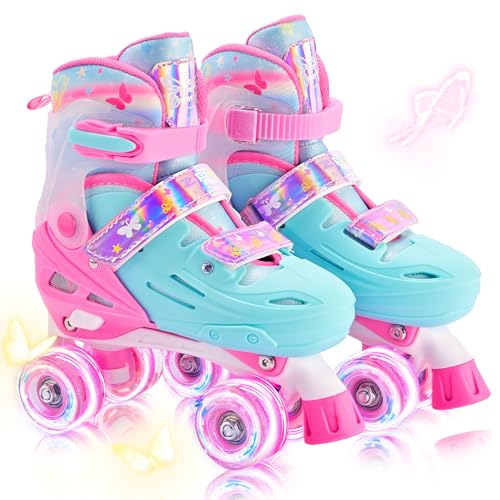
- SAFETY & COMFORT: Upgraded hard shell shields toes from impacts, while soft...
- HIGH-PERFORMANCE BUILD: Integrated frame enhances stability, paired with...
- MAGICAL BUTTERFLY SPARKLE: Self-powered LED lights flash during...
Conclusion
Remember, that initial stiffness in your new roller skates is a sign they’re built to protect you while you learn.
Go put your skates on right now and wear them for 20 minutes while you relax at home—that simple act is the fastest way to start molding them to your feet and building your confidence.
Frequently Asked Questions about Why New Roller Skates Are Going To Be Pretty Stiff At First
How long does it take to break in new roller skates?
It usually takes about 10 to 15 hours of wear. This isn’t all at once. Break it up into shorter sessions over a week or two.
Wearing them at home while watching TV counts! The heat from your feet and the gentle flexing will speed up the process significantly.
What is the best roller skate for a beginner who is worried about stiffness and ankle support?
You need a skate that offers real support but won’t feel like a cast forever. That balance is key for building confidence without pain.
Look for a sturdy high-top boot. For a reliable first pair that breaks in well, I often point people to what finally worked for my niece when she was starting out.
- SAFETY & COMFORT: Upgraded hard shell shields toes from impacts, while soft...
- HIGH-PERFORMANCE BUILD: Integrated frame enhances stability, paired with...
- MAGICAL BUTTERFLY SPARKLE: Self-powered LED lights flash during...
Can I make my skates less stiff by loosening them?
Yes, but only in specific ways. You can safely loosen the truck nuts a quarter-turn to help with turning. This makes a huge difference.
Never try to soften the boot itself by bending it violently. You could damage its support structure. Let it mold naturally to your foot shape.
Are stiff skates bad for my feet or ankles?
No, they are actually good for them when you’re learning. Stiffness provides crucial support that prevents your ankle from rolling over.
As your muscles get stronger and the skate breaks in, you’ll gain flexibility. The initial stiffness protects you while you develop those stabilizer muscles.
Which roller skates for kids won’t be too stiff and frustrating for them to learn on?
This is a great question. A skate that’s impossibly stiff can make a kid want to quit. You want something supportive but with a slightly softer flex.
An adjustable skate with a bit more give can help. For keeping my own kids motivated, the ones I grabbed for my kids worked because the light-up wheels made the break-in period fun.

- 【Kick Roller Shoes for Women/Men】You can adjust roller skates, Skates...
- 【Parkour Shoes High-Quality Materials】Use comfortable and breathable...
- 【Safer and Stable Skating Shoes】 The brake technology of roller skates...
Should my skates still be stiff after breaking them in?
They should not feel like bricks, but they won’t be floppy. The right amount of stiffness remains to provide lateral (side-to-side) support.
You’ll have flexibility to bend your knees and move forward, but the boot will firmly hold your ankle upright when you put weight on the edges.