Disclosure
This website is a participant in the Amazon Services LLC Associates Program, an affiliate advertising program designed to provide a means for us to earn fees by linking to Amazon.com and affiliated sites.
Starting with stiff new roller skates can feel frustrating and wobbly. I remember my first pair; they felt like blocks of wood on wheels. Breaking them in is a crucial first step for any beginner’s comfort and control.
Stiffness is actually a design feature for support, not a flaw. The key is to safely soften them up where it counts, focusing on the ankle cuff and pivot points, to transform that rigid feel into responsive skating.
Are Your Kid’s Stiff Roller Skates Making Them Want to Quit Before They Even Start?
I’ve seen it with my own kids. Stiff, unforgiving skates make learning a wobbly, frustrating chore. They fight the boot instead of learning to balance and roll. These 2PM SPORTS skates solve that with a flexible, supportive boot and soft, grippy wheels that build confidence from the very first glide.
To get them rolling happily, we switched to: 2PM SPORTS Light-Up Wheels Adjustable Roller Skates for Kids
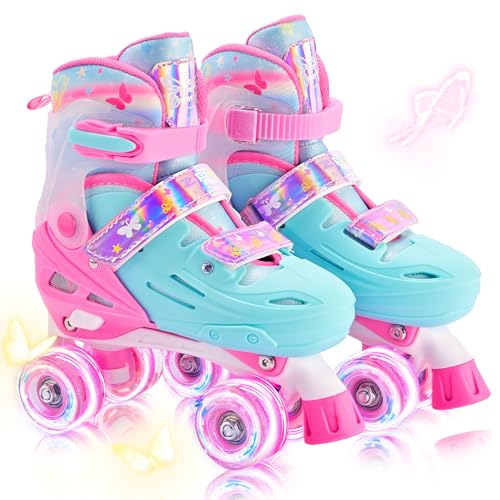
- SAFETY & COMFORT: Upgraded hard shell shields toes from impacts, while soft...
- HIGH-PERFORMANCE BUILD: Integrated frame enhances stability, paired with...
- MAGICAL BUTTERFLY SPARKLE: Self-powered LED lights flash during...
Why Breaking In Your Skates Is So Important
I see a lot of beginners give up because their skates hurt. It’s not a lack of skill. It’s often just painful, stiff boots that make every move a battle.
You bought these skates for fun, not for blisters and frustration. When your ankles are fighting the plastic, you can’t relax. You can’t learn to balance or turn properly.
The Real Risk of Stiff Ankle Support
That rigid support feels safe at first. But in my experience, it creates a false sense of security. Your foot is locked, but your whole leg isn’t connected to the movement.
This leads to a common beginner fall. You lean forward, but your stiff ankle won’t bend with you. Suddenly, you’re pitching over the toe stops. I’ve seen it happen to my kids and their friends.
It feels like the skate betrayed you. That shake in your knees afterward isn’t just from the fall. It’s from not trusting your gear.
From Wobbly Starts to Confident Glides
The goal is to make the skate an extension of your foot. A broken-in boot moves when you move. It lets your body’s natural adjustments happen.
Think about the difference between walking in new dress shoes versus your favorite sneakers. One is a stiff chore. The other feels natural and easy. We want your skates to feel like those trusted sneakers.
When your skates finally soften up, everything changes. Stopping becomes intentional, not a desperate grab for balance. You start gliding instead of just marching along.
Simple Steps to Start the Process
You don’t need special tools to begin. Start by wearing your skates at home. Just sit on the couch and lace them up for 20 minutes while you watch TV.
Flex your ankles forward and side-to-side gently. Listen for the creaks. That’s the sound of the materials starting to give. Focus on these three areas first:
- The top of the ankle cuff where it presses on your shin.
- The plastic “hinge” area near your ankle bone.
- The heel pocket where your foot first slides in.
Do this a few times before you even hit the pavement. It builds comfort and saves you from that first-session misery we’ve all felt.
Practical Methods to Soften Your Roller Skate Boots
Honestly, you don’t need to suffer through weeks of pain. A few simple tricks can speed up the break-in process dramatically. We used these on my daughter’s first pair.
Heat Molding for a Custom Fit
This sounds fancy, but it’s simple. Heat helps the plastic and padding mold to your unique foot shape. You can use a hairdryer on a low, warm setting.
Wear thick socks and lace up your skates. Gently warm the stiff areas for a minute or two. Then flex your ankle repeatedly while the material is warm and pliable.
Let them cool completely on your foot. This creates a memory in the boot that matches your movement. It’s a major improvement for the ankle collar.
Strategic Lacing for Immediate Relief
How you lace can relieve pressure points instantly. Skip the eyelet right over your ankle bone if it’s digging in. This creates a window for your bone.
For a stiff tongue, try the “bar lacing” method. It spreads pressure more evenly across the top of your foot. You can find easy tutorials online.
Never crank the laces equally tight from toe to top. Keep them snug over your foot, and a bit looser at the flexible ankle area when you’re starting out.
Using Your Body Weight to Break Them In
Stand on a carpet or grass in your skates. Practice deep knee bends and gentle lunges. Your body weight will push the boot into its natural flex points.
Rock forward onto your toes, then back onto your heels. Do this for five minutes a day. You’ll feel the resistance start to lessen.
Focus on movements that mimic real skating. This breaks in the boot exactly where you need it, not just randomly.
If you’re tired of blisters and feeling like you’re fighting your gear every time you skate, a better-fitting boot is the real fix. I finally sent my sister to buy these skates that worked for us when her beginner pair just wouldn’t break in:
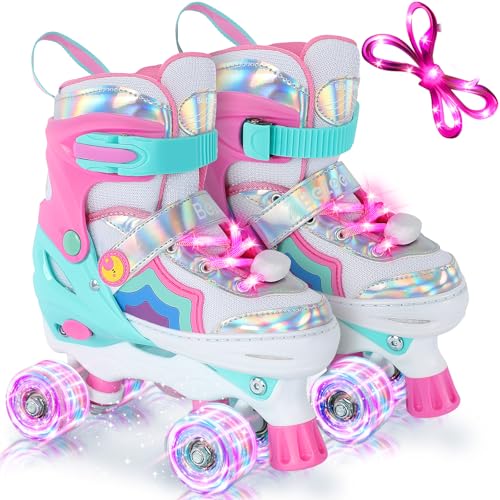
- Colorful Light-Up Wheels & Bonus Glowing Shoelaces: All 4 high-quality PU...
- 4 Size Adjustable Roller Skates for Growing Feet: Our roller skates feature...
- Smooth Ride & 4-wheeled Design: Our girls skates equipped with...
What I Look for When Buying Beginner Roller Skates
Choosing your first pair can be overwhelming. Forget the fancy specs. Here’s what actually matters for a comfortable, easy start.
A Boot with Some Pre-Flex
Hold the skate in your hands and gently push the ankle forward. It should have a little give already. A completely rigid boot will take forever to break in.
Look for models that mention a “flexible cuff” or “easy break-in.” This means the designers thought about beginner comfort from the start.
Padding in the Right Places
Check the inside around the ankle bone and the Achilles tendon. These are your big pressure points. Good padding here prevents immediate blisters.
My rule is simple: if it feels stiff and thin on the store shelf, it will feel worse on your foot after twenty minutes of skating.
Adjustable Trucks for Stability
Trucks are the metal parts under the boot that hold the wheels. If they’re too loose, you’ll wobble. If they’re too tight, you can’t turn.
Make sure they have a simple adjustment nut. This lets you dial in the perfect stability as your skills grow, which is crucial for confidence.
A Supportive But Not Stiff Tongue
The tongue is the padded flap under the laces. It should be thick enough to protect your foot from lace bite, but not so stiff it feels like a board.
Press on it. A good tongue will cushion your finger. This small part makes a huge difference in all-day comfort.
The Mistake I See People Make With Stiff Skates
People think they just need to “tough it out” and skate through the pain. I did this too. You end up with blisters and a hatred for your new hobby.
The pain isn’t building character. It’s your body telling you the boot isn’t flexing where it needs to. Forcing it can actually break down the boot’s structure in the wrong places.
Instead, break them in off-skates first. Wear them while you’re sitting down. Do ankle rolls and bends on a soft carpet. This targets the stiffness without the risk of a bad fall.
If you’re worried you bought the wrong skates and wasted your money on gear that will never feel right, a better-built beginner boot is the answer. I grabbed what finally worked for my kids after our first pair was a disaster:
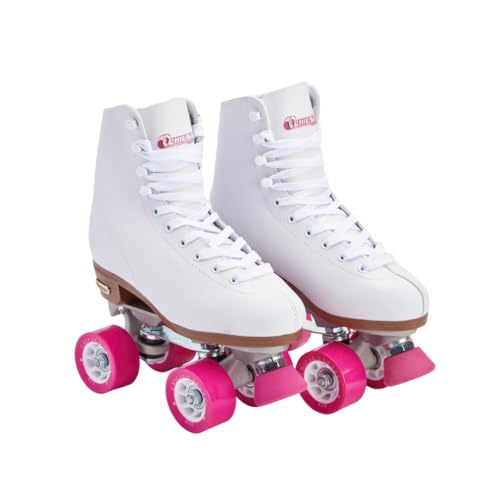
- DURABLE & SAFE PERFORMANCE: Built tough for all surfaces, these roller...
- STABLE HIGH-CUT, LACE-UP SKATES: Built for confident performance, the...
- COMFORT & SUPPORT: Experience long-lasting comfort with a interior lining...
Your Wheels Are Part of the Solution
We focus so much on the boot, but the wheels matter too. Harder wheels make every bump and vibration travel right up a stiff boot into your ankles. It feels unforgiving.
Softer wheels act like shock absorbers. I switched my beginner skates to a 78A durometer wheel, and it was a night-and-day difference. The ride became smoother and quieter instantly.
This doesn’t soften the boot, but it changes the entire feel. You get more grip and stability, which builds confidence. A wobbly beginner on hard wheels is fighting two battles at once.
Look for “outdoor” or “hybrid” wheels. They’re designed to be softer and more forgiving. This one swap can make your existing stiff skates feel more manageable while you break them in.
It’s a simple upgrade that pays off immediately. You’ll spend less energy fighting the ground and more energy learning to skate. Trust me, it’s worth the small investment.
My Top Picks for Easier Beginner Skates
After trying many skates with my kids and friends, two models stand out for making the first steps easier. They’re built with beginner comfort in mind from the start.
Chicago Rink Roller Skates for Girls and Boys with Padded — The Classic, Reliable Starter
The Chicago Rink skates are a fantastic first pair because the padding is in all the right spots. I love that the ankle collar has a soft, pre-broken-in feel that doesn’t dig into your shins. It’s perfect for kids or adults who want a traditional skate look without the traditional break-in pain. The trade-off is they are a bit heavier than some modern designs.
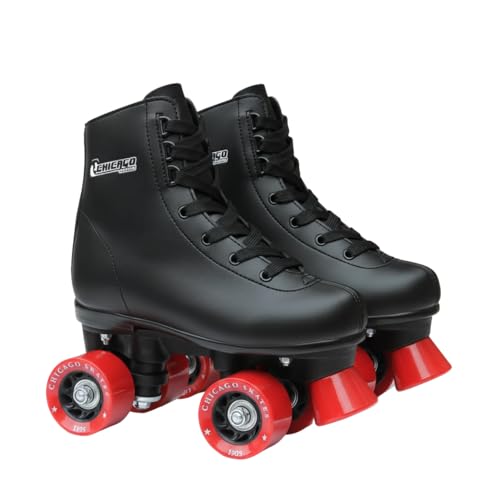
- DURABLE & SAFE PERFORMANCE: These quad roller skates for kids feature vinyl...
- STABLE HIGH-CUT, LACE-UP SKATES: These quad roller skates for kids feature...
- COMFORTABLE CUSHION PADDING: These quad rink roller skates for kids are...
MGYOLED Roller Skates for Little Kids 4 Size Adjustable — The Smart, Growing Fit
MGYOLED adjustable skates solve the stiffness problem by growing with your child’s foot. What I like most is the easy push-button sizing, so you never buy a size too big hoping they’ll grow into it. This is the perfect fit for fast-growing kids who need a secure, not-too-stiff boot. The honest trade-off is the adjustable mechanism adds a bit of weight.
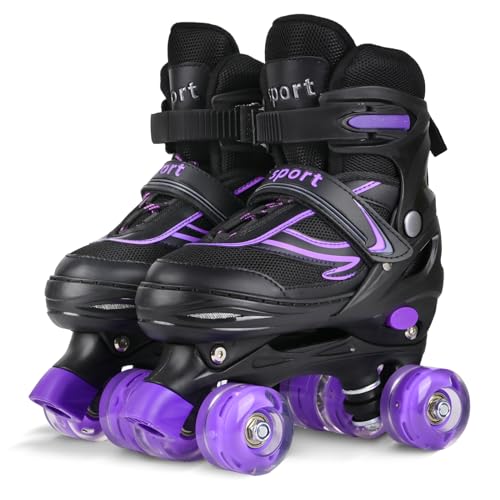
- [ 4 Size Adjustable ] MGY’s rolller skates with 4 sizes can be adjusted...
- [ Comfort and durability ] In order to ensure the stability of shoes during...
- [ 8 Illuminating Wheels ] When the kids start skating, the wheels will...
Conclusion
The most important thing is to stop fighting your skates and start working with them. A little targeted softening makes all the difference between frustration and fun.
Go put your skates on right now and just flex your ankles while sitting on the couch for ten minutes. You’ll feel them start to give, and that small win builds the confidence for your next roll.
Frequently Asked Questions about How To Make Stiff Roller Skates Easier To Use For Beginners
How long does it take to break in stiff roller skates?
It depends on the boot material and how often you wear them. With daily wear, most skates start to feel comfortable after 5 to 10 hours of use. Don’t try to do it all in one painful session.
Breaking them in off-skates first, like wearing them while watching TV, can cut this time in half. The key is consistent, gentle pressure over time, not brute force.
What are the best beginner roller skates for someone who needs comfort right away?
You need a boot designed with padding and a bit of pre-flex. Many beginners buy skates that are too stiff because they look supportive, but they cause immediate blisters.
Look for models that mention “padded collar” or “easy break-in.” For a reliable start, I sent my sister to buy these skates that worked for us because the ankle area is already softened.
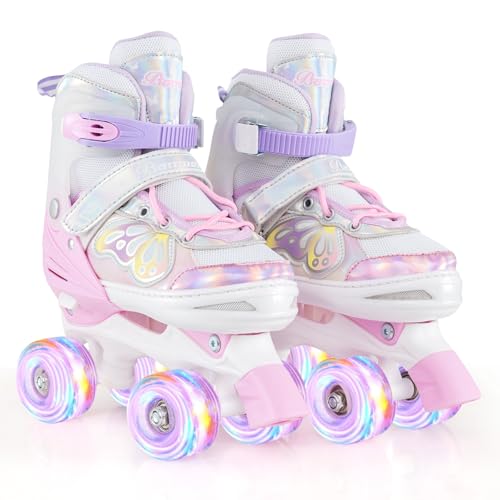
- Cool Illuminated Wheels: Whether cruising on neighborhood sidewalks or...
- Triple Safety Protection: The kids roller skates are built with dependable...
- Comfortable & Smooth Skating: Combining breathable honeycomb mesh, a soft...
Can I use oil or conditioner to soften my skate boots?
I don’t recommend it for modern synthetic boots. Oils can degrade the glue holding the boot together and damage the stitching. It might make the material too soft and unsupportive.
Stick to heat and body weight methods. For leather skates, a specific leather conditioner applied sparingly can help, but always test it on a small hidden area first.
Which adjustable roller skates won’t let me down for a fast-growing child?
You need a skate that grows securely without being clunky or too stiff. A poor adjustable mechanism can feel wobbly and undermine a child’s confidence on wheels.
The best ones have a simple, solid adjustment system. For my fast-growing niece, I grabbed what finally worked for my kids because the size locks are easy and the boot stays supportive.
- [ 4 Size Adjustable ] MGY’s rolller skates with 4 sizes can be adjusted...
- [ Comfort and durability ] In order to ensure the stability of shoes during...
- [ 8 Illuminating Wheels ] When the kids start skating, the wheels will...
Should I loosen my trucks to make skating easier?
Yes, but only a little. Looser trucks make turning easier, which can help you feel more in control. If they’re factory-tight, you have to lean very hard to steer.
Use a skate tool to give each truck nut a quarter-turn counter-clockwise. Test it on a safe surface. Your skates should turn smoothly when you lean, not just roll straight.
My skates hurt the top of my foot. What can I do?
This is often “lace bite” from a stiff tongue or laces pulled too tight. It’s a common pressure point that makes skating miserable after just a few minutes.
Try skipping the eyelet directly over the painful spot when you lace up. You can also buy a gel tongue pad or simply wear thicker socks to cushion the area.