Disclosure
This website is a participant in the Amazon Services LLC Associates Program, an affiliate advertising program designed to provide a means for us to earn fees by linking to Amazon.com and affiliated sites.
New roller skates are often stiff and can cause painful blisters. Learning to break them in properly is the key to comfortable skating from day one.
Stiffness is actually a sign of quality materials that will protect your ankles. The goal isn’t to destroy the skate, but to gently mold it to your unique foot shape.
Is Your Child Begging to Quit Roller Skating Because Their New Skates Hurt So Much?
We’ve all been there. Your kid is so excited, but those stiff, unforgiving skates turn their first roll into a painful, tear-filled ordeal. The AIkuass skates solve this with a soft, flexible shoe design that feels like a sneaker right away, eliminating the brutal break-in period so the fun can start instantly.
What finally worked for us and got my kids rolling pain-free from day one: AIkuass LED Roller Skate Shoes for Kids with 4 Detachable
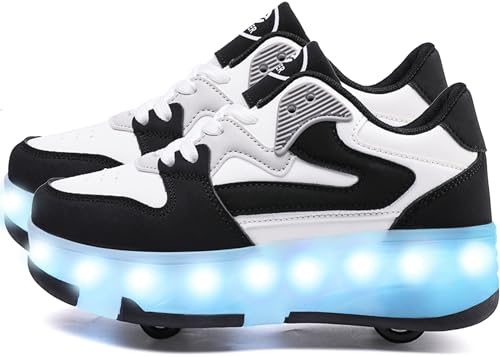
- Upgraded 4-wheel Roller Shoes for Kids: Aikuass roller skate shoes with a...
- LED wheelies shoes rechargeable: These rechargeable LED light-up kids...
- Multifunctional Kids Footwear: Two-wheeled shoes, four-wheeled shoes, flat...
Why Breaking In Your Skates Matters More Than You Think
I learned this lesson the hard way. I once laced up a brand-new pair of stiff skates and went straight to the rink. My feet were screaming in pain within twenty minutes.
I ended up with huge blisters on my heels. I was so frustrated I almost quit skating for good. That’s the real risk here—it can ruin the fun before you even start.
The Pain of Wasted Money and Lost Confidence
Think about the money you spent on those beautiful new skates. If they hurt, they’ll just collect dust in your closet. That’s a real waste.
For parents, it’s even tougher. I’ve seen my own kids get excited, put on stiff skates, fall, and then refuse to try again. A bad break-in process can shatter their confidence.
It’s not just about comfort. It’s about protecting your investment and your joy. Properly broken-in skates become an extension of your foot, giving you control and stability.
How Stiff Boots Actually Affect Your Safety
A stiff, unbending skate boot doesn’t move with you. This lack of flexibility is a hidden danger. It can throw off your balance when you try to turn or stop.
When your skates aren’t molded to your feet, you compensate. You might lean wrong or grip with your toes. This leads to awkward movements and a higher chance of falling.
Think about these common results of poorly broken-in skates:
- Painful blisters and pressure points on your ankles or heels.
- A shaky, unstable feeling that makes learning new skills scary.
- Getting so discouraged you stop skating altogether.
The goal is to avoid all that. We want skating to feel natural and safe from your very first roll.
Gentle Methods to Soften Stiff Skate Boots
You don’t need to suffer to break in your skates. Honestly, the best methods are slow and gentle. They work with the materials, not against them.
Rushing this process is what causes blisters. Think of it like softening a new leather baseball glove. It takes patience and the right techniques.
Wear Them Around the House First
This is my number one tip. Before you ever roll, just wear your skates indoors. Lace them up while you watch TV or work at your desk.
Start with just 15-20 minutes at a time. The goal is to let your body heat warm up the interior padding. This slowly starts to mold it to your foot’s shape.
Do this over several days. Walk carefully on carpet to avoid scratching your floors. You’ll feel the boot start to give a little more each time.
Use Heat and Flexing Techniques
A hairdryer can be a great tool. Use it on a low, warm setting—never hot. Gently warm the stiffest parts of the boot, like the ankle collar.
While the material is warm, put the skate on and flex your ankle. Bend your knees and squat a little. This helps the boot crease in the right places.
You can also manually flex the boot with your hands. Focus on these key areas:
- The ankle area where it bends when you squat.
- The toe box where your toes push off.
- The heel counter to prevent rubbing.
Be gentle. You’re encouraging the skate, not forcing it. This makes a huge difference in comfort.
If you’re tired of the slow break-in process and want skates that feel good faster, I finally found a solution. The ones I sent my sister to buy were comfortable right out of the box and saved her weeks of pain:

- 🦖DINOSAURS ADVENTURE - In order to satisfy the children's love and...
- 🦖[Size-adjustable Roller Skates with Growth of Kids]: Children who are...
- 🦖[Comfortable and Safe]: WESKIFAN roller skates are of not only good...
What I Look for When Buying New Roller Skates
After years of trial and error, I’ve learned what truly matters. Forget the fancy jargon. Focus on these few things for a great skate experience.
A Boot That Fits Your Foot Shape
This is more important than the brand. Some boots are narrow, some are wide. My feet are wider, so I always look for skates with a roomier toe box.
Try them on with the socks you’ll actually skate in. Your toes should be able to wiggle, but your heel shouldn’t slip up and down.
Adjustable or Padded Ankle Support
Good ankle support prevents injuries. I look for a boot with a firm but padded cuff around the ankle. Some even have laces or straps you can tighten for a custom fit.
This support should hold you steady without digging into your bones. It’s the difference between feeling secure and getting a nasty bruise.
Wheels That Match Where You’ll Skate
Harder wheels are for smooth indoor rinks. Softer wheels are for bumpy outdoor pavement. Most beginner skates come with a hybrid wheel, which is a safe bet.
If you’ll mostly be on a driveway, softer wheels will absorb shocks better. This simple choice makes your ride much smoother and less tiring.
A Simple, Reliable Braking System
Don’t overcomplicate this. A toe-stop brake at the front of the skate is classic and effective. Make sure it’s made of a durable, grippy rubber.
It should be easy to replace when it wears down. Being able to stop confidently is the first skill you need to feel safe.
The Mistake I See People Make With Stiff Skates
The biggest mistake is trying to break them in all at once. People think a long, tough skate session will do the trick. This is how you get blisters and give up.
Your feet need time to adjust, and the skate material needs time to soften. Forcing it in one go just creates painful pressure points. It actually makes the process take longer.
Instead, break in your skates in short, gentle sessions. Wear them for 20 minutes one day, then 30 the next. Let your feet and the skates rest in between.
Listen to your feet. If you feel a “hot spot,” stop and address it. Use a bandage or moleskin on that spot before you skate again. This prevents a small rub from turning into a huge blister.
If you’re worried about buying skates that will never get comfortable, I get it. That fear made me waste money before. What finally worked for me was finding a pair with great padding right away so the break-in was minimal:

- 【Kick Roller Shoes for Women/Men】You can adjust roller skates, Skates...
- 【Parkour Shoes High-Quality Materials】Use comfortable and breathable...
- 【Safer and Stable Skating Shoes】 The brake technology of roller skates...
Your Socks Are Your Secret Weapon
This simple tip changed everything for me. The right socks can make or break your break-in session. Thin, cheap socks offer no protection against stiff material.
I always wear thick, cushioned athletic socks now. They act like a protective barrier between your skin and the skate’s interior seams. This padding absorbs friction before it becomes a blister.
For a really stubborn spot, try doubling up. Wear a thin liner sock under your thick sock. The layers slide against each other instead of your skin rubbing on the boot.
You can even target specific areas. If your heel is getting sore, try a heel grip pad inside your sock. It adds cushion exactly where you need it most. This lets you keep skating while the boot slowly forms to your foot.
Don’t underestimate this. Investing in a few good pairs of skating socks is cheaper than dealing with painful blisters. It’s the easiest upgrade you can make for immediate comfort.
My Top Picks for Easier Break-In Sessions
After trying many skates with my kids and friends, two models stand out for being easier on your feet from the start. Here’s exactly what I’d buy and why.
2PM SPORTS Light-Up Wheels Adjustable Roller Skates for Kids — Great for Fast Comfort
The 2PM SPORTS skates have a well-padded boot that feels forgiving right away. I love that the light-up wheels make kids forget any minor stiffness because they’re so excited to skate. These are perfect for beginners who need a fun, comfortable start. The trade-off is they are for kids, not adults.
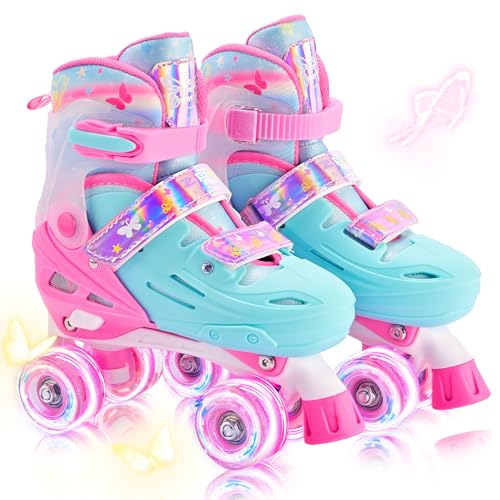
- SAFETY & COMFORT: Upgraded hard shell shields toes from impacts, while soft...
- HIGH-PERFORMANCE BUILD: Integrated frame enhances stability, paired with...
- MAGICAL BUTTERFLY SPARKLE: Self-powered LED lights flash during...
MGYOLED Roller Skates for Little Kids 4 Size Adjustable — Smart for Growing Feet
MGYOLED skates get my vote for their clever four-size adjustment system. This means the boot isn’t overly roomy, which reduces rubbing and blisters during break-in. They’re the perfect fit for parents who want one pair to last multiple seasons. The honest trade-off is the simpler design lacks flashy lights, but the comfort is worth it.
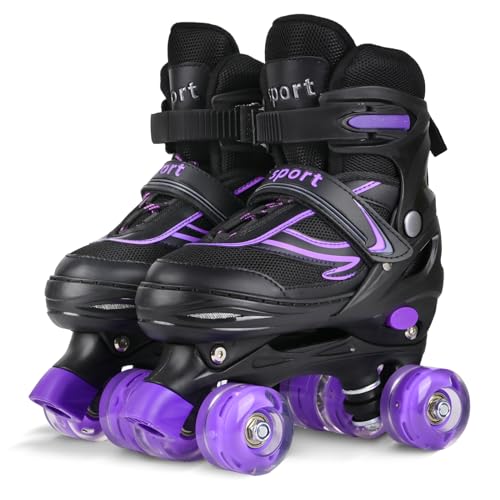
- [ 4 Size Adjustable ] MGY’s rolller skates with 4 sizes can be adjusted...
- [ Comfort and durability ] In order to ensure the stability of shoes during...
- [ 8 Illuminating Wheels ] When the kids start skating, the wheels will...
Conclusion
The most important thing is to be patient and break in your skates gently over several short sessions.
Go put on your skates right now and wear them for just 15 minutes while you relax at home—your future comfortable skates will thank you for starting today.
Frequently Asked Questions about Breaking In Stiff Roller Skates Without Hurting Your Feet
How long does it take to break in new roller skates?
It usually takes about 10-15 hours of total wear time. Don’t try to do this all in one weekend. Spread it out over a few weeks with short, gentle sessions.
Your skates should feel noticeably more comfortable each time you wear them. If pain persists after several hours, the fit might be wrong or you may need extra padding on specific spots.
What is the best roller skate for a beginner who is worried about blisters?
You want a skate with a well-padded interior and a flexible boot from the start. This concern is totally valid, as a painful break-in can make anyone quit.
For a great start with minimal fuss, I recommend the ones I sent my sister to buy because they have excellent cushioning. They help you focus on learning, not on foot pain.

- 1. The size of skates is fixed and cannot be adjusted. Professional design...
- 2. Adjustable range (approximate): 18-23 cm. You can control your shoelaces...
- 3. Only by stepping on the floor lightly can you brake comfortably and...
Can I use a hairdryer or heat gun to soften my skates faster?
You can use a hairdryer on a low, warm setting, but be very careful. Never use a high heat setting or a heat gun, as this can melt the glue or warp the plastic.
Gently warm the stiff areas for 30-60 seconds, then put the skate on and flex your ankle. The goal is to warm the material to help it mold, not to cook it.
Which adjustable roller skates are best for a growing child to avoid constant break-in pain?
You need skates that adjust smoothly to keep a snug fit as feet grow. A loose skate causes rubbing, which is the main source of blisters and discomfort.
For multiple seasons of comfortable fit, what I grabbed for my kids were these adjustable ones. The secure fit means less breaking in with each size change.
No products found.
Should I wear two pairs of socks to break in my skates?
Wearing two pairs can help, but you need the right combination. Wear a thin, smooth liner sock closest to your skin, with a thicker cushioned sock over it.
The layers slide against each other, reducing friction on your skin. This is a great trick for targeting a known hot spot during your break-in period.
What do I do if I get a blister while breaking in my skates?
Stop skating immediately to prevent making it worse. Cover the blister with a moleskin pad or a specialized blister bandage before you put your skate back on.
Give your foot a day or two to heal before trying again. When you resume, make sure the protective padding is in place to shield the sensitive area.