Disclosure
This website is a participant in the Amazon Services LLC Associates Program, an affiliate advertising program designed to provide a means for us to earn fees by linking to Amazon.com and affiliated sites.
Roller skating outdoors is fun, but cracks and rough textures can turn a smooth ride into a shaky, dangerous one. these hazards is key to staying safe and having a good time.
Even a small crack can catch your wheel and stop you instantly, while rough asphalt can make your skates vibrate uncontrollably. This isn’t just annoying; it’s a real risk for falls and injuries.
Ever Feel Like Every Crack and Bump Is Trying to Trip You Up?
I used to dread rough pavement. A tiny crack could send a jarring shock up my legs or catch my wheel, ruining my flow and confidence. These Parkstar skates changed that. Their stiff, supportive suede boot and responsive aluminum plate give me the control and stability to roll over obstacles, not get stopped by them.
To finally skate over rough ground with confidence, I switched to: Bont Parkstar Black Suede Professional Roller Skates for

- Skate boots are not like your average shoe. For maximum control, your boots...
- The ParkStar Roller Skate is a perfect professional skate for mens roller...
- Taking the best of Bont innovation and turning it into a roller skate...
Why Rough Pavement Is A Skater’s Worst Enemy
You might think a little bump is no big deal. I did too, until I learned the hard way. It’s not just about a shaky ride; it’s about control and confidence.
When your wheels hit a crack, your whole body reacts. Your ankles wobble, your knees lock up, and your brain goes into panic mode. That split-second fear ruins the fun.
The Real Cost Of A Bad Fall On Rough Ground
I remember pushing my daughter on her new skates. We hit a patch of broken concrete I didn’t see. Her wheel caught, and down she went.
It wasn’t just a scraped knee. She was so scared, she didn’t want to skate again for weeks. We wasted that excitement and the money on those cute skates.
That’s the real cost. It’s the lost joy, the shaken confidence, and the gear that just sits in the closet.
How Surface Textures Steal Your Stability
Think about riding over a gravel driveway or old, bumpy asphalt. Your feet and legs are buzzing from the vibration. This is your skates fighting for traction.
When the surface is inconsistent, your wheels can’t roll smoothly. They stutter and slip. This forces you to tense your muscles the whole time, which is exhausting and unsafe.
Common textures that cause this trouble include:
- Tree root bumps lifting the sidewalk
- Gaps between concrete slabs
- That rough, pebbly finish on some bike paths
- Patchy asphalt repairs and tar snakes
Each one asks your body to make a tiny correction. After a hundred corrections, you’re just tired and wobbly.
Choosing The Right Outdoor Skates For Rough Surfaces
You can’t change the sidewalk, but you can change your skates. The right gear makes all the difference. It turns a scary ride into a smooth cruise.
I learned this after watching my kids struggle. We switched their wheels and boots, and suddenly they were smiling. The pavement didn’t win anymore.
Why Wheel Size And Hardness Matter Most
Bigger, softer wheels are your best friend outside. Think of them like monster truck tires. They roll over cracks and pebbles instead of getting stuck.
A hard, small wheel will vibrate and catch on everything. A soft, large wheel absorbs the shock. For most outdoor skating, I look for wheels around 78A hardness.
They just glide. You feel bumps as a gentle rumble, not a jarring stop.
Boot And Truck Features For Better Control
Your boot needs to support your ankle. A flimsy boot lets your foot roll on uneven ground. A high-top or supportive boot keeps you stable.
Also, check the trucks—the metal parts holding the wheels. They shouldn’t be too loose. A little stiffness helps with stability over rough patches.
Good outdoor skates often have:
- A reinforced ankle cuff for support
- Adjustable, responsive trucks
- Breathable material so your feet don’t overheat
These features work together to give you control when the ground tries to take it away.
If you’re tired of feeling every crack and worrying about the next fall, the right setup changes everything. For a smooth, confident ride on real streets, these are the skates I finally bought for my family after too much trial and error:
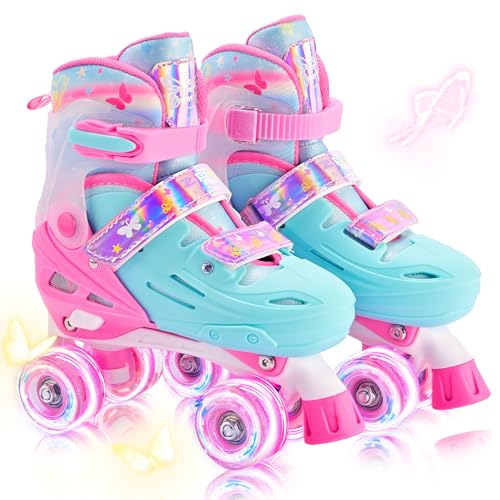
- SAFETY & COMFORT: Upgraded hard shell shields toes from impacts, while soft...
- HIGH-PERFORMANCE BUILD: Integrated frame enhances stability, paired with...
- MAGICAL BUTTERFLY SPARKLE: Self-powered LED lights flash during...
What I Look For When Buying Outdoor Roller Skates
Buying skates can be overwhelming with all the specs. I ignore the jargon and focus on a few key things that actually make skating outside better.
Soft Wheels That Actually Absorb Shock
The wheel hardness number is called durometer. Look for a number around 78A. This means the wheel is soft and squishy.
Hard wheels (like 101A) are for smooth indoor floors. Soft wheels soak up vibrations from rough asphalt so your feet don’t go numb.
A Boot That Holds Your Ankle Secure
You need support, not just style. A boot with a stiff, high cuff prevents your ankle from rolling sideways on uneven ground.
I press on the back of the boot. If it collapses easily, it won’t protect you. It should feel sturdy, like a good hiking boot.
Reliable Brakes You Can Actually Use
Many skates have a toe stop brake. Make sure it’s made of durable rubber, not hard plastic, so it grips the pavement.
It should also be adjustable. You need to be able to lower it as it wears down from use, or you’ll lose your stopping power.
Bearings Rated For Outdoor Grime
Bearings let the wheels spin. Look for ones with a rubber seal, often called “rubber shielded” or “ABEC 5” or higher.
This seal keeps out dirt, sand, and water from the pavement. It makes your skates last longer and roll smoother with less maintenance.
The Mistake I See People Make With Outdoor Skating
The biggest mistake is using indoor skates outside. They are built for a perfectly smooth rink floor. The hard, small wheels are designed for speed and slick turns on wood.
On pavement, those same wheels are a disaster. They transmit every single bump right into your feet and ankles. It makes skating feel jarring and unstable, which is why so many beginners give up.
What to do instead? Get skates designed for outdoor surfaces from the start. Look for the soft wheel and supportive boot combo we talked about. It’s not an upgrade; it’s the basic requirement for having fun on real streets.
If you’re worried about buying the wrong skates again and wasting more money, the solution is simple. I told my sister to skip the guesswork and just get the pair that finally worked for my kids on our bumpy neighborhood sidewalks:
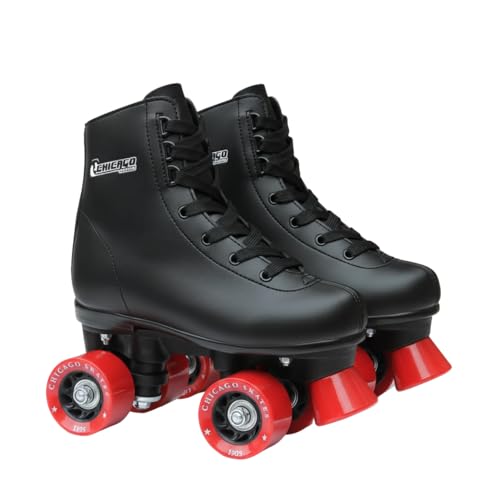
- DURABLE & SAFE PERFORMANCE: These quad roller skates for kids feature vinyl...
- STABLE HIGH-CUT, LACE-UP SKATES: These quad roller skates for kids feature...
- COMFORTABLE CUSHION PADDING: These quad rink roller skates for kids are...
How To Glide Over Cracks Instead Of Getting Stuck
You can’t avoid every crack, but you can learn to roll over them safely. The trick is in your stance and a little speed. It feels scary at first, but it works.
When you see a crack or seam coming up, bend your knees slightly more. Get into a soft, athletic stance. Then, give yourself a gentle push just before you hit it.
This extra bit of momentum helps your wheels roll up and over the obstacle. If you slow down or tense up, your wheels are more likely to catch in the gap. A little speed is your friend.
Practice this on a known crack in your driveway or a quiet sidewalk. You’ll feel the difference immediately. The skate wants to roll; you just have to let it and stay loose.
My Top Picks For Handling Rough Pavement
After skating with my kids on all sorts of surfaces, two setups have truly stood up to the test. Here’s exactly what I’d buy again.
2PM SPORTS Light-Up Wheels Adjustable Roller Skates for Kids — For Growing Kids Who Need Stability
The 2PM SPORTS skates are our go-to because the adjustable size lasts for years. The light-up wheels are a huge hit, but the real win is the soft, grippy wheels that handle sidewalk cracks smoothly. They’re perfect for beginners who need a confidence boost, though the light mechanism adds a tiny bit of weight.
- SAFETY & COMFORT: Upgraded hard shell shields toes from impacts, while soft...
- HIGH-PERFORMANCE BUILD: Integrated frame enhances stability, paired with...
- MAGICAL BUTTERFLY SPARKLE: Self-powered LED lights flash during...
Dilwe Kid Row Skating Shoes Double Roller Skates Sky-Blue — For Easy On-and-Off Convenience
I recommend the Dilwe skates for their incredible convenience. The shoe-style design means no buckles or laces to fuss with; kids just step in. The double-row wheel setup is very stable over rough ground, making them ideal for younger or more cautious skaters. The trade-off is they don’t offer the same precise ankle support as a high-top boot.

- 1. The size of skates is fixed and cannot be adjusted. Professional design...
- 2. Adjustable range (approximate): 18-23 cm. You can control your shoelaces...
- 3. Only by stepping on the floor lightly can you brake comfortably and...
Conclusion
The most important thing is that the right skates turn rough pavement from an enemy into part of the adventure.
Take five minutes right now to look at the wheels on your current skates—if they’re small and hard, you know exactly what’s holding you back from a smoother, safer ride.
Frequently Asked Questions about How Outdoor Cracks And Textures Mess Up Roller Skating
What are the best roller skates for a beginner on rough sidewalks?
You need skates with soft, large wheels and good ankle support. This combo absorbs shock and prevents wobbles on uneven ground. It’s the foundation for a confident start.
Many beginner skates have hard wheels meant for indoor rinks. These will shake you up and make learning frustrating. For a reliable first pair, I’d suggest the adjustable ones that worked for my kids on our neighborhood paths.
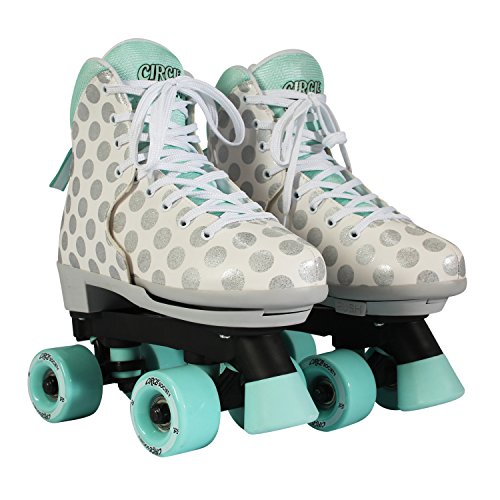
- Easy Adjustable Sizing: The Circle Society Classic Roller Skates feature a...
- Durable and Fun Design: Built with a reinforced figure-style boot and tough...
- Smooth and Versatile Performance: Equipped with 54mm smooth-rolling...
Can I just put outdoor wheels on my indoor skates?
Yes, switching to soft outdoor wheels is a great upgrade. It makes a huge difference in comfort on pavement. You’ll feel fewer vibrations and roll over cracks more easily.
Just make sure the wheels fit your skate’s axle size. Also, remember that indoor skate boots are often less supportive. You might still feel less stable than with a boot made for outdoor use.
How do I stop my wheels from getting stuck in cracks?
Keep a little speed and bend your knees as you approach a crack. Momentum helps you roll over it instead of dropping into it. Staying loose is key.
Also, make sure you’re not using tiny, hard wheels. Larger, softer wheels (around 70mm) are less likely to catch. They bridge the gap better than small ones.
Which roller skates are best for a child who is scared of falling?
Look for maximum stability and easy use. A child who is scared needs to feel secure and in control instantly. This fear is totally normal on bumpy ground.
Double-row (quad) skates are much more stable than inlines. For quick, hassle-free use that builds confidence, the step-in style skates I got for my niece were a major improvement.
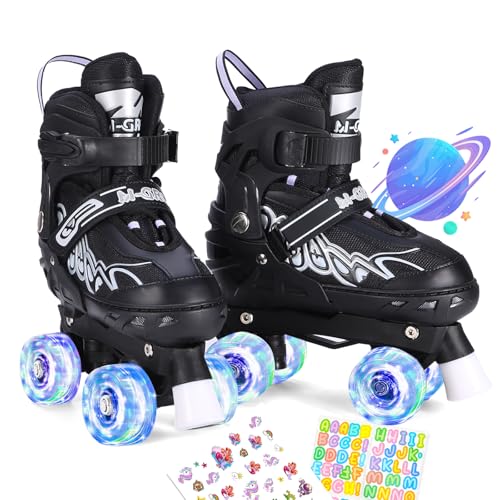
- 【Unicorn Kids Roller Skates Girls With Cute Stickers~Let Kids Love...
- 【Grow with 4 Size Adjustable Boot】 These kids roller skates adjustable...
- 【Beginner Pro Roller Skates~Provide Safety for Sports...
Why do my feet and legs hurt so much after skating outside?
This is usually from vibration and constant muscle tension. Hard wheels on rough asphalt send shock right up your legs. Your body is working overtime to stay balanced.
Softer wheels absorb that shock. Also, make sure your trucks aren’t too loose. A little stiffness helps you skate without making hundreds of tiny, exhausting corrections.
How often should I check my skates for outdoor wear and tear?
Give them a quick look before every skate session. Check for rocks stuck in the wheels and make sure your toe stop is tight. This only takes a minute.
Every few weeks, spin your wheels to listen for gritty bearings. Outdoor dirt gets everywhere. Cleaning and lubricating your bearings regularly will keep your roll smooth.