Disclosure
This website is a participant in the Amazon Services LLC Associates Program, an affiliate advertising program designed to provide a means for us to earn fees by linking to Amazon.com and affiliated sites.
Breaking in new roller skates is a rite of passage, but painful blisters don’t have to be part of the deal. Getting it right means more comfort and confidence from your very first roll.
The secret isn’t just about wearing them; it’s a process of gradual pressure and smart preparation. I learned that treating the skate and your foot as a team is what prevents those raw, sore spots.
Are You Tired of Seeing Your Toddler’s Feet Covered in Blisters After Skating?
It’s heartbreaking when new skates cause painful blisters, making your little one want to quit before they even start. I’ve been there. The WESKIFAN skates solve this with a soft, padded liner and a flexible boot that molds to tiny feet, preventing the harsh rubbing that causes those awful blisters from day one.
For a blister-free start that keeps them rolling, we got the: WESKIFAN Dino Kids Toddler Roller Skates with Light-Up

- 🦖DINOSAURS ADVENTURE - In order to satisfy the children's love and...
- 🦖[Size-adjustable Roller Skates with Growth of Kids]: Children who are...
- 🦖[Comfortable and Safe]: WESKIFAN roller skates are of not only good...
Why Breaking In Skates the Right Way Saves Your Skin
I see a lot of skaters just grit their teeth through the pain. They think blisters are normal. But they really aren’t, and pushing through can ruin your whole skating journey.
The Real Cost of Painful Roller Skates
In my experience, blisters do more than just hurt. They make you scared to put your skates on again. I’ve watched friends buy beautiful new skates, get terrible blisters on their first outing, and then let those skates collect dust in the closet.
That’s wasted money and lost joy. It’s heartbreaking. Your feet should feel supported, not attacked.
How a Bad Start Can Halt Your Progress
Think about a child learning to skate. If their feet are screaming, they’ll associate skating with misery. We want them to associate it with freedom and fun.
A bad break-in period can make anyone hesitant. You’ll be so focused on the hot spot on your heel that you can’t relax, learn new moves, or just enjoy the ride. It completely blocks your confidence.
Here’s what happens when skates aren’t properly broken in:
- You develop a flinch, anticipating pain with every push.
- You might adjust your posture to avoid pressure, leading to falls.
- You simply skate less, slowing down all your skill development.
The goal is to build a partnership with your skates. That starts with a comfortable, blister-free introduction.
How to Break In Your Skates Without the Blisters
Honestly, you don’t need to suffer. The key is to go slow and be smart. Think of it like making friends with a stiff new shoe, not fighting it.
Start at Home, Not at the Rink
Wear your new skates around the house. Do this for short periods over several days. Just watch TV or do chores with them on.
This lets the padding mold to your foot shape without the friction of skating. It’s the gentlest way to start the process.
Use Socks and Lacing as Your Secret Weapons
Your sock choice matters a lot. I always use tall, smooth athletic socks. They should have no seams in the heel or toe area.
Lace your skates snugly, but not painfully tight. A common mistake is lacing too loose, which lets your foot slide and rub.
Here is my simple home break-in routine:
- Wear skates for 15 minutes while making dinner.
- Focus on flexing your ankles forward and side-to-side.
- Always wear the exact socks you’ll skate in.
This builds comfort gradually. Your feet will thank you later.
If you’re worried about stiff ankle support rubbing you raw, a simple fix is what finally worked for my kids: these padded skate socks.

- [Easy To Roll]-Our roller skating shoes sneakers with 2-wheel which is...
- [Multifunctional]- Front wheel could be removed, back wheel you can pop up...
- [Comfy sneaker design] -- Your kid can spend the whole day in these skates...
What I Look for When Buying New Roller Skates
Picking the right skate from the start makes breaking them in so much easier. Here’s what actually matters to me.
A Boot That Fits Your Foot Shape
Skates aren’t one-size-fits-all. Some boots are narrow, others are wide. I always check reviews to see what foot shape they suit best.
A boot that matches your natural width means less pressure to begin with. That’s half the battle won.
Padding in the Right Places
Look for good ankle padding and a cushioned tongue. These areas rub the most when you’re new.
I press on the padding with my thumb. If it feels thin and stiff, I know it’ll need more break-in time.
Stiffness That Matches Your Skill
A super stiff boot gives great support for advanced moves. But for beginners, it can feel like a cast.
A slightly more flexible boot is often more forgiving. It molds to your foot faster with less fight.
The Mistake I See People Make With Breaking In Skates
The biggest mistake is trying to do it all in one long session. People lace up and head out for a two-hour skate right away. That’s a guaranteed recipe for blisters.
Your skin needs time to toughen up slowly. The skate’s material also needs to warm up and flex gradually. Rushing this process creates intense, focused friction.
Instead, break it into many short sessions. Wear them for 20 minutes one day, then 30 the next. Listen to your feet and stop at the first sign of a hot spot.
If you dread that first long skate because of heel pain, I get it. What saved my heels was the gel sleeves I now recommend to everyone.
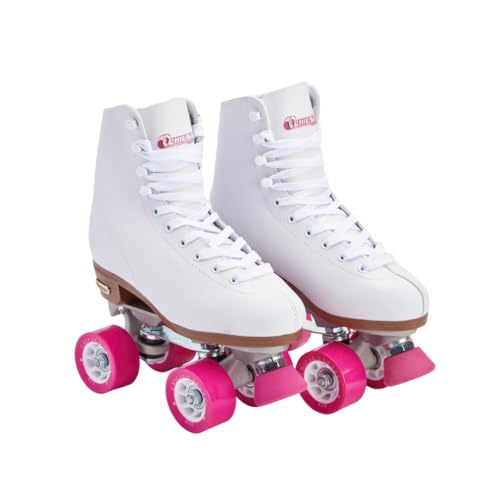
- DURABLE & SAFE PERFORMANCE: Built tough for all surfaces, these roller...
- STABLE HIGH-CUT, LACE-UP SKATES: Built for confident performance, the...
- COMFORT & SUPPORT: Experience long-lasting comfort with a interior lining...
Your Socks Are More Important Than You Think
This was my biggest “aha” moment. I used to wear any old cotton socks to skate. Cotton absorbs sweat, gets damp, and then wrinkles inside your skate.
Those tiny wrinkles create friction points. That friction is what causes most blisters. It’s not always the skate itself, but what’s between your foot and the skate.
I switched to thin, synthetic athletic socks. The kind made for running. They wick moisture away and have minimal seams.
My blister problems dropped almost overnight. The material stays smooth against my skin. It lets the skate break in without my skin taking the punishment.
Try it before you do anything else. Put on a proper pair of sports socks for your next short break-in session at home. You’ll feel the difference immediately.
My Top Picks for Blister-Free Break-Ins
After trying many skates, two stand out for being easier on your feet from day one. Here’s exactly what I’d buy and why.
Bont Parkstar Black Suede Professional Roller Skates — For Serious Skaters Who Hate Break-In Pain
The Bont Parkstar uses a heat-moldable liner. You can gently warm the boot to customize the fit to your foot’s shape, which drastically cuts break-in time. It’s perfect for adults committed to park or street skating. The trade-off is the higher price, but it’s an investment in immediate comfort.

- Skate boots are not like your average shoe. For maximum control, your boots...
- The ParkStar Roller Skate is a perfect professional skate for mens roller...
- Taking the best of Bont innovation and turning it into a roller skate...
MGYOLED Roller Skates for Little Kids 4 Size Adjustable — For Growing Feet and Patient Parents
I got the MGYOLED skates for my niece. The soft, flexible boot and thick padding around the ankle are very forgiving on little feet. They are the perfect fit for young beginners who need a gentle start. The honest trade-off is they’re for casual use, not advanced tricks.
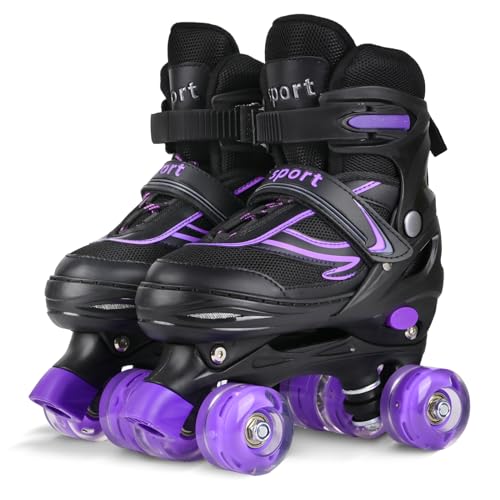
- [ 4 Size Adjustable ] MGY’s rolller skates with 4 sizes can be adjusted...
- [ Comfort and durability ] In order to ensure the stability of shoes during...
- [ 8 Illuminating Wheels ] When the kids start skating, the wheels will...
Conclusion
The most important thing is to break in your skates slowly and listen to your feet.
Go put your skates on right now for just 15 minutes while you relax at home—that small step today builds the comfort for your next great skate session.
Frequently Asked Questions about How To Break In Roller Skates Without Getting Blisters
How long does it take to break in roller skates?
It usually takes a few weeks of short, regular sessions. Don’t try to do it all in one day. Wearing them for 15-30 minutes at home over a week makes a huge difference.
The time depends on the skate material and your foot. Stiffer skates take longer. Listen to your feet and stop if you feel a hot spot forming.
What are the best roller skates for a beginner with wide feet?
Finding a skate that fits your foot shape is crucial for comfort. A boot that’s too narrow will cause pressure and blisters before you even start skating.
For a reliable, comfortable start, I always point wide-footed friends to the Bont Parkstars I use. Their design accommodates a wider foot naturally, making the break-in process much smoother.
- Skate boots are not like your average shoe. For maximum control, your boots...
- The ParkStar Roller Skate is a perfect professional skate for mens roller...
- Taking the best of Bont innovation and turning it into a roller skate...
Can I use anything to speed up the break-in process?
Yes, but be gentle. You can wear thick socks and use a hairdryer on a low setting to warm stiff areas. Always flex the boot by hand while it’s warm.
Never overheat the material. The goal is to soften it slightly, not melt it. The best “speed” is still patience and consistent short wears.
What roller skates are easiest to break in for a young child?
Kids need skates that are forgiving and flexible. A hard, stiff boot will discourage them quickly. You want something that feels more like a supportive sneaker.
For a pain-free start, the adjustable MGYOLED skates I got for my niece are perfect. The soft boot and padding protect their ankles without a harsh break-in period.
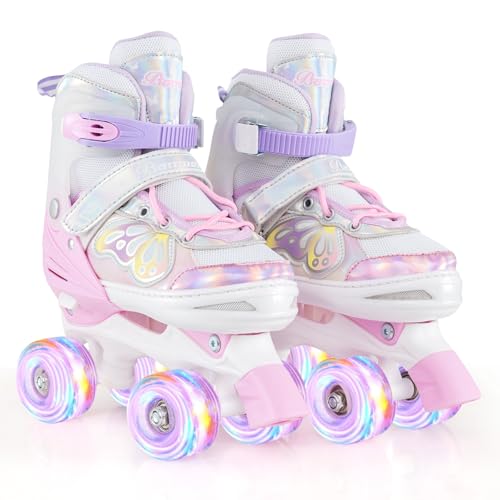
- Cool Illuminated Wheels: Whether cruising on neighborhood sidewalks or...
- Triple Safety Protection: The kids roller skates are built with dependable...
- Comfortable & Smooth Skating: Combining breathable honeycomb mesh, a soft...
Should I use moleskin or bandages while breaking in skates?
Absolutely. If you feel a specific spot rubbing, cover it immediately. Moleskin is a great proactive tool. It adds a protective layer before a blister forms.
This isn’t cheating. It’s smart skating. It lets you continue the break-in process comfortably while your skin toughens up gradually.
How tight should my skates be when breaking them in?
They should be snug, but not painfully tight. Your foot should not be able to slide around inside the boot. Sliding causes friction, which causes blisters.
Lace them firmly, especially over the arch and ankle. You should be able to wiggle your toes, but your heel should feel locked in place.