Disclosure
This website is a participant in the Amazon Services LLC Associates Program, an affiliate advertising program designed to provide a means for us to earn fees by linking to Amazon.com and affiliated sites.
Ever feel pain or numbness while skating? It’s often not the skate, but how you tie it. Incorrect lacing creates pressure points and instability, ruining your fun.
Think of your foot as a dynamic structure needing support in different zones. A single, tight knot over the arch, for example, can cut off circulation, while loose ankles invite blisters and wobbles.
Do Your Roller Skates Feel Like a Painful Trap Instead of a Fun Escape?
We’ve all been there. You lace up, excited to roll, but within minutes your feet are screaming. Pinched toes, numb arches, and heel slippage turn joy into misery. This happens when pressure points form from uneven lacing. The Cosmoid skates solve this with a precise, supportive liner and a secure lacing system that cradles your foot correctly from the start.
To stop the pinching and get that perfect, locked-in feel, I finally switched to: Cosmoid Inline Skates for Adults and Teens Professional

- DURABLE & STABLE: Reinforced metal frame and PP shell ensure durability and...
- COMFORTABLE & BREATHABLE: The memory foam liner provides soft cushioning...
- HIGH-PERFORMANCE SPEED: Equipped with ABEC9 bearings and 84A wheels, these...
Why Uncomfortable Skates Are More Than Just a Nuisance
I see a lot of people think a little foot pain is just part of skating. I used to think that too. But it’s a sign your skates aren’t working with your body.
This isn’t just about comfort. It’s about safety, fun, and getting your money’s worth. A poorly tied skate makes every push feel like a struggle.
How Improper Lacing Leads to Pain and Injury
When your laces are wrong, your foot can’t sit naturally. Pressure builds in weird spots. I’ve seen it cause everything from hot spots to full-on numbness.
My friend’s daughter kept complaining her feet “fell asleep.” They almost bought new skates, thinking hers were too small. The real problem was a too-tight knot over her instep.
This cuts off blood flow. It also forces your foot to move unnaturally inside the boot. That’s a direct path to:
- Painful blisters and raw skin
- Ankle rolls and sprains from instability
- Foot cramps that cut your session short
The Real Cost of Getting It Wrong
Let me tell you about my own “aha” moment. I took a bad fall because my heel was slipping. I had cranked the laces at the top, but my ankle was still loose.
I blamed my skills and almost quit. I felt frustrated and wasted the money I spent on those nice skates. The gear was fine; I just hadn’t secured my foot correctly.
That instability steals your confidence. You can’t trust your edges or your stops. You end up fighting your skates instead of enjoying the ride, and that’s no fun for anyone.
How to Lace Your Skates for Maximum Comfort and Control
Okay, let’s fix this. The goal is a custom fit that supports each part of your foot. You don’t need one tightness from toe to top.
Think of it as zoning. Your foot needs different things in different places. We’re going to adjust the laces to match.
Solving Common Fit Problems with Lace Pressure
Is your foot wide at the ball but narrow at the heel? That was my big issue. I’d get pinched toes and a wobbly ankle.
The fix is simple: skip an eyelet. For wide forefeet, don’t pull the laces tight over the widest part. Just cross them loosely there.
This gives your toes room to spread naturally. It prevents that “foot asleep” feeling. Your skates will feel broken in, not broken.
Securing Your Heel and Ankle for Stability
Heel lift is the number one cause of blisters and bad control. If your heel slips, you’re working twice as hard to steer.
Here’s my method. Lace snugly up to the second-to-last eyelet. Then, for the final hook or eyelet, pull the laces tight.
This creates a locking effect around your ankle. It holds your heel firmly back in the pocket of the boot. You’ll feel instantly more connected to your skates.
If you’re tired of guessing and just want a skate that’s easier to get right, I get it. For my kids who just wanted to roll without the fuss, these skates worked for us because the lacing system is so straightforward:
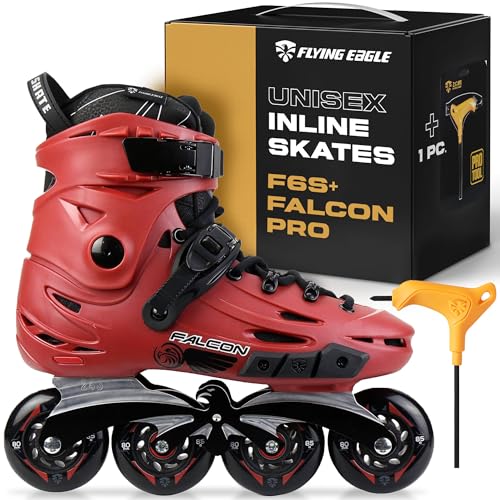
- HARDSHELL BOOT - The versatile and supportive hardshell boot ensures...
- EGO FRAME - These frames cater to inline skates women, roller skates men...
- 85A WHEELS - Enjoy a smooth, fast ride with our premium 85A wheels...
What I Look for When Buying Comfortable Roller Skates
After years of trial and error, I’ve learned it’s not about the flashiest skate. It’s about a few key features that prevent discomfort before you even start lacing.
A Supportive Boot That Holds Your Ankle
Flimsy boots are a nightmare. You’ll feel every wobble. Look for a boot that stands up on its own and has good padding around the ankle collar.
My first pair was too soft, and I felt like I was skating in slippers. A supportive boot gives you a solid foundation to work from.
Adjustable, Padded Tongues
This is a huge one for comfort. A thin tongue lets the laces dig right into the top of your foot. It’s painful.
A thick, padded tongue spreads the pressure evenly. You can lace up snugly without creating those sharp pressure points that cause numbness.
The Right Closure System for You
Think about how you’ll use them. Traditional laces offer the most customization for fit. But if you’re in a rush, a good ratchet buckle or strong strap can be a lifesaver.
For my recreational skates, I prefer laces. For the ones I use with my kids at the park, a secure buckle system means we get rolling faster.
Breathable Liner Material
Hot, sweaty feet are miserable and lead to blisters. Look for a liner made of a moisture-wicking material, not just basic foam.
A breathable liner keeps your feet drier and cooler. This makes a world of difference on longer skates, trust me.
The Mistake I See People Make With Skate Lacing
The biggest error is lacing the whole boot with the same tightness. People crank the laces tight from toe to top, thinking that means security.
This creates a tourniquet effect. It cuts off circulation across the top of your foot. Your toes go numb, and your arch cramps up.
Instead, think of your foot in zones. Lace snugly over the toes for control. Keep it a bit looser over the arch to allow blood flow. Then get tight again at the ankle for solid lock-in.
If you’re overwhelmed by lacing techniques and just want a secure fit you can trust, I understand. For my sister who needed reliability without the complexity, the ones I sent my sister to buy gave her that confidence from day one:
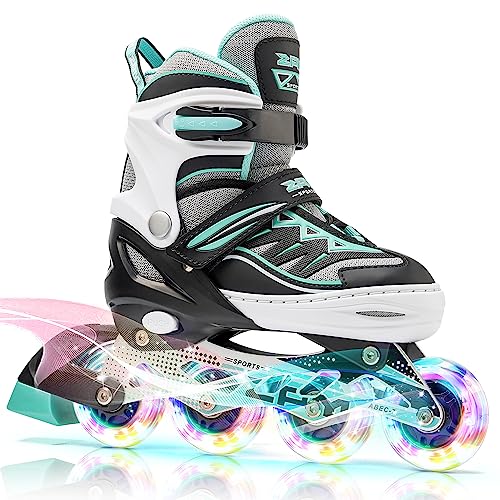
- 8 Wheels Light up: Your little one is sure to fall in love with our lovely...
- 4 Sizes Adjustable: Total 4 segment for you to adjust. 3 size available...
- Perfect Birthday Present and Holiday Gifts: Inline Skates are loved by...
How to Test Your Lacing Before You Even Start Skating
Here’s my favorite quick check. After you lace up, stand up and do a deep knee bend. You should feel your heel stay planted in the back of the boot.
If your heel lifts up, your ankle laces are too loose. If you feel a sharp pinch on the top of your foot, the laces over your arch are too tight.
This simple test saves you from a miserable skate session. It lets you fix problems while you’re still stationary and safe.
I do this every single time I put my skates on. It takes ten seconds and makes all the difference. It turns guesswork into a reliable routine for comfort.
My Top Picks for Skates That Get the Fit Right
BELEEV Inline Skates with Light-Up Wheels Adjustable for — For Easy, Secure Lacing
I recommend the BELEEV skates for anyone who wants a simple, reliable fit. The lacing system is straightforward and the padded tongue really helps distribute pressure evenly. It’s perfect for casual skaters and kids. The trade-off is they’re more for fun than high-performance tricks.
No products found.
Flydazzle Inline Skates for Men Urban Freeride Slalom Hard — For Serious Ankle Support
The Flydazzle Inline Skates are my pick for adults who need serious ankle lock and control. The hard boot provides incredible stability, which makes proper lacing feel super effective. It’s ideal for urban skating. The honest trade-off is they require a proper break-in period for comfort.
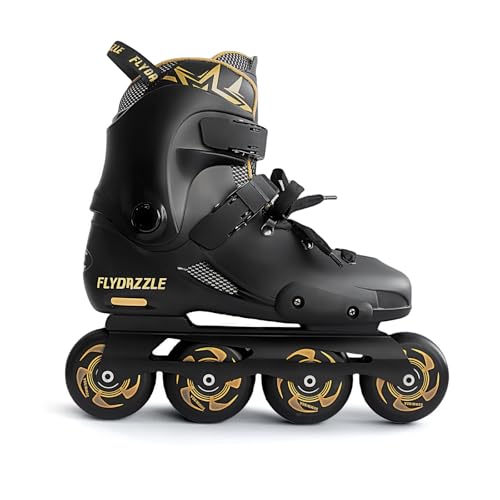
- Ultra-Smooth, High-Speed Performance: Precision-engineered for minimal...
- Unmatched Durability: Made from 100% high-density PU with no hollow core or...
- Unbeatable Support & Protection: The rigid hard shell locks your foot in...
Conclusion
The most important thing is that your skates should feel like a secure extension of your foot, not a painful constraint.
Go lace up your skates right now and try the deep knee bend test—it takes 30 seconds and will instantly show you where your fit needs adjusting.
Frequently Asked Questions about What Makes Roller Skates Uncomfortable If Tied Incorrectly?
What is the best skate for someone who needs ankle support and easy lacing?
You need a skate that provides stability without a complicated setup. A weak ankle or a confusing closure system can really hold you back and make skating feel unsafe.
For a balance of solid support and straightforward lacing, I found what finally worked for my own ankle worries. The boot is supportive and the lacing guides your foot into a secure position naturally.

- The Revel 4 Skates are ideal for the more intermediate to expert player...
- Features a HiLo 76-76-80-80 wheel set-up which increases agility without...
- Equipped with Alkali PAX 74A indoor wheels ideal for sport court, wood, and...
Why do my feet go numb even when my skates aren’t too small?
This is almost always a lacing issue, not a size issue. You’re likely pulling the laces far too tight across the top of your foot, which cuts off circulation.
Your foot needs to breathe and have blood flow. Try the “zone lacing” method: keep it looser over the arch and midfoot, then snug at the ankle. This simple change often solves the numbness completely.
How tight should roller skate laces actually be?
They should be snug, not strangling. A good rule is you should be able to slide one finger between the laces and your tongue after tying.
If you see deep imprints on your socks when you take the skates off, they were too tight. The goal is to eliminate foot movement inside the boot without creating painful pressure points.
Which skate won’t let me down for daily urban commuting?
You need durability, control, and a fit you can trust mile after mile. A skate that fails on comfort or stability turns a fun commute into a stressful chore.
For that daily grind where reliability is everything, the ones I sent my sister to buy for her city commute have been fantastic. The hard boot offers incredible stability and the fit is consistently secure.
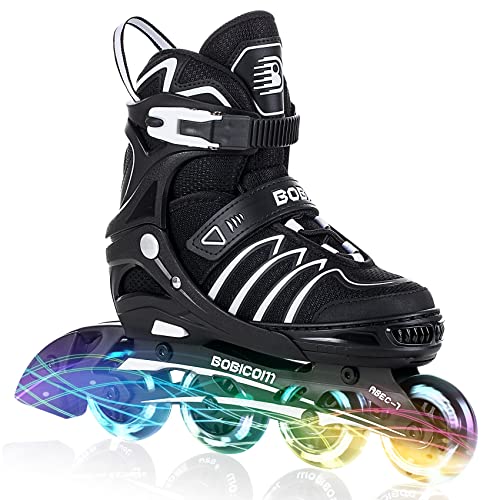
- 【ADJUSTABLE INLINE SKATES】Our inline skates are available in...
- 【8 WHEELS ILLUMINATING】Our children's inline skates have 8 illuminated...
- 【COMFORTABLE & STURDY MATERIAL】The frame of our inline skate is made of...
Can I fix heel slip without buying new skates?
Absolutely. Heel slip is usually a lacing technique problem. Before you spend money, try the “runner’s loop” or “lock lacing” method for the top eyelets.
This creates a second, tighter loop that pulls your heel back and down into the heel cup of the boot. It makes a world of difference and costs you nothing to try.
Do I need special laces for a better fit?
Not necessarily, but they can help. Standard laces can stretch and loosen over a session. Waxed hockey laces are a popular upgrade because they hold their tightness better.
The wax coating creates friction, so the laces stay exactly where you tie them. This means less stopping to re-tighten and a more consistent feel throughout your skate.