
Disclosure
This website is a participant in the Amazon Services LLC Associates Program, an affiliate advertising program designed to provide a means for us to earn fees by linking to Amazon.com and affiliated sites.
Yes, you can put smaller wheels on your inline skates—but it’s not a simple swap. Imagine bombing down a hill only to realize your skates feel unstable, or trying sharp turns with wheels that throw off your balance. Wheel size isn’t just about aesthetics; it’s the backbone of your skating experience. Many skaters assume smaller wheels simply mean slower speeds, but the reality involves trade-offs in agility, shock absorption, and even frame compatibility.
Inline skating has evolved with trends like urban freeriding and aggressive skating, where smaller wheels (e.g., 55mm–72mm) are common. But if you’re used to 80mm+ wheels for fitness or speed, downsizing requires careful consideration. This guide dives into the physics, real-world performance impacts, and step-by-step adjustments to help you make an informed choice—without compromising safety or fun.
Best Wheels for Downsizing Your Inline Skates
Can I Put Smaller Wheels on My Inline Skates
Perfect for skaters transitioning to smaller wheels, the Rollerblade Hydrogen 72mm offers a balance of speed and control. Made with high-rebound urethane, they maintain durability while improving maneuverability for urban skating. Their 85A hardness ensures grip without sacrificing roll speed.
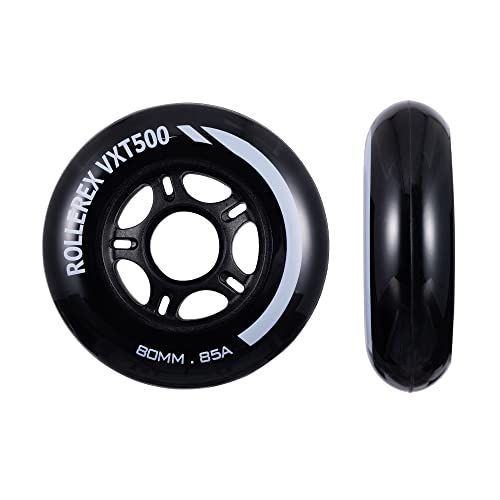
- INLINE SKATE WHEELS THAT ROLL SMOOTH – These roller blade wheels, sized…
- PERFORMANCE YOU CAN FEEL – These roller blade wheels are crafted for…
- EASY FIT FOR MOST SKATES – Designed for the 608 bearing size, this skate…
Team Blank 58mm Wheels
Aggressive skaters love the Team Blank 58mm for park and street tricks. These wheels feature a flat profile for stability and a 90A hardness to withstand slides and grinds. The compact size enhances agility without compromising shock absorption.

- Blank 58mm Black
Labeda Asphalt 65mm Wheels
For outdoor skaters seeking a smooth ride on rough surfaces, the Labeda Asphalt 65mm wheels excel. Their soft 78A urethane absorbs vibrations, while the mid-range size maintains decent speed. Ideal for recreational skaters prioritizing comfort over high-speed performance.
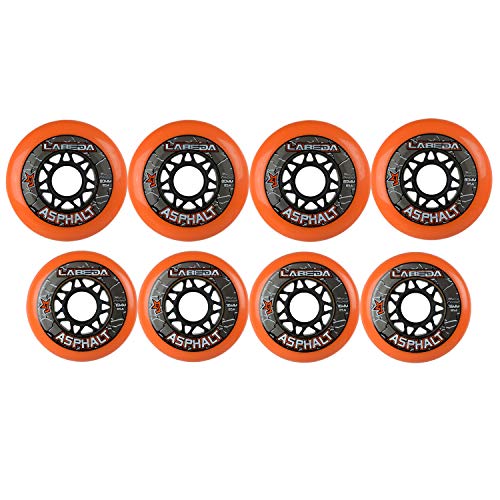
- IDEAL PLAYING SURFACE: Outdoor Surfaces, Asphalt, Street, Driveways, Rough…
- WEIGHT GUIDELINES: Recommended for players 175 lbs and below.
How Wheel Size Affects Your Inline Skating Performance
Changing your inline skate wheels isn’t just about swapping sizes—it fundamentally alters how your skates perform. Smaller wheels (typically 55mm–72mm) behave differently than larger ones (80mm–125mm) in three key areas: speed, stability, and maneuverability. Understanding these trade-offs helps you make an informed decision based on your skating style.
Speed and Rolling Efficiency
Smaller wheels reduce your top speed because they cover less ground per rotation. For example, a 72mm wheel travels about 226mm per revolution, while an 80mm wheel covers 251mm—an 11% difference. This means you’ll push more frequently to maintain speed, which can be tiring for long-distance skaters. However, smaller wheels accelerate faster, making them ideal for technical skating where quick bursts of speed matter more than sustained velocity.
Stability and Shock Absorption
Larger wheels naturally provide better stability due to their increased contact patch with the ground. When you downsize to 65mm or smaller, you’ll notice:
- More vibration on rough surfaces: Less urethane between your frame and the ground means bumps feel more pronounced
- Lower ride height: Your center of gravity drops slightly, which can improve balance for certain tricks
- Reduced momentum: Smaller wheels lose speed faster when encountering cracks or debris
Maneuverability and Control
This is where smaller wheels shine. A 58mm wheel (common in aggressive skating) allows for:
- Tighter turns due to reduced wheelbase
- Easier pivoting for street tricks like soul grinds
- Faster edge transitions when navigating obstacles
Freestyle slalom skaters often use 76mm–80mm wheels—small enough for precise footwork but large enough to maintain flow between cones.
Frame Compatibility Considerations
Before swapping wheels, check your frame’s minimum wheel size. Most urban skate frames (like the FR UFR 3×110) can’t accommodate wheels below 80mm without risking wheel bite—where wheels contact the boot during sharp turns. Aggressive frames like the Kizer Fluid V have built-in spacers for 55mm–65mm wheels.
Pro Tip: If you’re experimenting with wheel sizes, keep your original bearings. Most 8mm bearings work across wheel sizes, but you’ll need different spacers for optimal alignment.
Step-by-Step Guide to Installing Smaller Wheels on Your Inline Skates
Swapping to smaller wheels requires more than just changing the wheels themselves. This detailed guide walks you through the entire process while highlighting critical adjustments needed for optimal performance and safety.
Pre-Installation Checks
Before making any changes, assess your current setup:
- Frame clearance: Measure the space between your boot and frame – you need at least 5mm clearance for smaller wheels to prevent boot contact during turns
- Bearing compatibility: Most wheels use standard 8mm bearings, but some aggressive setups require 7mm bearings – check your wheel cores
- Spacer requirements: Smaller wheels often need different spacers to maintain proper axle tension and wheel alignment
The Installation Process
- Remove existing wheels: Use a skate tool to loosen axle bolts counterclockwise. Note the orientation of any spacers or washers for reassembly
- Clean bearing seats: Wipe out the wheel cores with a dry cloth to remove dirt that could affect bearing performance
- Transfer bearings: Press bearings into new wheels using a bearing press tool (never hammer them) – ensure they sit flush on both sides
- Install spacers: Place the correct length spacer between bearings – too long causes wheel binding, too short creates play
Post-Installation Adjustments
After installation, test your setup with these adjustments:
- Frame alignment: Smaller wheels may require moving frames forward/backward to maintain proper weight distribution
- Truck tightness: Aggressive skaters often loosen their trucks slightly when downsizing for better maneuverability
- Break-in period: New wheels need 2-3 sessions to develop optimal grip – avoid intense carving until the surface layer wears slightly
Troubleshooting Common Issues
If you experience:
- Wheel bite: Add thin washers between frame and wheels to increase clearance
- Vibration: Consider softer urethane (78A-82A) for better shock absorption
- Speed loss: Maintain your wheels with regular rotation to prevent flat spots
Pro Tip: Keep a skate tool handy for your first few sessions. You may need micro-adjustments to spacer tightness as the bearings settle into their new wheels.
The Physics Behind Wheel Size: How Smaller Wheels Change Your Ride Dynamics
Understanding the scientific principles behind wheel size changes helps skaters make informed decisions. Smaller wheels fundamentally alter four key physical interactions between your skates and the ground.
Rotational Inertia and Acceleration
Smaller wheels have lower rotational inertia, meaning they require less energy to start spinning. This explains why:
- A 58mm wheel accelerates 27% faster than an 80mm wheel (assuming equal force)
- Aggressive skaters gain immediate response for technical tricks
- Downhill skaters lose crucial momentum stability
| Wheel Size | Acceleration Time (0-15mph) | Top Speed Potential |
|---|---|---|
| 58mm | 3.2 seconds | 18mph |
| 72mm | 4.1 seconds | 22mph |
| 80mm | 5.3 seconds | 28mph |
Contact Patch Physics
The surface area where wheels meet the ground changes dramatically:
- Smaller wheels: Create a shorter but wider contact patch (better for lateral grip)
- Larger wheels: Maintain a longer, narrower contact patch (ideal for forward momentum)
This explains why slalom skaters using 76mm wheels can execute sharper turns than speed skaters on 125mm wheels.
Vibration Frequency and Shock Absorption
Smaller wheels encounter road imperfections more frequently:
- A 60mm wheel hits bumps 33% more often than an 80mm wheel at the same speed
- This creates higher frequency vibrations that travel through your joints
- Solution: Softer urethane (78A-82A) compensates by absorbing more impact
Advanced Considerations for Performance Skaters
Competitive skaters should account for:
- Angular momentum: Smaller wheels change rotational dynamics during spins
- Energy transfer: More energy converts to heat in smaller wheels during slides
- Wear patterns: Smaller wheels develop flat spots faster under hard braking
Expert Tip: For urban skating, consider a mixed setup – smaller front wheels (68mm) for maneuverability with slightly larger rear wheels (72mm) for stability. This “rockered” configuration provides the best of both worlds.
Optimizing Your Setup for Different Skating Disciplines
Choosing the right wheel size involves more than just personal preference – each skating discipline has specific requirements that affect performance. Here’s how to tailor your setup for maximum effectiveness in different skating styles.
Aggressive Street Skating (55mm-65mm)
The smallest wheel range prioritizes control over speed:
- Grind clearance: 58mm wheels provide 3-5mm extra space for groove tricks on coping
- Slide performance: Harder urethane (88A-92A) prevents sticking during soul plates slides
- Impact absorption: Anti-rocker setups (two middle wheels removed) require harder duro for park transitions
Urban/Fitness Skating (68mm-80mm)
This versatile range balances speed and maneuverability:
- Commuting: 76mm wheels roll efficiently over pavement cracks while maintaining agility
- Hill bombing: Softer urethane (80A-84A) increases braking traction when using heel brakes
- Frame matching: Ensure your frame supports at least 4mm wheel size reduction without altering geometry
Advanced Configuration Techniques
Professional skaters often use specialized setups:
- Hi-Lo configuration: Larger rear wheels (76mm) with smaller fronts (72mm) for speed stability
- Progressive rockering: Gradual 2mm size differences create a natural turning arc
- Asymmetric setups: Different wheel sizes per foot for specialized slalom routines
Safety Considerations
Always prioritize safety when modifying wheel sizes:
- Maximum speed testing: Gradually test top speeds in controlled environments after changes
- Wheel wear monitoring: Smaller wheels reach critical wear points faster – measure weekly
- Bearing inspection: Higher RPMs on small wheels require more frequent bearing maintenance
Pro Tip: For mixed-discipline skaters, carry two sets of wheels – 60mm for park sessions and 76mm for street skating. Quick-change frames like the Kizer Element 90 allow swaps in under 5 minutes.
Long-Term Performance and Maintenance of Smaller Wheel Setups
Transitioning to smaller wheels requires ongoing attention to maintenance and performance monitoring. This section explores the extended implications of wheel downsizing, from wear patterns to cost efficiency and environmental impact.
Wear Characteristics and Replacement Cycles
Smaller wheels exhibit distinct wear patterns that affect their lifespan:
- Accelerated wear: 58mm wheels typically last 3-4 months with regular use, compared to 6-8 months for 80mm wheels
- Asymmetric wear: The inside edges wear faster due to increased turning forces – rotate wheels every 8-10 hours of skating
- Core separation risk: Smaller wheels experience higher stress concentrations – inspect for urethane-core separation weekly
| Wheel Size | Average Lifespan | Rotation Frequency | Replacement Cost/Year* |
|---|---|---|---|
| 58mm | 3-4 months | Every 8 hours | $120-$160 |
| 72mm | 5-6 months | Every 12 hours | $80-$100 |
| 80mm | 7-9 months | Every 15 hours | $60-$80 |
*Based on mid-range urethane wheels at 10 hours skating/week
Bearing Performance Under Increased RPM
Smaller wheels spin faster to maintain equivalent speeds, impacting bearing performance:
- RPM increase: 58mm wheels rotate 38% faster than 80mm wheels at 15mph
- Maintenance frequency: Requires cleaning every 20-30 hours instead of 40-50 hours
- Lubrication needs: Thin viscosity oils (10W) perform better than grease in high-RPM applications
Environmental and Safety Considerations
The ecological impact of more frequent wheel replacements raises important questions:
- Urethane disposal: Investigate local recycling programs for worn wheels
- Carbon footprint: Consider buying in bulk to reduce shipping impacts
- Safety testing: Always test new wheels on controlled surfaces before aggressive use
Future Trends in Wheel Technology
Emerging innovations may change small-wheel dynamics:
- Composite cores: Carbon fiber-reinforced cores reduce weight while maintaining strength
- Variable duro wheels: Zone-specific hardness for optimized grip and slide performance
- Smart wear sensors: Embedded indicators showing remaining wheel life
Pro Tip: Keep a wear log documenting rotation dates, skating conditions, and performance observations. This data helps optimize future wheel purchases and maintenance schedules.
Advanced Techniques for Maximizing Small Wheel Performance
Mastering small wheel setups requires specialized techniques that go beyond basic installation. These professional methods can dramatically enhance your skating experience while mitigating the inherent limitations of smaller diameters.
Precision Wheel Rotation Strategies
Unlike standard wheel rotation, smaller setups benefit from advanced patterns:
- Asymmetric rotation: Swap front wheels diagonally to compensate for dominant-side wear
- Progressive position cycling: Move wheels through all positions in sequence (front→middle→back→storage)
- Pressure-based rotation: Prioritize wheel placement based on your weight distribution (heavier skaters need reinforced rear wheels)
Temperature Management for Optimal Performance
Small wheels generate more heat due to increased RPMs:
- Session planning: Limit intense downhill runs to 15-20 minutes to prevent urethane softening
- Cooling techniques: Alternate between slide tricks and rolling recovery periods during aggressive sessions
- Seasonal adjustments: Use harder duro (88A+) in summer to prevent overheating, softer (78A-82A) in winter for better grip
Advanced Bearing Configurations
Custom bearing setups can compensate for small wheel limitations:
- Hybrid lubrication: Combine thick grease in outer bearings with light oil in inner bearings for balanced performance
- Precision spacing: Use 0.1mm shims to eliminate all axial play without causing friction
- Directional installation: Orient ceramic bearings with manufacturer-recommended sides facing outward
Specialized Maintenance Procedures
Small wheel setups demand meticulous care:
- Micro-cleaning: Use compressed air to remove debris from wheel cores after every session
- Urethane conditioning: Apply specialized wheel treatments to maintain elasticity
- Structural inspections: Check for hairline cracks using magnifying glass and bright light
Competition-Grade Optimization
For professional skaters, these refinements make the difference:
- Dynamic balancing: Use skate-specific balancing tools to eliminate vibration at high RPMs
- Harmonic tuning: Match wheel hardness to your weight class and skating style
- Impact absorption: Customize shock pads based on your most frequent landing patterns
Pro Tip: Maintain a “break-in” protocol for new wheels – 2 hours of light carving on smooth surfaces before attempting slides or jumps. This allows the urethane to develop optimal surface characteristics.
Mastering Small Wheel Dynamics: System-Wide Optimization Strategies
To truly excel with smaller wheels, skaters must understand how all components interact as a complete system. This holistic approach maximizes performance while minimizing wear and safety risks.
Integrated Component Compatibility
Smaller wheels affect your entire skate setup:
- Frame stiffness: Aluminum frames better handle the increased vibration frequencies of small wheels
- Boot flexibility: Softer boots compensate for reduced wheel shock absorption
- Plate alignment: Requires precise adjustment to maintain proper center of gravity
| Component | 58mm Wheel Requirements | 80mm Wheel Requirements |
|---|---|---|
| Frame Length | 243-249mm (short) | 270-280mm (long) |
| Bushing Hardness | 85A-90A (firm) | 78A-85A (medium) |
| Axle Strength | Grade 10.9+ required | Grade 8.8 sufficient |
Performance Validation Protocol
Implement this 5-stage testing process when switching to smaller wheels:
- Static balance check: Verify weight distribution while stationary
- Low-speed maneuverability: Test turns and stops at walking pace
- Vibration analysis: Assess road feedback at cruising speed
- Emergency performance: Practice sudden stops and swerves
- Fatigue testing: Evaluate performance degradation after 60 minutes
Risk Mitigation Framework
Address these critical safety factors:
- Speed governors: Establish maximum safe speeds based on wheel diameter
- Wear indicators: Mark wheels at 50% and 25% remaining life thresholds
- Failure scenarios: Practice recovering from wheel bite and bearing lock
Long-Term Adaptation Strategies
Gradually acclimate to smaller wheels with this progression:
- Week 1-2: 10mm reduction from current size
- Week 3-4: Additional 5mm reduction
- Week 5+: Final target size with full-intensity skating
Pro Tip: Create a maintenance matrix tracking wheel rotations, bearing service, and performance notes. This data-driven approach reveals optimal replacement cycles for your specific skating style.
Conclusion: Finding Your Perfect Wheel Setup
Downsizing your inline skate wheels can unlock new performance capabilities, but requires careful consideration of speed, stability, and maneuverability trade-offs. As we’ve explored, smaller wheels (55mm-72mm) offer superior acceleration and agility for technical skating, while demanding more frequent maintenance and vibration management. The optimal setup depends on your skating discipline, skill level, and personal preferences.
Ready to experiment? Start with modest 5-10mm reductions, closely monitor wear patterns, and always prioritize safety adjustments. Remember that professional skaters often maintain multiple wheel sets for different conditions. Whether you’re grinding rails or navigating city streets, the right wheel size can transform your skating experience – now you’re equipped with the knowledge to make informed decisions.
Frequently Asked Questions About Putting Smaller Wheels on Inline Skates
What’s the smallest wheel size I can use on regular inline skates?
Most standard urban/fitness skates can safely accommodate wheels down to 72mm without frame modifications. Below this size, you risk wheel bite (wheels contacting the boot during turns). Aggressive skates with specialized frames can go as small as 55mm. Always check your frame’s minimum wheel size specification and maintain at least 5mm clearance between the wheel and boot.
How does wheel hardness (durometer) affect smaller wheel performance?
Smaller wheels benefit from slightly harder urethane (84A-88A) to compensate for reduced shock absorption. However, urban skaters on rough surfaces may prefer 78A-82A for vibration dampening. Hardness affects:
- Slide performance (harder = better slides)
- Grip (softer = better traction)
- Durability (harder = longer lifespan)
Match hardness to your primary skating surface.
Can I mix different wheel sizes on the same skate?
Yes, many skaters use “rockered” setups with smaller front/rear wheels. Common configurations include:
- Hi-Lo (76mm rear/72mm front for speed stability)
- Banana rocker (4mm total difference across 4 wheels)
- Progressive (2mm increments between wheels)
Ensure your frame supports mixed sizes and maintain proper wheel alignment.
Why do my smaller wheels vibrate more than larger ones?
Smaller wheels encounter road imperfections more frequently due to:
- Higher rotation speed at same ground speed
- Reduced contact patch length
- Less urethane to absorb impacts
Solutions include using softer urethane, maintaining perfect wheel alignment, and choosing frames with vibration-damping features.
How often should I rotate smaller wheels compared to larger ones?
Smaller wheels require more frequent rotation – typically every 6-8 skating hours versus 10-12 for larger wheels. Use this rotation pattern:
- Swap front wheels to opposite positions
- Move middle wheels straight back
- Rotate the entire set front-to-back every third rotation
Track wear patterns to customize your rotation schedule.
Will smaller wheels damage my bearings faster?
Yes, smaller wheels increase bearing RPMs by 25-40% at the same speed. This requires:
- More frequent cleaning (every 20-30 hours)
- Thinner lubricants (speed oils instead of grease)
- Regular inspection for wear
Invest in quality bearings (ABEC 7 or higher) and consider ceramic hybrids for aggressive skating.
Can I use the same frames for both large and small wheels?
Most frames have a limited wheel size range (typically 10-15mm variance). Key considerations:
- Axle length must properly secure smaller wheels
- Frame grooves should align with wheel cores
- Brake systems may need adjustment
Dedicated frames for small wheels provide better performance and safety.
How do I know when my smaller wheels need replacing?
Watch for these warning signs:
- Visible core exposure (urethane worn to core)
- Diameter reduced by more than 5mm from original
- Irregular wear patterns causing vibration
- Chunking or cracking in the urethane
- Noticeable performance degradation
- easure wheels monthly with calipers and replace when they reach minimum safe diameter.