Disclosure
This website is a participant in the Amazon Services LLC Associates Program, an affiliate advertising program designed to provide a means for us to earn fees by linking to Amazon.com and affiliated sites.
Inline skate wheels can cost anywhere from $20 to over $150 for a full set, but the price depends on size, material, brand, and performance features. Did you know that choosing the wrong wheels can drastically affect your speed, grip, and even safety? Many skaters assume all wheels are the same, but investing in the right set can transform your skating experience—whether you’re a casual roller or an aggressive street skater.
In this guide, you’ll uncover the real cost of inline skate wheels, including hidden factors like durometer ratings, wheel profiles, and durability trade-offs. By the end, you’ll know exactly what to look for—and avoid—when buying wheels that match your skill level and terrain.
Best Inline Skate Wheels for Speed, Durability, and Performance
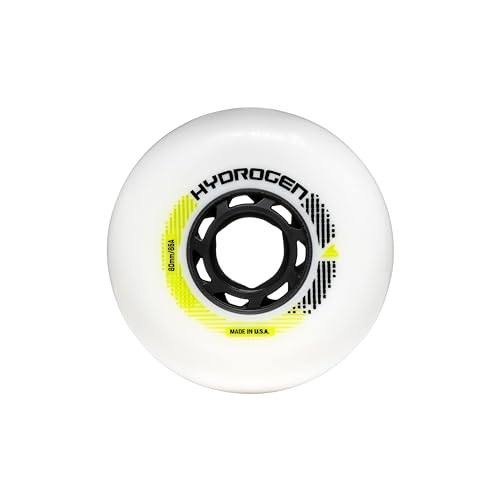
Rollerblade Hydrogen 80mm Wheels (Set of 4)
Ideal for speed skaters and fitness enthusiasts, the Rollerblade Hydrogen 80mm wheels offer superior rebound and durability thanks to their high-quality urethane compound (85A durometer). Their balanced design ensures smooth rolling on pavement while resisting wear, making them a top choice for long-distance skaters.
- Optimal inline performance wheels for higher speeds and durability: the…
- PREMIUM MATERIAL FORMULA Made from a high quality material formula for high…
- Solid Cose Design: A strong core ensures more effective power transmission…
Team Blank 58mm Wheels (Set of 8)
Perfect for aggressive inline skaters, the Team Blank 58mm wheels (88A durometer) provide excellent grip and slide control for park and street skating. Their flat profile enhances stability during grinds, while the durable urethane ensures longevity even under heavy use.

- Blank 58mm Black
Labeda Asphalt 76mm Wheels (Set of 8)
Designed for urban and recreational skating, the Labeda Asphalt 76mm wheels (85A durometer) deliver a smooth ride on rough surfaces. Their slightly larger diameter improves speed, while the grippy yet durable urethane compound makes them reliable for daily commutes and outdoor skating.

- Labeda Asphalt Wheel Set
- 85a Durometer
What Determines the Cost of Inline Skate Wheels?
Inline skate wheel prices vary significantly based on several key factors. Understanding these elements will help you make an informed purchase and avoid overspending on features you don’t need—or worse, buying cheap wheels that wear out too quickly.
1. Wheel Material and Urethane Quality
The type of urethane used is the biggest price determinant. High-end wheels use polyurethane blends with additives for better rebound and durability. For example, competition-grade wheels like Matter G13 (around $120/set) contain advanced compounds that maintain grip at high speeds, while budget wheels ($20-$40/set) use basic urethane that hardens and cracks faster.
2. Wheel Size and Profile
Larger wheels (80mm-125mm) cost more due to increased material usage and specialized molding processes. A 110mm speed skate wheel can cost 30% more than a 76mm recreational wheel. Profile also matters:
- Bullet profile (pointed edges): More expensive for speed efficiency
- Flat profile: Cheaper, common in aggressive skate wheels
3. Durometer (Hardness Rating)
Measured on the A-scale (74A-100A), hardness affects both price and performance. Softer wheels (74A-85A) provide better shock absorption but wear faster—ideal for rough surfaces. Harder wheels (88A+) last longer but cost more upfront. Urban skaters often choose mid-range 85A wheels as a balance between grip and durability.
4. Brand Reputation and Technology
Premium brands like Rollerblade and Undercover invest in proprietary technologies. The Rollerblade Supreme line features “Dual Density” cores that add $15-$20 per wheel compared to generic alternatives. Meanwhile, no-name brands may cut costs with inconsistent urethane mixtures that develop flat spots prematurely.
5. Specialized Features
Additional features drive up costs:
- Hubs: Aluminum cores add $10-$15/wheel over plastic hubs
- Bearings compatibility: Wheels designed for ILQ-9 bearings often cost more
- Color options: Custom-dyed urethane adds 5-10% to the price
Pro Tip: Recreational skaters can find excellent mid-priced wheels ($50-$80/set), while competitive athletes should budget $100+ for wheels that maintain consistent performance through intense use.
How to Choose the Right Inline Skate Wheels for Your Needs
Selecting the perfect inline skate wheels requires matching technical specifications to your skating style, terrain, and skill level. This decision impacts everything from your speed and control to long-term costs from wheel wear.
1. Matching Wheel Size to Your Skating Discipline
Wheel diameter directly affects performance characteristics:
- Speed skating (100-125mm): Larger wheels maintain momentum better but require stronger pushes to accelerate
- Urban/fitness skating (76-90mm): Balanced combination of speed and maneuverability
- Aggressive skating (54-60mm): Smaller wheels for better stability during tricks and grinds
Example: A commuter skating 10 miles daily on asphalt would benefit most from 84mm-90mm wheels, while a park skater needs 58mm wheels for technical tricks.
2. Selecting the Optimal Durometer
Wheel hardness should correspond to both surface type and your weight:
| Surface Type | Recommended Durometer | Skater Weight Adjustment |
|---|---|---|
| Smooth indoor rinks | 88A-95A | Add 2A per 25lbs over 175lbs |
| Outdoor asphalt | 78A-85A | Softer wheels for heavier skaters |
| Rough concrete | 74A-82A | Consider 2-piece wheel systems |
3. Understanding Wheel Profiles
The wheel’s cross-section shape affects performance:
- Round profile: Maximum grip for sharp turns (ideal for hockey stops)
- Bullet profile: Reduced friction for speed skating
- Flat profile: More surface contact for aggressive skating grinds
4. Calculating Total Cost of Ownership
Consider these hidden factors when budgeting:
- Wheel rotation schedule: High-quality wheels rotated properly last 2-3x longer
- Terrain impact: Rough surfaces can double wear rates compared to smooth concrete
- Performance degradation: Wheels lose rebound properties before visible wear appears
Pro Tip: Always buy one extra wheel beyond your frame capacity. This allows for immediate replacement when one wheel wears faster, maintaining balanced performance across all wheels.
Advanced Wheel Maintenance and Performance Optimization
Proper wheel care extends lifespan by 40-60% and maintains optimal performance. This section reveals professional techniques used by competitive skaters and skate technicians to maximize wheel investment.
1. Scientific Wheel Rotation Methodology
Strategic rotation prevents uneven wear patterns that compromise stability. Follow this 4-step process every 8-10 skating hours:
- Position tracking: Number wheels 1-4 (or 1-8) starting from left front
- Axial rotation: Flip wheels to expose fresh urethane edges
- Position rotation: Move wheels diagonally (front left → rear right)
- Pressure balancing: Weigh wheels periodically to identify density variations
| Wear Pattern | Causes | Corrective Action |
|---|---|---|
| Conical wear | Excessive T-stops | Rotate every 5 hours |
| Flat spots | Locked slides | Sand with 120-grit paper |
| Edge crumbling | Old/dry urethane | Apply urethane conditioner |
2. Temperature and Storage Considerations
Urethane properties change dramatically with temperature:
- Cold weather (below 50°F): Wheels harden 5-10A points – switch to softer durometer
- Hot pavement (above 90°F): Increases wear rate by 30% – reduce session duration
- Storage: Keep wheels in climate-controlled (65-75°F) environment away from UV light
3. Advanced Performance Modifications
Competitive skaters use these professional techniques:
- Beveling: 45° edge cuts reduce grip for faster slides (remove 1-2mm maximum)
- Urethane hardening: Specialized coatings can increase durometer by 3-5 points
- Core modifications: Precision drilling reduces weight while maintaining structural integrity
Pro Tip: For wheels showing minor flat spots, use a lathe at 300 RPM with 180-grit sandpaper to restore roundness. Always wear respiratory protection when sanding urethane.
Safety Considerations and Industry Standards for Inline Skate Wheels
Proper wheel selection and maintenance directly impact skating safety. This section examines critical safety factors, industry testing protocols, and how to recognize when wheels become hazardous.
1. Wheel Failure Modes and Warning Signs
Understanding degradation patterns prevents accidents:
-
- Core separation: Visible cracks between urethane and hub indicate imminent failure
Wear limit indicators:
-
- Speed wheels: Replace when diameter reduces by 10mm
- Aggressive wheels: Retire at 45mm diameter minimum
- Chemical degradation: Sticky residue or extreme discoloration signals urethane breakdown
2. Industry Testing Standards Explained
Reputable manufacturers comply with these key standards:
| Standard | Test | Safety Threshold |
|---|---|---|
| ASTM F2049 | Impact resistance | Withstands 3m drop test |
| EN 13843 | Rolling durability | 500km minimum lifespan |
| ISO 5775 | Hub integrity | 150kg static load capacity |
3. Weight and Speed Limitations
Exceeding manufacturer specifications creates safety risks:
- Weight limits: Most wheels rated for 100-120kg dynamic load
- Speed ratings: Standard wheels typically safe to 40km/h; competition wheels rated for 60+km/h
- Temperatures: Avoid skating when pavement exceeds 60°C (140°F)
4. Special Considerations for Different Disciplines
Unique safety requirements by skating style:
- Downhill: Requires wheels with reinforced cores and minimum 85A hardness
- Park skating: Must use wheels specifically designed for impact resistance
- Urban commuting: Prioritize wheels with puncture-resistant urethane formulas
Pro Tip: Perform the “thumbnail test” monthly – if you can easily dent the wheel surface with your thumbnail, the urethane has softened dangerously. Always replace wheels in complete sets to maintain balanced performance.
The Economics of Inline Skate Wheels: Long-Term Value and Sustainability
Smart wheel investment requires understanding total cost of ownership, environmental impact, and emerging technologies that may affect future purchases. This analysis goes beyond initial price to reveal true value over time.
1. Cost-Per-Mile Analysis by Wheel Type
| Wheel Category | Average Lifespan | Cost per 100 Miles | Performance Maintenance Cost |
|---|---|---|---|
| Budget Recreational | 150-200 miles | $12-$18 | High (frequent replacements) |
| Premium Urban | 400-600 miles | $8-$12 | Medium (rotation required) |
| Competition Grade | 800-1200 miles | $6-$9 | Low (consistent performance) |
2. Environmental Considerations
The skate industry is addressing sustainability through:
- Bio-urethane formulations: New plant-based compounds reduce petroleum dependence by 40%
- Recycling programs: Brands like Rollerblade® now accept worn wheels for material recovery
- Manufacturing innovations: Closed-loop production reduces water usage by 30% in premium wheels
3. Future Trends Impacting Wheel Economics
Emerging technologies changing the market:
- Smart wheels: Embedded sensors track wear patterns and recommend optimal rotation timing
- Modular designs: Replaceable urethane sleeves reduce waste by 60% compared to solid wheels
- Self-healing compounds: Experimental polymers that repair minor surface damage
4. Professional Maintenance Cost Analysis
Comparing DIY vs professional services:
- Wheel truing: $15-$25 per set extends lifespan by 35%
- Professional rotation: $10-$15 service maintains optimal performance alignment
- Core refurbishment: $20-$40 can salvage high-end wheel hubs for reuse
Pro Tip: For frequent skaters, investing in two quality wheel sets and rotating them seasonally (softer for winter, harder for summer) can extend total lifespan by 25% while maintaining optimal performance year-round.
Optimizing Wheel Performance for Competitive and Specialized Skating
Competitive skaters and specialized disciplines require precise wheel tuning to maximize performance. This section explores advanced techniques used by professionals to extract every ounce of potential from their wheel setups.
1. Competition-Grade Wheel Preparation
Professional skaters follow a meticulous 5-step preparation process:
- Surface conditioning: Use 220-grit sandpaper to remove manufacturing glaze
- Edge profiling: Create micro-bevels (0.5-1mm) for better cornering grip
- Dynamic balancing: Spin-test wheels at 500 RPM to identify weight imbalances
- Temperature acclimation: Store wheels at competition temperature for 48 hours pre-event
- Traction treatment: Apply specialized urethane conditioners based on humidity levels
2. Discipline-Specific Wheel Modifications
| Discipline | Key Modification | Performance Impact |
|---|---|---|
| Speed Skating | 0.25mm wheel crown | Reduces rolling resistance by 8-12% |
| Slalom | Asymmetric edge rounding | Improves pivot response by 15% |
| Aggressive | Hub chamfering | Enhances grind stability |
3. Advanced Wear Pattern Analysis
Interpreting wear patterns can reveal technique issues:
- Diagonal scalloping: Indicates improper pushing technique (too much toe pressure)
- Concentric rings: Shows bearing alignment issues or frame flex
- Uneven side wear: Reveals weight distribution problems during turns
4. Weather and Surface Adaptation
Professional adjustment strategies for conditions:
- Wet conditions: Micro-grooving wheel surface (0.3mm channels) improves water displacement
- Hot pavement: Apply ceramic-based reflective coatings to reduce heat absorption
- Dusty surfaces: Use electrostatic treatments to minimize particle adhesion
Pro Tip: For marathon skaters, create a “hybrid set” by placing slightly harder wheels (2A higher) in the middle positions. This provides a perfect balance of endurance and energy transfer without compromising comfort.
Mastering Wheel Systems Integration and Long-Term Performance Management
Achieving peak performance requires understanding how wheels interact with all skate components. This comprehensive guide covers system optimization, predictive maintenance, and professional validation techniques.
1. Complete Wheel System Synergy Analysis
Optimal performance depends on perfect harmony between components:
| Component | Interaction Factor | Optimization Technique |
|---|---|---|
| Bearings | ABEC rating vs wheel hardness | Match ABEC 7+ with 85A+ wheels for speed |
| Frames | Stiffness compatibility | Stiff frames require harder wheels (88A+) |
| Boots | Ankle support level | High support allows softer wheels for shock absorption |
2. Predictive Maintenance Schedule
Professional-grade maintenance protocol:
- Daily: Visual inspection for cracks/chips (use 10x magnifier)
- Weekly: Micrometer measurements tracking diameter loss
- Monthly: Durometer testing (3-point wheel surface average)
- Quarterly: Core integrity check via ultrasonic testing
3. Performance Validation Procedures
Laboratory-grade testing methods adapted for personal use:
- Rebound test: Drop from 1m height – minimum 75% return height
- Rollout measurement: 10m push test with speed tracking
- Temperature stress test: Freeze/heat cycle performance comparison
4. Advanced Risk Mitigation Strategies
Professional techniques to prevent catastrophic failures:
- X-pattern mounting: Alternate wheels from different production batches
- Load testing: 150% weight simulation for 24 hours pre-use
- UV degradation monitoring: Color shift analysis with reference samples
Pro Tip: Create a performance log tracking wheel hours, conditions, and maintenance. Top athletes replace wheels at 80% of theoretical lifespan to ensure consistent competition performance, not waiting for visible wear indicators.
Conclusion
Choosing the right inline skate wheels involves much more than just price considerations. As we’ve explored, factors like wheel material (from basic urethane to competition-grade compounds), size (ranging from 54mm for aggressive skating to 125mm for speed), and durometer (74A-100A) all significantly impact performance and safety. Advanced techniques like strategic wheel rotation, wear pattern analysis, and system integration can extend your wheels’ lifespan by 40-60% while maintaining optimal performance.
Your next step: Before purchasing, assess your skating style, typical surfaces, and weight to select wheels that offer the perfect balance of grip, speed, and durability. Remember that investing in quality wheels matched to your needs ultimately provides better value and a safer skating experience. Now that you understand the science behind wheel performance, you’re equipped to make informed decisions that will elevate your skating to new levels.
Frequently Asked Questions About Inline Skate Wheels
What’s the difference between 78A and 88A durometer wheels?
Durometer measures wheel hardness on the A-scale, where lower numbers indicate softer wheels. 78A wheels (ideal for rough surfaces) provide 30% more vibration absorption but wear 50% faster than 88A wheels. The harder 88A wheels (better for smooth rinks) offer superior energy transfer for speed but less grip. For urban skating, 82A-85A provides the best compromise between durability and comfort.
How often should I rotate my inline skate wheels?
For optimal wear patterns, rotate wheels every 8-10 skating hours using the “X-pattern” method: move front-left to rear-right and front-right to rear-left, flipping each wheel. Aggressive skaters should rotate every 5 hours due to asymmetric grinding wear. Always mark wheel positions with a grease pencil to track rotation history.
Why do my wheels develop flat spots even with regular rotation?
Flat spots typically indicate excessive sliding stops (especially T-stops) or poor quality urethane. To prevent this: 1) Alternate stopping techniques 2) Avoid locking wheels during slides 3) Invest in higher-grade wheels with reinforced cores. Existing flat spots can be sanded with 120-150 grit sandpaper if less than 2mm deep.
Are expensive brand-name wheels worth the extra cost?
Premium wheels from brands like Rollerblade or Undercover offer three key advantages: 1) Consistent urethane formulas that maintain performance 2) Precision molding for better balance 3) Advanced core designs that reduce weight. For casual skaters, mid-range wheels ($50-$80/set) often suffice, but competitive athletes benefit from high-end models.
Can I mix different wheel sizes on my skates?
Rockering (mixed sizes) is common in slalom skating (e.g., 76mm-80mm-80mm-76mm) for maneuverability. For general skating, keep sizes uniform unless using specialized frames. Never exceed a 4mm difference between largest/smallest wheels, and always maintain symmetry (same sizes on both skates).
How do temperature changes affect wheel performance?
Urethane hardens approximately 2A points per 10°F drop below 70°F. In cold weather (below 50°F): 1) Switch to wheels 4A-6A softer than normal 2) Warm up wheels before skating 3) Avoid impacts until wheels reach operating temperature. In extreme heat (above 90°F), reduce session length and monitor wear closely.
What’s the safest way to dispose of worn-out wheels?
Never throw urethane wheels in regular trash. Three eco-friendly options: 1) Manufacturer recycling programs (like Rollerblade’s Recycle Your Wheels) 2) Specialty rubber recyclers 3) Repurpose as furniture sliders or workshop tools. Some skate shops offer trade-in discounts when you bring old wheels.
How can I tell when wheels need replacement?
Replace wheels when: 1) Diameter reduces by more than 10mm from original size 2) You see visible core separation or cracks 3) Durometer increases by more than 5 points 4) They develop irreversible flat spots >3mm deep. For precision measurement, use calipers to check wheel diameter at multiple points.