Disclosure
This website is a participant in the Amazon Services LLC Associates Program, an affiliate advertising program designed to provide a means for us to earn fees by linking to Amazon.com and affiliated sites.
Inline skating is a dynamic sport where you glide on wheels aligned in a single row. Unlike traditional roller skates, inline skates offer speed and agility. It’s a thrilling way to stay active while having fun.
Many assume inline skating is just for kids or extreme athletes. But it’s a versatile activity for all ages and skill levels. Whether for fitness, commuting, or tricks, it adapts to your goals.
Best Inline Skates for Beginners and Enthusiasts
Rollerblade Zetrablade Elite
The Rollerblade Zetrablade Elite is perfect for beginners with its comfortable memory foam liner and smooth-rolling 80mm wheels. Its lightweight aluminum frame ensures stability, while the breathable design keeps feet cool during long sessions.
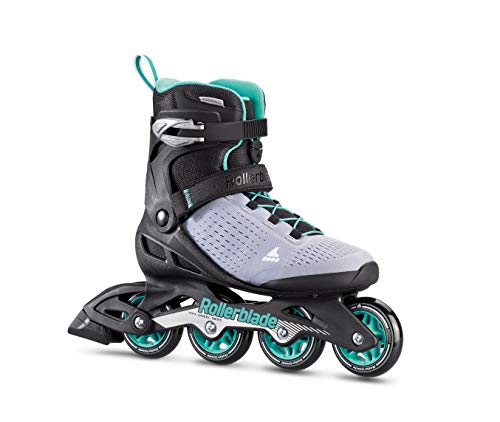
- BUCKLE-Cuff buckle, 45° strap, speed laces
K2 Kinetic 80 Pro
For fitness-focused skaters, the K2 Kinetic 80 Pro offers a responsive fit with its soft boot and 80mm high-rebound wheels. The rockered frame enhances maneuverability, making it ideal for both speed and agility training.

- Speed Lacing – Secures skates with one pull making it easy to put on and…
- Stability Plus Cuff – Provides the right amount of support, flexibility…
- F.B.I. frame – is a vibration-absorbing composite frame that is interlocked…
Powerslide Phuzion Radon 90
Intermediate skaters will love the Powerslide Phuzion Radon 90, featuring 90mm wheels for speed and a trinity mounting system for better power transfer. The adjustable cuff provides ankle support, making it great for urban skating and long-distance rides.

- Gender: women
- Bearings: ABEC 7
- Roll size: 90 mm
Types of Inline Skates and Their Unique Features
Inline skates come in various designs, each optimized for specific activities and skill levels. Understanding these differences ensures you choose the right pair for your needs, whether you’re a beginner or an advanced skater pushing performance limits.
Fitness Inline Skates
Designed for speed and endurance, fitness skates feature larger wheels (80mm-90mm) and lightweight frames. The Rollerblade Macroblade 80, for example, uses an aluminum chassis for efficient energy transfer, making it ideal for long-distance workouts. These skates prioritize comfort with breathable liners and minimal ankle support to encourage natural movement.
Recreational Inline Skates
Perfect for casual skating, recreational models like the K2 Alexis 84 Boa blend comfort and stability. Key features include:
- Softer boots for all-day wear
- Smaller wheels (72mm-80mm) for better control
- Simple braking systems for beginners
These skates often incorporate user-friendly adjustments like BOA lace systems for quick fit customization.
Aggressive Inline Skates
Built for tricks and park skating, aggressive skates like the Roces M12 Lo prioritize durability with:
- Small, hard wheels (54mm-60mm) for grinding
- Reinforced plastic shells to withstand impacts
- Grooved frames for rail slides
The trade-off comes in speed and maneuverability, as these features make them less ideal for distance skating.
Speed Skates
Professional-grade models like the Powerslide R6 feature ultra-light carbon boots and 110mm+ wheels for maximum velocity. Their low-cut design allows full ankle extension but requires significant skill to control. These skates often lack brakes, relying on advanced stopping techniques.
Many beginners mistakenly buy aggressive or speed skates without understanding their specialized nature. For most newcomers, recreational or fitness models provide the best balance of safety and performance while developing fundamental skills.
Pro Tip: Wheel hardness (measured in durometer) significantly affects performance. Softer wheels (74A-82A) absorb vibrations for rough surfaces, while harder wheels (85A+) offer better speed on smooth terrain.
Essential Inline Skating Techniques for Beginners
Mastering fundamental techniques transforms wobbly first attempts into confident strides. These core skills form the foundation for all inline skating disciplines, from recreational skating to advanced maneuvers.
The Proper Stance and Balance
Begin with the ready position: knees bent at 45 degrees, shoulders over hips, and arms slightly forward. This lowers your center of gravity, improving stability. Common mistakes include:
- Leaning too far forward: Causes loss of rear wheel traction
- Standing upright: Makes balancing difficult and increases fall risk
- Looking down: Disrupts overall body alignment
Practice stationary squats before moving to develop muscle memory. The ideal stance should feel like sitting in an invisible chair.
Basic Movement: The Scissor Push
The fundamental propulsion method involves:
- Start in ready position with one foot slightly ahead (scissor position)
- Transfer 70% weight to front foot
- Push diagonally backward with rear foot’s outer wheels
- Alternate feet in smooth, rhythmic motions
Beginners often push straight back, which wastes energy. The 45-degree push angle maximizes efficiency. Expect to cover 2-3 feet per push when starting.
Stopping Techniques
Most recreational skates feature heel brakes, but proper use requires technique:
- Heel Stop: Shift weight to non-braking foot, lift braking foot’s toes, gradually apply pressure
- T-Stop: Advanced method where rear foot forms a “T” behind, using all wheels for friction
Practice stopping at slow speeds first – rushing this skill leads to falls. The average stopping distance at 8mph is 10-15 feet with proper technique.
Turning Fundamentals
Two primary methods exist:
- A-Frame Turn: Point both skates’ toes inward, applying pressure to opposite edges
- Crossover Turn: Advanced technique where outside foot crosses over inside foot
Start with wide, gentle turns before attempting sharp maneuvers. Turning radius decreases as skill improves – beginners typically need 10-12 feet for a 180° turn.
Pro Tip: Always practice new skills on smooth, flat surfaces like empty tennis courts before attempting hills or crowded areas. Carry a skate tool to adjust wheel tightness – slightly looser wheels (able to spin 5-7 seconds when lifted) improve maneuverability for beginners.
Advanced Inline Skating Physics and Performance Optimization
Understanding the biomechanics and physics behind inline skating unlocks higher performance and prevents injuries. These principles apply whether you’re skating for fitness, speed, or tricks.
The Science of Efficient Stride Mechanics
Optimal skating combines three physical principles:
| Principle | Application | Optimal Angle |
|---|---|---|
| Newton’s Third Law | Push angle determines forward force | 45-60° from direction of travel |
| Center of Mass | Knee bend affects stability | 30-45° knee flexion |
| Angular Momentum | Arm swing counters rotational forces | 30° arm swing amplitude |
Elite skaters achieve 85-90% energy transfer efficiency through perfected form. Common inefficiencies include:
- Vertical bouncing: Wastes energy moving up/down instead of forward
- Incomplete pushes: Ending strokes too early loses propulsion
- Overstriding: Extending too far reduces power application
Wheel Dynamics and Surface Interaction
Wheel configuration dramatically affects performance:
- Diameter: Larger wheels (90-110mm) maintain speed better but require more force to accelerate
- Durometer: Hardness ratings (74A-93A) determine grip vs. speed tradeoffs
- Profile: Round-profile wheels maneuver better than flat-cut for most applications
The ideal wheel setup varies by surface type:
| Surface | Recommended Wheel | Optimal Hardness |
|---|---|---|
| Smooth concrete | 85-90mm | 85A-88A |
| Asphalt | 80-84mm | 78A-82A |
| Indoor rinks | 72-76mm | 88A-93A |
Advanced Braking Physics
Understanding stopping dynamics prevents accidents:
- Friction coefficient: Rubber heel brakes typically provide 0.6-0.8μ friction on dry pavement
- Weight distribution: 70/30 front/back weight ratio maximizes stopping power without skidding
- Deceleration rate: Expert skaters achieve 0.4g deceleration (compared to 0.8g for cars)
Pro Tip: Rotate wheels every 8-10 skating hours to prevent uneven wear patterns that affect performance. High-performance bearings (ABEC 7-9) only show benefits above 20mph – most recreational skaters won’t notice differences from ABEC 5 bearings.
Safety Gear and Injury Prevention Strategies for Inline Skaters
Proper protective equipment and safety knowledge reduce injury risk by up to 85% according to sports medicine research. This section covers essential gear specifications and proactive safety measures for skaters of all levels.
Essential Protective Gear Specifications
High-quality safety equipment should meet these minimum standards:
- Helmets: Must be CPSC or ASTM F1492 certified with proper fit (2 fingers between brow and helmet)
- Wrist guards: Should feature rigid splints that extend 2/3 up the forearm
- Knee pads: Require 1.5-inch thick closed-cell foam with hard plastic caps
- Elbow pads: Need contoured designs that don’t slip during movement
Common gear mistakes include:
– Using bicycle helmets (lack rear head coverage)
– Wearing wrist guards over gloves (reduces protection)
– Choosing oversized pads that shift during falls
Fall Dynamics and Impact Absorption
Understanding falling mechanics helps prevent serious injuries:
- Controlled falls: Bend knees and aim for meaty thigh/buttocks areas
- Wrist positioning: Keep hands slightly cupped to avoid hyperextension
- Roll technique: Distribute impact across multiple body parts
Most fractures occur from:
– Outstretched arms (Colles’ fractures)
– Direct knee impacts (patella fractures)
– Side falls (hip fractures in older skaters)
Environmental Hazard Recognition
Advanced skaters learn to identify and navigate these common hazards:
| Hazard Type | Risk Factor | Solution |
|---|---|---|
| Wet surfaces | Reduced friction (40-60%) | Shorten stride, avoid sharp turns |
| Road cracks | Wheel catching | Approach perpendicularly, lift toes |
| Downhill slopes | Speed buildup | Carve turns, use plow stops |
Advanced Safety Protocols
For skaters pushing limits:
- Use high-visibility clothing (300+ lumens for night skating)
- Carry ID with emergency contacts
- Learn basic first aid for skating injuries
- Perform equipment checks before each session (wheel tightness, strap integrity)
Pro Tip: The 10% rule prevents overuse injuries – never increase weekly skating distance/time by more than 10% from previous weeks. For optimal protection, replace helmets every 3-5 years as materials degrade.
Maintenance, Longevity and Cost Optimization for Inline Skates
Proper maintenance can triple the lifespan of inline skates while maintaining peak performance. This section provides a detailed roadmap for equipment care, cost-effective upgrades, and long-term investment strategies.
Comprehensive Maintenance Schedule
Follow this professional-grade maintenance timeline:
| Component | Weekly Care | Monthly Care | Annual Care |
|---|---|---|---|
| Bearings | Wipe exterior with dry cloth | Deep clean with bearing cleaner | Replace if worn (test spin <4sec) |
| Wheels | Check for debris in treads | Rotate positions | Replace if worn to 5mm tread |
| Frame | Inspect for cracks | Tighten all bolts | Check alignment with straight edge |
Cost-Benefit Analysis of Upgrades
Strategic upgrades can enhance performance without full replacement:
- Wheels: High-rebound urethane (85-88A) offers 20% better energy return than basic wheels ($40-80/set)
- Bearings: Ceramic hybrids reduce friction by 15% but cost 5x more than steel ($100+ vs $20)
- Liners: Heat-moldable liners improve fit and comfort ($80-150) but require professional fitting
Environmental Considerations
Eco-conscious skaters should consider:
- Choosing wheels with biodegradable urethane compounds
- Using plant-based lubricants for bearings
- Repurposing old skates as trainers or donating components
Future-Proofing Your Equipment
Industry trends suggest:
- Modular designs allowing component swaps
- Smart skates with embedded sensors
- Sustainable materials becoming standard
Pro Tip: Keep a maintenance log tracking hours skated, rotations, and replacements. High-quality skates maintained properly can last 5-7 years with $150-200 in parts, compared to $300+ annually for cheap skates requiring full replacement.
Advanced Training Methods and Performance Optimization
Serious inline skaters can achieve significant performance gains through structured training regimens that incorporate sports science principles. This section details professional-level techniques for maximizing speed, endurance, and technical skill development.
Periodized Training Programs
Elite skaters follow scientifically-designed cycles:
| Phase | Duration | Focus | Intensity |
|---|---|---|---|
| Base Building | 8-12 weeks | Aerobic capacity | 60-70% max HR |
| Strength Phase | 6 weeks | Power development | 80-90% max HR |
| Peak Phase | 4 weeks | Speed endurance | 90-95% max HR |
Technical Skill Drills
Advanced skaters should incorporate these specialized exercises:
- Single-leg glides: Develop balance and edge control (aim for 8-10 second holds)
- Crossover pyramids: Build turning efficiency (5-7 consecutive crossovers each direction)
- Interval sprints: Improve acceleration (30s sprint/90s recovery x 8-10 sets)
Cross-Training Synergies
Complementary activities enhance skating performance:
- Cycling: Develops quad endurance without impact (2:1 time ratio recommended)
- Plyometrics: Increases explosive power (box jumps, depth drops)
- Yoga: Improves flexibility and core stability (focus on hip openers)
Nutrition and Recovery Protocols
Optimal fueling strategies include:
- 30g protein within 30 minutes post-training
- 6-8% carbohydrate solutions during long sessions
- Electrolyte replacement for sessions >90 minutes
Pro Tip: Use video analysis to identify technical flaws – film from multiple angles and review in slow motion. The most common correctable errors include insufficient knee bend (should maintain 100-110° angle during strides) and incomplete push-offs (should fully extend to 160-170°).
Competition Preparation and Event-Specific Strategies
Transitioning from recreational to competitive inline skating requires specialized preparation across physical, technical, and psychological domains. This section provides a comprehensive roadmap for optimizing performance in various competitive formats.
Event-Specific Training Protocols
Different competition types demand unique preparation approaches:
| Event Type | Key Focus Areas | Training Ratio | Equipment Specs |
|---|---|---|---|
| Sprint (200m-500m) | Anaerobic power, starts | 70% speed work | Low-cut boots, 110mm wheels |
| Marathon (42km) | Aerobic endurance, pacing | 80% distance work | Carbon boots, 125mm wheels |
| Slalom/Artistic | Precision, edge control | 60% technical drills | Short frames, 76-80mm wheels |
Competition Timeline Preparation
Professional-level preparation follows this 12-week structure:
- Weeks 1-4: Base conditioning (500+ weekly training minutes)
- Weeks 5-8: Event-specific intensity (interval training at 90-110% race pace)
- Weeks 9-11: Taper phase (reduce volume by 40% while maintaining intensity)
- Week 12: Peak performance (complete rest 2 days pre-event)
Advanced Race Day Strategies
Maximize competition performance with these techniques:
- Course reconnaissance: Walk the track to identify optimal passing zones and hazard areas
- Warm-up protocol: 30-minute progressive activation (dynamic stretches → technique drills → pace simulation)
- Nutrition timing: 3g/kg carbs 3 hours pre-event, 30g fast-acting carbs 30 minutes before
Risk Management Framework
Competitive skating risk assessment should address:
| Risk Factor | Probability | Impact | Mitigation Strategy |
|---|---|---|---|
| Equipment failure | Medium (15%) | High | Pre-race inspection checklist |
| Collisions | High (25%) | Critical | Positioning awareness drills |
| Weather changes | Variable | Medium | Multiple wheel hardness options |
Pro Tip: Develop a pre-race routine including visualization techniques – elite skaters who mentally rehearse their race 5-7 times show 12-15% better performance under pressure. Record and analyze all competition performances to identify patterns in pacing, technical breakdowns, and strategic opportunities.
Conclusion
Inline skating offers an exhilarating blend of fitness, skill, and freedom that appeals to all ages and ability levels. From choosing the right equipment to mastering advanced techniques, we’ve covered the essential knowledge to help you skate safely and confidently.
Remember that progression comes through consistent practice and proper preparation. Whether you’re gliding through parks or competing professionally, the fundamentals of stance, stride, and safety remain your foundation.
The world of inline skating continues evolving with new technologies and techniques. Stay curious – explore different disciplines, connect with skating communities, and keep challenging your limits.
Now it’s your turn to experience the joy of inline skating. Lace up your skates, gear up properly, and take that first push toward your skating journey. The pavement awaits your wheels!
Frequently Asked Questions About Inline Skating
What’s the difference between inline skates and roller skates?
Inline skates feature wheels in a single row, offering greater speed and maneuverability, while traditional roller skates have two parallel wheel sets for enhanced stability. The inline design allows for more efficient energy transfer, making them ideal for fitness skating and urban commuting. Wheel positioning significantly affects turning radius and stride mechanics.
Beginners often find roller skates easier to balance on initially, but inline skates provide better long-term versatility. Professional speed skaters exclusively use inline configurations due to their aerodynamic advantages and superior power transfer capabilities.
How do I choose the right wheel size for my skating style?
Wheel diameter directly impacts performance characteristics – smaller wheels (72-80mm) offer quicker acceleration for tricks and slalom, while larger wheels (90-125mm) maintain speed better for distance skating. Consider your primary use: urban skating typically benefits from 80-90mm wheels with 82A-85A hardness.
Advanced skaters often use mixed wheel setups (rockering) for specific disciplines. For example, speed skaters might use 3x110mm + 1x100mm configurations. Always match wheel hardness to surface conditions – softer for rough asphalt, harder for smooth concrete.
What’s the proper way to stop on inline skates?
The heel brake is the safest stopping method for beginners. Shift your weight to the non-braking foot, lift the braking foot’s toes, and gradually apply pressure. More advanced skaters master the T-stop, dragging one foot perpendicular behind at a 90-degree angle.
For emergency stops, practice the plow stop (forming a V with both skates) or power slide (advanced technique requiring precise edge control). Always practice new stopping methods at slow speeds first, progressing gradually as confidence builds.
How often should I replace my skate bearings?
Quality bearings typically last 6-12 months with regular maintenance. Signs of wear include decreased roll distance, grinding noises, or visible rust. Clean bearings monthly with specialized cleaner and lubricate with speed cream for optimal performance.
ABEC ratings indicate precision tolerance, not necessarily durability. For most recreational skaters, ABEC 5-7 bearings provide the best value. Competitive skaters may prefer Swiss or ceramic bearings despite higher costs for marginal performance gains.
Can inline skating help with weight loss?
Inline skating burns 400-600 calories per hour at moderate intensity, making it an excellent cardiovascular workout. The low-impact nature reduces joint stress compared to running while engaging core muscles for balance and toning.
For optimal fat burning, maintain 60-70% of your maximum heart rate for 45+ minute sessions. Interval training (alternating sprints and recovery) boosts metabolism significantly. Combine skating with strength training for comprehensive fitness results.
How do I prevent blisters when breaking in new skates?
Wear proper skating socks (synthetic blends with reinforced heels) and use moleskin patches on potential hot spots. Break in skates gradually with multiple short sessions before attempting long distances. Heat-moldable liners can customize fit for individual foot shapes.
Ensure proper sizing – your toes should lightly brush the front when standing straight, with no heel lift when bending knees. Over-tightening causes circulation issues and increases friction. Consider aftermarket insoles for better arch support if needed.
What safety gear is absolutely essential for beginners?
Certified helmets, wrist guards, knee pads, and elbow pads form the essential protective set. Look for CE or ASTM safety certifications. Wrist guards should have rigid splints covering both palm and backside to prevent hyperextension injuries.
Additional protection like padded shorts and mouthguards benefit those attempting tricks or skating at high speeds. Reflective elements or lights are crucial for evening skating. Never sacrifice protection for style – proper gear prevents 87% of serious injuries.
How can I improve my skating endurance for long distances?
Build endurance progressively using the 10% rule – increase weekly distance no more than 10%. Focus on efficient stride technique to conserve energy, maintaining 80-90 strides per minute. Hydration and nutrition during skates become critical beyond 90 minutes.
Cross-training with cycling strengthens complementary muscle groups. Breathing control (inhale for 2 strides, exhale for 3) optimizes oxygen use. Record and analyze your sessions to identify energy leaks in your form or pacing strategy.