Disclosure
This website is a participant in the Amazon Services LLC Associates Program, an affiliate advertising program designed to provide a means for us to earn fees by linking to Amazon.com and affiliated sites.
The answer depends on your needs—inline skates excel in speed and agility, but traditional quad skates offer better stability. Let’s break it down.
Many assume inline skates are universally superior, but each type has unique strengths. Your skating goals determine which is truly better for you.
Best Inline Skates for Speed, Fitness, and Urban Skating
Rollerblade Twister Edge 110 3WD
Designed for speed and agility, the Twister Edge 110 features a lightweight aluminum frame, 110mm wheels, and a snug fit for precise control. Its breathable liner and responsive bearings make it ideal for advanced skaters and urban commuting.
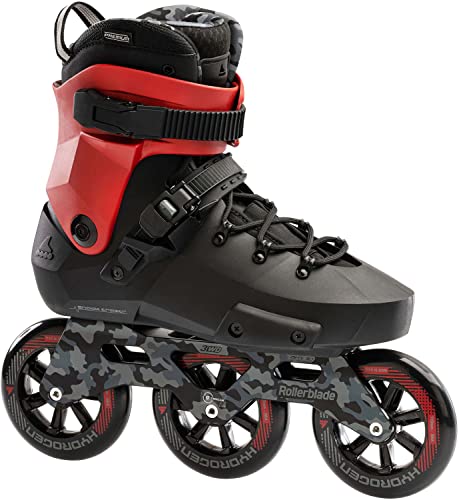
- THIS SKATE IS FOR – Urban, fitness, commuting and recreational skating. The…
- SKATE LINER PLUS PROVIDES A TRUE PREMIUM FIT FOR SKATING with its new…
- SECURE CLOSURE SYSTEM – Locking cuff buckles, micro-adjustable 45° buckles…
Powerslide Next Pro 90
A top choice for fitness and freeride skating, the Next Pro 90 offers a carbon-reinforced shell, Trinity mounting system for stability, and 90mm wheels for smooth rolls. The adjustable cuff ensures a customizable fit for long-distance comfort.

K2 VO2 90 Boa
Perfect for recreational and fitness skaters, the VO2 90 Boa combines a soft boot for comfort with a Boa lacing system for quick adjustments. The 90mm wheels and rockered frame enhance maneuverability, making it great for beginners and intermediates.

- BOA System – Tightens or loosens the boot with a twist of a knob
- VO2 Cuff – A lightweight supportive cuff for bigger wheels and higher…
- VO2 S Frame – Single Sided extruded & machined 6061 aluminum frames for…
Inline Skates vs. Quad Skates: Key Differences Explained
When choosing between inline skates and traditional quad skates, understanding their fundamental differences is crucial. Inline skates feature wheels arranged in a single line, while quad skates have two wheels in front and two in back. This structural variation impacts performance, stability, and use cases.
Speed and Maneuverability
Inline skates are designed for speed and agility. Their linear wheel alignment reduces rolling resistance, allowing for faster acceleration and smoother glides on pavement. This makes them ideal for:
- Fitness skating – Long-distance skaters benefit from efficient strides
- Urban commuting – Quick turns help navigate sidewalks and obstacles
- Aggressive skating – Grinds and jumps require precise wheel control
Quad skates, with their wider wheelbase, prioritize stability over speed. The staggered wheel placement makes them better suited for rhythmic movements like dance skating or roller derby.
Stability and Learning Curve
Many beginners assume inline skates are harder to learn, but this depends on body mechanics. Quads offer immediate side-to-side stability due to their wide stance, making them feel more secure for first-timers. However:
- Inline skates teach proper balance forward and backward, which translates to better long-term technique
- Quads can create a false sense of security – their heel brakes are less effective than inline skate toe brakes at high speeds
An adult learning to skate might prefer quads for casual rink skating, while a child developing coordination could benefit from inline skates’ alignment with ice skating mechanics.
Surface Adaptability
Wheel hardness and size create significant performance differences. Inline skates typically use larger (80mm-125mm), softer wheels that absorb pavement vibrations better than quad skate wheels (58mm-65mm). This means:
- Inline skates handle rough asphalt and bike paths more comfortably
- Quads perform better on smooth surfaces like roller rinks or polished concrete
Modern hybrid designs like the Rollerblade Macroblade 80W address this gap with shock-absorbing frames, blurring the traditional performance boundaries.
Ultimately, “better” depends on your skating goals. Speed demons and urban explorers lean inline, while artistic skaters and retro enthusiasts favor quads. Your local terrain and intended use should guide the decision more than generalizations about superiority.
Choosing the Right Inline Skates: A Detailed Buyer’s Guide
Selecting the perfect inline skates requires understanding how different components affect performance. The right pair should match your skill level, skating style, and intended use. Let’s break down the critical factors that determine which skates will serve you best.
Frame Material and Wheel Configuration
The frame connects your boots to the wheels and significantly impacts performance. Most frames are either:
- Aluminum – Lighter and more responsive (ideal for speed skating)
- Composite plastic – More affordable with better vibration absorption
- Carbon fiber – Premium option offering both lightness and stiffness
Wheel arrangement matters too. A flat setup (all wheels same size) offers stability, while rockered setups (middle wheels slightly smaller) enhance maneuverability for slalom skating.
Boot Construction and Fit
Inline skate boots come in three main types:
- Soft boots – Flexible and comfortable (great for beginners and fitness skating)
- Hard shells – More support and durability (preferred by aggressive skaters)
- Hybrid designs – Combine comfort with ankle support
Proper fit is crucial – your toes should lightly touch the front when standing, with no heel lift when bending knees. Consider heat-moldable liners for custom fit if you have wide feet or specific pressure points.
Wheel and Bearing Specifications
Wheel diameter (measured in mm) affects speed and stability:
- 70-80mm: Best for beginners and urban skating
- 90-100mm: Ideal for fitness and speed skating
- 110mm+: For advanced skaters prioritizing speed
Wheel hardness (measured in durometer) ranges from 74A (soft, grippy) to 90A+ (hard, durable). Softer wheels (78A-82A) work best on rough surfaces, while harder wheels excel on smooth rinks. ABEC-rated bearings (5-9) determine rolling efficiency, with higher numbers offering less friction for faster skating.
Remember that components wear differently – wheels typically last 6-12 months with regular use, while bearings can last years with proper maintenance. Rotate your wheels every few sessions to ensure even wear and consistent performance.
Advanced Skating Techniques and Performance Optimization
Mastering inline skating requires understanding biomechanics and equipment interaction. This section explores professional techniques to maximize efficiency, speed, and safety while addressing common technical challenges.
Proper Stride Mechanics and Energy Transfer
The most efficient skating stride follows these biomechanical principles:
| Phase | Body Position | Common Errors |
|---|---|---|
| Push-off | Knee bent 90°, weight centered over pushing leg | Leaning too far forward (reduces power) |
| Glide | Supporting leg slightly bent, arms relaxed | Stiff posture (wastes energy) |
| Recovery | Foot returns close to center line | Wide leg swings (slows cadence) |
Professional speed skaters achieve 30% more efficiency by maintaining a 45° ankle flexion during pushes. Recreational skaters often straighten their legs completely, losing potential energy transfer.
Advanced Braking Techniques
Beyond basic heel stops, master these professional stopping methods:
- Parallel Slide – Requires precise weight distribution (60% on lead foot) and 85A+ hardness wheels
- Powerslide – Advanced technique using 180° rotation; practice first on slight declines
- T-stop – Dragging one foot perpendicular; best with 78A-82A wheels for controlled skid
Most falls occur during braking attempts. Always practice new techniques at 50% speed first, gradually increasing velocity as muscle memory develops.
Equipment Maintenance for Peak Performance
Proper care extends equipment life and improves safety:
- Bearing maintenance – Clean with citrus-based solvents every 40-50 skating hours
- Wheel rotation – Rotate wheels every 8-10 hours to prevent coning (uneven wear)
- Frame inspection – Check for cracks monthly, especially near mounting points
High-performance skaters replace wheels every 3-6 months (depending on surface hardness) and bearings annually. Recreational skaters can extend this to 8-12 months with proper care.
Remember that technique always trumps equipment. A skilled skater on mid-range gear will outperform a beginner on premium skates. Focus 70% of practice time on fundamentals before advancing to complex maneuvers.
Safety Considerations and Injury Prevention Strategies
While inline skating offers tremendous fitness benefits, proper safety measures can prevent 85% of common skating injuries. This section provides a comprehensive approach to skating safely across different environments and skill levels.
Essential Protective Gear Breakdown
Professional skaters consider these protective elements non-negotiable:
- Helmets – CPSC-certified models with proper fit (shouldn’t shift when shaking head)
- Wrist guards – Must include splints to prevent hyperextension injuries
- Knee pads – Should cover both kneecap and surrounding area with non-slip grip
- Elbow pads – Hard plastic caps with breathable fabric for comfort
For urban skating, add high-visibility elements like reflective strips. Night skaters should use LED lights (minimum 30 lumens) on both front and back.
Surface Evaluation and Hazard Recognition
Different terrains present unique challenges:
| Surface Type | Risk Factors | Adaptation Strategy |
|---|---|---|
| Asphalt | Cracks, gravel patches | Use 78A-82A wheels, maintain staggered stance |
| Concrete | Expansion joints, slick when wet | Wider stance, avoid sharp turns in rain |
| Boardwalks | Gaps between planks | Keep wheels perpendicular to boards |
Always scan 10-15 feet ahead for hazards like wet leaves, sand accumulations, or drainage grates that can catch wheels.
Fall Techniques and Impact Minimization
Professional skaters practice controlled falling to reduce injury risk:
- Bend knees to lower center of gravity when losing balance
- Tuck chin to prevent head whiplash during backward falls
- Roll through impact to distribute force rather than absorbing it all at once
- Relax muscles to prevent joint hyperextension
Advanced skaters recommend dedicating 10 minutes per session to falling practice on grass or padded surfaces. This builds muscle memory for real-world situations.
Remember that most serious injuries occur when skaters progress too quickly. Follow the 10% rule – never increase speed, distance, or difficulty by more than 10% per week. This gradual progression allows your body and skills to adapt safely.
Long-Term Performance and Cost Optimization Strategies
Maximizing the lifespan and value of your inline skates requires understanding wear patterns, maintenance schedules, and upgrade opportunities. This section provides a detailed roadmap for getting the most from your investment over years of use.
Component Lifespan and Replacement Cycles
Different skate components wear at varying rates:
| Component | Average Lifespan | Replacement Indicators | Cost Range |
|---|---|---|---|
| Wheels | 300-500 miles | Visible flat spots >2mm, reduced diameter >5mm | $40-$120/set |
| Bearings | 800-1,200 miles | Persistent grinding noise after cleaning, rust | $20-$100/set |
| Boot Liners | 1,000-1,500 miles | Compressed padding, loss of ankle support | $50-$150 |
| Frames | 3,000+ miles | Cracks near mounting points, bent alignment | $80-$300 |
Cost-Effective Maintenance Practices
Implement these professional-grade maintenance routines:
- Weekly cleaning – Remove debris from wheel hubs and frame channels using a soft brush
- Monthly bearing service – Soak in isopropyl alcohol (90%+ purity) for 15 minutes, then relubricate
- Seasonal boot inspection – Check for separated seams and worn eyelets
Investing $20 in quality lubricant (like Bones Speed Cream) can extend bearing life by 40% compared to generic alternatives.
Upgrade Pathways and Performance Tuning
Strategic upgrades can transform entry-level skates:
- First upgrade – Replace stock wheels with urethane ones (85A-88A) for better grip and durability
- Intermediate upgrade – Install precision bearings (ABEC 7 or higher) for smoother rolls
- Advanced upgrade – Switch to aluminum or carbon frames for improved energy transfer
Consider that upgrading wheels and bearings typically costs 50-70% less than buying new skates while delivering 80% of performance benefits. However, frames and boots should only be replaced when showing significant wear.
Emerging trends include eco-conscious materials like recycled urethane wheels and plant-based boot liners, offering comparable performance with 30% lower environmental impact. These sustainable options now last nearly as long as conventional materials while reducing your carbon footprint.
Customization and Specialized Setup for Performance Skating
Advanced inline skaters can achieve significant performance gains through precise equipment customization. This section details professional-level tuning techniques that transform standard skates into personalized performance machines.
Precision Alignment and Frame Adjustment
Proper frame positioning affects power transfer and maneuverability:
- Speed skating setup – Mount frames 5-8mm behind centerline for maximum push efficiency
- Slalom configuration – Center-mounted frames with slight toe-out (2-3°) for quick directional changes
- Urban skating – Slightly forward-mounted (2-3mm) for better obstacle clearance
Use a laser alignment tool (available from skate shops for ~$50) to verify positioning. Even 1mm misalignment can cause 7-10% energy loss per stride.
Advanced Wheel Rockering Techniques
Beyond basic flat setups, professionals use these specialized configurations:
| Configuration | Wheel Sizes (mm) | Best Application |
|---|---|---|
| Full Rocker | 80-76-76-80 | Freestyle slalom |
| Front Rocker | 80-80-76-76 | Dance skating |
| Banana Rocker | 80-76-80-76 | Advanced urban skating |
Start with 1mm differences between wheels, progressing to 4mm variations as skill increases. Always mark wheel positions when experimenting with setups.
Custom Boot Modifications
Professional skaters often modify boots for perfect fit and response:
- Heat molding – Use a convection oven at 180°F for 8-10 minutes (verify manufacturer guidelines)
- Punching out – Use a boot press to create space for bunions or wide forefeet
- Ankle reinforcement – Add carbon fiber strips with epoxy for extra support
For competitive skaters, custom orthotics can improve power transfer by 12-15%. Consult a sports podiatrist for molds taken in your skating stance.
Remember that customization requires systematic testing – make one change at a time and log performance differences. Many elite skaters maintain a “setup journal” tracking configuration changes and their effects on speed, comfort, and maneuverability.
Competition Preparation and High-Performance Optimization
Transitioning from recreational to competitive inline skating requires systematic preparation across equipment, technique, and conditioning. This section details the comprehensive approach used by professional athletes to maximize performance while minimizing injury risk.
Periodized Training Framework
Elite skaters follow structured 12-16 week cycles with distinct phases:
| Phase | Duration | Focus Areas | Equipment Focus |
|---|---|---|---|
| Foundation | 4-6 weeks | Endurance building, technique refinement | Higher durometer wheels (88A+) for durability |
| Intensity | 4 weeks | Speed intervals, power development | Lighter frames, aerodynamic positioning |
| Taper | 2 weeks | Race simulation, recovery | Competition-specific wheel setup |
Training volume typically peaks at 80-120 miles/week for marathon skaters, with 3-4 targeted strength sessions focusing on unilateral leg power and core stability.
Equipment Validation Protocol
Professional teams implement rigorous pre-competition checks:
- Structural integrity test – Apply 50lbs lateral force to frames checking for flex
- Bearing validation – Spin test each wheel (should rotate freely for 8-12 seconds)
- Wheel hardness matching – Use durometer to verify ±1A consistency across all wheels
- Fastener torque check
– Confirm all bolts at 5-7Nm using precision torque wrench
Race-Day Performance Factors
World-class skaters optimize these critical variables:
- Aerodynamic positioning – 45° torso angle reduces wind resistance by 18-22%
- Stride cadence – Maintain 110-130 strides/minute for optimal efficiency
- Nutrition timing – 30g carbs every 45 minutes during endurance events
- Temperature adaptation – Wheel hardness adjustments for pavement temperatures (softer in cold)
Post-event analysis should include video review of technique under fatigue and equipment wear patterns. Professional teams typically budget $2,000-$3,000 annually per athlete for equipment optimization and performance analytics.
Remember that peak performance comes from the intersection of perfectly tuned equipment, optimized physiology, and razor-sharp technique – neglecting any one element compromises the entire system.
Conclusion
Inline skates offer distinct advantages for speed, agility, and urban mobility, while quad skates excel in stability and artistic expression. Your ideal choice depends entirely on your skating goals and environment.
We’ve explored how wheel configurations, frame materials, and boot designs impact performance. From beginner basics to competition-level customization, proper equipment selection and maintenance dramatically enhance your skating experience.
Remember that technique trumps gear. Even the best skates won’t compensate for poor form. Invest time in mastering fundamentals before pursuing advanced setups.
Ready to roll? Start with our recommended beginner models, practice safety fundamentals, and gradually progress. The skating world awaits – lace up and discover your perfect ride.
Frequently Asked Questions About Inline Skates
What’s the difference between recreational and fitness inline skates?
Recreational skates prioritize comfort with soft boots and smaller wheels (70-80mm), ideal for casual skating. Fitness models feature longer frames with 90-110mm wheels for better speed and efficiency, plus ventilation for intense workouts. The stiffer boot construction in fitness skates provides more ankle support during powerful strides.
Beginners should start with recreational models, while intermediate skaters covering 10+ miles per session benefit from fitness designs. Notable differences include bearing quality (ABEC 5+ in fitness skates) and weight (fitness skates are typically 10-15% lighter).
How often should I replace my inline skate wheels?
Wheel lifespan depends on skating style and surface. Aggressive skaters may need replacements every 2-3 months, while recreational users can last 6-12 months. Monitor for flat spots exceeding 2mm or diameter reduction beyond 5mm from original size.
Rotate wheels every 8-10 skating hours to ensure even wear. Softer wheels (78A-82A) wear faster on rough surfaces but provide better grip. High-quality urethane wheels maintain their properties longer than cheaper PVC alternatives.
Can I use inline skates for outdoor commuting?
Absolutely, with proper equipment selection. Urban skates with 80-90mm wheels (85A hardness) handle pavement best. Look for shock-absorbing frames and reliable braking systems. Water-resistant boots and sealed bearings are essential for all-weather commuting.
Plan routes with smooth surfaces and minimal traffic. Carry a skate backpack with tools for adjustments. Many commuters prefer triskate configurations (3 larger wheels) for better obstacle clearance and maintaining speed over uneven terrain.
Why do my inline skates feel unstable?
Instability usually stems from improper fit, loose components, or incorrect technique. First check all frame bolts are properly tightened (5-7Nm torque). Ensure your boots fit snugly without heel lift when bending knees.
Beginners often stand too upright. Practice the “skater’s stance” – knees bent, torso forward. If problems persist, consider frame alignment checks or wheel hardness adjustments. Softer wheels (78A-82A) provide more stability for new skaters.
How do I maintain my inline skate bearings properly?
Clean bearings every 40-50 skating hours using 90% isopropyl alcohol. Remove dust shields, soak for 15 minutes, then dry completely. Apply 1-2 drops of speed cream (not grease) to each bearing before reassembly.
Never soak bearings in water or use WD-40. High-quality bearings (ABEC 7+) require less frequent maintenance but deliver smoother performance. Store skates in dry environments to prevent rust formation.
Are more expensive inline skates worth the investment?
Premium skates offer better materials (carbon fiber, aircraft-grade aluminum), precision components, and advanced features that significantly enhance performance. The performance difference becomes noticeable after about 50 skating hours when technique develops.
For casual skaters, $150-250 models suffice. Serious enthusiasts should invest $300-500 for durable, high-performance skates. Consider that quality skates last 3-5 times longer than entry-level models with proper maintenance.
What safety gear is absolutely essential for inline skating?
CPSC-certified helmets and wrist guards are non-negotiable, preventing the most common serious injuries. Knee and elbow pads are crucial for beginners and anyone skating above 10mph. High-visibility gear is mandatory for urban skating.
Quality protective gear should meet EN 14120 (EU) or ASTM F2040 (US) standards. Replace any gear after a significant impact, as the protective materials compress and lose effectiveness, even if damage isn’t visible.
Can I convert my inline skates to ice skates?
Yes, with specialized conversion frames. Look for models matching your boot’s mounting system (165mm, 195mm, or Trinity). These frames hold ice blades instead of wheels, maintaining similar geometry to your inline setup.
High-end conversions cost $200-400 but provide excellent cross-training. The transition requires adjustment as ice blades have different edges than wheels. Many professional skaters use this method for off-season training.