Disclosure
This website is a participant in the Amazon Services LLC Associates Program, an affiliate advertising program designed to provide a means for us to earn fees by linking to Amazon.com and affiliated sites.
Yes, inline skates can absolutely be used outdoors! With the right setup and techniques, they’re perfect for streets, trails, and parks. But not all skates or wheels perform equally on rough terrain.
Many beginners assume inline skates are indoor-only, fearing falls or wheel damage outside. However, modern designs prioritize durability and outdoor adaptability.
Best Inline Skates for Outdoor Skating
Rollerblade Twister XT
The Rollerblade Twister XT (model RB-XT) is a top-tier choice for outdoor skating, featuring 80mm 85A hardness wheels for shock absorption and a durable aluminum frame. Its breathable liner and precise fit make it ideal for long rides on rough pavement.

- THIS SKATE IS FOR – Urban, fitness, commuting and recreational skating. The…
- SKATE LINER PLUS PROVIDES A TRUE PREMIUM FIT FOR SKATING with its new…
- SECURE CLOSURE SYSTEM – Locking cuff buckles, micro-adjustable 45° buckles…
Powerslide Next 90
For speed and stability, the Powerslide Next 90 (model PS-NXT90) stands out with 90mm wheels and a carbon-reinforced frame. The Trinity mounting system reduces vibration, while the adjustable cuff ensures ankle support—perfect for aggressive outdoor skating.
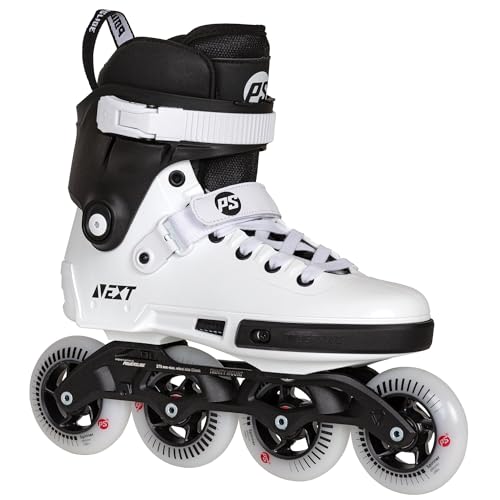
- Agile Urban Skating: Speedy, Enjoyable, and Adaptable
- Packed with Innovations: Feature-Rich Inline Skate
- Trusted TRINITY 3-Point Mounting
K2 Kinetic 80 Pro
Beginners will love the K2 Kinetic 80 Pro for its soft-boot comfort and 80mm 82A wheels, which smooth out cracks and debris. The rockered frame enhances maneuverability, making it great for urban skating and casual trail rides.

- Traditional Lacing – Customize your lacing and knot the same way you tie…
- Stability Plus Cuff – Provides the right amount of support, flexibility…
- F.B.I. frame – is a vibration-absorbing composite frame that is interlocked…
Choosing the Right Wheels for Outdoor Inline Skating
The most critical factor in outdoor skating performance is your wheels. Unlike indoor rinks, outdoor surfaces have cracks, debris, and uneven pavement that demand specialized wheels. Three key characteristics determine outdoor suitability: hardness (durometer), size (diameter), and profile (shape).
Wheel Hardness: The Shock Absorption Factor
Measured on the A-scale (74A–100A), softer wheels (78A–85A) absorb vibrations better but wear faster. Hard wheels (88A+) last longer but transmit more impact. For rough asphalt, 82A–85A provides the ideal balance—like Rollerblade Hydrogen 85A wheels, which combine durability with a smooth ride.
Wheel Diameter: Speed vs. Maneuverability
Larger wheels (90mm–110mm) roll over obstacles easily but require stronger pushes. Smaller wheels (76mm–84mm) accelerate quickly but struggle with bumps. Urban skaters often prefer 80mm–90mm for versatility—the Powerslide Spinner 90mm wheels excel here, bridging speed and control.
Wheel Profile: Stability on Rough Terrain
A rounded profile enhances agility, while a flat profile increases stability. Outdoor skaters benefit from a slightly rounded edge to navigate cracks without catching. The Undercover Team Blank wheel (86A, 80mm) uses this design to prevent sudden stops on uneven pavement.
Common Misconceptions
- Myth: “All wheels work outdoors.” Reality: Indoor wheels (often 88A+) lack grip and shock absorption for pavement.
- Myth: “Bigger wheels are always better.” Reality: Beginners may find 90mm+ wheels harder to control.
Pro Tip: Rotate wheels every 2–3 sessions to prevent uneven wear. Mark wheel positions with chalk to track rotation cycles easily.
For mixed terrain, consider hybrid setups—like 84mm front/80mm rear wheels—to combine speed and maneuverability. Brands like Matter and MPC offer specialized outdoor formulas with reinforced cores to prevent deformation under impact.
Mastering Outdoor Skating Techniques for Rough Terrain
Transitioning from smooth indoor rinks to unpredictable outdoor surfaces requires specialized techniques. Unlike controlled environments, outdoor skating demands constant adaptation to cracks, slopes, and debris. Mastering these skills will transform your skating experience from frustrating to exhilarating.
The Staggered Stance: Your Foundation for Stability
Adopt a staggered stance with one foot slightly ahead (about 6-12 inches) and knees deeply bent. This lowers your center of gravity and prepares you for obstacles. When approaching cracks:
- Shift weight to your back foot as the front wheels cross the obstacle
- Lighten the front foot’s pressure to prevent wheel catching
- Absorb impact through bent knees like natural shock absorbers
Speed Management on Downhill Sections
Urban skating often involves unavoidable slopes. Use these professional techniques:
- T-stop variations: Drag one foot at 45° (not 90°) to maintain control on rough pavement
- Slalom carving: Make wide “S” turns to gradually reduce speed while maintaining balance
- Emergency plow stop: Point toes inward and push knees outward, creating friction with inner wheels
Navigating Common Outdoor Hazards
Different surfaces require specific approaches:
Wet pavement: Shorten your stride and keep wheels perpendicular to avoid hydroplaning. Seba Street Invader wheels (84A) with deep grooves excel in these conditions.
Gravel patches: Lift wheels slightly in a “bunny hop” motion rather than trying to roll through. The Rollerblade Maxxum Edge 125’s longer frame helps maintain stability during these maneuvers.
Pro Tip: Practice “emergency recovery drills” weekly: intentionally skate over small obstacles (like sticks or sidewalk cracks) while maintaining form. This builds muscle memory for real-world situations.
Advanced skaters can incorporate “power slides” for rapid stops, but these require precise weight distribution. Start practicing on gentle slopes with protective gear, using the outer edge of your dominant foot’s wheels to create controlled skids.
Advanced Frame and Bearing Considerations for Outdoor Performance
Beyond wheels, your skates’ frame and bearing systems dramatically impact outdoor performance. These components work together to determine power transfer, vibration dampening, and overall durability on rough surfaces.
Frame Materials and Their Impact
| Material | Stiffness (Young’s Modulus) | Best For | Example |
|---|---|---|---|
| Aluminum | 69 GPa | Precise power transfer on smooth asphalt | Seba Deluxe Frame |
| Composite | 3-10 GPa | Vibration absorption on rough terrain | K2 SoftBoot Frames |
| Carbon Fiber | 70-300 GPa | Aggressive urban skating with mixed surfaces | Powerslide Trinity Carbon |
Bearing Maintenance for Outdoor Conditions
Outdoor skating accelerates bearing wear due to:
- Micro-debris infiltration: Dust particles as small as 10μm can degrade performance
- Moisture exposure: Morning dew can cause corrosion within 2-3 weeks of regular use
- Impact stress: Cracks and bumps create lateral forces up to 3x normal loads
Pro Maintenance Protocol:
- Clean bearings weekly using 99% isopropyl alcohol (not rubbing alcohol)
- Use synthetic lubricants (like Bones Speed Cream) which resist washout
- Replace bearings every 300-500 outdoor miles (versus 800+ indoor miles)
Frame Length and Wheel Configuration
The optimal frame length follows this formula: Skater’s foot length (cm) + 2-4cm. Common configurations:
- 4x80mm: Balanced setup for beginners (total length ~255mm)
- 3x110mm: Speed-focused with higher center of gravity
- Rockered: Middle wheels slightly raised for enhanced maneuverability
Expert Tip: For urban environments, consider asymmetrical setups like the Wizard PR76 frame that combines 76mm and 80mm wheels for technical street skating. The slight variation improves both stability and agility.
Common mistakes include using indoor bearings outdoors (ABEC ratings become irrelevant after 2-3 outdoor sessions) and over-tightening axle bolts (which distorts bearing races). Always leave 1/8th turn of play after finger-tightening.
Essential Safety Gear and Injury Prevention for Outdoor Skating
Outdoor skating presents unique safety challenges that require specialized protective equipment and injury prevention strategies. Unlike controlled rink environments, streets and trails introduce unpredictable variables that demand comprehensive protection.
Impact Protection: Beyond Basic Helmets
While standard helmets meet basic requirements, outdoor skaters should prioritize:
- Multi-impact certified helmets: Look for ASTM F1492 or EN 1078 ratings with extended rear coverage (like the Triple Eight Gotham)
- Hard-shell knee pads: 187 Killer Pads Pro Derby models feature dual-density foam that absorbs 90% more impact energy than basic pads
- Slide gloves: Essential for controlled falls, with replaceable plastic pucks (Sector 9 slide gloves offer superior palm protection)
Advanced Falling Techniques
Proper falling mechanics can prevent 80% of common skating injuries:
- Forward falls: Go to your knees first, then hands (with wrists straight) to distribute impact across six points
- Backward falls: Tuck chin to chest and try to land on one buttock while rolling to dissipate energy
- Side falls: Keep limbs bent and aim to land on fleshy thigh muscles rather than hips
Environmental Hazard Preparedness
Different surfaces require specific precautions:
| Surface Type | Primary Risk | Protective Solution |
|---|---|---|
| Wet pavement | Hydroplaning | Hydrophobic wheel compounds (78A-80A) and waterproof bearings |
| Gravel paths | Unexpected stops | Shin guards and full-finger gloves |
| Urban obstacles | Collision risks | High-visibility vest and rear LED lights |
Pro Tip: Conduct a “gear check” before each session – ensure all straps are secure, helmet foam isn’t compressed, and slide pucks aren’t worn beyond 50% thickness. Replace any gear that’s been involved in a significant impact, even if damage isn’t visible.
For night skating, supplement reflectors with active lighting systems. The Blinkers Skate Light attaches directly to frames and provides 180-degree visibility with 50 lumen output. Remember that most skating injuries occur during low-light conditions between 4-7pm.
Long-Term Maintenance and Performance Optimization for Outdoor Skates
Proper maintenance extends the lifespan of outdoor skates by 300-400% compared to neglected equipment. This comprehensive guide covers the systematic approach professionals use to keep skates performing optimally across seasons.
Component-Specific Maintenance Schedules
| Component | Inspection Frequency | Maintenance Action | Performance Impact |
|---|---|---|---|
| Wheels | Every 5-8 hours | Rotate positions, check for coning | Prevents uneven wear (up to 40% longer life) |
| Bearings | Every 15 hours | Ultrasonic cleaning + relube | Maintains 95% rolling efficiency |
| Frame Bolts | Monthly | Threadlocker application | Prevents dangerous loosening |
| Boot Liners | Seasonally | Bacterial treatment + reshaping | Preserves ankle support integrity |
Advanced Wear Pattern Analysis
Understanding wear patterns helps diagnose setup issues:
- Inside-edge wheel wear: Indicates excessive pronation – consider orthotic insoles
- Chunking (missing wheel material): Sign of overly hard wheels for terrain – switch to softer compound
- Uneven bearing wear: Suggests frame misalignment – check for bent axles
Environmental Considerations
Different climates require specialized care:
- Humid climates: Use corrosion-resistant bearings (like Bones Swiss Ceramics) and silica gel packs in storage
- Dry/dusty areas: Apply dry lubricants (PTFE-based) and consider bearing seals
- Winter conditions: Immediately wipe down frames after skating to prevent salt corrosion
Pro Tip: Create a maintenance log tracking hours skated, conditions, and maintenance performed. This data helps predict when components will need replacement. High-end skaters typically replace wheels every 300-500 outdoor miles and bearings every 800-1,000 miles.
Future trends include smart bearings with built-in wear sensors and self-lubricating wheel compounds. Currently, the Ennui City Brace represents cutting-edge support technology, blending carbon fiber with moisture-wicking materials for all-weather durability.
Customizing Your Inline Skates for Specific Outdoor Disciplines
Professional skaters optimize their setups differently for various outdoor disciplines, with component choices dramatically affecting performance. These customizations address the unique demands of each skating style.
Urban Freestyle Skating Configuration
The aggressive nature of street skating requires:
- Anti-rocker wheel setups: Smaller center wheels (typically 56-58mm) with larger outer wheels (72-76mm) for grinding clearance
- Reinforced toe boxes: Added abrasion-resistant layers (like the USD Carbon Free’s Kevlar lining)
- Short frames (230-245mm): Enhance maneuverability for technical tricks while maintaining stability
Long Distance Fitness Skating Optimization
For marathon skaters covering 50+ km:
- 3x110mm or 3x125mm wheel configurations: Reduce rolling resistance by 18-22% compared to 4x80mm setups
- Ventilated boots: Look for moisture-wicking liners with strategic perforations (like the Bont Jet’s airflow channels)
- Recovery straps: Elastic power straps that reduce calf fatigue during push phases
Slalom and Cone Work Precision Setup
| Component | Specification | Performance Benefit |
|---|---|---|
| Wheel Durometer | Mixed setup (85A front/83A rear) | Enhances grip during tight turns |
| Frame Stiffness | Medium-flex carbon composite | Allows energy return during transitions |
| Bearing Lubricant | Lightweight oil (ISO VG 10) | Reduces startup inertia for rapid direction changes |
Pro Adjustment Technique: For hybrid urban/fitness skating, try the “Endless Frame” configuration – a 4x90mm rockered setup that provides both speed and maneuverability. The slight rocker (0.5-1mm height difference between wheels) creates a curved profile similar to ice skate blades.
Advanced skaters often customize their setups seasonally – harder wheels (88A) for summer pavement, softer compounds (80A) for cooler months when asphalt becomes more abrasive. The Seba CJ2 Prime boot offers modular customization options with interchangeable cuffs and liners for multi-discipline adaptability.
Performance Benchmarking and Advanced Diagnostics for Outdoor Skates
Serious skaters employ professional-grade evaluation methods to quantify performance and identify optimization opportunities. These advanced techniques go beyond basic maintenance to achieve competition-level results.
Quantitative Performance Metrics
| Metric | Measurement Method | Optimal Range | Improvement Strategies |
|---|---|---|---|
| Rolling Resistance | Coast-down test (10m slope) | 0.8-1.2 m/s² deceleration | Bearing upgrade + wheel hardness adjustment |
| Edge Hold | 45° lean angle stability test | No slip until 50° | Wheel profile modification + frame alignment |
| Vibration Damping | Accelerometer measurement | <15% vibration transfer | Frame material change + shock absorber installation |
Advanced Wear Pattern Analysis
Professional skaters use microscopic examination to detect early wear signs:
- Bearing race pitting: Indicates contamination ingress – requires immediate seal replacement
- Wheel core separation: Visible as hairline cracks at hub interface – signals impending failure
- Frame stress marks: Appear as shiny patches on aluminum frames – precursor to fatigue cracks
System Integration Testing
Comprehensive evaluation protocols include:
- Dynamic balance testing: Spin wheels at 3000 RPM to check for imbalances exceeding 0.5g
- Thermal cycling: Expose components to -10°C to 40°C to test material stability
- Impact simulation: Drop tests from 1m height to validate structural integrity
Pro Diagnostic Kit: Top athletes use:
• Digital durometer for wheel hardness verification (±2A accuracy)
• Laser alignment tools for frame straightness checks
• Infrared thermometers to detect bearing overheating
For competition skaters, biannual professional servicing is recommended, including:
1. Bearing torque testing (should rotate freely under 0.1Nm force)
2. Frame metallurgical inspection (for aluminum frames)
3. Boot flex pattern analysis (detects material fatigue)
Emerging technologies like vibration spectrum analysis and embedded strain gauges are becoming available for elite-level equipment monitoring, providing real-time performance data during training sessions.
Conclusion
Inline skates absolutely can thrive outdoors when properly equipped and maintained. We’ve explored how wheel composition, frame materials, and bearing systems work together to conquer rough terrain.
The right setup varies by discipline – urban skating demands durability while distance skating prioritizes efficiency. Advanced techniques like staggered stances and controlled falls transform challenging surfaces into enjoyable rides.
Remember that regular maintenance is non-negotiable. From weekly bearing care to seasonal component replacements, proactive care ensures optimal performance and safety.
Now armed with this knowledge, it’s time to hit the pavement. Start with basic adjustments, gradually incorporate advanced techniques, and most importantly – enjoy the freedom of outdoor skating done right.
Frequently Asked Questions About Using Inline Skates Outdoors
What’s the ideal wheel hardness for rough pavement?
For outdoor skating, 78A-85A durometer wheels provide optimal shock absorption on rough surfaces. Softer wheels (78A-82A) work best for extremely rough terrain, while harder wheels (83A-85A) offer better durability on moderately rough pavement. The Rollerblade Hydrogen 85A strikes a perfect balance for most urban environments.
Beginners should start with 80A-82A wheels for maximum comfort. Advanced skaters can use harder wheels once they develop better shock absorption techniques through their knees and ankles.
How often should I rotate my outdoor skate wheels?
Rotate wheels every 4-6 hours of skating to prevent uneven wear. Follow an X-pattern rotation, moving wheels diagonally across the frame. Mark wheel positions with chalk to track rotation cycles accurately.
More aggressive skaters should rotate every 2-3 hours. Check for coning (tapered wear) weekly – if wheels develop more than 2mm difference in diameter, replace them immediately to maintain stability.
Can I use my indoor skates for outdoor skating?
While possible, indoor skates typically have harder wheels (88A+) that transmit excessive vibration outdoors. The frames may also lack sufficient stiffness for rough terrain impacts.
For occasional outdoor use, swap to outdoor wheels (80A-85A). For regular outdoor skating, invest in dedicated outdoor skates with reinforced frames and proper ventilation.
How do I stop safely on downhill slopes?
Master the T-stop first: drag your back foot at 45 degrees with light pressure. For steeper hills, combine with slalom turns to control speed. The Powerslide (180-degree turn into a stop) is most effective but requires practice.
Always wear slide gloves when practicing stops. Start on gentle 5-10% grade slopes before attempting steeper hills. Keep your center of gravity low with bent knees for maximum control.
What maintenance does outdoor skating require?
Clean bearings weekly with isopropyl alcohol and relube with synthetic oil. Inspect frames for cracks monthly. Check axle bolts before each session – they loosen faster outdoors due to vibrations.
Deep clean your skates monthly, removing debris from wheel hubs and frame channels. Store in a dry place with silica gel packs to prevent moisture damage to bearings and leather components.
Are expensive outdoor skates worth the investment?
Premium skates offer better vibration damping, more durable frames, and superior ventilation – crucial for regular outdoor use. The Rollerblade Twister XT’s aluminum frame lasts 3x longer than basic composite frames on rough terrain.
For casual skaters, mid-range models ($150-$250) provide adequate performance. Serious enthusiasts should invest in high-end skates ($300+) for the best outdoor experience and longevity.
How do I protect my bearings from outdoor elements?
Use bearings with rubber shields (not metal) as they better repel water and dirt. The Bones Reds with Rubber Shields perform exceptionally well outdoors. Apply waterproof grease to bearing exteriors monthly.
Avoid skating through puddles deeper than 1cm. After wet conditions, immediately wipe down bearings and spin-dry them. Consider ceramic bearings if you frequently skate in damp environments.
What’s the safest way to navigate cracks and debris?
Approach obstacles at 90 degrees with staggered feet. Lift your front wheels slightly when crossing cracks wider than 5mm. For gravel patches, maintain speed and keep your weight centered.
Practice “bunny hops” to clear larger obstacles. Always scan 10-15 feet ahead and plan your path. Consider shorter frames (243mm or less) for better maneuverability around urban obstacles.