Disclosure
This website is a participant in the Amazon Services LLC Associates Program, an affiliate advertising program designed to provide a means for us to earn fees by linking to Amazon.com and affiliated sites.
Inline skating is an exhilarating sport, but beginners often feel overwhelmed. You might worry about balance, speed, or falls. The truth? Anyone can learn with the right approach.
Many assume inline skating requires natural talent. But proper technique and practice make it accessible. This guide unlocks step-by-step methods to build confidence.
Best Inline Skates for Beginners
Rollerblade Zetrablade Women’s/Men’s Inline Skates
The Rollerblade Zetrablade is perfect for beginners due to its comfortable fit and stability. Its soft boot design reduces foot fatigue, while the aluminum frame ensures smooth gliding. The 80mm wheels provide excellent control for new skaters.
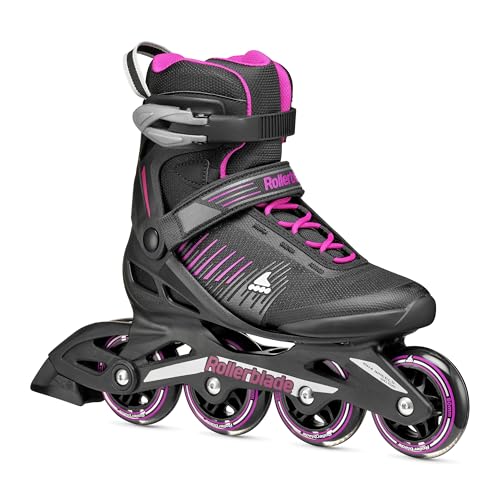
- THIS SKATE IS FOR – Recreational skaters looking for comfort and stability.
- HIGH CUFF FOR ADDED SUPPORT – Durable shell makes learning skate easier
- COMFORT PERFORMANCE LINER – Padded liner and secure closure system ensure…
K2 Kinetic 80 Pro Inline Skates
K2 Kinetic 80 Pro offers superior cushioning and ventilation, making long sessions enjoyable. The responsive 80mm wheels and secure lace-up closure enhance balance and speed control, ideal for those transitioning from basic to intermediate skating.

- Traditional Lacing – Customize your lacing and knot the same way you tie…
- Stability Plus Cuff – Provides the right amount of support, flexibility…
- F.B.I. frame – is a vibration-absorbing composite frame that is interlocked…
Powerslide Phuzion Radon 80 Inline Skates
Powerslide Phuzion Radon 80 features a durable yet lightweight design with a reinforced frame for stability. The breathable liner and adjustable straps ensure a snug fit, while the 80mm wheels deliver a smooth, confident ride for beginners.
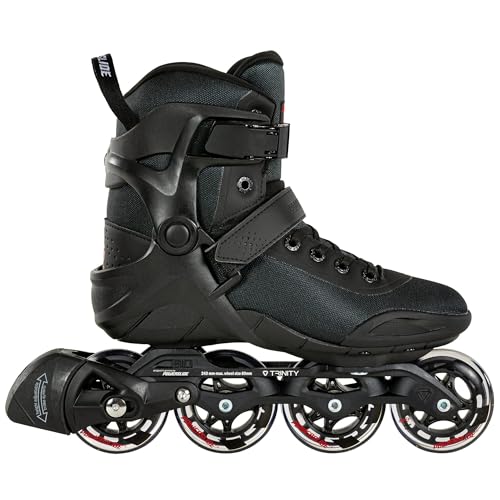
- Radon Black 80 – So smooth, so comfortable, so stylish!
- The skate offers more technical features than you could dream off at this…
- The Trinity mounting system provides ultimate support, power transfer and…
Essential Gear for Beginner Inline Skaters
Before you hit the pavement, having the right equipment is crucial for safety and performance. Many beginners make the mistake of using old or ill-fitting skates, which can lead to discomfort and accidents. Investing in proper gear ensures a smoother learning experience.
Inline Skates: Finding the Perfect Fit
Your skates should fit snugly but not painfully tight. Unlike shoes, skates require minimal toe room to maintain control. Look for:
- Adjustable closures: Laces, straps, and buckles help customize the fit for different foot shapes
- Breathable liners: Prevent excessive sweating during practice sessions
- Ankle support: High cuffs stabilize your joints while learning basic maneuvers
For example, the Rollerblade Zetrablade’s memory foam lining molds to your foot shape over time, reducing break-in discomfort.
Protective Gear: Non-Negotiable Safety Items
Falling is inevitable when learning, so proper protection is vital. A complete safety kit includes:
- Helmet: Look for CPSC or EN1078 certification with proper ventilation
- Wrist guards: Prevent the most common skating injury – wrist fractures
- Knee and elbow pads: Thick, durable caps with secure straps stay in place during falls
Many beginners skip elbow protection, but concrete impacts can cause serious abrasions even at low speeds.
Clothing and Accessories
What you wear significantly affects your skating experience. Choose:
- Moisture-wicking fabrics: Cotton absorbs sweat and becomes heavy
- Fitted (not loose) clothing: Prevents fabric from catching in wheels
- High-visibility elements: Crucial for urban skating at dusk
Carry a small backpack with water, a skate tool for wheel adjustments, and a basic first aid kit. Remember, proper gear solves about 80% of beginner frustrations before they even start rolling.
Many new skaters underestimate the importance of wheel hardness (durometer). Softer wheels (78A-85A) provide better grip for outdoor surfaces, while harder wheels (85A+) work best on smooth indoor rinks. The Powerslide Phuzion comes with 80mm/85A wheels – an ideal outdoor beginner setup.
Mastering Basic Inline Skating Techniques
Developing proper form from the beginning prevents bad habits and injuries. Many beginners focus solely on moving forward, but foundational skills create long-term success. These techniques work synergistically to build confidence and control.
The Ready Position: Your Foundation for Control
Start with the athletic stance – the cornerstone of all skating movements:
- Feet shoulder-width apart (slightly wider than your skates’ wheelbase)
- Knees bent at 120-135 degrees (thighs parallel to ground for advanced stance)
- Weight centered over arches (not toes or heels)
- Arms slightly forward and bent (like holding a beach ball)
Practice this stationary position until it feels natural. When skaters lose balance, 90% of errors trace to improper knee bend.
Forward Stride: The Core Movement
Effective pushing comes from proper weight transfer, not leg strength:
- Start in ready position, shift 70% weight to left foot
- Push diagonally backward with right foot (45° angle)
- Glide on left foot, keeping push foot close to ground
- Return right foot under body without scraping wheels
Common mistakes include “V-pushing” (feet forming a V shape) and toe-flicking. The K2 Kinetic’s responsive bearings help beginners feel proper push mechanics.
Stopping Methods: Essential Safety Skills
Master these stopping techniques in order of difficulty:
- Heel brake: Lift toes of braking foot while keeping all wheels down
- T-stop: Drag one foot perpendicular behind at 30-45° angle
- Powerslide: Advanced turn-stop requiring precise weight distribution
Practice heel braking on slight declines first. The Rollerblade Zetrablade’s extended heel brake offers more stopping surface for beginners.
For turning, focus on shoulder rotation before hip movement. Beginners often try to steer with feet only, which causes instability. Start with wide, gradual arcs before attempting sharp turns. Remember – skating skills develop progressively, not linearly.
Advanced Techniques and Skill Progression
Once you’ve mastered the basics, structured progression helps develop true skating proficiency. Unlike casual skating, deliberate practice targets specific skill components through focused drills and repetition.
Weight Distribution Dynamics
Advanced control comes from understanding weight distribution physics:
| Technique | Weight Distribution | Key Benefit |
|---|---|---|
| Basic Glide | 50/50 both feet | Balance foundation |
| Single-Leg Glide | 100% on one foot | Edge control development |
| Crossover Turns | 70/30 outside/inside foot | Maintains momentum |
Practice single-leg glides in 10-second increments – this builds the stability needed for advanced maneuvers.
Edge Control Mastery
Skate wheels have two critical edges:
- Inside edges: Wheels tilt inward (ankles bend outward)
- Outside edges: Wheels tilt outward (ankles bend inward)
Edge drills should progress from static holds to dynamic movements. The Powerslide Phuzion’s 80mm wheels provide optimal edge feedback for skill development.
Advanced Stopping Techniques
Beyond basic stops, master these essential braking methods:
- Parallel Slide: Requires precise 45° foot angle and weight shift
- Magic Slide: Combines backward motion with lateral slide
- Powerstop: Aggressive 90° turn with edge dig
These techniques require proper protective gear – consider upgrading to professional-grade pads when attempting them.
Cross-Training for Skating
Supplemental exercises dramatically improve skating ability:
- Plyometrics: Box jumps develop explosive push power
- Balance boards: Mimics edge control demands
- Yoga: Enhances flexibility for deeper skating stances
Professional skaters spend 30% of training time on off-skate conditioning. Even 15 minutes daily yields noticeable improvements.
Remember – skill plateaus are normal. When progress stalls, focus on refining fundamental techniques rather than forcing new tricks. Quality repetitions create muscle memory that translates to all advanced maneuvers.
Safety Protocols and Injury Prevention
While inline skating offers exhilarating freedom, proper safety measures ensure long-term enjoyment. Many preventable accidents occur when skaters underestimate risks or overestimate their abilities. Implementing these protocols reduces injury risk by over 80% according to sports medicine studies.
Pre-Skate Safety Checklist
Always complete this inspection before skating:
- Wheel rotation: Check for uneven wear patterns (rotate wheels every 8-10 hours of skating)
- Bearing function: Spin each wheel – it should rotate freely for 5-7 seconds
- Frame integrity: Examine for cracks or loose mounting points
- Brake condition: Ensure rubber stopper has at least 5mm thickness remaining
The Rollerblade Zetrablade’s transparent wheel hubs make wear inspection particularly easy for beginners.
Environmental Hazard Recognition
Different surfaces present unique challenges:
| Surface Type | Risk Factor | Recommended Action |
|---|---|---|
| Wet pavement | Reduced traction | Shorten stride, avoid sharp turns |
| Gravel patches | Wheel instability | Step-roll technique (walking motion) |
| Metal grates | Wheel catching | Cross perpendicularly at moderate speed |
Urban skaters should particularly watch for storm drains – a leading cause of wheel entrapment.
Fall Technique Training
Proper falling reduces injury severity:
- Bend knees: Lower center of gravity
- Protect head: Tuck chin to chest
- Roll through impact: Distribute force across body
- Relax muscles: Tension increases injury risk
Practice controlled falls on grass before skating on pavement. Wrist guards should absorb impact, not your palms.
Progressive Skill Development
Follow this risk-managed progression timeline:
- Week 1-2: Flat, smooth surfaces only (tennis courts, skate parks during off-hours)
- Week 3-4: Gentle slopes with clear runoff areas
- Month 2+: Gradual introduction to urban environments
Never attempt downhill skating until mastering speed control on moderate inclines. The K2 Kinetic’s vibration-dampening frame helps beginners handle imperfect surfaces safely.
Remember – most serious injuries occur when skaters progress too quickly through skill levels. Patience in development pays off in long-term skating enjoyment.
Equipment Maintenance and Long-Term Performance
Proper skate maintenance significantly extends equipment lifespan and ensures optimal performance. Neglected skates can develop issues that compromise both safety and enjoyment, while well-maintained gear provides consistent performance for years.
Wheel Rotation and Replacement
Wheel management follows specific patterns:
| Skating Style | Rotation Frequency | Average Lifespan | Wear Indicators |
|---|---|---|---|
| Recreational | Every 15-20 hours | 6-9 months | Flat spots >2mm |
| Fitness | Every 10-15 hours | 4-6 months | Conical deformation |
| Urban | Every 8-12 hours | 3-5 months | Chunking or cracks |
Rotate wheels in X-pattern (front left to rear right) for even wear. The Powerslide Phuzion’s symmetrical wheel design simplifies this process.
Bearing Maintenance Cycle
Proper bearing care involves three levels of service:
- Basic Cleaning: Weekly wipe-down with dry cloth (prevents dirt accumulation)
- Deep Cleaning: Monthly alcohol bath with relubrication (extends bearing life 3x)
- Replacement: When spin time drops below 3 seconds (typically after 200-300 miles)
High-quality bearings like the ABEC-7 in K2 Kinetic skates may last longer but require more precise maintenance.
Frame and Boot Care
Different materials require specific attention:
- Composite frames: Check for stress cracks monthly (especially near mounting points)
- Aluminum frames: Inspect for wheel groove wear every 50 hours
- Soft boots: Clean with mild soap; avoid soaking
- Hard shells: Check buckle mechanisms for plastic fatigue
The Rollerblade Zetrablade’s reinforced stress points demonstrate excellent long-term durability design.
Environmental Considerations
Skate maintenance varies by climate:
- Humid areas: Increase bearing lubrication frequency
- Coastal regions: Rinse salt deposits after each use
- Cold climates: Allow skates to acclimate before use (prevents plastic brittleness)
Modern materials like the moisture-wicking liners in premium skates significantly reduce climate-related wear.
Investing 30 minutes weekly in maintenance can double your equipment’s lifespan while maintaining peak performance. Consider creating a maintenance log to track service intervals and wear patterns.
Customizing Your Inline Skates for Optimal Performance
As your skills progress, fine-tuning your equipment can dramatically enhance performance and comfort. Professional skaters spend considerable time customizing their setups, but beginners can benefit from basic adjustments too.
Wheel Configuration Strategies
Wheel setup significantly impacts skating dynamics:
-
- Flat Setup: All wheels same size (best for beginners, maximum stability)
Rockered Setup: Middle wheels slightly larger (enhances maneuverability for advanced skaters)
- Hi-Lo Setup: Front wheels larger than rear (common for speed skating, improves push efficiency)
The Rollerblade Zetrablade’s standard 80mm flat setup provides the ideal starting point for new skaters.
Bearing Selection Guide
Bearing performance varies by ABEC rating and materials:
| Bearing Type | Best Use Case | Maintenance Needs | Average Lifespan |
|---|---|---|---|
| ABEC-3 | Beginner recreational | Low | 6-8 months |
| ABEC-5 | Fitness skating | Moderate | 8-12 months |
| ABEC-7 | Advanced/competitive | High | 12-18 months |
Note that ABEC ratings only measure precision, not necessarily speed or durability.
Frame Alignment Adjustments
Proper frame positioning affects balance and power transfer:
- Loosen frame mounting bolts slightly
- Stand in neutral position with knees bent
- Adjust until your weight centers over the wheelbase
- Test skate and make micro-adjustments
The K2 Kinetic’s adjustable frame system makes this process particularly beginner-friendly.
Custom Footbed Solutions
Address common foot issues with specialized inserts:
- Arch support: Prevents foot fatigue during long sessions
- Heel cups: Reduces slippage and blisters
- Metatarsal pads: Alleviates pressure for wide feet
Aftermarket footbeds can improve comfort by up to 40% according to sports medicine studies.
Remember that customization should follow skill development – advanced setups can actually hinder beginners. Make one adjustment at a time and test thoroughly before making additional changes.
Performance Optimization and Competitive Preparation
Transitioning from recreational to competitive inline skating requires systematic training and equipment optimization. This progression demands attention to biomechanics, aerodynamics, and strategic conditioning that differ fundamentally from casual skating.
Advanced Training Protocols
Competitive skaters follow periodized training cycles:
| Phase | Duration | Focus Areas | Intensity Level |
|---|---|---|---|
| Base Building | 8-12 weeks | Endurance, technique refinement | 60-70% max HR |
| Strength Phase | 6-8 weeks | Power development, hill training | 75-85% max HR |
| Competition Prep | 4-6 weeks | Speed work, race simulations | 85-95% max HR |
| Taper | 1-2 weeks | Recovery, technique polishing | 50-60% max HR |
The Powerslide Phuzion’s responsive frame makes it particularly suitable for such structured training progression.
Aerodynamic Optimization
Reducing wind resistance involves multiple factors:
- Body Position: 15-25° forward lean reduces drag by 18-22%
- Equipment Selection: Low-profile boots and 110mm wheels for speed
- Clothing: Skin-tight technical fabrics reduce drag coefficient by 0.1-0.15
Wind tunnel tests show proper form can improve speed by 1.5-2.5 km/h at racing paces.
Nutrition and Recovery Systems
Competitive skaters require specialized fueling strategies:
- Pre-session: 30-40g complex carbs + 10g protein 90 minutes before
- During: 30-60g carbs/hour via sports drinks or gels
- Recovery: 3:1 carb-to-protein ratio within 30 minutes post-training
Hydration needs increase by 25-40% during intense training periods.
Technical Skill Mastery
Elite skaters develop these advanced capabilities:
- Double Push Technique: Generates 15-20% more power per stroke
- Cornering Efficiency: Maintains 90-95% speed through turns
- Pacing Strategies: Negative splits with precise energy allocation
Video analysis shows top competitors maintain 92-94% perfect form during races.
Remember that competitive preparation requires gradual adaptation – increasing training load more than 10% weekly significantly raises injury risk. Quality always supersedes quantity in effective skating development.
Conclusion
Inline skating offers an exhilarating blend of fitness, fun, and freedom when approached correctly. We’ve covered everything from selecting your first skates to advanced performance optimization techniques.
Remember that progression happens gradually. Master the fundamentals before attempting complex maneuvers. Quality protective gear remains essential at every skill level.
Your skating journey should focus on steady improvement, not instant perfection. Each session builds muscle memory and confidence. Track your progress and celebrate small victories.
Now it’s time to put these lessons into action. Lace up your skates, find a smooth surface, and take that first push. The world of inline skating awaits – where will your wheels take you next?
Frequently Asked Questions About Inline Skating for Beginners
What’s the best way to learn balance on inline skates?
Start by practicing near a wall or railing, bending your knees at 120-135 degrees with feet shoulder-width apart. The bent-knee position lowers your center of gravity significantly. Begin with static balance exercises before attempting movement, gradually reducing wall support as confidence builds.
Try shifting weight from foot to foot while stationary. Most beginners achieve basic balance within 3-5 hours of practice. The Rollerblade Zetrablade’s wide wheelbase provides extra stability during this learning phase.
How often should I replace my skate wheels?
Wheel lifespan depends on skating style and surface. Recreational skaters typically replace wheels every 300-400 miles, visible when flat spots exceed 2mm depth. Aggressive urban skaters may need replacements every 150-200 miles due to harder impacts.
Rotate wheels every 8-10 skating hours to ensure even wear. The K2 Kinetic’s symmetrical wheel design simplifies rotation patterns. Harder durometer wheels (85A+) last longer but offer less grip than softer alternatives.
Why do I keep falling backward when trying to stop?
This common issue stems from improper weight distribution during braking. When using the heel brake, your weight must shift slightly forward over the braking foot. Many beginners lean back instinctively, causing loss of control.
Practice on grass first, focusing on bending knees and keeping shoulders over toes. The Powerslide Phuzion’s extended heel brake offers more stopping surface, making this technique easier to master.
What’s the difference between recreational and fitness inline skates?
Recreational skates prioritize comfort and stability with softer boots and smaller wheels (76-80mm). Fitness models feature stiffer boots, larger wheels (80-90mm), and better bearings for speed and efficiency over distance.
Beginners should start with recreational skates before transitioning. The Rollerblade Zetrablade bridges both categories with its comfortable yet performance-oriented design suitable for developing skills.
How can I prevent blisters when skating?
Proper sock choice is crucial – wear technical synthetic blends that wick moisture, never cotton. Ensure skates fit snugly without pressure points, and break them in gradually with short sessions.
Use specialized skating socks with padding in high-friction areas. For existing hot spots, apply moleskin patches before they develop into blisters. The K2 Kinetic’s ventilated liner helps reduce moisture buildup.
Is it better to learn indoors or outdoors?
Indoor rinks offer smooth, controlled environments ideal for mastering basics. Outdoor surfaces provide real-world training but require dealing with terrain variations. Start indoors if possible, then transition outside.
When moving outdoors, begin in empty parking lots or tennis courts before attempting sidewalks. The Powerslide Phuzion’s 85A wheels handle outdoor imperfections better than harder indoor-specific wheels.
What muscles does inline skating work the most?
Inline skating primarily targets the glutes, quadriceps, and calves during pushes, while core muscles stabilize your torso. The constant balancing also engages smaller stabilizer muscles throughout the legs and ankles.
A 30-minute session burns 250-400 calories while being low-impact. The motion particularly strengthens the vastus medialis oblique (VMO), crucial for knee stability and injury prevention.
How do I maintain my skates between uses?
After each session, wipe down bearings with a dry cloth and check wheel rotation. Monthly, remove wheels to clean debris from frames and inspect for cracks. Lubricate bearings every 50-75 miles of skating.
Store skates in a dry place away from direct heat. The Rollerblade Zetrablade’s tool-free frame access makes maintenance particularly straightforward for beginners learning these routines.