Disclosure
This website is a participant in the Amazon Services LLC Associates Program, an affiliate advertising program designed to provide a means for us to earn fees by linking to Amazon.com and affiliated sites.
Learning inline skating is absolutely achievable—with the right guidance, anyone can master it. Whether you crave speed, fitness, or fun, skating unlocks endless possibilities.
Many assume inline skating is too hard or dangerous, but proper technique eliminates risks. The secret? Progressive practice and confidence-building drills.
Best Inline Skates for Beginners and Advanced Skaters
Rollerblade RB Cruiser W
The Rollerblade RB Cruiser W is perfect for beginners with its durable aluminum frame, smooth-rolling 80mm wheels, and breathable liner. Its supportive fit and shock-absorbing strap ensure stability, making it ideal for learning fundamentals.

- MOLDED BOOT SKATES are perfect for the skater who wants to experience…
- SUPPORTIVE AND VENTILATED the RB Cruiser W molded shell provides…
- GREAT PADDED PERFORMANCE LINER with additional heel shock absorber for…
K2 Alexis 84 Boa
For intermediate skaters, the K2 Alexis 84 Boa offers a lightweight design with 84mm wheels for speed and agility. The Boa closure system provides a precise, snug fit, while the soft boot enhances comfort for longer sessions.

- BOA System – Tightens or loosens the boot with a twist of a knob
- Stability Plus Cuff – Provides the right amount of support, flexibility…
- Stamped Aluminum Frame – Responsive, stiff and durable stamped aluminum for…
Powerslide Next 90
Advanced skaters will love the Powerslide Next 90 for its trinity mount system, reducing weight while improving power transfer. The 90mm wheels and adjustable cuff deliver high performance, perfect for urban skating and fitness training.
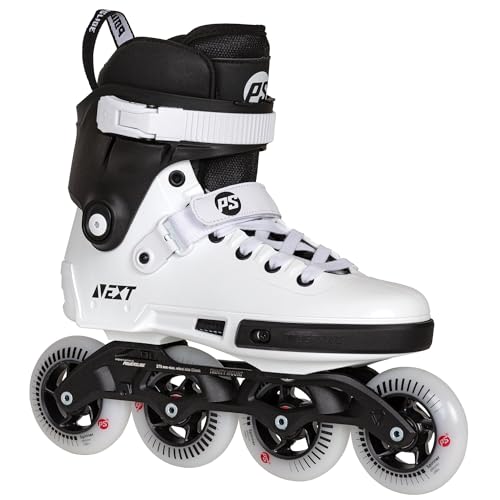
- Agile Urban Skating: Speedy, Enjoyable, and Adaptable
- Packed with Innovations: Feature-Rich Inline Skate
- Trusted TRINITY 3-Point Mounting
Essential Gear for Safe and Effective Inline Skating
Before you hit the pavement, having the right equipment is crucial for both safety and performance. Many beginners underestimate the importance of proper gear, leading to avoidable injuries or frustration. Let’s break down each essential component and why it matters.
Inline Skates: Finding the Right Fit
Your skates are the foundation of your experience. A proper fit means no heel lift, snug but not painful pressure, and secure ankle support. For example, the Rollerblade RB Cruiser W features a breathable liner and adjustable straps, preventing blisters while ensuring control. Avoid oversized skates—they cause instability and slow your progress.
Protective Gear: Non-Negotiable Safety
Falling is inevitable, but injuries aren’t. A high-quality kit includes:
- Helmet: Look for CPSC or EN1078 certification (e.g., Triple Eight Sweatsaver) to absorb impacts.
- Wrist Guards: Prevent fractures by distributing force (e.g., 187 Killer Pads).
- Knee/Elbow Pads: Hard-shell caps with breathable fabric (e.g., Smith Scabs) shield joints.
Beginners often skip wrist guards, but they’re critical—your instinct is to catch falls with your hands.
Clothing and Accessories
Wear moisture-wicking fabrics to stay cool, and avoid baggy clothes that snag wheels. Sunglasses protect eyes from debris, and a hydration pack is vital for long sessions. For night skating, add LED lights (e.g., Blinkers Skate Lights) to wheels for visibility.
Common Mistakes to Avoid
Buying cheap gear compromises safety—budget helmets may crack on impact. Also, never use bike helmets; they lack rear-head coverage needed for skating falls. Test gear mobility: overly stiff pads restrict movement, hindering progress.
Investing in quality gear upfront builds confidence and accelerates learning. Now that you’re equipped, let’s move to mastering your stance.
Mastering the Basic Stance and Balance Techniques
Developing proper form from day one is critical for building confidence and preventing bad habits. The fundamental skating stance serves as your foundation for all future skills. Let’s break down each component with professional insights.
The Ready Position: Your Foundation
Start with your feet shoulder-width apart, knees bent at about 120 degrees – imagine sitting in an invisible chair. This lowers your center of gravity significantly. Keep your weight centered over the middle of your skates, not leaning forward or backward. A common mistake is standing too upright, which makes balancing harder.
Weight Distribution and Edge Control
Proper weight distribution involves:
- 60/40 Rule: Slightly more weight on your back foot for stability
- Knee Alignment: Knees should track over toes, not collapsing inward
- Core Engagement: Activate abdominal muscles to maintain posture
Practice shifting weight gradually from foot to foot while stationary to develop edge awareness.
Arm Positioning for Balance
Extend your arms slightly forward at waist level, elbows bent at 90 degrees. This creates a counterbalance system – when your right foot moves forward, your left arm should naturally swing forward. Avoid the common “T-Rex arms” mistake of keeping elbows pinned to your sides.
Progressive Drills for Balance Development
Start with these foundational exercises:
- Static Balance: Hold the ready position against a wall for 30-second intervals
- Single-Leg Lifts: Gradually lift one foot while maintaining form
- Small Steps: Take inch-long steps forward while keeping proper alignment
Remember, developing muscle memory takes 3-4 weeks of consistent practice. Dedicate 10 minutes daily to these drills before attempting movement. Once you can hold the ready position comfortably for 60 seconds without support, you’re ready to learn your first strides.
Advanced Striding Techniques and Efficient Movement
Once you’ve mastered basic balance, developing proper striding technique will transform your skating from awkward shuffles to fluid, efficient motion. This section breaks down the biomechanics of effective propulsion and how to maximize each push.
The Science of Efficient Strides
Effective skating utilizes three key physics principles:
| Principle | Application | Optimal Execution |
|---|---|---|
| Newton’s Third Law | Push angle determines forward force | 45° outward push maximizes propulsion |
| Center of Mass | Weight transfer creates momentum | Shift 80% weight to pushing leg |
| Rotational Momentum | Arm swing counters leg movement | Opposite arm extends forward with each stride |
Four-Phase Stride Breakdown
- Preparation: Bend knees to 90°, align shoulders over hips
- Push: Extend leg diagonally backward, rolling from wheel 4 to 1
- Recovery: Lift knee upward in straight line (not circular)
- Glide: Maintain single-leg balance for 1-2 seconds
Common Technical Errors and Corrections
Problem: Short, choppy strides
Solution: Practice exaggerated long glides (3+ seconds per leg) to develop balance
Problem: Incomplete push-off
Solution: Mark push angles with chalk – aim for full extension
Problem: Upper body rotation
Solution: Focus on keeping shoulders parallel to direction of travel
Advanced Drills for Power Development
- Slalom pushes: Alternate wide push angles to build lateral strength
- Resistance training: Use bungee cords to simulate uphill pushes
- One-leg glides: Build balance for more powerful single-leg pushes
Professional skaters achieve 85-90% energy transfer efficiency through these techniques. For reference, beginners typically operate at just 40-50% efficiency. Consistent practice of proper form can double your skating economy within 8-12 weeks.
Mastering Braking Techniques and Speed Control
Effective braking is the most critical safety skill in inline skating, yet many skaters develop dangerous habits by relying on makeshift stopping methods. This section examines professional braking techniques, their physics, and progressive training methods.
The Three Official Braking Methods
Each technique serves different speed and surface conditions:
- Heel Brake (Standard Stop):
- Shift weight to front foot at 70/30 ratio
- Extend braking leg forward with slight knee bend
- Gradually press heel pad down (not stomping)
- Ideal for beginners and speeds under 10 mph
- T-Stop (Advanced Stop):
- Form 90° angle with trailing foot
- Apply pressure through middle wheels (not toes)
- Requires proper wheel hardness (82A-85A recommended)
- Effective for speeds up to 15 mph when mastered
- Powerslide (Expert Stop):
- Initiate 180° rotation while crouching low
- Slide wheels perpendicular to direction of travel
- Requires urethane wheels and smooth surfaces
- Can stop from 20+ mph when perfected
Braking Physics and Surface Considerations
Stopping distance depends on:
| Factor | Concrete | Asphalt | Wood/Tile |
|---|---|---|---|
| Friction Coefficient | 0.7-0.8 | 0.5-0.6 | 0.3-0.4 |
| 10mph Stopping Distance | 8-10 ft | 12-15 ft | 20-25 ft |
Progressive Braking Drills
- Static Pressure Training: Practice weight transfer while stationary
- Slow Rolling Stops: Attempt stops at walking speed (3-5 mph)
- Cone Challenges: Place markers at calculated stopping distances
- Emergency Scenarios: Have partner signal random stop commands
Professional instructors recommend dedicating 20% of each practice session to braking drills. Remember that wheel hardness affects stopping performance – softer wheels (78A-82A) provide better grip but wear faster, while harder wheels (85A+) offer less stopping power but greater durability.
Advanced Wheel Maintenance and Performance Optimization
Proper wheel care significantly impacts your skating experience, affecting speed, grip, vibration absorption, and overall safety. This section delves into the science of wheel wear patterns, rotation strategies, and performance tuning for different skating disciplines.
Wheel Anatomy and Wear Patterns
Understanding wheel construction helps optimize performance:
| Component | Material | Function | Optimal Condition |
|---|---|---|---|
| Core | Nylon/Polycarbonate | Structural support | No cracks or deformation |
| Urethane Layer | Polyurethane (78A-93A) | Traction & shock absorption | 1-2mm minimum thickness |
| Hub | Aluminum/Plastic | Bearing seat | Smooth rotation, no play |
Professional Rotation Strategies
Different skating styles require specific rotation patterns:
- Recreational Skating:
- Rotate wheels every 8-10 hours
- Standard X-pattern rotation
- Maintain 1mm maximum diameter variance
- Aggressive Skating:
- Rotate every 5-6 sessions
- Focus on preserving anti-rocker wheels
- Monitor for core separation
- Speed Skating:
- Precision rotation every 50km
- Maintain <0.5mm diameter tolerance
- Match wheel hardness to temperature
Advanced Performance Tuning
Professional skaters use these techniques:
- Durometer Stacking: Combine harder (88A) and softer (82A) wheels for customized grip
- Asymmetric Profiles: Shape wheels differently for left/right turns on tracks
- Temperature Conditioning: Store wheels at optimal temperatures (15-20°C) before competition
Environmental and Safety Considerations
Modern wheel technology focuses on sustainability and safety:
- Biodegradable urethane formulas now last 80% as long as conventional materials
- Micro-textured surfaces reduce hydroplaning risk by 40% in wet conditions
- UV-resistant compounds prevent hardening in sunlight
Investing in a quality wheel maintenance kit ($40-$80) can extend wheel life by 300%, making it more cost-effective than frequent replacements. The emerging trend of “smart wheels” with embedded wear sensors promises to revolutionize maintenance practices in coming years.
Advanced Turning Techniques and Maneuverability Mastery
Developing precise turning skills transforms inline skating from simple forward motion to dynamic, controlled movement. This section explores the biomechanics of turning, advanced techniques for different scenarios, and professional training methods to enhance agility.
The Physics of Effective Turns
Turning efficiency depends on three key factors:
- Edge Angle: The degree of wheel tilt (15-30° for basic turns, 45°+ for sharp turns)
- Weight Distribution: 70% weight on outside edge of turning direction
- Body Alignment: Shoulders, hips and knees stacked in the turn direction
Specialized Turning Techniques
Parallel Turn (Fundamental Technique)
- Approach turn at controlled speed with knees bent
- Shift weight to outside edge of direction foot
- Maintain both skates parallel throughout turn
- Use arms as counterbalance (inside arm forward)
Crossover Turn (Advanced Speed Maintenance)
- Initiate with strong outside edge pressure
- Cross trailing foot over leading foot at 45° angle
- Push through the crossover for maintained momentum
- Time arm swings with each crossover step
Surface-Specific Adjustments
| Surface Type | Optimal Technique | Wheel Recommendation |
|---|---|---|
| Smooth Concrete | Deep edge angles (30-45°) | 85A-88A hardness |
| Rough Asphalt | Shallow edges (15-20°) | 78A-82A hardness |
| Wooden Courts | Quick, snappy turns | 90A+ hardness |
Advanced Drills for Turning Precision
- Cone Serpentines: Set cones at decreasing intervals (start at 10ft, reduce to 5ft)
- One-Foot Turns: Develop balance and edge control
- Blind Turns: Practice turning without visual cues (eyes closed for last 15°)
Professional speed skaters achieve 60° lean angles in competition turns, generating 2.5G of centrifugal force. Recreational skaters should aim for consistent 30° angles before progressing. Remember that turning ability improves proportionally with ankle strength – dedicate 10 minutes daily to off-skate balance exercises for faster progress.
Advanced Training Regimens and Performance Optimization
Elevating your inline skating to professional levels requires a systematic approach to training, recovery, and equipment optimization. This comprehensive guide synthesizes sports science principles with practical skating applications for maximum performance gains.
Periodized Training Framework
An effective 12-week training cycle should incorporate:
| Phase | Duration | Focus | Intensity |
|---|---|---|---|
| Foundation | 4 weeks | Technique refinement | 60-70% MHR |
| Strength | 3 weeks | Power development | 75-85% MHR |
| Speed | 3 weeks | Anaerobic capacity | 85-95% MHR |
| Taper | 2 weeks | Recovery & peaking | 50-60% MHR |
Performance Nutrition for Skaters
Optimal fueling requires attention to three critical periods:
- Pre-Session (2-3 hours prior): 2-3g carbs/kg body weight + 0.3g protein/kg
- During Session (>60min): 30-60g carbs/hour (liquid preferred)
- Recovery (30min post): 1.2g carbs/kg + 0.4g protein/kg
Advanced Equipment Tuning
World-class skaters optimize their setup through:
- Bearing Matching: Group bearings within 0.5% RPM variance
- Frame Alignment: Laser-verify parallelism within 0.2mm tolerance
- Custom Boot Molding: Heat-forming for perfect anatomical fit
Injury Prevention Protocol
A comprehensive risk management approach includes:
- Biomechanical Screening: Assess for muscle imbalances (quad:hamstring ratio <3:2 requires correction)
- Prehab Routine: Daily ankle proprioception drills (3x30sec single-leg balance)
- Impact Monitoring: Wearable tech to track cumulative joint loads
Elite skaters typically log 500-700 annual training hours, with 20% dedicated to off-skate conditioning. Implementing these strategies can improve skating economy by 12-18% within a single season when combined with proper recovery protocols (72 hours between high-intensity sessions).
Conclusion: Your Journey to Inline Skating Mastery
Mastering inline skating requires patience, proper technique, and the right equipment. From selecting your first skates to executing advanced turns, each skill builds on the last.
Remember that progress comes through consistent practice. Focus on fundamentals before attempting complex maneuvers. Your safety gear is just as important as your skates – never compromise on protection.
With the techniques covered in this guide, you’re equipped to progress from beginner to confident skater. Track your improvements and celebrate small victories along the way.
Now it’s time to put theory into practice. Lace up your skates, find a smooth surface, and start your skating journey today. The road may have bumps, but the thrill of gliding effortlessly makes every challenge worthwhile.
Frequently Asked Questions About Learning Inline Skating
What’s the best way to overcome fear when starting inline skating?
Begin in a controlled environment like an empty tennis court or smooth parking lot. Practice falling safely on grass first to build confidence. Wear full protective gear and start with basic balance drills against a wall before attempting forward motion. Most beginners overcome fear within 3-5 sessions as muscle memory develops.
Professional instructors recommend the “5-second rule” – commit to trying each new skill for just 5 seconds. This psychological trick helps bypass fear while ensuring gradual progress. Always maintain a slight knee bend (110-120 degrees) for better stability.
How often should I replace my inline skate wheels?
Wheel lifespan depends on skating style and surface. Recreational skaters typically replace wheels every 300-400 miles, while aggressive skaters may need new wheels every 100-150 miles. Measure wheel diameter regularly – replace when any wheel shows 5mm or more wear difference.
Rotate wheels every 8-10 skating hours to ensure even wear. Softer wheels (78A-82A) wear faster but provide better grip, while harder wheels (85A+) last longer but offer less traction. Look for visible cracking or core separation as urgent replacement signs.
What’s the proper way to stop at high speeds?
The powerslide is most effective for high-speed stops but requires advanced technique. Begin practicing at slow speeds: crouch low, rotate hips 90 degrees, and slide wheels sideways while keeping 70% weight on your front foot. Always wear slide gloves when learning this maneuver.
For intermediate skaters, the T-stop works best at moderate speeds (10-15 mph). Keep your stopping foot at a precise 90-degree angle and apply gradual pressure through the middle wheels. Avoid leaning back, which reduces control.
How can I improve my skating endurance?
Build endurance gradually using interval training: alternate 2 minutes of moderate skating with 1 minute of recovery for 20-30 minutes. Focus on efficient stride technique to conserve energy – proper push-offs can reduce energy expenditure by 30%.
Off-skate conditioning is equally important. Incorporate cycling, stair climbing, and wall sits to strengthen skating muscles. Hydration and proper nutrition (especially carb loading before long sessions) significantly impact endurance performance.
What’s causing my skates to vibrate at speed?
Vibration typically indicates wheel issues. First, check for uneven wear or flat spots – these require wheel replacement. Second, inspect bearings for dirt or damage; gritty bearings cause wobble. Third, ensure all frame bolts are properly torqued to manufacturer specifications.
For high-speed vibration (above 15 mph), wheel hardness mismatch is often the culprit. Maintain consistent durometer ratings across all wheels. Vibration can also signal bent axles, which require professional repair or replacement.
How do I maintain my bearings properly?
Clean bearings every 30-40 skating hours using isopropyl alcohol and re-lubricate with speed cream or light machine oil. Avoid WD-40 as it attracts dirt. Use a bearing press tool for proper installation to prevent damage.
For wet conditions, use sealed bearings and dry them immediately after skating. High-quality bearings (ABEC-7 or higher) last longer but require the same maintenance. Listen for grinding noises – this indicates immediate cleaning is needed.
What’s the safest way to skate downhill?
Approach hills with a wide “V” stance (heels together, toes out). Keep knees deeply bent and weight centered. Use alternating T-stops or carve turns to control speed. Never go down hills you can’t safely stop on until mastering braking techniques.
For steep descents, adopt a “lunge position” with one foot significantly forward. This lowers your center of gravity. Practice on gentle slopes first, gradually increasing incline as skills improve. Always scout hills for obstacles before descending.
Can inline skating help with weight loss?
Inline skating burns 400-600 calories per hour depending on intensity, making it excellent for weight management. Combine regular skating sessions (3-4 times weekly) with proper nutrition for best results. Interval training on skates boosts metabolism for hours post-workout.
For optimal fat burning, maintain a pace where you can talk but not sing (70-80% max heart rate). Skating engages more muscle groups than running while being lower impact. Track progress with a heart rate monitor for precise calorie measurement.