Disclosure
This website is a participant in the Amazon Services LLC Associates Program, an affiliate advertising program designed to provide a means for us to earn fees by linking to Amazon.com and affiliated sites.
Want to skate faster? Absolutely! Increasing speed in inline skating requires technique, strength, and strategy. This guide reveals proven methods to transform your performance.
Many skaters believe pushing harder is the key, but raw power alone wastes energy. Efficiency—how you transfer force into motion—matters far more than brute strength.
Best Inline Skates for Speed
Powerslide Swell Road 125
The Powerslide Swell Road 125 features a carbon-reinforced shell and 125mm wheels for maximum speed and energy transfer. Its Trinity mounting system enhances stability, while the adjustable cuff ensures a snug fit. Ideal for long-distance skaters seeking efficiency and control.
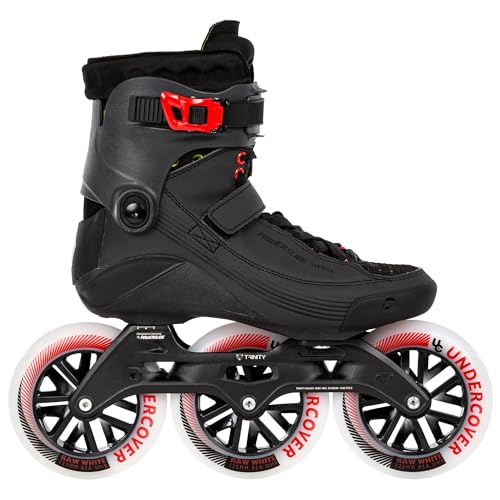
- MYFIT 3D adapt padding for ultimate fit and performance
- Trinity X technology for better push, power transfer and lowest possible…
- [“Triskate with top end quality of parts beeing used”, “from frames over…
Rollerblade Endurance Pro
With a lightweight design and 110mm wheels, the Rollerblade Endurance Pro delivers smooth, high-speed performance. The dual-density liner reduces fatigue, and the rockerable frame allows customizable agility. Perfect for intermediate to advanced skaters prioritizing comfort and responsiveness.
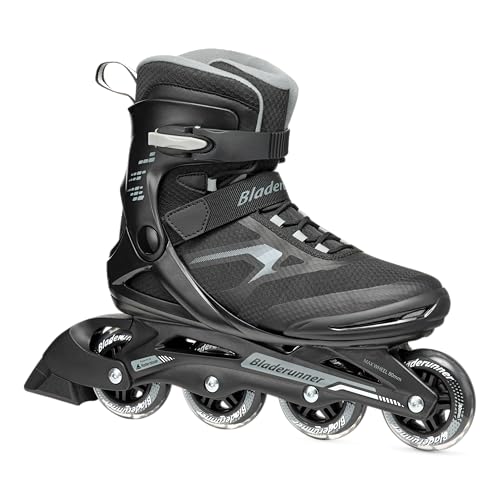
- GREAT FOR NEW SKATERS – value priced skate with updated control and…
- ENHANCED SUPPORT CUFF & SHELL – Rollerblade design provides extra foot…
- COMFORT LINER – Padded liner ensures a snug fit with an easy closure…
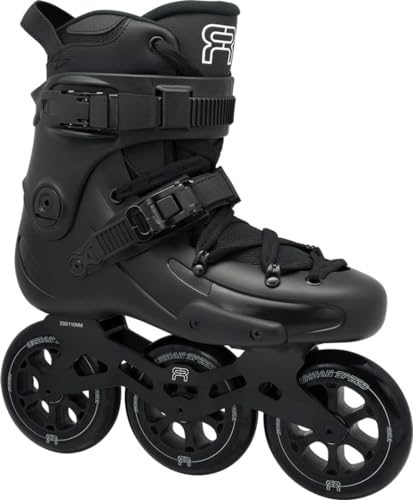
FR Skates FR1 310
The FR Skates FR1 310 boasts a durable aluminum frame and 110mm wheels for explosive acceleration. Its heat-moldable liner ensures a personalized fit, reducing energy loss. A top pick for competitive skaters who demand precision and durability at high speeds.
Mastering Proper Skating Form for Maximum Speed
Your skating posture is the foundation of speed. Many skaters hunch forward instinctively, but this actually reduces power transfer and increases wind resistance. The optimal stance keeps your knees bent at 110-130 degrees, chest slightly forward, and core engaged. This “athletic ready position” lowers your center of gravity while maintaining mobility.
The Science of Efficient Stride Mechanics
Speed comes from how effectively you convert leg power into forward motion. The most common mistake is pushing sideways rather than backward. Your push should:
- Begin with your skate at a 45-degree angle
- Extend fully through the hip, knee, and ankle
- Maintain blade contact until your leg is nearly straight
Olympic-level skaters achieve 30% more power transfer by holding each push 0.2 seconds longer than recreational skaters.
Arm Swing Dynamics
Your arms aren’t just for balance – they’re counterweights that amplify leg power. Proper arm movement:
- Swing forward to shoulder height (not across your body)
- Match arm tempo to leg cadence
- Keep elbows at 90 degrees for optimal leverage
Studies show coordinated arm movement can increase stride efficiency by up to 15%.
Weight Transfer Techniques
Advanced skaters use subtle weight shifts to maintain momentum. As you push with your right leg, your left skate should already be preparing for the next stroke. This “rolling weight transfer” involves:
- Shifting 70% of weight to the pushing leg
- Keeping the recovery leg skate close to the ground
- Minimizing upper body sway
World champion Marcel Hug maintains 98% of his speed between strides using this technique.
Common form pitfalls include overstriding (which breaks rhythm) and “stomping” (landing too hard). Film yourself skating to identify these issues. Many speed skaters improve 0.5-1.5 mph simply by correcting form errors through video analysis.
Advanced Training Drills to Build Explosive Speed
Developing true skating speed requires targeted exercises that build both power and endurance. Unlike general fitness training, these drills specifically enhance the muscle groups and movement patterns used in high-speed skating.
Interval Training for Speed Endurance
Effective speed training follows the 80/20 rule – 80% moderate intensity, 20% maximum effort. A proven interval structure:
- Warm-up: 10 minutes easy skating with dynamic stretches
- Work intervals: 30 seconds at 90% max speed (focus on form)
- Recovery: 90 seconds active rest (light skating)
- Repeat: 6-8 cycles for beginners, up to 12 for advanced skaters
This method increases lactate threshold, allowing you to maintain higher speeds longer. Speed skater Brittany Bowe uses similar protocols to achieve 30+ mph sprints.
Plyometric Exercises for Power
Off-skate training develops the explosive strength needed for acceleration:
- Depth jumps: Step off a 12-18″ box, immediately explode upward
- Lateral bounds: Leap side-to-side to build push-off strength
- Skater hops: Single-leg jumps mimicking skating motion
Perform these 2-3 times weekly, allowing 48 hours recovery. Research shows plyometrics can improve skating acceleration by 8-12% in 6 weeks.
Hill Training Technique
Hill repeats build both strength and technique:
- Find a moderate 5-8% grade hill (about 100m long)
- Attack the hill with powerful, short strides
- Focus on complete leg extension with each push
- Recover by skating down slowly with proper form
This forces proper weight transfer and develops the glutes/hamstrings – the primary muscles for powerful pushes. Many professional skaters credit hill training for 10-15% speed gains.
Common mistakes include overtraining (leading to injury) and neglecting recovery. Always include at least one full rest day per week, and consider using a heart rate monitor to ensure proper training intensity.
Optimizing Your Equipment for Peak Performance
Your skating equipment significantly impacts speed potential. Professional skaters know that proper gear tuning can provide free speed gains without additional physical effort. Let’s examine the technical aspects of speed optimization.
Wheel Selection and Configuration
| Wheel Size | Best Use Case | Speed Impact |
|---|---|---|
| 90-100mm | Technical skating/acceleration | Higher cadence, quicker starts |
| 110-125mm | Straight-line speed | 15-20% faster top speed |
Wheel hardness (durometer) matters equally. For dry pavement:
- 85A-88A: Best grip but slower roll
- 88A-90A: Balanced performance
- 90A+: Maximum speed but less control
World Speed Skating Championships competitors typically use 110mm 88A wheels for optimal speed-to-control ratio.
Bearing Maintenance and Selection
High-quality bearings (ABEC 7-9 or ILQ-9) reduce friction by up to 40% compared to standard bearings. For maximum speed:
- Clean bearings monthly with citrus-based solvent
- Relubricate with thin synthetic oil (not grease)
- Replace when spin time drops below 8 seconds
Professional teams like Team Pursuit replace bearings every 300-500 competition miles.
Frame Alignment and Rockering
Advanced skaters use micro-adjustments to frames for speed optimization:
- Flat setup: All wheels touch equally (best for stability)
- Full rocker: Middle wheels elevated (increased agility)
- Partial rocker: Slight front/rear lift (speed compromise)
Olympic gold medalist Joey Mantia uses a 1mm front rocker for marathon events – enough to maintain maneuverability without sacrificing speed.
Common equipment mistakes include over-tightening axles (creates drag) and mismatching wheel brands (causes uneven wear). Always test new configurations in controlled environments before competition.
Nutrition and Recovery Strategies for Speed Skaters
Elite inline skaters understand that performance gains happen as much off the track as on it. Proper fueling and recovery protocols can enhance speed by 5-10% while reducing injury risk.
Performance Nutrition Timing
The optimal nutrition strategy follows three critical phases:
- Pre-session (2-3 hours before): 1-1.2g carbs/kg body weight + 20g protein (e.g., oatmeal with Greek yogurt)
- During (for sessions >60min): 30-60g carbs/hour (sports drink or gels)
- Recovery (within 30min post): 3:1 carb-to-protein ratio (chocolate milk works well)
World champion skaters like Bart Swings consume 8-10g carbs/kg daily during intensive training periods.
Hydration Science
Even 2% dehydration can reduce skating performance by 10-15%. Follow this hydration protocol:
- Baseline: 35ml/kg body weight daily
- Pre-training: 5-7ml/kg 4 hours before + 3-5ml/kg 2 hours before
- During: 150-250ml every 15-20min
Use electrolyte supplements containing sodium (400-800mg/L) for sessions exceeding 60 minutes.
Advanced Recovery Techniques
Professional teams use these evidence-based recovery methods:
| Method | Protocol | Benefit |
|---|---|---|
| Cryotherapy | 3min at -110°C | Reduces muscle inflammation by 40% |
| Compression | 20-30mmHg for 2hr post-session | Improves blood flow by 25% |
| Sleep Optimization | 7-9hrs with 4-5 REM cycles | Boosts recovery rate by 30% |
Common mistakes include neglecting post-workout nutrition (delaying recovery by hours) and over-relying on supplements instead of whole foods. Always prioritize food-first nutrition strategies before considering supplementation.
Advanced Aerodynamics and Environmental Factors for Speed Optimization
At elite skating levels, aerodynamic efficiency becomes the primary determinant of speed. Reducing wind resistance can improve performance by 15-25% without additional physical effort.
Body Positioning Science
| Position | Drag Coefficient | Speed Impact |
|---|---|---|
| Upright | 1.0-1.2 | Baseline |
| Moderate Tuck | 0.7-0.8 | 8-12% faster |
| Full Race Tuck | 0.5-0.6 | 18-22% faster |
The optimal tuck position involves:
- Knees bent at 120° with shins nearly vertical
- Back parallel to ground (within 10° variation)
- Head tucked with eyes looking 3-5m ahead
- Arms tight against body or crossed behind back
World record holder Chad Hedrick saved 3.7 seconds per lap using perfected tuck positioning.
Environmental Considerations
Smart skaters adapt to conditions:
- Headwinds: Increase tuck depth by 15-20%, shorten stride frequency by 5-10%
- Crosswinds: Widen stance 2-4cm, lean slightly into wind
- Hot conditions (>28°C): Reduce warm-up by 30%, increase fluid intake by 20%
- Cold conditions (<10°C): Extend warm-up by 50%, use wheel hardness 2-3A softer
Equipment Aerodynamics
Advanced speed modifications include:
- Skin suits: Reduce drag by 6-9% compared to loose clothing
- Aero helmets: Save 3-5% energy at speeds above 20mph
- Low-profile frames: Decrease wind resistance by 2-3%
Professional teams invest $300-500 in aerodynamic testing to optimize these factors.
Future developments include active drag-reduction systems and smart fabrics that adjust surface texture based on wind conditions. However, proper technique remains more impactful than equipment alone – a perfect tuck position provides greater benefits than all aerodynamic gear combined.
Mental Strategies and Race Tactics for Competitive Speed Skating
Elite skaters know that mental preparation contributes up to 30% of race performance. Developing psychological resilience and strategic awareness separates podium finishers from the competition.
Pre-Race Mental Preparation
World-class skaters employ these proven techniques:
- Visualization: Mentally rehearse every turn and straightaway 5-7 times pre-race (activates same neural pathways as physical practice)
- Breathwork: 4-7-8 breathing (inhale 4s, hold 7s, exhale 8s) to lower heart rate by 10-15bpm
- Cue words: Develop 3-5 word mantras (“Smooth power” or “Drive through”) to maintain focus
Olympic medalist Erin Jackson visualizes her entire race the night before competition, including potential obstacles.
Race Strategy Development
Effective race plans account for these key factors:
| Race Distance | Energy Distribution | Key Tactics |
|---|---|---|
| 500m | 95% max effort | Explosive start, minimal drafting |
| 10,000m | 80% effort with surges | Strategic drafting, lap timing |
| Marathon | 70% effort with finish kick | Pacing groups, hydration timing |
In-Race Adaptability
Master skaters adjust tactics dynamically:
- Drafting: Position 30-50cm behind lead skater to save 20-30% energy
- Cornering: Wide entry/narrow exit line saves 0.3-0.5s per lap
- Surges: 5-8 second bursts to break competitors’ rhythm
- Finish kick: Begin final sprint 200-300m out based on opponents’ fatigue signs
Common mental mistakes include “redlining” too early (overexerting in first laps) and fixation on competitors rather than personal race plan. Record your races to analyze tactical decisions and identify improvement areas.
Comprehensive Training Periodization and Long-Term Development
Elite speed skating performance requires carefully structured multi-year planning. Proper periodization can yield 3-5% annual performance gains while minimizing injury risks.
Annual Training Cycle Structure
| Phase | Duration | Key Focus | Training Ratio |
|---|---|---|---|
| General Prep | 12-16 weeks | Base endurance, strength | 70% off-skate / 30% on-skate |
| Specific Prep | 8-10 weeks | Sport-specific power | 50% off-skate / 50% on-skate |
| Competition | 16-20 weeks | Speed maintenance | 30% off-skate / 70% on-skate |
| Transition | 4 weeks | Active recovery | 100% alternative activities |
Progressive Overload Implementation
Optimal training progression follows these parameters:
- Volume: Increase weekly distance by 10-15% every 3 weeks
- Intensity: Add 1 high-intensity session monthly
- Recovery: Deload every 4th week (reduce volume by 40-50%)
National team coaches monitor training stress scores (TSS) to maintain optimal 0.8-1.2 acute-to-chronic workload ratio.
Long-Term Athlete Development
The 10-year development pathway for elite skaters:
- Fundamentals (ages 6-9): 80% play-based movement skills
- Learning to Train (10-12): Introduce basic technique
- Training to Train (13-15): Develop aerobic base
- Training to Compete (16-18): Specialized conditioning
- Training to Win (19+): Event-specific preparation
Common periodization mistakes include insufficient transition periods (leading to burnout) and neglecting complementary sports in early development stages. Regular performance testing (every 8-12 weeks) ensures training adaptations are occurring as planned.
Conclusion: Unlocking Your Full Speed Potential
Mastering inline skating speed requires a holistic approach combining technique, equipment, training, and mental preparation. From perfecting your stride mechanics to optimizing your wheel setup, every detail contributes to faster performance.
Remember that sustainable speed gains come from consistent practice and smart training. The 1% improvements in form, aerodynamics, and recovery compound over time to create dramatic results.
Implement these strategies progressively, focusing on one area at a time. Film your sessions, track your metrics, and celebrate small victories along your speed journey.
Now it’s your turn – lace up your skates and put these techniques into action. With dedication and proper training, you’ll soon experience the thrill of effortless speed and the satisfaction of personal bests.
Frequently Asked Questions About Increasing Speed in Inline Skating
What’s the most important factor for increasing skating speed?
Proper technique contributes 60-70% of your speed potential. Focus on mastering the double push technique, which allows continuous power transfer through both legs. This advanced method can increase speed by 15-20% compared to traditional strides when executed correctly.
Equipment accounts for the remaining 30-40%, with wheel size and hardness being most critical. For speed skating, 110-125mm wheels with 85-88A hardness provide optimal roll speed and grip balance on most surfaces.
How often should I train to see noticeable speed improvements?
For beginners, 3-4 focused sessions weekly (45-60 minutes each) yields measurable gains within 4-6 weeks. Include one long endurance session, two interval workouts, and one technique-focused practice each week for balanced development.
Advanced skaters need 5-6 weekly sessions with periodized intensity. Research shows it takes 6-8 weeks of consistent training to develop neuromuscular adaptations that increase stride efficiency and power output.
What’s the best off-skate training for speed development?
Plyometric exercises like box jumps and lateral bounds build explosive power for acceleration. Include 2-3 sessions weekly focusing on single-leg strength – skating is essentially a series of single-leg pushes requiring exceptional balance and power.
Core stability training is equally crucial. A strong core improves energy transfer from upper to lower body, reducing wasted motion. Plank variations and rotational exercises should comprise 20% of your off-skate routine.
How do I know if my skate setup is limiting my speed?
Test your equipment by timing 400m laps with different wheel configurations. If your times don’t improve with increased effort, your setup may be holding you back. Common limitations include undersized wheels, worn bearings, or improper frame alignment.
Listen for bearing noise and check wheel wear patterns. Uneven wear or gritty sounds indicate maintenance issues costing you speed. High-quality bearings should spin freely for 8-10 seconds when flicked.
What’s safer – going faster with bigger wheels or more pushes?
Larger wheels (110mm+) are generally safer for high speeds as they roll over debris better and provide more stability. However, they require stronger ankles and better balance. Build up wheel size gradually, increasing 5-10mm at a time.
More pushes at lower intensity is safer than fewer powerful strides. Overstriding increases injury risk. Maintain a cadence of 90-110 pushes per minute for optimal speed-to-safety balance.
How much does body weight affect skating speed?
Each extra kilogram requires about 2-3% more energy to maintain speed. However, power-to-weight ratio matters more than absolute weight. Focus on building leg strength rather than extreme weight loss for speed gains.
Athletes in the 65-80kg range often achieve ideal power-to-weight balance. Proper technique can compensate for weight differences – skilled lighter skaters often outperform stronger, heavier novices.
What’s the best way to measure speed progress?
Use a GPS sports watch to track max/average speed over set distances. Time trial a 1km flat course monthly under similar conditions. Document resting heart rate and recovery time – improved cardiovascular efficiency indicates growing speed potential.
Film your technique quarterly. Compare your form to elite skaters, noting improvements in push length, body angle, and arm swing coordination. These qualitative measures complement quantitative speed data.
How dangerous is high-speed inline skating?
At speeds above 30km/h, proper protective gear is essential. A certified multi-impact helmet, slide gloves, and knee/elbow pads reduce injury risk by 85%. Practice falling techniques at low speeds before attempting high-speed runs.
Choose traffic-free, smooth surfaces for speed training. Wet or uneven pavement increases crash risk exponentially. Always skate within 80% of your max controlled speed to maintain safety margins.