Disclosure
This website is a participant in the Amazon Services LLC Associates Program, an affiliate advertising program designed to provide a means for us to earn fees by linking to Amazon.com and affiliated sites.
The answer depends on your goals. Inline skates offer speed and agility, while roller skates provide stability and retro charm. Your choice shapes your skating experience.
Many beginners assume both skates are similar, but they serve different purposes. Inline skates have a single row of wheels, ideal for fitness or urban skating. Roller skates feature a wider wheelbase, perfect for dance or rink skating.
Best Inline Skates and Roller Skates for Beginners and Enthusiasts
Rollerblade RB Cruiser Inline Skates
The Rollerblade RB Cruiser is a top choice for beginners and fitness skaters. Its durable boot, 80mm wheels, and ABEC-5 bearings ensure a smooth, stable ride. The breathable liner and secure lacing system provide comfort for long sessions.
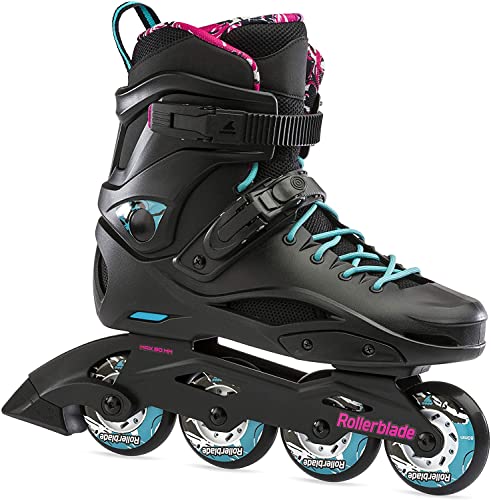
- MOLDED BOOT SKATES are perfect for the skater who wants to experience…
- SUPPORTIVE AND VENTILATED the RB Cruiser W molded shell provides…
- GREAT PADDED PERFORMANCE LINER with additional heel shock absorber for…
Riedell R3 Artistic Roller Skates
For roller derby or artistic skating, the Riedell R3 excels with its reinforced vinyl boot and responsive aluminum plate. The PowerDyne Thrust nylon plate offers agility, while the Sure-Grip Fame wheels provide excellent grip on rink surfaces.
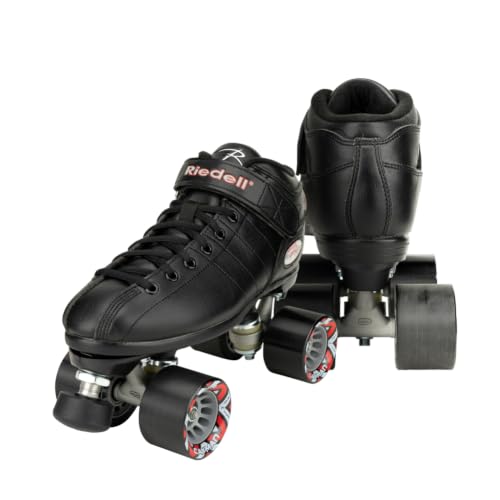
- ULTRA DURABLE: The R3 quad skates are man-made using a vinyl material for…
- COMFORTABLE FIT: These adjustable roller skates have an easy lace system…
- SMOOTH, LONG LASTING RIDE: Roller skates women and men can depend on for a…
Impala Quad Skates
The Impala Quad Skates blend style and performance, featuring a sturdy PVC boot and lightweight aluminum trucks. Ideal for casual and dance skating, they come in vibrant colors and include ABEC-7 bearings for a smooth, effortless glide.

- Bold pops of color and classic 70’s style are reborn. Rock retro rink…
- PETA-approved vegan product.
- PVC upper, heel, and sole.
Key Differences Between Inline Skates and Roller Skates
Understanding the fundamental differences between inline skates and roller skates is crucial for making the right choice. While both provide enjoyable skating experiences, their designs cater to distinct purposes, terrains, and skill levels.
Wheel Configuration and Stability
The most noticeable difference lies in wheel arrangement. Inline skates feature 4-5 wheels in a single row, creating a narrow base that demands better balance but offers greater speed and maneuverability. This design mimics ice skates, making them ideal for hockey players transitioning to pavement. Roller skates (quad skates) have two pairs of wheels in a rectangular formation, providing wider stability that beginners find reassuring.
For example, navigating city streets on inline skates allows quick turns around obstacles, while roller skates’ stability shines in roller rinks when executing dance moves or jam skating.
Terrain Adaptability
Inline skates generally perform better on varied outdoor surfaces due to:
- Larger wheel diameters (80-110mm) that roll smoothly over cracks and debris
- Softer wheel durometers (78A-85A) that absorb vibrations
- Replaceable brake systems for downhill control
Roller skates typically have smaller, harder wheels (58-65mm, 95A-101A) optimized for indoor surfaces. However, some outdoor models like the Moxi Beach Bunny feature hybrid wheels that work on both smooth concrete and wooden rinks.
Learning Curve Comparison
Beginners often progress faster with roller skates because:
- The wider wheelbase prevents ankle rolling
- Toe stops provide immediate braking control
- Weight distribution feels more natural for walking motions
Inline skating requires developing specific muscles for balance. New skaters should expect 2-3 weeks of practice before feeling comfortable, compared to potentially just days with quads. However, once mastered, inline skates offer greater speed potential – fitness models can reach 15-20 mph versus roller skates’ typical 8-12 mph limit.
Professional speed skaters almost exclusively use inline setups, while artistic and roller derby athletes prefer quads. Your intended use should dictate which system better serves your goals.
Choosing Based on Your Skating Goals and Environment
Selecting the right skates requires matching equipment to your primary activities and skating locations. This decision impacts your performance, safety, and enjoyment far more than aesthetics or price alone.
Best Applications for Each Skate Type
Inline skates excel in these scenarios:
- Fitness skating: The longer wheelbase provides efficient push-offs for cardio workouts. Models like the K2 Alexis 84 Boa feature breathable liners and responsive frames ideal for marathon skating.
- Urban commuting: Larger wheels (90-110mm) handle rough pavement better. The Powerslide Next 90 comes with shock absorbers and reflective details for city navigation.
- Aggressive skating: Specialized models like the Roces M12 Lo have grind plates and smaller, harder wheels (54-60mm) for skate park tricks.
Roller skates shine in these environments:
- Roller rinks: The Sure-Grip Boardwalk’s wooden wheels (62mm, 101A) provide perfect slide control on polished floors.
- Artistic/dance skating: Lighter plates and shorter wheelbases in skates like the Riedell 111 Angel enable precise footwork and spins.
- Roller derby: Low-cut boots like the Antik AR2 allow for deep knee bends and quick lateral movements.
Terrain-Specific Considerations
Your regular skating surface dramatically affects equipment needs:
For rough outdoor surfaces:
Opt for inline skates with 84mm+ wheels and 78A-82A hardness. The FR Skates FR3 310 uses a rockered frame that automatically adjusts to uneven terrain, while the Rollerblade Macroblade 90’s vibration-dampening system reduces fatigue on long rides.
For indoor/smooth surfaces:
Choose roller skates with 95A+ wheels. The Chaya Melrose Elite’s aluminum plate provides the stiffness needed for precise rink maneuvers, while its 57mm wheels maintain speed without being too slippery.
Skill Development Pathways
Your progression plan should influence your choice:
- Absolute beginners may prefer roller skates’ stability, but should eventually try both styles
- Intermediate skaters can select based on specialization – artistic skaters typically stick with quads while speed skaters transition to inlines
- Advanced athletes often maintain separate setups for different disciplines
Remember that wheel hardness and bearing quality (ABEC ratings) become increasingly important as skills advance. Many pros customize their setups – derby players might combine a Riedell boot with a Reactor Pro plate for optimal performance.
Technical Specifications and Performance Factors
Understanding the engineering behind skates helps optimize your choice for performance and comfort. These technical elements create noticeable differences in how skates handle various skating conditions.
Wheel Dynamics and Physics
Wheel characteristics dramatically affect your skating experience:
| Factor | Inline Skates | Roller Skates |
|---|---|---|
| Contact Patch | Narrow (15-25mm) | Wide (30-40mm) |
| Rolling Resistance | Lower (faster) | Higher (more stable) |
| Shock Absorption | Vertical (frame design) | Lateral (truck movement) |
The contact patch difference explains why inline skates feel faster but less stable – their narrow profile reduces friction. Roller skates’ wider contact distributes weight more evenly, making them better for jumps and landings.
Frame and Boot Engineering
Modern skate construction incorporates advanced materials:
- Inline frames: Aircraft-grade aluminum (Powerslide) or composite materials (Rollerblade Twister Edge) balance stiffness and vibration damping
- Quad plates: Nylon (lightweight) vs aluminum (precise) – the Chaya Barbiepatin uses a hybrid nylon/aluminum plate for artistic skating
- Boot stiffness: Measured in durometers, with speed skates (85D) being stiffest and recreational models (75D) offering more flex
Professional skaters often customize their setups. Speed skaters might combine a carbon fiber boot (Bont Jet) with a 3x110mm wheel configuration, while artistic skaters prefer leather boots (Riedell 220) with precision-machined plates.
Bearing Science and Maintenance
ABEC ratings (1-9) indicate bearing precision, but other factors matter more:
- Seal type: Rubber (better protection) vs metal (easier cleaning) – Bones Reds bearings use removable rubber shields
- Lubrication: Thicker grease (longevity) vs thin oil (speed) – Speed cream lubricant reduces friction by 15% compared to standard oils
- Cleaning frequency: Every 20-30 outdoor skating hours, or when bearings feel gritty
Common mistakes include over-tightening axle nuts (causes bearing compression) and using WD-40 (washes out lubricant). Proper maintenance can triple bearing lifespan.
Safety Considerations and Protective Gear Essentials
Proper safety measures differ significantly between inline and roller skating due to their distinct movement patterns and risk profiles. Understanding these differences can prevent common injuries and enhance your skating experience.
Injury Prevention Strategies
The biomechanics of falling differ between skate types:
- Inline skates: Falls typically occur forward due to the forward-leaning stance. Learn the “four-point fall” technique – kneepads first, then wrist guards, while keeping fingers curled inward.
- Roller skates: Falls often happen sideways or backward. Practice “falling small” by crouching low and rolling onto your padded hips and thighs.
Professional skating instructors recommend spending your first 2-3 sessions practicing controlled falls on grass before attempting hard surfaces. This builds muscle memory for safer reactions during unexpected slips.
Essential Protective Gear
While basic safety equipment applies to both styles, some specialized gear exists:
| Gear Type | Inline Skating Priority | Roller Skating Priority |
|---|---|---|
| Wrist Guards | Critical (forward falls) | Important |
| Tailbone Pads | Optional | Highly Recommended |
| Helmet Type | Multi-impact (TSG, Triple 8) | Single-impact certified |
For aggressive inline skating, consider full shin guards like the Ennui City Brace, while roller derby players should invest in mouthguards with 3mm+ thickness for impact protection.
Surface-Specific Safety Measures
Different environments present unique hazards:
- Outdoor skating: Inspect your route for debris and cracks. Carry a skate tool to adjust wheel tightness as temperature changes affect bearing performance.
- Rink skating: Be aware of “rink rash” – floor burns from sliding falls. Wear long sleeves or specialized slide gloves for protection.
- Skate parks: Use harder wheels (98A+) to prevent sticking on ramps. The Bones SPF 58mm wheels are park-specific for optimal performance.
Advanced skaters should consider impact shorts with D3O smart material that hardens upon impact, reducing hip injuries by up to 90% according to biomechanical studies.
Long-Term Investment and Maintenance Considerations
Choosing between inline and roller skates involves understanding their total cost of ownership, including maintenance requirements, upgrade paths, and longevity factors that impact your skating experience over time.
Durability and Component Lifespan
Different components wear at varying rates depending on skate type:
| Component | Inline Skates | Roller Skates | Average Lifespan |
|---|---|---|---|
| Wheels | Rotate every 20 hours | Rotate every 30 hours | 200-400 hours |
| Bearings | Clean monthly | Clean quarterly | 500-800 hours |
| Boots | Replace when flex exceeds 15° | Replace when ankle support weakens | 800-1200 hours |
High-quality inline frames (like those on FR Skates) often outlast multiple boot replacements, while roller skate plates (especially nylon ones) may need replacement after 2-3 years of regular use.
Upgrade Paths and Customization
Both skate types offer different customization opportunities:
- Inline skates: Allow progressive wheel size upgrades (80mm→90mm→100mm) as skills improve. The Powerslide Trinity mounting system enables frame swaps for different disciplines.
- Roller skates: Offer artistic customization like adjusting truck tightness for specific dance moves or installing jam plugs for toe work. The Roll-Line Variant plate provides 7+ adjustment points.
Professional skaters often spend 2-3x the initial skate cost on upgrades over 5 years. A quality $300 inline skate setup might require $150 in wheels and $100 in bearings during its lifespan.
Environmental and Storage Considerations
Proper care extends skate life significantly:
- Temperature control: Store skates indoors (15-25°C) as extreme heat warps wheels and cold makes bearings brittle
- Moisture management: Use silica gel packs in skate bags to prevent bearing corrosion, especially for coastal areas
- Transport protection: Invest in hard-shell cases for air travel – the Rollerblade Skate Backpack protects frames during transit
Eco-conscious skaters should consider brands like Chaya that use recycled materials, or opt for biodegradable lubricants like Green Oil for bearing maintenance.
Performance Optimization and Advanced Techniques
Maximizing your skating performance requires understanding the nuanced adjustments and techniques specific to each skate type. These advanced considerations separate casual skaters from truly proficient practitioners.
Precision Tuning for Peak Performance
Fine-tuning your skates can improve efficiency by 15-20%:
- Inline skate rockering: Adjusting wheel sizes (e.g., 80-76-76-80mm configuration) creates a curved contact line for better agility in slalom skating
- Roller skate truck adjustment: Loosening kingpin nuts by 1/4 turn increments (using a Park Tool SK-5) allows customized responsiveness for dance moves
- Frame alignment: Using laser alignment tools ensures perfect symmetry – critical for speed skaters to prevent energy-wasting imbalances
Professional inline marathon skaters often spend 2-3 hours weekly on precise adjustments, while artistic roller skaters may tweak their setups before each performance.
Specialized Training Methodologies
Advanced skaters employ discipline-specific training regimens:
| Discipline | Inline Focus | Roller Focus |
|---|---|---|
| Endurance | Interval training with heart rate monitoring | Circular endurance drills in rinks |
| Technical | Cone patterns with 1.2m spacing | Spot turns and edge work |
| Strength | Single-leg pushes on inclines | Deep plié holds with weights |
Olympic-level inline skaters incorporate plyometric box jumps (30-45cm) to improve push-off power, while elite roller derby players focus on lateral agility drills with resistance bands.
Advanced Maintenance Protocols
Pro-level care extends beyond basic cleaning:
- Bearing breakdown: Ultrasonic cleaning (using Crest units) removes 98% of contaminants versus 70% with manual methods
- Wheel rotation: Advanced patterns (X-rotation for inlines, star-pattern for quads) ensure even wear across all wheels
- Boot care: Leather conditioner applications every 50 hours prevent cracking in high-end models like the Riedell 495
Competitive skaters typically maintain two identical setups – one for training and one for events – to ensure optimal performance when it matters most.
Competitive and Professional Applications
The choice between inline and roller skates becomes particularly critical at competitive levels, where equipment specialization can mean the difference between podium finishes and mediocre results. Professional applications demand precise equipment matching to specific disciplines.
Discipline-Specific Equipment Standards
Elite competitions enforce strict equipment regulations:
| Discipline | Mandatory Specifications | Common Pro Models |
|---|---|---|
| Inline Speed Skating | 3x110mm or 4x100mm wheels, max 50cm frame length | Bont Jet, Powerslide HC Evo |
| Artistic Roller | 62-65mm wheels, toe stop required | Riedell 297, Edea Rondo |
| Roller Derby | Short forward mount plates, no toe stops in play | Antik AR2, Bont Prostar |
Olympic-level inline speed skaters use custom carbon boots with heat-moldable liners that require 20+ hours of professional fitting, while world-class artistic skaters often hand-select maple wood wheels for specific floor conditions.
Professional Maintenance Routines
Elite athletes follow rigorous maintenance schedules:
- Daily: Wheel rotation, bearing inspection, and bolt torque checks (using precision torque wrenches set to 3-5Nm)
- Weekly: Complete bearing breakdown with microscopic inspection for pitting (100x magnification recommended)
- Monthly: Frame alignment verification with laser measurement tools accurate to 0.01mm
Many professional teams employ dedicated equipment technicians who use vibration analysis tools to detect microscopic frame fractures before they become visible.
Performance Analytics
Advanced telemetry systems now integrate with skating equipment:
- Pressure mapping: Thin-film sensors in boots analyze weight distribution (used by Team USA since 2021)
- Stride analysis: On-skate accelerometers measure push-off efficiency (Powerslide’s IQON system samples at 500Hz)
- Wear monitoring: RFID-embedded wheels track remaining lifespan down to the rotation count
These systems generate terabytes of data annually, with top coaches using machine learning algorithms to identify subtle technique improvements worth 0.5-1.5% performance gains – critical at world championship levels.
Conclusion
Choosing between inline skates and roller skates ultimately depends on your skating goals, environment, and personal preferences. We’ve explored how wheel configuration, stability, terrain adaptability, and learning curves differ significantly between these two skate types.
Inline skates excel for speed, fitness, and urban skating with their streamlined design, while roller skates offer superior stability for artistic moves, dance, and roller derby. Your decision should factor in skill level, intended use, and the surfaces you’ll frequent most.
Remember that proper safety gear and maintenance are crucial regardless of your choice. High-quality equipment matched to your discipline will enhance performance and enjoyment. Consider trying both styles if possible – many skaters eventually maintain both types for different activities.
Ready to make your decision? Visit a professional skate shop for personalized fitting and advice. The perfect skating experience awaits – whether you choose the speed of inlines or the style of quads, your skating journey starts here.
Frequently Asked Questions About Choosing Inline Skates or Roller Skates
What’s the main difference between inline skates and roller skates?
Inline skates feature wheels arranged in a single line, offering greater speed and maneuverability ideal for fitness skating or urban environments. Roller skates have two pairs of wheels in a rectangular formation, providing superior stability that’s perfect for dance moves or roller rinks. The wheel configuration affects everything from balance to turning radius.
Inline designs mimic ice skates with their narrow profile, while roller skates offer a more natural stance similar to walking. Professional speed skaters typically use inlines, while artistic and derby skaters prefer the control of quad skates.
Which type is easier for beginners to learn?
Most beginners find roller skates easier initially due to their wider wheelbase and more stable platform. The rectangular wheel formation prevents ankle rolling and provides better balance. However, some athletic beginners adapt quickly to inlines if they have prior ice skating experience.
The learning curve differs – roller skaters often feel comfortable within days, while inline skaters may need 2-3 weeks. Consider starting with roller skates if balance is a concern, then transitioning to inlines later for variety.
Can I use the same protective gear for both skate types?
Basic protective gear (helmet, knee/elbow pads) works for both, but some specialized equipment exists. Inline skaters should prioritize wrist guards due to forward falls, while roller skaters benefit more from padded shorts for backward falls. Multi-sport helmets are versatile for both.
Quality matters – look for CE-certified pads with durable caps. Roller derby players often upgrade to heavier-duty gear like the Triple Eight Saver Series for intense contact situations.
How often should I replace skate wheels?
Wheel lifespan depends on usage and surface. Outdoor wheels (78A-85A hardness) typically last 200-300 hours, while harder indoor wheels (95A+) can last 400+ hours. Rotate wheels every 20-30 skating hours to ensure even wear.
Watch for these replacement signs: diameter reduction beyond 5mm, flat spots, visible core exposure, or significant hardening. Aggressive skaters may replace wheels every 3 months, while recreational skaters can often use them for years.
Are expensive skates worth the investment?
Higher-end skates offer better materials (leather boots vs vinyl), precision bearings, and customizable components that significantly improve performance. The difference between $100 and $300 skates is noticeable in comfort, responsiveness, and durability.
For casual skaters, mid-range models suffice. But serious enthusiasts or competitive skaters should invest in quality – proper support prevents injuries and enhances skills development. Consider it a long-term investment in your skating future.
Can I convert roller skates to inline skates or vice versa?
Complete conversion isn’t practical due to fundamental design differences in frames and boots. However, some hybrid systems exist – Powerslide’s Trinity mount allows frame swaps, while certain roller skate plates accept both quad and inline configurations.
Most skaters find it more cost-effective to maintain separate setups. The biomechanics differ enough that trying to make one skate do both typically compromises performance in both disciplines.
How do I choose the right wheel hardness?
Wheel durometer (A-scale) should match your surface. Softer wheels (78A-85A) grip rough outdoor surfaces better, while harder wheels (88A-101A) slide smoothly on indoor rinks. Hybrid wheels (85A-88A) offer compromise for mixed use.
Consider your weight too – heavier skaters (180+ lbs) may need slightly harder wheels to prevent excessive deformation. The RollerBones Team Logo 98A wheels work well for average-weight skaters on indoor surfaces.
What maintenance do skates require?
Regular maintenance includes bearing cleaning (every 20-30 hours), wheel rotation, and hardware checks. Use skate-specific tools for adjustments – a 6mm Allen wrench for frames and a skate key for axle nuts. Store skates in dry conditions to prevent rust.
Advanced care involves boot conditioning (for leather), frame alignment checks, and replacing worn components. Professional skaters often completely disassemble their skates monthly for thorough inspection and lubrication.