Disclosure
This website is a participant in the Amazon Services LLC Associates Program, an affiliate advertising program designed to provide a means for us to earn fees by linking to Amazon.com and affiliated sites.
Choosing the right inline skates isn’t easy—but we’ll simplify it. Whether you’re a beginner or a pro, the perfect pair depends on your goals, budget, and skating style.
Many assume all skates are the same, but that’s a costly mistake. Cheap models can hurt your feet, while the wrong type limits performance. You deserve better.
Best Inline Skates for Beginners, Fitness, and Aggressive Skating
Rollerblade RB Cruiser W
Ideal for beginners, the Rollerblade RB Cruiser W features a durable composite frame, 80mm wheels for stability, and a breathable liner for comfort. Its supportive fit and smooth-rolling bearings make it perfect for learning the basics.

- MOLDED BOOT SKATES are perfect for the skater who wants to experience…
- SUPPORTIVE AND VENTILATED the RB Cruiser W molded shell provides…
- GREAT PADDED PERFORMANCE LINER with additional heel shock absorber for…
Powerslide Phuzion Radon 90
For fitness enthusiasts, the Powerslide Phuzion Radon 90 offers a lightweight trinity frame, 90mm wheels for speed, and a snug, adjustable fit. The energy-efficient design reduces fatigue, making it great for long-distance skating.

- Gender: women
- Bearings: ABEC 7
- Roll size: 90 mm
Roces M12 Lo Aggressive Skates
Aggressive skaters swear by the Roces M12 Lo for its sturdy UFS frame, grind-friendly soul plate, and shock-absorbing liner. The compact design and responsive wheels ensure precision for park and street tricks.
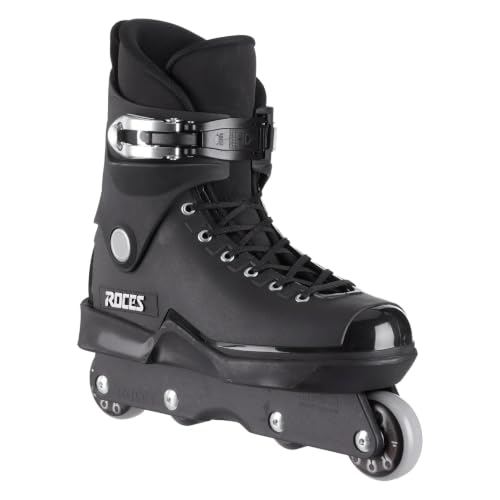
- Shell – High Grade Polyurethane HGPU. Liner – Anatomically Padded with…
- Closure – Aluminum Memory Buckle, Laces. Fitting – Special Aggro-grab…
- Footbed – Roces for Street Skating. Wheels – 2 pcs Roces 56mm 88A + 2 pcs…
How to Choose the Right Type of Inline Skates for Your Needs
Selecting the perfect inline skates starts with understanding the three main categories: recreational, fitness, and aggressive. Each type is engineered for specific activities, with distinct features affecting performance, comfort, and durability. Picking the wrong style can lead to discomfort, poor control, or even injury—so let’s break down what makes each unique.
Recreational Skates: Comfort for Casual Use
Designed for beginners and casual skaters, recreational models prioritize stability and ease of use. They typically feature:
- Soft boots: Provide flexibility and breathability for relaxed skating (e.g., Rollerblade Zetrablade).
- Smaller wheels (70-80mm): Offer better balance at lower speeds.
- Basic bearings (ABEC 5-7): Smooth enough for park paths but not built for high speeds.
These skates often include heel brakes for safety, making them ideal for family outings or weekend rides. However, their lightweight construction lacks support for advanced maneuvers.
Fitness Skates: Speed and Efficiency
Built for cardio and distance, fitness skates optimize energy transfer and aerodynamics. Key characteristics include:
- Hard shells or carbon fiber: Stiff boots reduce energy loss (e.g., Powerslide Swell).
- Larger wheels (90-110mm): Maintain momentum with fewer pushes.
- Precision bearings (ABEC 9+): Minimize friction for long strides.
Many models feature ventilation systems to manage sweat during intense sessions. Note that their taller frames require stronger ankle control—beginners may find them less stable than recreational options.
Aggressive Skates: Durability for Tricks
Engineered for skate parks and street stunts, aggressive skates sacrifice speed for impact resistance. Look for:
- Reinforced toe boxes and soul plates: Protect during grinds (e.g., USD Aeon 60).
- Small, hard wheels (54-60mm): Prioritize grip over roll speed.
- Flat or anti-rocker setups: Prevent wheel bite during spins.
These skates often have shorter frames for better maneuverability but aren’t suited for long-distance skating. The trade-off? Superior shock absorption for landing jumps.
Pro Tip: Hybrid skates like the FR Skates FR3 80 blend elements from multiple categories, offering versatility for skaters who dabble in different styles.
Key Features That Impact Performance and Comfort
Beyond skate categories, understanding critical components will help you make an informed decision. These elements determine how your skates perform, feel, and last over time.
Wheel Composition and Hardness Explained
Inline skate wheels use a durometer rating (measured in “A”) to indicate hardness. Softer wheels (74A-82A) provide:
- Better grip: Ideal for outdoor skating on rough surfaces
- Shock absorption: Reduces vibration on asphalt or concrete
- Shorter lifespan: Wear down faster than hard wheels
Harder wheels (85A-90A) excel for:
- Indoor rinks: Maintain speed on smooth surfaces
- Precise control: Preferred by slalom and speed skaters
- Durability: Last 2-3 times longer than soft wheels
Frame Materials and Their Impact
The frame connects your boots to wheels and affects energy transfer:
- Composite plastic: Affordable but flexes during pushes (common in recreational skates)
- Aluminum: Stiff for efficient power transfer (found in mid-range fitness skates)
- Carbon fiber: Ultra-light with zero flex (premium option for racing)
For urban skating, look for frames with rockered setups (middle wheels slightly elevated) for better maneuverability around obstacles.
Boot Fit and Support Systems
A proper fit should feel snug but not painful. Consider these factors:
- Heat-moldable liners: Customize fit to your foot shape (available in higher-end models)
- Ankle support: Crucial for beginners – look for padded cuffs and stiff shells
- Break-in period: Most skates require 5-10 hours of use to fully conform to your feet
Pro Tip: When trying skates, wear the same thickness of socks you’ll use while skating. Your toes should lightly touch the front when standing, with about 5mm of space when crouched in skating position.
Advanced Maintenance and Performance Optimization
Proper care and adjustments can dramatically extend your skates’ lifespan and improve performance. This section covers professional-level maintenance techniques most skaters overlook.
Bearing Maintenance: The Heart of Smooth Rolling
Bearings require regular cleaning to maintain performance. Follow this professional cleaning process:
- Remove shields: Use a pin to carefully pry off rubber seals
- Degrease: Soak in citrus-based cleaner for 10 minutes
- Dry thoroughly: Compressed air works best to prevent rust
- Re-lubricate: Use 1 drop of speed cream per bearing
| Bearing Type | Maintenance Frequency | Expected Lifespan |
|---|---|---|
| Standard (ABEC 5-7) | Every 20-30 hours | 6-12 months |
| Precision (ABEC 9+) | Every 40-50 hours | 1-2 years |
| Ceramic | Every 80-100 hours | 3-5 years |
Wheel Rotation Strategy for Even Wear
Professional skaters use these rotation patterns:
- Forward skaters: Rotate wheels in X-pattern (front left to rear right)
- Aggressive skaters:
Flip wheels inside-out every 10 hours
- Slalom skaters: Rotate more frequently (every 5 hours)
Temperature Considerations for Optimal Performance
Skate components behave differently in various climates:
- Cold weather: Use softer wheels (78A-82A) for better grip
- Hot pavement: Harder wheels (85A+) prevent premature wear
- Humid conditions: Apply silicone spray to bearings weekly
Expert Tip: For competitive skaters, keep a log of maintenance activities and performance notes. Tracking wheel rotations, bearing cleanings, and weather conditions helps identify optimal setups for different environments.
Safety Gear and Injury Prevention Strategies
Proper protective equipment is just as crucial as choosing the right skates. This section details professional-grade safety considerations that go beyond basic recommendations.
Essential Protective Gear Breakdown
High-quality safety equipment should include these critical components:
- Multi-impact helmets: Look for dual-certification (CPSC & ASTM F1492) with proper ventilation
- Sliding gloves: Essential for aggressive skaters – should include durable palm pucks
- Knee gaskets: Medical-grade silicone sleeves under hard caps prevent hyperextension
- Wrist guards: Must have rigid splints on both palm and dorsal sides
Advanced Falling Techniques
Professional skaters use these controlled falling methods to minimize injury:
- The baseball slide: Drop to one knee while sliding forward on kneepad
- The four-point landing: Distribute impact across both hands and knees simultaneously
- The backward roll: Tuck chin and roll over shoulder when falling backward
Common Injury Prevention Strategies
These professional techniques reduce accident risks:
- Pre-skate warm-up: 10 minutes of dynamic stretching focusing on ankles and hips
- Progressive braking: Master basic stops before attempting advanced techniques
- Surface evaluation: Check for debris, cracks, and slope gradients before skating
- Hydration monitoring: Dehydration increases fatigue-related accidents by 40%
Equipment Safety Checks
Perform these inspections before every session:
| Component | Check For | Replacement Threshold |
|---|---|---|
| Wheels | Flat spots, cracks, uneven wear | When diameter reduces by 10mm |
| Bearings | Rust, grinding noise, wobble | If cleaning doesn’t restore smooth spin |
| Helmet | EPS foam compression, cracks | After any impact or every 3 years |
Pro Tip: Consider investing in impact shorts with tailbone protection if practicing jumps or aggressive skating. Most serious skating injuries involve the coccyx or hips during falls.
Long-Term Investment and Sustainability Considerations
Quality inline skates represent a significant investment that can last for years with proper care. This section examines the total cost of ownership, environmental impact, and emerging technologies in the skating industry.
Cost-Per-Use Analysis of Different Skate Tiers
While premium skates have higher upfront costs, their long-term value often surpasses budget options:
| Price Tier | Average Lifespan | Replacement Parts Needed | Cost Per Hour (5 years) |
|---|---|---|---|
| Budget ($50-$100) | 6-12 months | Full replacement | $0.25-$0.50 |
| Mid-Range ($150-$300) | 2-3 years | Wheels, bearings | $0.15-$0.25 |
| Premium ($400-$800) | 5+ years | Liners, wheels | $0.08-$0.12 |
Eco-Friendly Skating Options
The skating industry is adopting sustainable practices with these innovations:
- Bio-based wheels: Made from castor beans (e.g., Matter G13 compound) reducing petroleum use
- Recyclable frames: Aluminum and carbon fiber frames with 90%+ recycling rates
- Upgradable designs: Modular skates like the Doop Skate reduce waste by allowing partial replacements
Future-Proofing Your Purchase
Consider these emerging trends when investing in skates:
- Smart skate technology: Bluetooth-enabled models track performance metrics (Powerslide Next with 3D printed cuffs)
- Advanced materials: Graphene-infused wheels offer 40% longer lifespan than traditional urethane
- Customization platforms: Online configurators allowing personalized skate builds (FR Skates custom shop)
End-of-Life Considerations
Responsible disposal and repurposing options:
- Donation programs: Organizations like Skate Forward refurbish used skates
- Recycling initiatives: Some manufacturers offer take-back programs for old components
- DIY projects: Creative ways to repurpose old skates into furniture or art
Pro Tip: When budgeting for skates, allocate 20-30% of the initial cost for future maintenance and upgrades. High-quality replacement wheels and bearings can extend the life of premium boots by several years.
Customization and Performance Tuning Techniques
Serious skaters can unlock significant performance gains through precise customization. This section explores professional-level adjustments that transform stock skates into personalized performance machines.
Precision Fit Modifications
Advanced fitting techniques eliminate discomfort and improve power transfer:
- Heat molding: Professional shops use 180°F ovens to customize boot shape (not recommended for DIY)
- Pressure point relief: Strategic use of Dremel tools to smooth interior seams (0.5mm makes all the difference)
- Custom footbeds: Orthotic-grade insoles improve alignment and reduce fatigue (look for 3-5mm heel lift options)
Wheel Configuration Strategies
Professional skaters use these setups for specific disciplines:
| Discipline | Wheel Setup | Recommended Durometer | Rockering Pattern |
|---|---|---|---|
| Speed Skating | 4x110mm | 88A-90A | Flat |
| Urban Freestyle | 4x80mm | 85A | Front rocker (1mm) |
| Slalom | 4x76mm | 83A-85A | Full rocker (2mm) |
Bearing Optimization Techniques
Beyond basic cleaning, pros use these methods:
- Break-in procedure: 20 minutes of gentle skating to distribute lubricant evenly
- Lubricant selection: Thinner oils (ISO 10-15) for speed, thicker (ISO 20-30) for durability
- Precision alignment: Using bearing spacers within 0.01mm tolerance reduces friction
Frame Tuning for Peak Performance
Advanced adjustments include:
- Mounting position: Moving frame 2-3mm forward improves acceleration
- Angular adjustment: Tilting frames 1-2° inward enhances cornering grip
- Vibration damping:
Applying silicone tape between frame and boot reduces road chatter
Pro Tip: Keep a tuning log documenting all modifications and their effects. Small changes (as little as 0.5mm adjustments) can create noticeable performance differences that are hard to remember otherwise.
Competition-Level Preparation and Performance Optimization
For skaters pursuing competitive excellence, every component and adjustment must work in perfect harmony. This section reveals the professional techniques used by elite athletes to maximize performance.
Precision Equipment Calibration
World-class competitors fine-tune their skates with these meticulous adjustments:
| Component | Calibration Parameter | Competition Standard | Measurement Tool |
|---|---|---|---|
| Wheels | Diameter Variance | ≤0.2mm across set | Digital calipers |
| Bearings | Spin Time | ≥45 seconds (clean) | Bearing spinner |
| Frame | Alignment | ±0.5° symmetry | Laser alignment tool |
Surface-Specific Configuration Guide
Elite skaters maintain multiple setups for different competition surfaces:
- Indoor wood: 88A wheels with polished bearings (reduced friction)
- Outdoor concrete: 84A wheels with dust shields (debris protection)
- Rain conditions: Special grooved wheels (hydroplaning prevention)
Performance Validation Protocol
Pro athletes follow this 7-day pre-competition checklist:
- Day 7: Full bearing overhaul and lubrication
- Day 5: Wheel rotation and hardness testing
- Day 3: Frame torque check (all bolts to 5Nm)
- Day 1: Final test run with data logging
Risk Mitigation Strategies
Competitors use these advanced precautions:
- Redundant components: Carry pre-broken-in backup bearings
- Environmental adaptation: 2-hour surface acclimation period
- Failure analysis: Microscopic inspection of critical parts post-event
Championship Tip: Maintain a “gold standard” reference skate that’s never modified – used solely to benchmark the performance of your competition setup. This provides an objective baseline for all tuning decisions.
Conclusion
Choosing the perfect inline skates requires careful consideration of your skating style, skill level, and performance goals. We’ve explored everything from beginner-friendly recreational models to competition-grade setups, breaking down each component’s impact on your skating experience.
Remember that wheel hardness, frame material, and boot construction work together to create your ideal ride. The right skates should feel like an extension of your body, not just equipment strapped to your feet.
Whether you’re cruising park trails or training for competitions, proper maintenance and safety practices will extend your gear’s lifespan and protect your body. The small details make all the difference in performance and comfort.
Now equipped with this comprehensive knowledge, you’re ready to make an informed decision. Visit your local skate shop to test different models, or use our buying guide to confidently order online. The perfect skating experience awaits – lace up and roll out!
Frequently Asked Questions About Which Inline Skates to Buy
What’s the difference between recreational and fitness inline skates?
Recreational skates prioritize comfort with soft boots and smaller wheels (70-80mm), ideal for casual skating. Fitness skates feature rigid boots and larger wheels (90-110mm) for speed and efficiency. The Rollerblade Zetrablade exemplifies recreational models, while the Powerslide Swell represents fitness designs.
Fitness skates typically use higher-grade bearings (ABEC 7-9) and offer better energy transfer. Recreational models often include heel brakes, while fitness skates may require learning advanced stopping techniques.
How often should I replace my inline skate wheels?
Wheel lifespan depends on usage and hardness. Soft outdoor wheels (78A-82A) last 3-6 months with regular use, while harder indoor wheels (85A+) can last a year. Measure diameter monthly – replace when wheels lose 10mm from original size.
Rotate wheels every 10-15 skating hours to ensure even wear. Aggressive skaters may need to flip wheels inside-out every month to prevent coning from tricks and slides.
Can I use the same skates for street and rink skating?
While possible, it’s not ideal. Street skating requires softer wheels (78A-84A) for grip and shock absorption, while rinks need harder wheels (85A-90A) for speed. Using street wheels indoors reduces performance, and vice versa increases wear outdoors.
Consider hybrid wheels (84A-86A) if you frequently switch surfaces. The best solution is separate wheel sets – swap them in 15 minutes using a bearing tool.
How should inline skates fit compared to regular shoes?
Inline skates should fit snugger than shoes – about 0.5-1 size smaller than your street shoe. Your toes should lightly touch the front when standing straight, with about 5mm space when crouched in skating position.
Avoid excessive room – it causes blisters and reduces control. Heat-moldable liners in premium skates (like FR Skates models) can customize fit after purchase for perfect comfort.
What maintenance does my inline skates require?
Basic maintenance includes weekly bearing checks, monthly wheel rotations, and quarterly frame inspections. Clean bearings every 20-30 skating hours using citrus cleaner and speed cream lubricant.
Store skates in a dry place with wheels off the ground. Check all bolts monthly for proper torque (5Nm for most frames). Replace worn brake pads immediately for safety.
Are expensive inline skates worth the investment?
Premium skates ($$400+) offer better materials, precision engineering, and longer lifespan. The cost-per-use often becomes lower than budget skates over 3-5 years. Features like carbon fiber frames and heat-moldable liners justify the price for serious skaters.
Beginners can start with mid-range models ($150-$300), then upgrade components individually. The Rollerblade Twister Edge offers excellent value in this range with aluminum frames and quality liners.
How do I choose the right wheel hardness?
Wheel hardness (measured in durometer “A”) depends on surface and style. Softer wheels (74A-82A) grip rough outdoor surfaces better. Harder wheels (85A-90A) provide speed on smooth indoor rinks.
Urban skaters typically use 80A-84A for mixed surfaces. Slalom skaters prefer 83A-85A for controlled slides. Always match all wheels in a set within 2A points for consistent performance.
What safety gear is absolutely essential?
At minimum, wear a certified multi-impact helmet and wrist guards. Knee pads become crucial for speeds over 10mph or trick skating. Consider elbow pads and impact shorts for aggressive or urban skating.
Look for CE EN 14120 certified wrist guards and ASTM F1492 helmets. The Triple Eight Sweatsaver helmet and Ennui City Brace gloves offer excellent protection without sacrificing comfort.