Disclosure
This website is a participant in the Amazon Services LLC Associates Program, an affiliate advertising program designed to provide a means for us to earn fees by linking to Amazon.com and affiliated sites.
Yes, inline skates are often easier for beginners than quad skates—but only if you prioritize speed and stability. Their design mimics ice skates, offering smoother movement on pavement.
Many assume quads are simpler due to their wide base, but inline wheels align linearly, improving balance during forward motion. This reduces wobbling for new skaters.
Best Inline Skates for Beginners
Rollerblade Zetrablade Elite
The Rollerblade Zetrablade Elite is perfect for new skaters thanks to its cushioned boot, breathable liner, and 80mm wheels for smooth rides. Its aluminum frame ensures stability, while the easy-to-use brake system boosts confidence during stops.
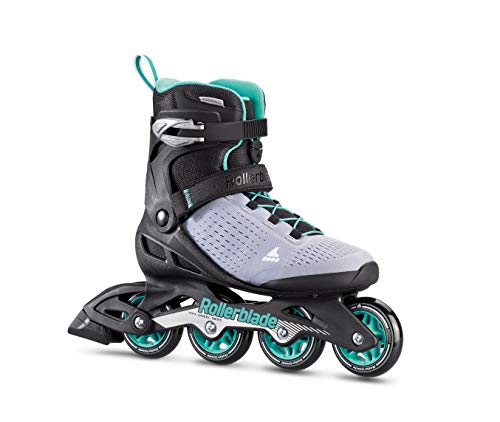
- BUCKLE-Cuff buckle, 45° strap, speed laces
K2 Kinetic 80 Pro
With a soft boot design and adjustable lace system, the K2 Kinetic 80 Pro offers comfort and a snug fit. The 80mm wheels and rockered frame enhance maneuverability, making it ideal for learning turns and strides.

- Speed Lacing – Secures skates with one pull making it easy to put on and…
- Stability Plus Cuff – Provides the right amount of support, flexibility,…
- F.B.I. frame – is a vibration-absorbing composite frame that is interlocked…
Powerslide Swell Lite 100
The Powerslide Swell Lite 100 features a lightweight, heat-moldable boot for a custom fit. Its 100mm wheels provide speed and stability, while the Trinity frame reduces fatigue—great for those transitioning from casual to fitness skating.

- One of the latest and most innovative additions to the popular SWELL skate…
- POWERSLIDE has streamlined the production process in order to make the…
- The SWELL LITE Black 100 has an anatomically shaped, glass-fiber reinforced…
Why Inline Skates Are Easier for Beginners: Key Design Advantages
Inline skates offer several structural benefits that make them more beginner-friendly than traditional quad skates. The most significant advantage is their wheel alignment—positioned in a single row, inline wheels mimic the natural motion of walking or running. This linear design reduces side-to-side wobbling, helping new skaters maintain balance while moving forward. In contrast, quad skates have a wider wheelbase, which can feel unstable for those unaccustomed to distributing their weight evenly.
Stability and Speed
Inline skates typically feature larger wheels (80mm–100mm) compared to quad skates, which improves roll speed and smooths out rough pavement. For example, the Rollerblade Zetrablade Elite’s 80mm wheels absorb vibrations from cracks or pebbles, making outdoor skating less jarring. Beginners often find it easier to build momentum without excessive pushing, as the longer wheelbase maintains glide efficiency.
Ankle Support and Maneuverability
A common myth is that high-top boots (like those on quads) provide better ankle support. However, modern inline skates like the K2 Kinetic 80 Pro use ergonomic, breathable liners that hug the ankle without restricting movement. This design prevents blisters while offering controlled flexibility for turns. Additionally, the rockered wheel setup on some models (where middle wheels are slightly elevated) allows quicker pivots—ideal for avoiding obstacles.
Braking Systems
Most inline skates include a rear heel brake, which is more intuitive for beginners than the toe-stop mechanism on quads. To stop, you simply tilt your foot forward—a motion similar to pressing a car pedal. Powerslide skates even offer adjustable brake angles for personalized control. Compare this to quads, where stopping requires lifting your toe or executing a T-stop (a challenging move for novices).
- Pro Tip: Practice braking on grass first to build muscle memory without rolling.
- Warning: Avoid skates with plastic frames—they flex under pressure, reducing stability.
While inline skates have a steeper learning curve for tricks or backward skating, their forward-motion efficiency makes them the smarter choice for fitness-focused beginners. Brands like Rollerblade and K2 prioritize user-friendly features, from padded cuffs to shock-absorbing soles, to accelerate skill development.
Mastering Basic Inline Skating Techniques: A Step-by-Step Guide
Transitioning from walking to skating requires mastering fundamental techniques that leverage inline skates’ unique design. Unlike quad skates where you can stand flat-footed, inline skates demand a proper athletic stance to maintain control and prevent falls.
The Essential Stance: Your Foundation for Success
Begin with your feet shoulder-width apart, knees bent at about 120 degrees, and weight centered over your arches. This “ready position” lowers your center of gravity – crucial because inline wheels have less lateral stability than quads. Keep your back straight but lean slightly forward from the ankles (not waist) to prevent backward falls. A common mistake is standing too upright, which makes balancing on the narrow wheelbase difficult.
Forward Stroking: Generating Momentum Properly
Push off with one foot at a 45-degree angle, transferring weight smoothly to the gliding foot. Unlike quad skating where you can shuffle-step, inline skating requires proper “V-pushes” for efficient motion:
- Start in ready position with toes pointed outward (V-shape)
- Push diagonally backward with one foot while straightening the knee
- Keep pushes short (12-18 inches) for better control
- Alternate sides rhythmically, like speed skating
Beginners using the Rollerblade Zetrablade Elite often find its 80mm wheels maintain momentum between strokes better than smaller quad wheels, requiring fewer pushes.
Turning Techniques: From Basic to Advanced
For gentle turns, simply shift your weight toward the direction you want to go – left foot for left turns, right for right. More aggressive turns require the “parallel turn”:
- Preparation: Gain moderate speed in ready position
- Execution: Lean your whole body (not just feet) into the turn while bending knees deeper
- Recovery: Straighten knees to exit the turn
The K2 Kinetic 80 Pro’s rockered wheel setup makes these maneuvers easier by allowing the front and back wheels to lift slightly during sharp turns.
Professional Tips for Faster Progression
Practice on smooth, flat surfaces like tennis courts before attempting hills or rough pavement. Wear all protective gear – wrist guards are especially important as most falls happen forward. Schedule short, frequent sessions (20-30 minutes daily) rather than occasional long sessions to build muscle memory faster.
Advanced Braking Techniques and Safety Considerations
While the heel brake serves beginners well, mastering advanced stopping methods unlocks greater control and safety at higher speeds. Understanding the physics behind each technique helps skaters choose the right method for different situations.
The Science of Effective Stopping
All braking techniques work by increasing friction between wheels and pavement. The key variables are:
| Technique | Friction Source | Effective Speed Range | Wheel Wear Impact |
|---|---|---|---|
| Heel Brake | Rubber pad drag | 0-10 mph | High (pad replacement needed) |
| T-Stop | Sidewall scraping | 5-15 mph | Moderate (even wear) |
| Powerslide | Full wheel slide | 10+ mph | Severe (flat spots possible) |
Progressive Braking Skill Development
Start with the basic heel brake before attempting more advanced methods:
- Heel Brake Refinement: Practice applying gradual pressure (not stomping) while keeping 80% weight on the non-braking foot. The Powerslide Swell Lite’s adjustable brake angle helps customize engagement.
- T-Stop Fundamentals: Begin at walking speed by dragging one foot perpendicular behind you. Focus on keeping just 2-3 wheels in contact to minimize friction.
- Powerslide Preparation: First master the “shuffle turn” (quick 90° rotation) without sliding. This builds the muscle memory needed for emergency stops.
Surface-Specific Braking Strategies
Different terrains require technique adjustments:
- Wet pavement: Use shorter, more frequent heel brake taps to avoid hydroplaning
- Rough asphalt: T-stops work better as vibration reduces heel brake effectiveness
- Downhill: Combine carving turns with intermittent braking to control speed
Professional speed skaters recommend practicing emergency stops weekly, even after mastering techniques. Always check wheel hardness (78A-85A for street skating) as worn wheels significantly increase stopping distances.
Common Mistakes and Corrections
Most braking errors stem from improper weight distribution:
- Problem: Skater spins out during T-stop
Solution: Keep more weight on the front foot (60/40 split) - Problem: Braking causes loss of balance
Solution: Lower your stance further before initiating the stop - Problem: Uneven wheel wear after stops
Solution: Alternate braking sides and rotate wheels monthly
Optimizing Your Inline Skates for Performance and Comfort
Proper skate setup and maintenance significantly impact both learning ease and long-term enjoyment. Unlike quad skates that work well out of the box, inline skates often require careful adjustment to match your skating style and physiology.
Customizing Fit for Maximum Control
The ideal fit should feel snug but not painful, with no heel lift when you bend your knees. Consider these professional fitting techniques:
- Heat molding: Many premium skates like the Powerslide Swell Lite feature thermoformable liners. Use a hairdryer on medium heat for 2-3 minutes per pressure point while wearing the skates (with thin socks).
- Lacing strategies: For wide feet, skip the middle eyelets to reduce pressure. Narrow-footed skaters should use a “lock lacing” technique at the ankle.
- Break-in period: Most skates require 8-10 hours of use to fully mold to your feet. Schedule short sessions initially to avoid blisters.
Wheel Rotation and Maintenance Protocols
Inline skate wheels wear unevenly due to braking and turning forces. Follow this professional rotation schedule:
- Standard rotation: Every 4-6 hours of skating, move wheels in this pattern: Front left → Back right, Front right → Back left, reversing wheel orientation each time.
- Aggressive skaters: Those practicing slides or jumps should rotate every 2-3 hours and flip wheels (inside/outside edges) more frequently.
- Wheel hardness selection: Use this guide based on your weight:
- Under 150 lbs: 78A-82A for grip
- 150-200 lbs: 84A-86A for durability
- Over 200 lbs: 88A+ to prevent wheel deformation
Advanced Bearing Maintenance
Proper bearing care can extend performance life from months to years:
| Maintenance Level | Procedure | Frequency | Tools Needed |
|---|---|---|---|
| Basic Cleaning | Wipe exterior with dry cloth | After each wet skate | Microfiber cloth |
| Deep Cleaning | Soak in citrus cleaner, dry, relubricate | Every 20 skating hours | Bearing cleaner, speed cream |
| Professional Service | Ultrasonic cleaning with full disassembly | Annually or after 200 miles | Bearing press, specialized tools |
For urban skaters, consider upgrading to ILQ-9 or Twincam Rustproof bearings if frequently encountering wet conditions. Always store skates in a dry, room-temperature environment to prevent bearing corrosion.
Troubleshooting Common Performance Issues
Address these frequent problems with professional solutions:
- Vibration at speed: Usually indicates wheel flat spots – rotate immediately and replace if vibration persists after 2 rotations
- Sticky wheels: Often caused by over-tightened axles – loosen by 1/8 turn and check for free spin
- Premature wear: Typically results from incorrect durometer – heavier skaters need harder wheels (85A+)
Long-Term Performance Optimization and Sustainability Considerations
Maximizing the lifespan and eco-friendliness of inline skates requires understanding material science, usage patterns, and emerging technologies. Professional skaters know that proper long-term care can double a skate’s functional life while reducing environmental impact.
Material Degradation and Replacement Timelines
Different skate components wear at varying rates depending on usage intensity:
| Component | Average Lifespan | Replacement Signs | Cost-Effective Solution |
|---|---|---|---|
| Wheels (Urban Skating) | 300-500 miles | Visible coning >3mm, vibration | Rotate positions to extend life 30% |
| Bearings (ABEC-7) | 800-1,200 miles | Rust spots, inconsistent spin | Professional cleaning every 200 miles |
| Boot Liner | 2,000+ miles | Compressed padding >15% | Aftermarket memory foam inserts |
| Frame (Aluminum) | 5,000+ miles | Visible stress cracks | Annual inspection for microfractures |
Environmental Impact Reduction Strategies
The skating industry is moving toward sustainable practices with these innovations:
- Bio-based wheels: Brands like Matter now offer 30% plant-derived urethane wheels that maintain 85A hardness while being 60% more biodegradable
- Recycling programs: Rollerblade’s “Re-Skate” initiative repurposes old boots into playground surfaces
- Energy-efficient bearings: Ceramic hybrids reduce friction by 18%, extending maintenance intervals
Advanced Performance Metrics Tracking
Modern skaters use technology to optimize training:
- Wear sensors: Thin-film pressure mats map foot positioning to prevent uneven wear
- Vibration analysis: Smartphone apps detect wheel imbalance at early stages
- Mileage tracking: RFID tags in frames log exact usage for maintenance scheduling
Future-Proofing Your Equipment
Consider these emerging trends when purchasing:
- Modular designs: New frames allow wheel size adjustments (80mm ↔ 110mm) without new boots
- Smart bearings: Bluetooth-enabled units track rotation speed and temperature
- 3D-printed liners: Custom-fit options now available for high-performance models
Professional maintenance clinics recommend a 20-point inspection every 6 months, checking everything from cuff rivet tightness to brake spring tension. Investing 2 hours annually in comprehensive servicing can prevent 80% of premature failures.
Cost-Benefit Analysis: Repair vs Replace
Use this decision matrix for aging equipment:
- Repair if: Frame is sound and replacement parts cost <40% of new skates
- Upgrade if: Technology has significantly advanced (e.g., old plastic frames to aluminum)
- Recycle if: Boot integrity is compromised or safety systems are obsolete
Specialized Skating Techniques for Different Environments
Mastering terrain adaptation is what separates casual skaters from truly proficient inline enthusiasts. Each surface presents unique challenges that require specific techniques, equipment adjustments, and safety considerations.
Urban Street Skating: Navigating the Concrete Jungle
City skating demands constant vigilance and specialized skills:
- Crack jumping: Approach perpendicularly at moderate speed, lift toes while shifting weight slightly backward to clear 1-2 inch gaps
- Stair riding: Use “slalom steps” – descend sideways with knees deeply bent, keeping weight centered over the lower foot
- Traffic navigation: Implement the “3-second rule” – maintain enough speed to clear intersections within 3 seconds of light changes
Professional urban skaters recommend 85A-88A wheels for street durability, and always carrying a skate tool for quick adjustments when encountering rough terrain.
Park and Trail Skating: Maximizing Efficiency
Smooth surfaces allow for advanced techniques:
- Double push technique: Extend each push to include both lateral and backward components, increasing stride efficiency by 15-20%
- Drafting formations: When skating in groups, maintain a V-formation with 3-4 foot spacing to reduce wind resistance
- Hill management: For descents, adopt a “tuck position” – knees bent 90°, torso parallel to ground, hands clasped behind back
Wet Weather Adaptations
Skating in rain requires significant technique modifications:
| Challenge | Solution | Equipment Adjustment |
|---|---|---|
| Reduced traction | Shorten stride by 30%, keep pushes more vertical | Use 78A-80A soft wheels |
| Water infiltration | Apply waterproofing wax to boot seams | Install bearing spacers |
| Visibility issues | Wear high-visibility gear with reflective elements | Mount LED lights on frame |
Competitive vs Recreational Techniques
Key differences in approach:
- Stride length: Racers extend to 150% of shoulder width, while recreational skaters maintain 100-120% for control
- Arm movement: Speed skaters use full upper-body rotation, whereas fitness skaters keep arms closer to body
- Recovery phase: Professionals focus on perfect wheel realignment between pushes to minimize energy loss
Transitioning between environments requires gradual adaptation – experts recommend spending at least 3 sessions progressively increasing difficulty when moving from rinks to streets or trails.
Competitive Edge: Advanced Training and Performance Analytics
Reaching professional-level inline skating performance requires a scientific approach to training, equipment optimization, and biomechanical analysis. Elite athletes integrate data-driven methods with traditional techniques to shave milliseconds off times and prevent overuse injuries.
Biomechanical Optimization Strategies
World-class skaters focus on three key performance metrics:
| Metric | Ideal Range | Measurement Technique | Improvement Drills |
|---|---|---|---|
| Stride Angle | 42-47° | High-speed video analysis | Coned push-off exercises |
| Ground Contact Time | 0.18-0.22s | Pressure-sensitive insoles | Resistance band training |
| Recovery Height | 8-12cm | 3D motion capture | Elevated knee drives |
Periodized Training Framework
Professional training cycles incorporate these phases:
- Base Building (8-12 weeks): Develop aerobic capacity with long, moderate-intensity skates (60-80% max HR)
- Strength Phase (6 weeks): Hill repeats and plyometrics to build explosive power
- Speed Work (4 weeks): Interval training with 30s sprints at 95% effort
- Taper Phase (2 weeks): Reduce volume by 40% while maintaining intensity
Equipment Performance Tuning
Micro-adjustments make measurable differences:
- Frame alignment: Use laser levels to ensure <1mm deviation from boot centerline
- Wheel hardness mixing: Combine 84A front wheels with 86A rear wheels for optimal grip/push balance
- Bearing preload: Adjust to 0.002-0.005″ clearance for competition setups
Injury Prevention Protocols
Advanced skaters implement these protective measures:
- Dynamic warm-ups: 15-minute routine focusing on hip mobility and ankle stability
- Vibration analysis: Weekly checks for equipment-induced tremors that cause joint stress
- Recovery monitoring: Track resting HR variability to prevent overtraining
Competition skaters perform complete equipment validation 72 hours before events, including:
- Torque verification of all frame bolts (4-5Nm)
- Wheel durometer testing at competition temperature
- Bearing spin-down analysis (should maintain rotation >8 seconds)
These comprehensive approaches help athletes maintain 95%+ of peak performance throughout competition seasons while reducing injury rates by up to 60% compared to traditional training methods.
Conclusion
Inline skates offer distinct advantages for beginners, combining stability, speed, and intuitive design that accelerates the learning process. From proper stance fundamentals to advanced braking techniques, we’ve explored how their linear wheel alignment creates a more natural motion than traditional quad skates.
The right equipment makes all the difference – whether choosing the Rollerblade Zetrablade Elite for comfort or the Powerslide Swell Lite for performance. Proper maintenance and customization further enhance your skating experience while extending your gear’s lifespan.
Remember that progression comes through deliberate practice. Start with basic strokes on smooth surfaces before attempting urban terrain or advanced maneuvers. Consistent short sessions build skills faster than occasional long outings.
Now that you understand the science behind inline skating, it’s time to put knowledge into action. Grab your skates, find a safe practice area, and experience firsthand why millions choose inline skates for fitness and fun. The road to confident skating starts with your first push!
Frequently Asked Questions About Inline Skates
What’s the main difference between inline skates and quad skates?
Inline skates feature wheels in a single row, offering better speed and forward stability, while quad skates have two front and two rear wheels for lateral stability. The linear wheel alignment of inlines mimics natural walking motion, making them easier for beginners to push forward. However, quads may feel more stable initially when standing still due to their wider base.
Inline skates typically use larger wheels (80-110mm) versus quads’ smaller wheels (57-65mm), allowing smoother rides over rough surfaces. Professional speed skaters overwhelmingly prefer inlines for their superior energy transfer and aerodynamic efficiency.
How do I choose the right size inline skates?
Proper fit is crucial – your toes should lightly touch the front without curling when standing straight. Measure your foot in millimeters and compare to manufacturer charts, as sizing varies between brands. Consider that most skate liners compress about half a size after 10-15 hours of use.
For performance skating, a snugger fit prevents foot movement, while recreational skaters may prefer slightly more room. Heat-moldable skates like the Powerslide Swell offer the best customization, conforming to your foot shape when warmed.
What safety gear is essential for beginners?
Always wear a certified helmet (CPSC or EN1078), wrist guards, knee pads, and elbow pads. Wrist injuries account for 40% of skating accidents, making guards the most critical protection. Look for hard plastic splints that prevent hyperextension.
For children or those learning tricks, consider padded shorts and mouthguards. Professional instructors recommend replacing helmets every 3-5 years or after any significant impact, as the foam degrades over time.
How often should I rotate my wheels?
Rotate wheels every 4-6 skating hours for even wear. Follow the “X-pattern” method: move front left to back right, front right to back left, flipping each wheel to alternate the wear pattern. Urban skaters may need more frequent rotations due to braking wear.
Monitor wheel coning – when the diameter difference between front and back wheels exceeds 3mm, it’s time to replace them. Harder wheels (85A+) last longer but provide less grip than softer alternatives.
Why do my feet hurt after skating?
Foot pain usually indicates improper fit, inadequate break-in time, or incorrect lacing. New skates typically require 8-10 hours to break in completely. Try different lacing techniques – skipping eyelets over pain points or using elastic laces for even pressure distribution.
If pain persists after 15 hours, consider aftermarket insoles or heat molding. Professional skate fitters can identify pressure points and make boot modifications for optimal comfort during extended sessions.
How do I stop quickly in an emergency?
Master the T-stop first: drag one foot perpendicular behind you at a 90-degree angle, keeping most weight on the front foot. For faster stops, practice the plow stop: point toes inward while bending knees deeply to create friction.
Advanced skaters use the powerslide – a 90-degree turn into a sideways slide. Always practice emergency stops in safe, open areas before needing them in traffic. Wet conditions double typical stopping distances.
Can I use inline skates for fitness training?
Absolutely. Inline skating burns 400-600 calories per hour while being low-impact. For cardio training, maintain 65-85% of your maximum heart rate for 30+ minutes. Interval training (alternating sprints and recovery) boosts endurance effectively.
Skating engages core muscles continuously for balance. Incorporate backward skating and crossovers to work different muscle groups. Many marathon trainers use inline skating for cross-training, as it mimics running motion with less joint stress.
How should I store my skates long-term?
Clean bearings thoroughly and apply light lubricant before storage. Remove liners to air dry, and stuff boots with newspaper to absorb moisture. Store in a cool, dry place away from direct sunlight which can degrade urethane wheels.
For seasonal storage, loosen all frame bolts slightly to prevent material stress. Hang skates or store them upright – laying flat can warp frames over time. Reactivate bearings with speed cream when returning to use.