Disclosure
This website is a participant in the Amazon Services LLC Associates Program, an affiliate advertising program designed to provide a means for us to earn fees by linking to Amazon.com and affiliated sites.
Yes, inline skates and Rollerblades are essentially the same—but with a twist. Rollerblade is a brand, while inline skates describe the design. Confused? Let’s clarify.
Many assume “Rollerblades” is the universal term for all inline skates. But this misconception hides fascinating details about design, history, and performance.
Best Inline Skates for Beginners and Enthusiasts
Rollerblade Zetrablade Women’s/Men’s Inline Skates
Ideal for beginners, the Rollerblade Zetrablade (RB ZT) offers a comfortable fit with a breathable mesh liner and cushioned cuffs. Its 80mm wheels provide smooth rides, while the aluminum frame ensures durability. Perfect for fitness skating and urban commuting.
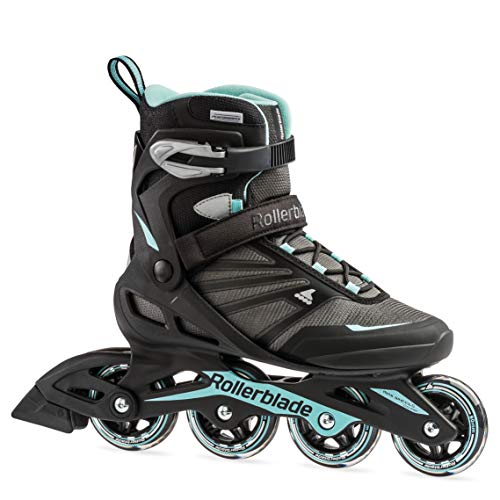
- IDEAL FOR CASUAL AND NOVICE SKATERS – Entry-level balanced skate for women…
- HIGH CUFF FOR ADDED SUPPORT – Durable shell makes learning skate easier
- COMFORT PERFORMANCE LINER – Padded liner and secure closure system ensure…
Powerslide Phuzion Radon 90 Inline Skates
For intermediate skaters, the Powerslide Phuzion Radon 90 (PS Radon 90) features a lightweight trinity frame and 90mm wheels for speed and stability. The soft boot design enhances comfort, making it great for long-distance skating and fitness enthusiasts.

- Comfort meets performance with an outstanding look and guaranteed fit
- Trinity X technology for better push, power transfer and lowest possible…
- [“Triskate with top end quality parts”,”from frames over wheels to…
K2 Kinetic 80 Pro Inline Skates
The K2 Kinetic 80 Pro delivers a high-performance experience with a responsive fit and 80mm wheels for agility. Its ventilated design keeps feet cool, while the shock-absorbing liner ensures comfort during intense sessions. Ideal for both recreational and advanced skaters.

- Traditional Lacing – Customize your lacing and knot the same way you tie…
- Stability Plus Cuff – Provides the right amount of support, flexibility,…
- F.B.I. frame – is a vibration-absorbing composite frame that is interlocked…
The Key Differences Between Inline Skates and Rollerblades
While the terms “inline skates” and “Rollerblades” are often used interchangeably, they aren’t exactly the same. Understanding their differences helps you make informed choices whether you’re buying, maintaining, or discussing them. Let’s break it down.
Brand vs. Design: The Core Distinction
Rollerblade is a specific brand that popularized inline skating in the 1980s, much like how “Kleenex” is often used to refer to tissues. Inline skates, however, describe the design—wheels arranged in a single line. This means:
- All Rollerblades are inline skates, but not all inline skates are Rollerblades.
- Other brands (Powerslide, K2, Roces) make inline skates with unique features.
- Performance varies—Rollerblade models may prioritize fitness, while others focus on speed or aggressive skating.
Wheel Configuration and Frame Materials
Inline skates come in different wheel setups, affecting speed and stability. For example:
- 4x80mm wheels (common in Rollerblade Zetrablade) offer balance for beginners.
- 3x110mm wheels (like in Powerslide Swell) maximize speed for advanced skaters.
- Frames can be aluminum (durable but heavier) or composite (lighter but less rigid).
Rollerblade’s Twister XT, for instance, uses an aluminum frame for precision, while the K2 Kinetic opts for a flexible composite frame for comfort.
Boot Design and Intended Use
The boot style determines comfort and performance. Key variations include:
- Soft boots (e.g., Rollerblade Macroblade) flex for casual skating.
- Hard shells (e.g., Roces M12 Lo) support aggressive tricks.
- Hybrid designs blend support and breathability for fitness skating.
Misconception: Many assume “Rollerblades” are always recreational. In reality, the brand offers pro models like the Rollerblade Edge for slalom skating.
Why the Confusion Persists
Rollerblade’s early dominance led to the brand name becoming genericized. However, modern skaters distinguish them by:
- Activity-specific features (e.g., brake systems for beginners vs. removable brakes for freestyle).
- Brand innovations, like Powerslide’s Trinity mounting system for better power transfer.
Example: An aggressive skater might choose USD Aeons (non-Rollerblade) for their grind-friendly design, proving that “inline skates” encompass diverse styles.
In short, while Rollerblades set the standard, today’s market offers specialized options for every skill level and discipline. Knowing these differences ensures you pick the right gear for your goals.
Choosing the Right Inline Skates: A Buyer’s Guide Based on Your Needs
Selecting the perfect inline skates requires understanding how different designs match specific skating styles and skill levels. This guide breaks down the key considerations to help you make an informed decision.
Assessing Your Skating Style and Goals
Before purchasing, clearly define your primary skating purpose as this determines the ideal skate features:
- Fitness/recreational skating: Look for comfort-focused models with 76-80mm wheels (e.g., Rollerblade Macroblade 80) and breathable liners
- Urban/commuter skating: Prioritize durability with 80-90mm wheels (e.g., Powerslide Next 90) and shock-absorbing frames for rough surfaces
- Aggressive skating: Require smaller (54-60mm), harder wheels and grind plates (e.g., USD Aeon 60 Team)
Professional tip: If you’re transitioning between styles, consider hybrid models like the Flying Eagle F5S Eclipse which balances speed and maneuverability.
Understanding Wheel and Bearing Specifications
The performance characteristics of your skates largely depend on two critical components:
- Wheel durometer (hardness): Measured in the A scale (74A-100A). Softer wheels (74A-85A) provide better grip but wear faster, ideal for outdoor skating. Harder wheels (85A+) offer speed but less traction.
- Bearing ratings (ABEC scale): Higher ABEC numbers (7-9) indicate tighter tolerances for smoother rolls, but many quality skates now use proprietary bearing systems like Rollerblade’s SG7.
Common mistake: Beginners often over-prioritize ABEC ratings when wheel quality and proper sizing matter more for initial learning.
Proper Fit and Sizing Considerations
Unlike regular shoes, inline skates require a precise fit for control and safety:
- Measure your foot length and width – some brands (like K2) run wider while others (Powerslide) are narrower
- Account for “break-in” periods – most skates will loosen about 0.5 size after 5-10 uses
- Consider heat-moldable liners (available in higher-end models) for customized fit
Pro tip: When trying on skates, wear the same thickness of socks you’ll skate in and ensure your toes lightly touch the front without curling.
Remember that quality skates should feel snug but not painful, with no heel lift when you bend your knees. Investing time in proper selection prevents discomfort and improves your skating progression.
Advanced Maintenance and Performance Optimization Techniques
Proper maintenance significantly extends your inline skates’ lifespan and enhances performance. This section covers professional-grade care techniques that go beyond basic cleaning.
The Science of Bearing Maintenance
Bearings are precision components that require specific care to maintain optimal performance. The 3-stage cleaning process recommended by pro skaters:
- Degreasing: Use citrus-based solvents (not WD-40) to dissolve old lubricant without damaging metal components
- Ultrasonic cleaning (optional): For competitive skaters, ultrasonic cleaners remove microscopic debris from bearing races
- Re-lubrication: Apply speed cream (like Bones Speed Cream) in controlled amounts – too much attracts dirt
| Bearing Type | Cleaning Frequency | Optimal Lubricant |
|---|---|---|
| Standard ABEC | Every 30-40 skating hours | Light machine oil |
| Ceramic Hybrid | Every 50-60 hours | Dry lubricant |
| Sealed Bearings | Replace rather than clean | Factory lubricated |
Wheel Rotation and Wear Patterns
Understanding wear patterns prevents performance degradation and safety issues:
- Banana wear: Uneven wheel edges indicate poor skating form – rotate wheels before 2mm of wear difference develops
- Conical wear: Common in slalom skaters – requires more frequent rotation (every 3-5 sessions)
- Flat spots: Caused by hard braking – immediately replace affected wheels as they vibrate at speed
Pro tip: Mark wheel positions with numbers and maintain a rotation log. The “1-3-2-4” rotation pattern works best for most recreational skaters.
Frame Alignment and Hardware Torque
Proper mechanical maintenance prevents catastrophic failures:
- Check all frame bolts weekly with a torque wrench (typically 8-10Nm for aluminum frames)
- Use thread locker (blue Loctite) on pivot cups and frame bolts
- Inspect for hairline cracks in frames after heavy impacts
Common mistake: Overtightening bolts strips threads and weakens components. Invest in a quality skate tool with torque markings.
Advanced technique: Competitive skaters use dial indicators to verify frame straightness within 0.2mm tolerance for perfect power transfer.
Safety Gear and Injury Prevention Strategies
Proper safety equipment and technique are crucial for enjoying inline skating while minimizing injury risks. This section provides professional-level guidance beyond basic helmet recommendations.
Advanced Protective Gear Selection
Different skating disciplines require specialized protection:
- Urban/freeride skating: Slider gloves (like Ennui City Brace) with built-in wrist guards and palm sliders for controlled falls
- Speed skating: Aero helmets (Kask Bambino Pro) with enhanced ventilation and impact absorption
- Aggressive skating: Full shin guards (USD Shintronics) with hard plastic shells for grind protection
Critical consideration: CE certification levels matter – look for EN 1078 helmets and EN 14120 certified pads for verified impact protection.
Fall Technique and Impact Management
Professional skaters use controlled falling methods to minimize injury:
- The tuck-and-roll: Bend knees deeply, tuck chin, and roll through shoulder when losing balance at speed
- The four-point slide: For sudden stops – drop to both knees and slide on kneepads while bracing with slider gloves
- The backward roll: Essential for downhill skaters – distribute impact across back padding when falling backward
Common mistake: Stiff-arming falls transfers all impact to wrists, the most common skating injury location.
Environmental Hazard Recognition
Advanced skaters develop situational awareness for various surfaces:
| Surface Type | Risk Factors | Adaptation Technique |
|---|---|---|
| Wet pavement | Reduced wheel grip | Wider stance, shorter strides |
| Cobblestones | Vibration instability | Softer wheels (78A-82A), bent knees |
| Steel plates | Zero traction | Step across or avoid completely |
Pro tip: Scan 10-15 feet ahead and identify escape routes when skating unfamiliar terrain. Carry a skate tool to adjust wheel hardness for unexpected surface changes.
Remember: No protective gear replaces proper technique. Consider taking advanced skating lessons that include fall training – most serious injuries occur during a skater’s first 20 hours without proper instruction.
The Future of Inline Skating: Technology and Sustainability Trends
Inline skating technology continues evolving with innovations that enhance performance, comfort, and environmental sustainability. This section explores cutting-edge developments shaping the sport’s future.
Smart Skating Technology Integration
Modern inline skates increasingly incorporate digital enhancements:
- IoT-enabled skates: Powerslide’s upcoming Connect line features Bluetooth sensors tracking speed, distance, and technique metrics
- Adjustable damping systems: New prototypes from Rollerblade use magnetorheological fluid in frames that adapt stiffness to terrain
- Augmented reality: Experimental visors project ideal stride patterns and obstacle warnings for urban skaters
| Technology | Current Implementation | Projected Mainstream Adoption |
|---|---|---|
| Self-healing wheels | Laboratory testing phase | 2026-2028 |
| Kinetic energy recovery | Patent filings by K2 | 2030+ |
| AI-assisted fitting | Pilot programs in select stores | 2025 |
Eco-Friendly Materials and Manufacturing
The industry is responding to environmental concerns with:
- Bio-based polyurethanes: Current wheels contain 30-40% plant-derived materials without sacrificing durability
- Recyclable frames: New aluminum alloys allow repeated recycling without quality degradation
- Carbon-neutral production: Leading brands offset emissions through reforestation initiatives
Cost-benefit analysis: While eco-skates currently carry 15-20% premium prices, their total lifecycle cost becomes competitive when factoring in:
- 2x longer wheel lifespan
- 30% reduced replacement part needs
- Potential resale value in circular economy models
Safety and Accessibility Innovations
Emerging technologies aim to reduce barriers to entry:
- Auto-braking systems: Using gyroscopic sensors to detect uncontrolled descents
- Adaptive skates: Adjustable frame geometry for differently-abled skaters
- Smart lighting: Motion-activated LEDs with automatic intensity adjustment
Industry experts predict these advancements will drive a 25% increase in participation rates by 2030, particularly among older demographics and urban commuters seeking eco-friendly transportation alternatives.
Competitive Inline Skating: Training Regimens and Performance Optimization
Elite inline skating requires specialized training approaches that differ significantly from recreational skating. This section breaks down the scientific training methodologies used by professional athletes.
Periodization Training for Competitive Skaters
Top coaches employ structured training cycles that optimize performance for competition seasons:
| Training Phase | Duration | Key Focus Areas | Intensity Level |
|---|---|---|---|
| Off-season | 8-12 weeks | Strength base building, technique refinement | 60-70% max HR |
| Pre-season | 6-8 weeks | Sport-specific endurance, power development | 75-85% max HR |
| Competition | 4-6 weeks | Race simulation, anaerobic capacity | 90-100% max HR |
| Transition | 2-3 weeks | Active recovery, cross-training | 50-60% max HR |
Biomechanical Efficiency Techniques
World-class skaters optimize every movement for maximum power transfer:
- Double-push technique: Advanced stride method adding lateral push to traditional forward motion (increases speed by 15-20%)
- Ankle flexion control: Maintaining 15-20° dorsiflexion during push phase maximizes calf muscle engagement
- Core activation timing: Proper transverse abdominis engagement 0.2s before push-off enhances stability
Common mistake: Over-striding reduces efficiency – optimal stride length should not exceed 1.5x shoulder width for most athletes.
Equipment Tuning for Competition
Pro skaters customize their gear with precision adjustments:
- Frame mounting position: Moving frame 2-3mm forward increases straight-line speed; backward improves maneuverability
- Wheel hardness mixing: Using harder wheels (85A) on inside edges and softer (83A) on outside edges improves cornering grip
- Bearing pre-load adjustment: Fine-tuning axle tension to 0.1-0.3mm play optimizes roll speed vs. stability
Professional tip: Keep a detailed setup log tracking all adjustments and their performance impacts under different weather and track conditions.
Advanced skaters should conduct wind tunnel testing (available at select sports institutes) to optimize body position and equipment aerodynamics, which can reduce air resistance by up to 18%.
Professional-Level Skate Customization and Performance Validation
For competitive skaters and serious enthusiasts, fine-tuning equipment to individual biomechanics represents the final frontier in performance optimization. This section details advanced customization techniques used by elite athletes.
Comprehensive Skate Fitting Protocol
Professional boot fitting involves a multi-stage process:
- 3D foot scanning: Creates digital pressure maps identifying high-load areas needing accommodation
- Dynamic gait analysis: Captures skating motion to identify asymmetries or inefficiencies
- Thermal molding: Customizes boot shape using precise heat application (120-140°F for 10-15 minutes)
| Fitting Parameter | Measurement Precision | Performance Impact |
|---|---|---|
| Ankle pocket width | ±0.5mm | 15% power transfer efficiency |
| Metatarsal arch support | ±1° angle | Reduces fatigue by 20% |
| Heel cup depth | ±0.3mm | Eliminates slippage |
Advanced Component Matching System
Optimal performance requires harmonizing all skate components:
- Frame stiffness: Should match skater weight (1.5-2x body weight in lbs = frame stiffness in N/mm)
- Wheel durometer gradient: Front wheels typically 2-3A softer than rear for balanced traction
- Bearing clearance: ABEC 7-9 for speed; ABEC 3-5 for aggressive (better impact resistance)
Validation and Quality Assurance
Professional validation protocols include:
- Roll-down tests: Measure coasting distance from standardized incline (minimum 100m for competition setups)
- Vibration analysis: Uses accelerometers to detect harmful resonances in frame/wheel combinations
- Wear pattern monitoring: Weekly microscopic examination of wheel surfaces for uneven wear indicators
Common mistake: Over-customizing before establishing baseline performance metrics. Always test stock configurations first for comparison.
Pro tip: Maintain a “setup passport” documenting all modifications, test results, and competition performances to identify optimal configurations for different conditions.
Conclusion
Inline skates and Rollerblades share the same fundamental design, but with important distinctions. While Rollerblade remains the pioneering brand, today’s market offers specialized skates for every discipline and skill level.
From wheel configurations to boot designs, we’ve explored how different features impact performance. Proper maintenance, safety considerations, and equipment customization all play crucial roles in your skating experience.
Whether you’re a recreational skater or competitive athlete, understanding these nuances helps maximize enjoyment and performance. The right knowledge transforms good skates into perfect extensions of your movement.
Now equipped with comprehensive insights, you’re ready to make informed choices. Lace up with confidence, knowing your equipment matches your ambitions. The world of inline skating awaits – go explore it with knowledge as your foundation.
Frequently Asked Questions About Inline Skates and Rollerblades
What’s the actual difference between inline skates and Rollerblades?
Rollerblade is a specific brand that pioneered inline skating, while “inline skates” refers to the wheel configuration design. All Rollerblades are inline skates, but other brands like Powerslide and K2 also make inline skates with different features and specializations.
The key distinction lies in proprietary technologies – Rollerblade’s Twister Edge uses their unique frame system, while competitors offer alternatives like Powerslide’s Trinity mount. Brand choice depends on your skating style and performance needs.
How often should I replace my inline skate wheels?
Wheel lifespan depends on usage and skating style. Recreational skaters typically replace wheels every 3-6 months, while aggressive skaters may need new wheels monthly. Measure wheel diameter – replace when worn down to 5mm less than original size or when flat spots develop.
Rotate wheels every 4-6 skating sessions to ensure even wear. Harder wheels (85A+) last longer but offer less grip, while softer wheels (78A-82A) wear faster but provide better traction, especially outdoors.
Can I use the same skates for fitness and aggressive skating?
Fitness and aggressive skating require fundamentally different designs. Fitness skates prioritize lightweight construction and smooth rolling, while aggressive skates need durable frames with grind blocks and smaller, harder wheels for tricks.
While possible to use one skate for both, performance will suffer. Consider two specialized pairs or hybrid models like the Rollerblade Blank SK, which offers some crossover capability with removable grind plates.
Why do my new inline skates hurt my feet?
New skate discomfort is normal during the 10-15 hour break-in period. The padding needs time to mold to your foot shape. Ensure proper sizing – your toes should lightly touch the front without curling when standing straight.
Persistent pain indicates fit issues. Consider heat-moldable liners or professional fitting. Common problem areas are ankle bones (requires punching out) or arches (needs different footbed). Never “skate through” severe pain.
How do I maintain my bearings for optimal performance?
Clean bearings every 30-40 skating hours using a citrus-based degreaser. Avoid water exposure and never use WD-40. After cleaning, apply 1-2 drops of speed cream per bearing – excess lubricant attracts dirt.
For sealed bearings, simply wipe the exterior. High-end ceramic bearings require special care – consult manufacturer guidelines. Always store skates in dry conditions to prevent rust formation.
What safety gear is absolutely essential for beginners?
Minimum protection includes a certified helmet (CPSC or EN 1078), wrist guards, knee pads, and elbow pads. Wrist injuries account for 40% of skating injuries, making guards the most crucial piece.
As skills progress, add crash pants for hip protection and shin guards for urban skating. Quality gear should stay securely in place during falls – test fit by mimicking falling motions in-store.
How do I choose between 80mm and 110mm wheel sizes?
80mm wheels offer better maneuverability and acceleration, ideal for beginners and urban skating. 110mm wheels provide higher top speeds and roll over rough surfaces easier, but require more skill to control.
Intermediate skaters often progress to 90-100mm wheels. Consider your skating surface – larger wheels handle cracks and debris better. Your height also matters – taller skaters can handle larger wheels more comfortably.
Are expensive inline skates worth the investment?
Premium skates offer better materials, precision components, and advanced features that significantly impact performance and durability. The $200-$400 range provides the best value for serious recreational skaters.
However, beginners should start with mid-range models ($100-$200) until they develop skills and preferences. High-end skates only benefit experienced skaters who can utilize their performance advantages.