Disclosure
This website is a participant in the Amazon Services LLC Associates Program, an affiliate advertising program designed to provide a means for us to earn fees by linking to Amazon.com and affiliated sites.
Choosing between beginner and advanced figure skates is a critical first step for any skater. The right boot impacts your safety, progress, and enjoyment on the ice. This guide will help you make the perfect choice.
Selecting the wrong skate level can lead to discomfort, injury, or hindered skill development. Our expert advice solves this common problem by clarifying the key differences in support, blades, and construction.
The Hidden Cost of Choosing the Wrong Skate Level
Many new skaters unknowingly buy skates that are too advanced. This common mistake creates a frustrating and unsafe experience. Stiff, unforgiving boots prevent proper ankle flexion needed for basic skills.
Conversely, experienced skaters in beginner boots face the opposite problem. The soft support collapses under the pressure of jumps and spins. This instability significantly increases the risk of painful ankle injuries.
A Solid Starter Skate Solution
For true beginners, a supportive yet flexible boot is key. The Jackson Ultima Classic 200 is an excellent entry-level figure skate that balances these needs perfectly.
- Features a soft, synthetic leather upper for comfort and basic support.
- Includes the reliable Mark I blade, ideal for learning edges and turns.
- Offers a heat-moldable option for a better personalized fit.

- Womens ice skates built for recreational ice skating and figure skating…
- Reinforced coated vinyl upper with soft rolled collar and padded lining…
- Padded felt tongue for girls ice skates and womens ice skates provides…
Check current price on Amazon →
This model provides the foundational support new skaters need without the restrictive stiffness of advanced boots. For more options, see our detailed guide on the best figure skates for beginners.
When a Quick Fix Isn’t the Answer
If you’re attempting single jumps or consistent spinning, a beginner skate won’t suffice. You need the structured support of an intermediate or advanced boot to progress safely.
Upgrading your blades is also crucial at this stage. For skaters ready for more precision, explore our review of Jackson’s Classic 200 & 500 series or our guide to the best skates with stainless steel blades for enhanced durability and performance.
Key Differences Between Beginner and Advanced Skates
Understanding the core design differences is essential for choosing correctly. These variations impact support, flexibility, and overall performance on the ice. Let’s break down the three most critical components.
Boot Construction and Ankle Support
The boot’s stiffness is the most noticeable difference between skate levels. This is measured by a stiffness rating, which increases with the skate’s intended skill level.
- Beginner Skates: Feature soft to medium-flexible synthetic materials. This allows for natural ankle bend, which is crucial for learning proper knee bends and basic edges without discomfort.
- Advanced Skates: Use stiff, reinforced leather and complex lacing systems. This high level of support is non-negotiable for landing jumps, as it prevents the ankle from rolling inwards upon impact.
Choosing a boot too stiff for your skill will immobilize your ankle and hinder progress.
Blade Technology and Rocker Profile
Blades are not all created equal. The quality of steel and the profile of the blade directly affect your ability to execute skills.
| Feature | Beginner Skate Blades | Advanced Skate Blades |
|---|---|---|
| Steel Quality | Carbon steel; requires frequent sharpening. | Stainless steel; holds an edge longer and provides better glide. |
| Rocker Profile | Flatter rocker for more stability and easier gliding. | Pronounced rocker for tighter spins and quicker turns. |
| Toe Picks | Smaller, less aggressive picks for basic maneuvers. | Larger, specialized picks for advanced jumps like toe loops and flips. |
Price and Longevity Considerations
Your budget should reflect your commitment and skill trajectory. Skates are an investment in your safety and progression.
- Beginner skates are cost-effective ($50-$150), perfect for determining if you enjoy the sport. They may last 1-2 seasons with casual use.
- Advanced skates are a significant investment ($200-$1000+) but are built to withstand intense training. With proper care, they can last for several competitive seasons.
Key Takeaway: Never buy a skate based solely on price. A poorly fitted advanced skate is a worse investment than a well-fitted beginner model.
How to Assess Your True Skill Level for Skates
It’s easy to overestimate or underestimate your skating ability. An honest self-assessment is the most important step in choosing the right skate. Use these clear benchmarks to find your category.
Signs You Are a True Beginner
Beginner skates are designed for foundational skill development. You likely need this level if your on-ice experience is limited to basic movements.
- You are still mastering balance: You skate cautiously, hold the boards frequently, and focus on not falling.
- Your skills are fundamental: You are working on forward stroking, basic gliding, snowplow stops, and two-foot turns.
- You skate infrequently: You visit the rink for recreational fun less than once a week.
If this describes you, a stiff boot will feel like a cast and actively slow your learning.
Indicators You Need Intermediate or Advanced Skates
Moving beyond beginner skates becomes necessary when you start generating significant force and edge pressure. Your current skates will feel unstable and unsupportive.
You should consider an intermediate-level skate if you consistently perform the following:
- Confident forward and backward crossovers.
- One-foot spins on a flat foot.
- Basic waltz jumps and half-flips.
You definitely need an advanced skate if you are practicing single Axel or higher jumps, flying spins, or deep-edge footwork. The support is non-negotiable for safety.
The Critical Role of Professional Fitting
Even with perfect self-assessment, a professional fitting is invaluable. A certified fitter at a specialty skate shop provides objective analysis.
- They measure for width and volume: Brand sizing varies dramatically (e.g., Jackson vs. Riedell).
- They assess your foot’s pronation: This determines if you need additional support or orthotic insoles.
- They observe your ankle bend: They can tell if a boot is too stiff or too soft for your specific physiology and skills.
Key Takeaway: Your skill level dictates the boot’s stiffness, but a professional ensures the boot’s shape matches your unique foot. Never buy skates online without knowing your exact size and width in a specific brand.
Making the Final Decision: A Step-by-Step Guide
You understand the differences and have assessed your skill. Now, it’s time to make your final choice. Follow this actionable guide to select the perfect skate level with confidence.
Step 1: Align Your Goals with Skate Features
Be honest about your commitment and aspirations. Your goals directly determine the necessary skate features and budget.
- Goal: Recreational Fun (1-2 times/month): A quality beginner skate is ideal. Focus on comfort and warmth. Explore our guide on the best comfortable ice skates for options.
- Goal: Learning Fundamentals in Lessons: A durable beginner or soft intermediate skate is best. It should allow for proper knee bend without breaking down quickly.
- Goal: Competitive Training or Testing: You need an advanced skate that matches your specific discipline (freestyle, figures, dance). Consult your coach for brand recommendations.
Step 2: Test for the Right Fit and Flex
If possible, try skates on at a specialist shop. Perform these simple tests to assess fit and appropriate flex.
- Stand in a flat stance: Your toes should gently brush the toe cap without curling. Your heel must be locked in place with zero lift.
- Perform a basic knee bend (dip): Your heel should stay down and your ankle should flex forward comfortably. You should not feel excessive pressure on your shin.
- Check for “breaking down” points: Press on the sides of the boot’s ankle area. If it collapses inward easily with moderate pressure, it may be too soft for jumps.
Step 3: Plan for the Break-In and Break-Down Cycle
All skates require a break-in period, but they also eventually break down. Understanding this lifecycle helps you time your next purchase.
| Skate Level | Break-In Time | Typical Lifespan | Break-Down Signs |
|---|---|---|---|
| Beginner | Minimal (1-3 skates) | 1-2 recreational seasons | Ankle area feels mushy and offers no resistance. |
| Advanced | Significant (8-20 hours) | 1-3 competitive seasons | Boot creases deeply over the ankle; you feel less support on landings. |
Key Takeaway: Your perfect skate aligns with your current skills, immediate goals, and proper fit. Prioritize fit and appropriate support over brand names or aesthetics for safety and performance.
Common Mistakes and How to Avoid Them
Even with good information, skaters often make predictable errors when choosing skate levels. Recognizing these pitfalls can save you money, prevent injury, and accelerate your progress. Let’s address the most frequent mistakes.
Mistake 1: Buying for Growth or “Just in Case”
Parents often buy skates a size too big for a child to grow into. Adults may choose a stiffer boot thinking they’ll “grow into the skill.” This strategy backfires every time.
- Problem: A skate that is too large or too stiff prevents proper control. The foot slides, blisters form, and ankle support is compromised, increasing fall risk.
- Solution: Always buy for a snug, performance fit today. Skates should feel like a firm handshake for your foot, not a loose slipper. Plan for replacement as part of the sport’s cost.
Mistake 2: Prioritizing Brand Over Function
Choosing a skate because a favorite Olympian wears the brand is a common error. Each major brand has a unique foot shape last and stiffness profile.
| Brand (Generalization) | Typical Foot Shape Fit | Common Strength |
|---|---|---|
| Jackson | Wider forefoot, narrower heel | Excellent for beginners to intermediates |
| Riedell | Narrower, more tapered fit | Precise fit for narrower feet |
| Edea | Unique, roomier toe box design | Lightweight with upright posture |
The best brand is the one that matches your foot’s shape, not its reputation.
Mistake 3: Ignoring Blade Maintenance and Setup
Focusing solely on the boot and neglecting the blades is a critical oversight. Dull or improperly mounted blades make even the best boots ineffective.
- Get a professional mount: Have a pro shop technician mount new blades. Even a few millimeters off can ruin your balance.
- Sharpen regularly: Beginner blades may need sharpening every 15-20 hours. Advanced skaters may sharpen weekly. Feel for slipping on edges as your cue.
- Protect off-ice: Always use hard skate guards for walking and soft soakers when storing to prevent rust.
Key Takeaway: Avoid these three errors—buying for future size, choosing the wrong brand for your foot, and neglecting blades—to ensure your investment delivers the performance and safety you expect.
Transitioning from Beginner to Advanced Skates
Knowing when and how to upgrade is a pivotal moment in a skater’s journey. Moving up too soon or too late can disrupt progress. Recognize the clear signals and follow a smart transition strategy.
Clear Signs It’s Time for an Upgrade
Your skates will tell you when they can no longer support your skills. Pay attention to these physical and performance-based warnings.
- The Boot Breaks Down: You see deep, permanent creases just above the ankle. The sides feel soft and offer no resistance when you squeeze them.
- You Feel Unsafe on Landings: Your ankle wobbles inward (pronates) upon landing jumps, even when you feel the jump was correct.
- Your Skills Have Plateaued: You cannot achieve deeper edges or faster spins because the boot’s lack of support limits your power.
If you experience these signs, your skates are holding you back.
How to Select Your First Advanced Skate
Upgrading isn’t just about buying the stiffest boot available. It’s a strategic step that requires careful consideration of your specific needs.
- Consult Your Coach: They understand your technique, strengths, and weaknesses. They can recommend a brand and stiffness rating suited to your body and discipline.
- Get Re-Fitted: Your foot size and shape may have changed. Visit a professional fitter to get updated measurements and try on multiple brands.
- Consider Separate Boots & Blades: At the advanced level, you often buy the boot and blade separately. This allows you to choose a blade rocker profile that matches your skating style.
Managing the Break-In Period for Stiffer Boots
Advanced skates require a dedicated break-in process. Rushing this can lead to pain and a negative experience.
| Phase | Activity | Duration/Goal |
|---|---|---|
| Initial Wear | Wear at home with guards, flexing ankles. | 1-2 hours total, to soften interior. |
| On-Ice Adaptation | Light skating, edges, basic footwork. | 3-5 sessions, avoiding jumps. |
| Full Integration | Gradually reintroduce spins and small jumps. | 8-20 hours until boots feel molded. |
Key Takeaway: Upgrade based on clear physical signs from your current skates, not just a desire for new gear. A successful transition involves professional guidance, a proper fitting, and patience during the essential break-in period.
Special Considerations: Youth, Recreational, and Adaptive Skating
Not every skater fits the standard beginner-to-advanced progression. Unique situations require tailored solutions to ensure safety and enjoyment. Here’s what to know for special cases.
Choosing Skates for Growing Children
For kids in lessons, balancing fit, cost, and growth is a major challenge. The goal is to provide proper support without breaking the bank every few months.
- Adjustable Skates: These can be lengthened, often by 1-3 sizes. They are a fantastic, cost-effective solution for young, rapidly growing beginners. Explore options in our guide to the best adjustable youth ice skates.
- Rental vs. Owned: For trying the sport, rentals are fine. For consistent weekly lessons, purchased skates offer consistent fit and better support, accelerating learning.
- Fit is Paramount: Never buy multiple sizes up. A poorly fitted skate teaches bad habits and increases fall risk. Plan to replace skates every 1-2 seasons.
Best Skates for Casual and Recreational Adults
Many adults skate purely for fitness and fun, with no desire to jump. Your needs focus on comfort, warmth, and easy maintenance.
You do not need a stiff figure skate. Instead, look for:
- Comfort-Focused Boots: Padded liners, thermal insulation, and flexible ankles for pleasant gliding.
- Recreational Blades: Often permanently attached, with a flatter rocker for stability.
- Easy Lacing Systems: Convenient hooks or speed laces for quick on-and-off.
Your priority is enjoyment, not technical progression. Choose skates that make your time on ice a pleasure.
Solutions for Wider Feet or Specific Needs
Standard skate fits don’t work for everyone. Many brands offer specific width options or adaptive models.
| Need | Potential Solution | Brand Example |
|---|---|---|
| Wide Feet | Look for brands offering “Wide” or “Volume” fits. | Jackson (Fit: Wide), Riedell (Custom width codes). |
| High Instep/Volume | Boots with a deeper toe box and adjustable lacing. | Certain Edea models, custom orders. |
| Ankle Support Needs | Stiffer boots or external ankle braces (fitted by a professional). | Consult a skate shop and physical therapist. |
Key Takeaway: Special cases demand specific solutions. For kids, consider adjustability. For recreational adults, prioritize comfort. For unique foot shapes, seek out brands offering varied widths and consult a professional fitter for the best outcome.
Best Figure Skates by Skill Level – Detailed Comparison
Based on construction, support, and value, these three models stand out for their respective skill categories. Each offers a proven balance of features for its intended use.
Jackson Ultima Classic 200 – Best Beginner Skate
Ideal for first-time skaters and basic lessons. Its soft synthetic leather upper provides comfort and flexible support for learning knee bends. The included Mark I blade offers a stable, forgiving profile for mastering edges and glides.
- Womens ice skates built for recreational ice skating and figure skating…
- Reinforced coated vinyl upper with soft rolled collar and padded lining…
- Padded felt tongue for girls ice skates and womens ice skates provides…
Riedell 23 Stride – Best Intermediate Skate
The perfect upgrade for skaters mastering single jumps. It features a moderately stiff reinforced leather boot and the reliable Mirage blade. This combination delivers the precise support and edge control needed for consistent spins and secure landings.
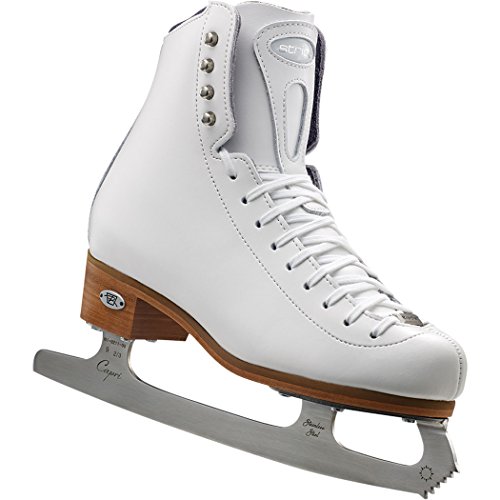
- Open Throat Design
- Flex Notch
- Hand Rolled Collar
Edea Piano – Best Advanced/Competition Skate
Designed for elite skaters performing double and triple jumps. Its ultra-stiff, lightweight composite shell provides maximum energy transfer and ankle support. Paired with a high-level blade like the Pattern 99, it offers unparalleled performance for competitive training.
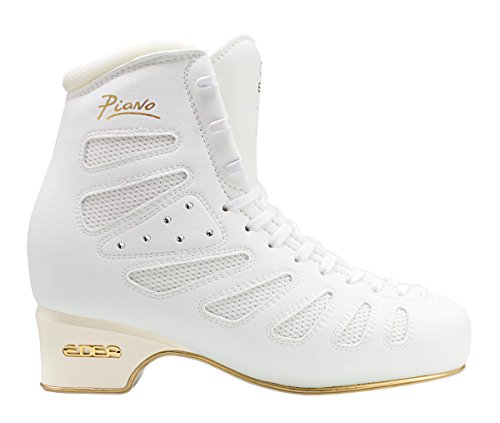
- Extra Strong Construction 95
- Type of Skating: Ice and Inline Roller Skating.
- Training Level: Double, Triple, and Quad Jumps.
Conclusion: Choosing the Right Figure Skate Level with Confidence
Selecting between beginner and advanced figure skates is a foundational decision. The correct choice directly impacts your safety, progress, and enjoyment on the ice. Understanding boot stiffness, blade technology, and your true skill level is essential.
The key takeaway is simple: match the skate’s support to your current ability. Never buy for a future skill level or based on brand name alone. A proper professional fitting is your best investment.
Use the steps in this guide to assess your needs and make an informed choice. Visit a reputable skate shop to try on models and feel the difference firsthand.
With the right skates on your feet, you’re ready to build skills safely and reach your personal skating goals.
Frequently Asked Questions About Figure Skate Levels
What is the main difference between beginner and advanced figure skates?
The core difference is boot stiffness and blade quality. Beginner skates have flexible boots for learning knee bends and basic edges. Their blades use softer carbon steel with a flatter rocker for stability.
Advanced skates feature extremely stiff boots to withstand jump landings. They include high-grade stainless steel blades with a pronounced rocker for tight spins and precise footwork.
How do I know if my skates are too advanced for me?
Your skates are likely too stiff if you experience persistent shin pain or cannot achieve a proper knee bend. You may also feel like the boot is fighting your movements rather than supporting them.
This stiffness prevents the ankle flexion needed to master fundamental skills. It forces incorrect technique and can significantly slow your progress as a new skater.
Can I put advanced blades on a beginner boot?
Technically yes, but it is not recommended and is a poor investment. A beginner boot lacks the structural integrity to properly support a high-level blade’s performance characteristics.
The boot will break down quickly under the forces generated by the advanced blade. It creates an unbalanced setup where the blade’s capability far exceeds the boot’s support.
What is the best way to break in new advanced figure skates?
Break in advanced skates gradually over 8-20 hours of ice time. Start by wearing them at home with skate guards to soften the interior padding. Then, perform light skating without jumps for several sessions.
Never try to break them in with intense jumping on the first day. Gradually introduce more pressure and impact as the boot begins to mold to your foot and ankle shape.
How often should a beginner replace their first pair of skates?
A recreational beginner may use their first skates for 1-2 seasons. If you take weekly lessons and progress quickly, you might need new skates within 6-12 months as the soft support breaks down.
Replace them when the ankle area becomes mushy and offers no resistance, or when your skills (like beginning jumps) demand more support than the boot can provide.
Are expensive figure skates always better for beginners?
No, expensive skates are not better for beginners. A high-end, stiff boot will actively hinder a beginner’s learning process by restricting necessary ankle movement. It can cause pain and teach bad habits.
For beginners, “better” means a proper fit, appropriate flexibility, and good comfort. A mid-range beginner skate from a reputable brand is the optimal choice.
What should I do if my child is between skate sizes?
Always choose the smaller, snugger size for performance and safety. A skate that is too large will cause blisters and prevent proper control. Consider adjustable skates that can extend one or two sizes.
Alternatively, use thicker socks with the smaller size temporarily, but plan for a new pair soon. Proper fit is more critical than maximizing the time between purchases.
Is it worth heat-molding beginner figure skates?
Yes, if the skate offers a heat-moldable option, it is absolutely worth doing. Heat molding accelerates the break-in process and customizes the fit around your foot’s unique contours.
This provides better comfort and can alleviate pressure points. Have it done by a professional at a skate shop to ensure it is performed correctly and safely.
Can I Use Hockey Skates for Figure Skating?
No, you cannot use hockey skates for proper figure skating training. The disciplines require fundamentally different equipment designed for specific movements.
- Blade Difference: Hockey blades are curved (rocker) from toe to heel for quick turns. Figure blades are flat in the middle with pronounced toe picks at the front for jumping and spinning.
- Boot Difference: Hockey boots are designed for a forward-flexed, athletic stance. Figure boots provide upright support with stiff ankle construction for landing impact.
Using the wrong skate type will make learning figure skating techniques nearly impossible and unsafe.
How Often Should I Sharpen My Skates?
Sharpening frequency depends entirely on how often you skate, the blade steel, and the ice conditions. There is no universal timeline.
- Listen to the Ice: The primary sign is loss of grip. If your edges slip out during turns or pushes, it’s time for a sharpening.
- General Guideline: Recreational skaters may need sharpening every 15-20 hours. Serious skaters might sharpen every 5-10 hours of ice time.
- Visual Check: Look for nicks or burrs along the edges. A professional can assess the hollow (the groove) during a sharpening.
Is It Bad to Start in Advanced Skates?
Yes, starting in advanced skates is detrimental and potentially dangerous. It is one of the most common and costly mistakes.
| Consequence | Reason |
|---|---|
| Hinders Skill Development | Stiff boots prevent the ankle flexion needed to learn proper knee bends and deep edges, creating a robotic, incorrect technique. |
| Causes Pain and Injury | Without the strength to flex the boot, pressure transfers to the shin (shin bang) and can strain tendons. |
| Wastes Money | You’ll wear out the expensive boot’s interior through painful break-in before you have the skills to use its performance features. |