Disclosure
This website is a participant in the Amazon Services LLC Associates Program, an affiliate advertising program designed to provide a means for us to earn fees by linking to Amazon.com and affiliated sites.
Yes, most beginner and recreational figure skates are sold with blades pre-mounted. This is the standard for entry-level and intermediate boots, offering a ready-to-skate solution. However, the answer changes dramatically for advanced and professional skaters.
Understanding this distinction is crucial for performance, safety, and your budget. Choosing the wrong setup can hinder your progress and lead to discomfort or injury on the ice.
The Core Problem: One Size Does Not Fit All
Many new skaters assume all skates are the same. They purchase a pre-mounted pair only to find the performance limiting. The blade may be too dull, the boot too soft, or the fit not precise enough for their growing skills.
This mismatch creates a frustrating plateau. You might struggle with spins, feel unstable on edges, or experience foot pain. The problem isn’t you—it’s using beginner equipment for intermediate or advanced techniques.
Quick Fix: Start With The Right Pre-Mounted Skate
For beginners and casual skaters, a quality pre-mounted skate is perfect. It offers excellent value and immediate usability. The key is choosing a model designed for your specific skill level and foot shape.
We recommend starting your search with our curated guide to the best figure skates for beginners. It highlights models with solid support and reliable factory-mounted blades.
A great example is the Jackson Ultima Softec Vista. This popular Amazon option is ideal for recreational skating.
Jackson Ultima Softec Vista Figure Skate
- Pre-mounted Mirage blade for good edge control.
- Thermo-moldable boot for a better custom fit.
- Excellent ankle support for beginners.

- Bundle with Guardog Skate Guards
- Design offers lightweight and modern look with Softec comfort and support;…
- Durable, moisture resistant nylon uppe
Check current price on Amazon →
When A New Skate Alone Isn’t Enough
If you’re advancing beyond basic strokes and crossovers, your needs change. A pre-mounted recreational skate often lacks the stiffer boot and higher-grade blade required for jumps and complex footwork.
At this stage, you need a solution-focused approach:
- Upgrade Your Blades: Consider skates sold with premium stainless steel blades pre-attached for better durability and spin.
- Prioritize Advanced Boots: Explore separate boot and blade systems. This allows for a perfect match, like those reviewed in our Lake Placid Cascade deep dive.
- Ensure Supreme Comfort: Performance depends on fit. For long sessions, our list of the most comfortable ice skates is essential reading.
Pre-Mounted vs. Custom Skate Setups
Navigating the skate market requires knowing two main categories. Pre-mounted skates have blades factory-attached. Custom setups involve buying boots and blades separately for professional mounting.
Your choice impacts performance, cost, and longevity. This section breaks down each option to clarify the best path for your skating journey.
What Are Pre-Mounted Figure Skates?
These are complete, ready-to-wear packages. The manufacturer permanently attaches a specific blade model to a matched boot. This is the most common purchase for new and recreational skaters.
The primary advantages are convenience and cost-effectiveness. You get a balanced, functional system without technical decisions.
- Best For: Beginners, casual skaters, and children.
- Pros: Lower upfront cost, immediate use, and guaranteed compatibility.
- Cons: Limited customization, often mid-grade blades, and less precise fit options.
When to Consider Separate Boots and Blades
This approach is the standard for serious skaters. You select a boot for its fit and support level, then pair it with a blade for its specific rocker and toe pick design.
A professional skate technician then mounts the blades. They align them perfectly to your weight distribution and skating style.
| Factor | Pre-Mounted Skates | Custom Mounted Skates |
|---|---|---|
| Skill Level | Beginner to Intermediate | Intermediate to Advanced/Elite |
| Customization | Minimal | Maximum (Fit, Pitch, Alignment) |
| Typical Cost | $50 – $300 | $300+ (Boots + Blades + Mounting) |
| Performance Focus | Recreation & Basic Skills | Jumps, Spins, & Competitive Edge |
How to Identify a Quality Pre-Mounted Skate
Not all pre-mounted skates are equal. Look for reputable brands known for proper support. Key features indicate a better, longer-lasting product.
Avoid flimsy “costume” skates from toy stores. Invest in a model designed for actual athletic performance.
- Stiffness Rating: Boot should have moderate ankle support, not collapse sideways.
- Blade Material: Stainless steel is ideal; carbon steel rusts quickly and holds edges poorly.
- Secure Mounting: Check that blades are firmly attached with no visible wiggle or gaps.
How to Choose the Right Skate Setup for Your Level
Selecting skates is not one-size-fits-all. Your skill level directly dictates the ideal boot and blade configuration. Making the correct choice prevents injury and accelerates progress.
This decision matrix helps you match your current abilities with the proper equipment. Follow this guide to invest wisely in your skating future.
Best Skates for Beginners and First-Time Buyers
New skaters need stability, comfort, and value. A well-made pre-mounted skate is absolutely the right choice here. Focus on foundational support over high-performance features.
Your primary goal is learning basic edges and building confidence. The equipment should be forgiving and easy to maintain.
- Look For: Reinforced ankle support, a slight heel, and a blade with a gentle rocker.
- Avoid: Excessively stiff boots or advanced blades with large toe picks that can trip you.
- Budget Range: $80 – $150 typically gets a durable, quality beginner skate.
Intermediate Skater Upgrade Considerations
This is the most common crossroads. You’ve mastered basics and are attempting single jumps and spins. Your recreational skates may now feel limiting or unsupportive.
It’s time to evaluate a performance-oriented pre-mounted set or an entry-level separate boot/blade combo. This depends on commitment and frequency.
- Assess Boot Breakdown: Does your ankle wobble in the boot during pushes or landings?
- Evaluate Blade Limitations: Are your spins slow or edges slipping despite sharpening?
- Consult a Coach or Fitter: Get an expert opinion on your next technical step.
Advanced & Competitive Skater Requirements
At this level, separate boots and blades are non-negotiable. You need equipment tailored to your discipline, foot morphology, and jumping height.
Custom mounting allows for precise blade alignment and pitch adjustment. This fine-tuning maximizes power transfer and control.
- Boot Focus: Maximum stiffness for jump landing support, with custom heat molding.
- Blade Focus: Specific rocker radius for spin speed and toe pick geometry for take-offs.
- Process: Expect multiple fitting sessions and a break-in period for high-level boots.
Maintenance and Longevity of Your Skate Blades
Proper care extends the life of your blades, whether pre-mounted or custom. Maintenance routines differ slightly based on the blade type and mounting. Neglect leads to rust, poor performance, and costly replacements.
This section covers essential care tips for all skaters. Implementing these practices protects your investment and ensures consistent ice feel.
Caring for Factory-Attached Blades
Pre-mounted skates often use carbon steel blades, which are more prone to rust. Immediate post-skating care is critical to prevent corrosion and edge degradation.
Establish a simple, consistent routine. It only takes a few minutes but makes a huge difference in blade life.
- Dry Thoroughly: Wipe blades completely with a soft, absorbent cloth after every use.
- Use Blade Guards: Only use hard soakers (soft cloth covers) for storage, not walk-around guards which trap moisture.
- Store Properly: Keep skates in a breathable bag, not a sealed plastic container.
When to Sharpen Pre-Mounted vs. High-End Blades
Sharpening frequency depends on use and steel quality. A dull blade feels slippery and destroys control. Learning to recognize the need for a sharpening is a key skill.
| Blade Type | Sharpening Frequency | Key Consideration |
|---|---|---|
| Pre-Mounted (Carbon Steel) | Every 15-20 hours of ice time | Softer steel wears faster; don’t wait for complete dullness. |
| Separate (Stainless Steel) | Every 20-30 hours of ice time | Harder steel holds an edge longer; over-sharpening wastes blade life. |
Signs You Need New Blades or a Re-Mount
Blades are not immortal. Even with perfect care, they eventually wear out. Recognizing the signs prevents skating on unsafe equipment.
Consult a qualified skate technician if you notice any of the following issues. They can assess if a sharpening, replacement, or re-mount is needed.
- Visible Grooves Worn Flat: The hollow (groove) between the two edges becomes shallow or disappears.
- Persistent Rust Pits: Deep rust pits that cannot be polished out compromise structural integrity.
- Loose Mounting: Blades wiggle or make clicking sounds, indicating screws are stripped or holes are enlarged.
Cost Analysis: Pre-Mounted vs. Separate Boots and Blades
Budget is a major factor in any skate purchase. Understanding the true cost of each option prevents sticker shock. The initial price is just one part of the total investment.
This breakdown compares upfront and long-term expenses. It helps you make a financially smart decision for your skating goals.
Breaking Down the Initial Investment
The price gap between the two setups is significant. It reflects differences in materials, craftsmanship, and customization potential.
- Pre-Mounted Skates: $50 – $300. You pay for one integrated product. This is a single, all-inclusive purchase.
- Separate Boots & Blades: $300 – $1,000+. This includes boot cost ($200-$700), blade cost ($100-$300), and professional mounting ($30-$80).
For a first-time or casual skater, the pre-mounted route offers undeniable value. You get a functional system without a major financial commitment.
Long-Term Value and Replacement Cycles
Consider how long the equipment will last as your skills grow. A cheap skate may need full replacement in a season, while a modular system allows partial upgrades.
This is where the cost-per-use calculation becomes important. Durable, well-fitted equipment provides better value over time.
- Pre-Mounted Path: You outgrow the entire skate (boot and blade) simultaneously. Full replacement is required for advancement.
- Custom Setup Path: Boots and blades wear at different rates. You can replace a worn blade while keeping a broken-in boot, or vice versa.
Hidden Costs to Consider
Beyond the sticker price, factor in necessary accessories and services. These ongoing costs apply to both setup types but can vary.
Budgeting for maintenance ensures your skates perform safely and last longer.
- Sharpening: $10-$20 per session, required regularly.
- Professional Fitting: Crucial for separate setups; may be included at specialty shops.
- Accessories: Quality soakers, hard guards, and skate bags protect your investment.
- Potential Re-Mounting: If blades are swapped or boots changed, re-mounting fees apply.
Expert Tips for Your First Skate Purchase or Upgrade
Buying skates can feel overwhelming with so many options. These actionable tips from fitters and coaches will guide your decision. They help you avoid common pitfalls and ensure a successful purchase.
Whether buying online or in-store, this advice is invaluable. It applies to both pre-mounted skates and custom setups.
Essential Questions to Ask Before You Buy
Arm yourself with these questions before shopping. They will clarify your needs and help sales staff give better recommendations.
- “What is my current skill level?” Be honest—are you a first-timer, or can you land basic jumps?
- “How often will I skate?” Occasional rink visits have different needs than daily training.
- “What is my true budget, including accessories?” Account for sharpening, guards, and potential fitting fees.
- “Can I try these on with the socks I’ll skate in?” Sock thickness dramatically affects fit.
The Critical Importance of Professional Fitting
Never guess your skate size based on street shoes. Skate sizing is unique, and brands vary widely. A professional fitting is the single best investment you can make.
A good fitter measures both length and width. They assess your arch, ankle bone, and heel for potential pressure points.
Trying On and Testing Pre-Mounted Skates
If you choose a pre-mounted model, a proper in-store test is crucial. Don’t just stand in them; simulate skating movements.
Follow this quick test routine before deciding:
- Lace Up Fully: Lace the boots snugly, from toe to top hook, as you would for skating.
- Perform a Knee Bend: Bend your knees deeply in a skating stance. Your heel should stay seated, and your toes should not jam forward.
- Check Ankle Support: Press your ankle laterally against the boot’s side. It should not collapse more than a quarter-inch.
- Walk on a Mat: Feel for any immediate pressure points or pinching, especially on the ankle bones.
Common Myths and Misconceptions About Skate Blades
Misinformation can lead to poor purchasing decisions and skating frustration. Let’s debunk the most persistent myths about blades and mounting. Clearing these up will build your confidence as an informed buyer.
Understanding the truth behind these myths saves you time, money, and potential injury.
Myth 1: “You Can Easily Change Blades on Pre-Mounted Skates”
This is a dangerous and costly misconception. Pre-mounted skates have blades riveted or screwed into a specific boot sole not designed for remounting.
Attempting to remove the factory blade often ruins the boot’s sole integrity. The old screw holes rarely align with a new blade’s pattern.
- The Reality: It is rarely cost-effective or safe. You typically need a new boot, making it a full replacement, not an upgrade.
- Expert Advice: If you’ve outgrown the blade on a pre-mounted skate, you’ve likely outgrown the boot’s support too. Plan for a complete new setup.
Myth 2: “All Blades Are Essentially the Same”
Blade design is a precise science. Differences in steel grade, rocker radius, and toe pick configuration create vastly different on-ice feels.
A blade designed for a powerful jumper differs greatly from one made for a graceful ice dancer.
| Blade Feature | Impact on Skating | Example |
|---|---|---|
| Rocker Radius | Determines spin speed & maneuverability. A shorter rocker spins faster. | Pattern 99 vs. Coronation Ace |
| Toe Pick Size & Placement | Affects jump take-offs and stability. Larger picks assist with higher jumps. | MK Professional vs. Gold Seal |
| Steel Type | Affects edge retention and rust resistance. Stainless steel is superior. | Standard Carbon vs. Stainless |
Myth 3: “More Expensive Always Means Better for Beginners”
Putting a novice skater in stiff, elite-level boots with aggressive blades is counterproductive. It’s like learning to drive in a Formula 1 car.
High-end equipment requires advanced technique to control. Beginners lack the ankle strength and skill to bend the boot or utilize the blade’s features.
Special Considerations: Youth, Adjustable, and Recreational Skates
Certain skater categories have unique needs that influence the “blades attached” question. Parents, casual skaters, and those seeking warmth require specific features. Understanding these nuances ensures a perfect match.
This section addresses the most common special-case scenarios. It provides targeted advice for these specific purchases.
Navigating Youth Skates and Rapid Growth
Children’s feet grow quickly, making cost-effective solutions essential. The market offers two main paths: traditional fitted skates and adjustable models.
Each has pros and cons regarding blade quality, fit, and longevity.
- Traditional Fitted Youth Skates: These are scaled-down, pre-mounted skates. They offer better support and blades but are outgrown fast.
- Adjustable Youth Skates: Feature a mechanism to extend boot length. They are cost-effective but often have lower-grade, permanently attached blades.
- Recommendation: For frequent skaters, fitted skates are better. For occasional use, adjustable skates provide great value.
The Truth About Adjustable Ice Skate Blades
On adjustable skates, the blade is permanently fixed to the adjustable sole. It does not change position or length when you expand the boot.
This design has important performance implications that parents should understand.
They are fantastic for learning basics and accommodating growth spurts. However, they are not designed for jumping or competitive skating.
Focus on Comfort and Warmth in Recreational Models
Many adults skate occasionally for fun or exercise. Their primary needs are comfort, warmth, and easy use—not technical performance.
Recreational skates are almost always sold with blades pre-attached. They prioritize insulated boots, padded liners, and hassle-free maintenance.
When shopping, prioritize these features:
- Thermal Insulation: Look for boots with faux fur or Thinsulate™ linings for warmth.
- Comfort-Fit Design: Softer boots with ample padding prevent blisters during short, infrequent sessions.
- Reliable Pre-Mounted Blade: A standard carbon steel blade is perfectly adequate for casual skating a few times a year.
Best Figure Skates with Blades Attached – Detailed Comparison
Based on skill level and value, these three pre-mounted skate models stand out. Each offers a reliable factory-attached blade and boot combination. They provide excellent performance for their intended use case.
Jackson Ultima Softec Elite – Best for Adult Beginners
The Jackson Softec Elite features a pre-mounted Mirage blade and a thermo-moldable boot. It provides exceptional comfort and moderate support for learning adults. This model is ideal for mastering basic edges and footwork without a high cost.

- PLEASE CHECK THE SIZING CHART, IT IS ATTACHED AS THE PRODUCT IMAGE
- Available in 2 versions: ST7002 – Black; ST7202 – Black / Fusion Sole
- The Softec Elite ice skates are durable and ready for the ice, offering a…
Riedell Crystal – Best for Youth Beginners
A staple in learn-to-skate programs, the Riedell Crystal comes with a pre-mounted Ace blade. Its durable construction and good ankle support withstand active kids. This skate offers a traditional fit that helps develop proper technique from the start.
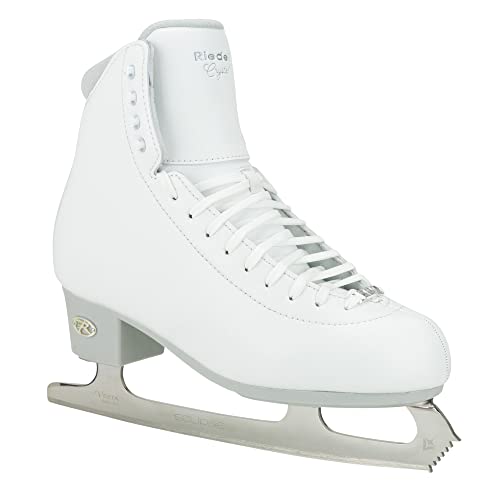
- PRECISION SUPPORT: The Riedell Crystal figure skates provide the ideal…
- ENHANCED COMFORT: Built for hours on the ice, these men and women’s ice…
- COMPETITION-READY PERFORMANCE: Designed with the stainless steel Eclipse…
Edea Overture w/ Legacy 7 Blade – Best for Advancing Intermediates
This pre-packaged setup pairs Edea’s innovative lightweight boot with a quality stainless steel Legacy blade. It’s designed for skaters working on single jumps. The package provides advanced features without the complexity of a separate purchase and mounting.

- tOur boots are designed with lightness in mind making them more responsive….
- The unique insole made by with fiberglass and nylon allows more power…
- Our hi-tech soles are made with ultra modern material making them both…
Conclusion: Making the Right Choice on Skate Blades
Most figure skates do come with blades already attached, especially for beginners. This ready-to-use setup offers convenience and great value. For advancing skaters, separate boots and blades unlock custom performance.
The key is matching your equipment to your current skill level and goals. Don’t overbuy or underbuy based on myths or price alone.
Visit a professional skate shop for a fitting. Their expert advice is invaluable for your safety and progress on the ice.
With the right knowledge, you can confidently choose skates that will support your journey, whether you’re taking your first glide or landing your first axel.
Frequently Asked Questions about Figure Skate Blades
What is the difference between pre-mounted and custom-mounted skates?
Pre-mounted skates have blades factory-attached as a complete package. They are designed for immediate use by beginners and recreational skaters. Custom setups involve buying boots and blades separately for professional mounting.
This allows advanced skaters to fine-tune blade alignment and pitch. Custom mounting matches equipment precisely to a skater’s unique biomechanics and skill level.
How do I know if my pre-mounted skates are good quality?
Check for a stiff ankle that doesn’t collapse sideways when you press it. The blade should be firmly attached with no wiggle. Quality pre-mounted skates use stainless steel blades, not rust-prone carbon steel.
Also, look for reputable brands like Jackson, Riedell, or Edea in the beginner range. Avoid flimsy “toy store” skates that lack proper support and safety features.
Can you replace the blades on pre-mounted figure skates?
Technically possible, but rarely practical or cost-effective. The boot sole is drilled for the original blade’s specific screw pattern. Mounting a new blade often requires filling old holes, which compromises integrity.
By the time blades are worn out, the boot is usually broken down too. For skaters at this level, investing in a new, higher-level setup is the recommended path.
What is the best figure skate for an adult beginner?
Look for a pre-mounted skate with a thermo-moldable boot and moderate ankle support. Models like the Jackson Ultima Softec Excel or Riedell Angel are excellent choices. They offer comfort and a good factory-attached blade for learning basics.
Prioritize a proper fit from a specialty shop over buying online blindly. A good fit prevents pain and accelerates skill development more than any specific brand.
When should a skater switch to separate boots and blades?
Consider the switch when you consistently work on single jumps (like axels) and complex spins. If your current boots feel unsupportive on landings or your blades hinder spin speed, it’s time. Another sign is skating more than 5-6 hours per week.
Consult your coach and a professional fitter. They can assess if your technique has outgrown the limitations of recreational, pre-mounted equipment.
How often should I sharpen my figure skate blades?
Sharpening frequency depends on ice time and blade steel. For typical recreational skaters, every 15-20 hours of ice time is standard. Stainless steel blades on advanced skates can go 20-30 hours between sharpenings.
Never wait until you feel completely slippery. A consistent sharpening schedule maintains optimal edge control and is safer than waiting for extreme dullness.
Why do my new skates feel so different from rental skates?
New, properly fitted skates offer precise ankle support and sharper blades. Rental skates are typically very broken-down, with wide fits and dull blades for durability. The snug, supportive feel of new skates is correct but requires an adjustment period.
This difference is normal and positive. It allows for proper technique and edge control that flexible rentals cannot provide. A short break-in period is expected.
Are adjustable ice skates good for learning?
Adjustable skates are a practical, cost-effective solution for growing children skating casually. They are fine for learning basic gliding and stopping. However, the fixed, often lower-quality blade and less precise fit limit technical progress.
For a child in regular lessons or showing serious interest, traditional fitted skates are a better investment. They provide superior support for developing proper skills.