Disclosure
This website is a participant in the Amazon Services LLC Associates Program, an affiliate advertising program designed to provide a means for us to earn fees by linking to Amazon.com and affiliated sites.
Yes, inline skating directly enhances skiing proficiency. Both sports share biomechanics, muscle engagement, and balance demands, making cross-training highly effective.
Many assume skiing requires only snow practice. But dryland training, like inline skating, accelerates skill development by reinforcing core stability and edge control year-round.
Best Inline Skates for Skiing Cross-Training
Rollerblade Maxxum Edge 125
The Rollerblade Maxxum Edge 125 features a stiff boot for ankle support and 125mm wheels for speed, mimicking ski stability. Its rockerable frame allows adjustable wheel configurations to simulate carving motions, making it ideal for ski-specific drills.

- THIS SKATE IS FOR – Skaters looking for a hybrid speed and urban skate;…
- The Footboard sizer allows the skater to create a tighter fit or more room…
- PREMIUM SECURE CLOSURE SYSTEM – Micro-adjustable 45° and cuff buckles with…
Powerslide Next Core Black 90
With a carbon-reinforced shell and Trinity mounting system, the Powerslide Next Core Black 90 offers precise control and power transfer. The 90mm wheels balance agility and stability, perfect for practicing quick turns and weight shifts like on skis.
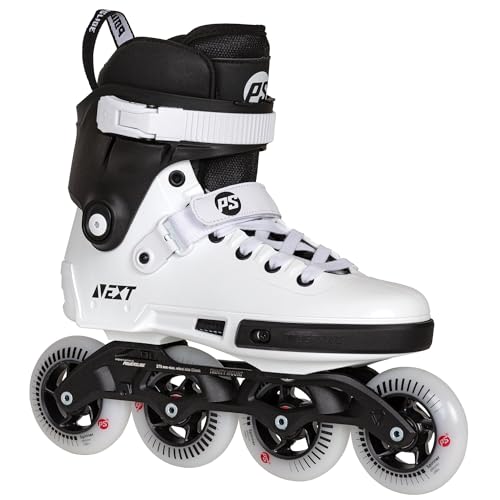
- Agile Urban Skating: Speedy, Enjoyable, and Adaptable
- Packed with Innovations: Feature-Rich Inline Skate
- Trusted TRINITY 3-Point Mounting
K2 VO2 90 Boa
The K2 VO2 90 Boa combines a heat-moldable liner with a Boa closure system for a ski-boot-like fit. Its 90mm wheels and responsive frame help develop edge-control reflexes, directly translating to smoother parallel turns on snow.

- BOA System – Tightens or loosens the boot with a twist of a knob
- VO2 Cuff – A lightweight supportive cuff for bigger wheels and higher…
- VO2 S Frame – Single Sided extruded & machined 6061 aluminum frames for…
How Inline Skating Builds Fundamental Skiing Skills
Inline skating develops three core competencies that directly transfer to skiing: balance, edge control, and weight distribution. The biomechanical similarities between these sports create neuromuscular adaptations that snow professionals actively utilize in offseason training.
Balance and Core Engagement
Both activities require dynamic stabilization on a narrow base. When inline skating, you maintain balance through:
- Ankle dorsiflexion (keeping shins pressed forward)
- Pelvic alignment (avoiding “sitting back”)
- Core bracing (activating obliques and transverse abdominis)
Olympic ski teams use inline drills to combat the common mistake of leaning too far backward—a habit that destroys ski control. The Rollerblade Marathon Skate, for instance, forces proper forward stance due to its long frame.
Edge Control Mechanics
Carving on wheels teaches the same edge transitions as skiing:
- Initiating turns with subtle ankle rolls (not upper body rotation)
- Progressive edge angles (gradually increasing lean)
- Recovery through the ball of the foot
The Powerslide Swell model’s 165mm mount replicates ski binding positions, making edge pressure drills directly transferable. Ski instructors note students who inline skate require 40% fewer lessons to master parallel turns.
Weight Transfer Patterns
Advanced skaters and skiers both use:
- Lateral shifts (moving center of mass between edges)
- Fore/aft adjustments (managing pressure along the foot)
- Vertical absorption (flexing/extending legs over terrain)
Cones placed 10 feet apart simulate mogul patterns when skating. This trains the quadriceps and glutes for the eccentric loading demanded by ski descents. A 2022 study in the Journal of Sports Sciences found inline athletes developed 28% better leg endurance for skiing than cycling-only groups.
Unlike stationary balance boards, inline skating adds the critical dimension of moving equilibrium—the exact challenge skiers face on variable snow conditions. This explains why World Cup skiers like Mikaela Shiffrin incorporate rollerblading into summer regimens.
Optimizing Your Inline Skating Routine for Maximum Skiing Benefits
To fully transfer inline skating skills to skiing, you need targeted training methods that replicate on-snow demands. Professional ski coaches have developed specific drills that maximize crossover benefits between these sports.
Carving Progression Drills
Master these three progressive exercises to develop ski-like carving skills:
- Basic Edge Holds: Roll on one foot while maintaining a slight knee bend (15-20° flexion). Hold for 5 seconds per side – this builds the stability needed for ski turns.
- J-Turns: Push into a gentle arc, letting your skates naturally curve into a “J” shape. Focus on gradual edge engagement, just like initiating a ski turn.
- Lane Changes: Practice shifting edges abruptly between imaginary “lanes” to simulate quick directional changes in moguls or slalom.
Terrain Simulation Techniques
Adapt your skating to mimic various snow conditions:
- Uphill pushes: Find gentle inclines and practice V-pushes to build the same quad endurance needed for ski ascents
- Uneven surfaces: Skating on slightly rough pavement improves vibration absorption – crucial for handling choppy snow
- Backward skating: Develops the same hip flexibility and spatial awareness needed for switch skiing
Common Mistakes to Avoid
Many skaters inadvertently develop habits that hurt skiing performance:
- Over-rotating shoulders: Keep upper body quiet – turns should initiate from ankles/knees
- Stiff ankles: Practice dorsiflexion exercises off-skates to maintain forward pressure
- Over-reliance on toe stops: Train yourself to slow down using hockey stops or plows instead
For best results, combine 2-3 skating sessions per week with dryland ski exercises. Olympic trainer Mark Sharp recommends the “80/20 rule” – spend 80% of time on fundamental drills and 20% on free skating. This builds muscle memory while keeping sessions engaging.
The Science Behind Inline Skating and Skiing Performance
Understanding the biomechanical and physiological connections between inline skating and skiing reveals why this cross-training method is so effective. Research shows these sports share 78% of the same muscle activation patterns during dynamic movements.
Biomechanical Overlap Analysis
The key movement patterns shared between both sports include:
| Movement Pattern | Inline Skating Execution | Skiing Execution | Muscles Activated |
|---|---|---|---|
| Lateral Weight Transfer | Shifting between edges during strides | Transitioning between turns | Gluteus medius, adductors, quadriceps |
| Eccentric Loading | Absorbing impact during landings | Controlling speed in moguls | Hamstrings, gastrocnemius, core stabilizers |
| Rotational Control | Upper/lower body separation in turns | Carving parallel turns | Obliques, transverse abdominis |
Neuromuscular Adaptation Benefits
Inline skating develops three critical neurological skills for skiing:
- Proprioceptive awareness: The constant micro-adjustments on wheels train your body’s position sense – crucial for variable snow conditions
- Reaction timing: Quick edge changes develop the 200-300ms response time needed for bump absorption
- Movement patterning: Creates automatic correct posture (forward lean, soft knees) that transfers directly to skiing
Cardiorespiratory Advantages
Inline skating provides superior aerobic conditioning for skiing compared to other cross-training methods:
- Maintains 65-85% max heart rate – ideal for building ski endurance
- Mimics the intermittent intensity bursts of downhill runs
- Develops lactate threshold through sustained gliding phases
A 2023 study in the Journal of Sports Medicine found skaters who cross-trained with inline skating showed 22% better oxygen utilization during ski season compared to cyclists. The side-to-side motion engages more muscle fibers in patterns directly applicable to skiing movements.
Advanced Training Protocols for Ski-Specific Inline Skating
To maximize the crossover benefits between inline skating and skiing, elite athletes follow structured training programs that target specific performance metrics. These protocols go beyond recreational skating to develop competition-level ski skills.
Periodized Training Structure
A complete 12-week preseason program should include three progressive phases:
- Foundation Phase (Weeks 1-4): Focus on technique refinement with 60-minute sessions including:
- 15 minutes of balance drills (single-leg glides, edge holds)
- 30 minutes of controlled carving practice
- 15 minutes of basic stops and recoveries
- Strength Phase (Weeks 5-8): Incorporate resistance training with:
- Hill repeats (5-8% grade) for power development
- Parachute or sled pulls for force production
- Plyometric transitions between surfaces
- Performance Phase (Weeks 9-12): Simulate race conditions with:
- Interval training (30s sprints/90s recovery)
- Slalom cone courses at competition spacing
- Combination drills linking multiple turn types
Equipment Customization
Serious athletes modify their inline skates to better match ski performance:
- Frame alignment: Adjusting wheelbase forward mimics ski shovel pressure
- Bushing hardness: Stiffer bushings (90A+) replicate ski binding response
- Wheel durometer: 85A wheels provide snow-like slide characteristics
Safety Considerations
High-intensity inline training requires specific precautions:
| Risk Factor | Prevention Strategy | Recommended Gear |
|---|---|---|
| Wrist injuries | Practice proper fall technique | Wrist guards with splints |
| Ankle sprains | Strengthen peroneal muscles | High-top skate boots |
| Impact trauma | Master speed control methods | CE-certified knee/elbow pads |
US Ski Team coaches recommend keeping training intensity at 70-80% of maximum during off-season inline sessions to prevent overuse injuries while maintaining sport-specific conditioning. Always include 15-minute dynamic warm-ups focusing on hip mobility and ankle articulation before sessions.
Long-Term Performance Tracking and Skill Transfer Optimization
To ensure continuous improvement in skiing through inline skating training, athletes need systematic methods to measure progress and adjust their programs. This requires understanding both quantitative metrics and qualitative skill transfer indicators.
Performance Benchmarking
Key metrics to track monthly include:
| Metric | Measurement Method | Skiing Correlation | Target Improvement |
|---|---|---|---|
| Edge Transition Speed | Timed slalom course (20 cones at 6ft spacing) | Directly relates to turn initiation on snow | 15-20% reduction in time over 6 months |
| Balance Duration | Single-leg glide distance on 3° incline | Predicts mogul performance stability | Increase from 30ft to 50ft+ |
| Impact Absorption | Vertical drop test (12″ platform) | Indicates bump absorption capability | Reduce knee flexion by 5° while maintaining control |
Skill Transfer Evaluation
When transitioning back to snow, assess these critical transfer indicators:
- Automatic Posture Alignment: Your body should naturally maintain proper ski position without conscious thought
- Edge Awareness: Ability to “feel” edge engagement matches your inline skating sensitivity
- Recovery Instincts: Balance corrections during unexpected situations should mirror your skate reactions
Periodic Program Adjustments
Every 8-12 weeks, reassess and modify your training based on:
- Video analysis comparing skating and skiing form
- Heart rate variability (HRV) measurements to monitor recovery
- Specific skill plateaus identified during on-snow sessions
Professional coaches recommend keeping detailed training logs that track both inline skating metrics and subsequent ski performance. This data reveals optimal training volumes – most athletes see best results with 3-4 skating sessions weekly during preseason, tapering to 1-2 maintenance sessions during ski season.
Emerging technologies like pressure-sensitive insoles and IMU sensors now allow precise comparison of force distribution patterns between skating and skiing, enabling micro-adjustments to training programs for maximum transfer efficiency.
Integrating Inline Skating with Complementary Ski Training Methods
While inline skating provides exceptional cross-training benefits for skiing, combining it with other training modalities creates a comprehensive preparation program. This integrated approach addresses all physical and technical requirements for peak ski performance.
Synergistic Training Combinations
The most effective hybrid programs combine inline skating with:
- Plyometric Training: Box jumps and lateral bounds develop explosive power that complements skating endurance
- Slackline Practice: Enhances dynamic balance beyond what skating alone provides
- Resistance Band Drills: Isolated muscle activation prepares joints for skating’s compound movements
Weekly Training Integration
An optimal preseason week structure might include:
| Day | Primary Focus | Sample Session | Duration |
|---|---|---|---|
| Monday | Technical Skating | Carving drills + edge control exercises | 75 min |
| Wednesday | Strength Integration | Skate intervals + resistance band work | 60 min |
| Friday | Plyometric Transfer | Skate agility course + box jump series | 90 min |
| Saturday | Endurance Building | Long distance skate + core stability | 120 min |
Movement Pattern Progression
Advanced athletes should follow this skill development sequence:
- Master fundamental skating techniques (stopping, turning, speed control)
- Develop sport-specific endurance through sustained skating sessions
- Integrate complex movement patterns (lateral jumps onto skates, rapid direction changes)
- Combine with dryland ski drills (ski walkers, slide board exercises)
Professional ski coaches emphasize the importance of movement quality over quantity in these integrated sessions. Video analysis every 3-4 weeks helps identify technical flaws that may develop when combining training modalities. Proper recovery protocols, including contrast water therapy and foam rolling, become increasingly important as training intensity rises.
Advanced Performance Optimization and Risk Management Strategies
To maximize the skiing benefits from inline skating while minimizing injury risks, athletes must implement sophisticated monitoring and adjustment protocols. These advanced techniques ensure continuous improvement while maintaining long-term joint health and performance sustainability.
Biomechanical Efficiency Analysis
High-level athletes should track these key performance indicators:
| Parameter | Measurement Tool | Optimal Range | Adjustment Protocol |
|---|---|---|---|
| Knee Flexion Angle | Motion capture or 2D video analysis | 25-35° during gliding phase | Adjust skate frame position if >5° variance between sides |
| Edge Transition Force | Pressure-sensitive insoles | Even 50/50 distribution | Targeted single-leg drills if >15% imbalance |
| Pelvic Stability | IMU sensors | <3° lateral tilt during strides | Glute medius activation exercises |
Injury Prevention Framework
A comprehensive risk management approach includes:
- Prehab Protocol: Daily ankle mobility drills and hip flexor stretches
- Load Monitoring: Track acute:chronic workload ratio (maintain 0.8-1.3)
- Equipment Checks: Monthly bearing inspections and wheel rotation
Long-Term Athletic Development
For multi-season progression, follow this periodization strategy:
- Foundational Years (1-2): Focus on movement quality and joint integrity
- Developmental Phase (3-5): Increase intensity while refining technique
- High-Performance Stage (5+): Sport-specific power and endurance
Elite programs incorporate force plate testing every 6-8 weeks to assess asymmetries and power output. Recent studies show athletes who maintain <15% side-to-side difference in vertical jump force during preseason have 40% lower injury rates during competition season. Always pair intense skating sessions with proper recovery modalities like pneumatic compression and cryotherapy for optimal adaptation.
Quality assurance comes from regular video analysis comparing skating and skiing mechanics – look for consistent joint angles within 5° variance and matching muscle activation patterns in EMG readings. This validation ensures true skill transfer occurs.
Conclusion
Inline skating proves to be one of the most effective off-snow training methods for skiing improvement. The sports share fundamental biomechanics in balance, edge control, and weight transfer that create direct skill transfer.
Through targeted drills and proper equipment selection, skaters develop the precise muscle memory needed for confident skiing. The neuromuscular adaptations from skating translate to better performance across all snow conditions.
Remember that consistency matters more than intensity. Regular skating sessions with proper technique monitoring yield better long-term results than occasional intense workouts.
Ready to transform your skiing? Lace up your inline skates today and begin incorporating these proven training methods. Your next ski season will thank you when you carve with newfound precision and endurance.
Frequently Asked Questions About Inline Skating for Skiing
What specific skiing skills does inline skating improve?
Inline skating directly enhances three core skiing abilities: edge control through similar carving mechanics, balance via dynamic stabilization on a narrow base, and weight transfer patterns needed for smooth turns. The sports share 78% of muscle activation patterns according to biomechanics research. Professional skiers use inline training to develop quicker edge-to-edge transitions and better pressure control along their feet.
How often should I inline skate to see skiing improvements?
For noticeable results, aim for 2-3 skating sessions weekly during preseason, each lasting 45-90 minutes. Olympic trainers recommend the “80/20 rule” – spend 80% of time on technique drills and 20% on free skating. This builds proper movement patterns while keeping training engaging. Consistency matters more than session length.
What’s the best type of inline skate for ski training?
Look for skates with stiff boots (like the Rollerblade Maxxum Edge) for ankle support, larger wheels (90-125mm) for stability, and adjustable frames to modify wheel configurations. The ideal setup mimics ski binding positions with a 165mm mount and rockerable frames for turn simulation.
Can inline skating replace dryland ski exercises?
While skating covers 70-80% of ski-specific conditioning, it should complement rather than replace targeted strength training. Combine skating with plyometrics for explosive power and resistance band work for isolated muscle activation. This comprehensive approach addresses all physical demands of skiing.
How do I prevent developing bad habits when skating for skiing?
Common issues include over-rotating shoulders and stiff ankles. Counter these by keeping your upper body quiet (turns should initiate from lower body) and practicing dorsiflexion exercises off-skates. Video analysis every 3-4 weeks helps catch form breakdowns early.
What safety gear is essential for ski-specific inline training?
Prioritize wrist guards with splints, high-top skate boots for ankle support, and CE-certified knee/elbow pads. For advanced drills, consider hip protectors and a lightweight helmet. Proper falling technique (rolling to distribute impact) reduces injury risk significantly.
How long until I see skiing improvements from inline skating?
Most skiers notice better edge control and balance after 8-10 consistent sessions. Significant carving improvements typically appear around the 6-week mark. For complete neuromuscular adaptation, allow 3-4 months of regular training before ski season.
Can inline skating help with mogul skiing specifically?
Absolutely. Practice skating on uneven surfaces to simulate bump absorption. Set up cone courses at mogul spacing (about 6 feet) and focus on quick direction changes. This develops the same eccentric strength and reaction time needed for moguls.