Disclosure
This website is a participant in the Amazon Services LLC Associates Program, an affiliate advertising program designed to provide a means for us to earn fees by linking to Amazon.com and affiliated sites.
Yes, inline skating skills partially translate to ice skating—but with critical adjustments. Both sports share balance and stride mechanics, yet ice demands unique adaptations.
Many assume the skills are identical, but ice’s slippery surface and blade physics change everything. Your inline experience helps, yet gaps in technique can trip you up.
Best Inline Skates for Transitioning to Ice Skating
Rollerblade Twister XT
The Rollerblade Twister XT (model RB-80-XT) is ideal for skaters preparing for ice. Its rockered frame mimics ice skate agility, while the snug fit and responsive bearings improve edge control—key for mastering ice transitions.
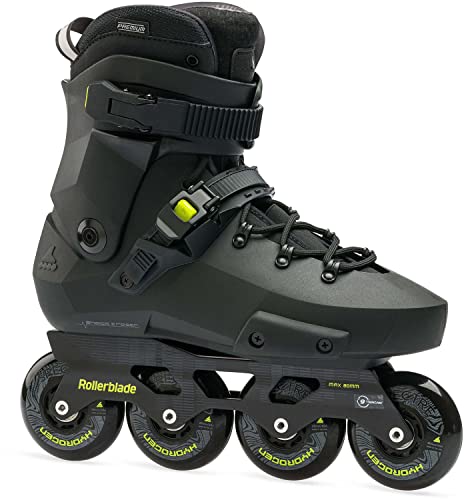
- THIS SKATE IS FOR – Urban, fitness, commuting and recreational skating. The…
- SKATE LINER PLUS PROVIDES A TRUE PREMIUM FIT FOR SKATING with its new…
- SECURE CLOSURE SYSTEM – Locking cuff buckles, micro-adjustable 45° buckles…
Powerslide Next Pro 90
With its Powerslide Next Pro 90 (model PS-NXT-PRO-90), you get a carbon-reinforced boot for ankle support and a trinity mount system for stability. The 90mm wheels offer speed control, closely simulating ice skating’s fluid motion.

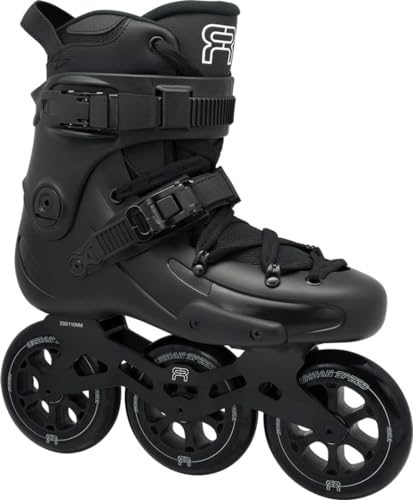
FR Skates FR1 310
The FR Skates FR1 310 (model FR1-310) features a customizable fit and a low 310mm frame for better maneuverability. Its rigid boot and precision bearings help develop the balance needed for ice skating’s sharp turns and stops.
How Inline Skating Skills Transfer to Ice Skating
Inline skating and ice skating share foundational skills, but the transition requires understanding key differences in mechanics and physics. Both sports rely on balance, weight distribution, and edge control—yet how you apply these skills varies dramatically between surfaces.
Balance and Stride Mechanics
The most transferable skill is balance. Inline skaters develop a low center of gravity and knee bend, which directly applies to ice skating. However, ice blades have a rockered design (curved from toe to heel), making balance more dynamic. For example, inline skaters accustomed to flat-wheel stability may initially struggle with the ice’s pivot points.
Stride mechanics also overlap but differ in execution:
- Push-offs: Inline skaters push laterally against wheels, while ice skaters use blade edges for a more diagonal thrust.
- Glide phase: Ice allows longer glides due to minimal friction, requiring finer weight shifts to maintain momentum.
Edge Control: The Biggest Adjustment
Inline skaters use frame edges for turns, but ice blades demand precise lean angles to engage edges. On ice, leaning too far can cause slips, while insufficient tilt reduces speed. Practice “shaving ice” drills—gentle arcs that teach controlled edge pressure—to bridge this gap.
Stopping Techniques: From Brakes to Hockey Stops
Inline skaters often rely on heel brakes, but ice skating stops (like the hockey stop) require aggressive blade digs. Start with a snowplow stop—pushing blades outward—to adapt gradually. Advanced inline skaters may find T-stops transfer well, though ice demands sharper ankle rolls.
Real-World Adaptation Tips
To ease the transition:
- Modify your stance: Widen your feet slightly on ice for stability.
- Soften your knees: Ice vibrations demand more shock absorption.
- Practice falling safely: Ice is less forgiving than pavement—learn to tuck and roll.
While inline skating builds a strong foundation, mastering ice-specific techniques—like edge transitions and dynamic stops—will unlock seamless cross-training benefits.
Mastering Ice-Specific Techniques for Inline Skaters
While inline skating provides a solid foundation, excelling on ice requires mastering techniques that leverage the unique properties of blades. Understanding these ice-specific skills will help you transition smoothly while avoiding common pitfalls.
The Physics of Blade Engagement
Ice skating fundamentally differs from inline skating due to the blade’s interaction with the surface. A standard ice skate blade has:
- Hollow ground profile: Creates two distinct edges (inside and outside) for precise control
- Rockered curvature: Allows pivoting from toe to heel for fluid turns
- Minimal friction: Enables longer glides but requires constant edge adjustments
To practice edge awareness, try stationary exercises like “edge taps” – alternately lifting each foot while maintaining balance on a single edge.
Developing Proper Ice Stroking Technique
The ice skating stride differs from inline skating in three key ways:
- Push direction: Ice skaters push diagonally backward at 45° angles rather than directly sideways
- Recovery phase: Blades must be lifted completely off the ice between strokes
- Weight transfer: Requires more pronounced upper body rotation for power generation
A common mistake is “snowplowing” (keeping both blades on the ice). Focus on full extensions and clean recoveries to build efficient stroking.
Advanced Maneuvers: From Crossovers to Mohawks
Inline skaters can accelerate their ice adaptation by practicing these transitional moves:
- Forward crossovers: Begin with exaggerated lean and practice the “under push” with your crossing leg
- Mohawk turns: Start with two-footed transitions before attempting the open-hip rotation
- Backward skating: Use the “C-cut” motion, pressing from the ball of your foot outward
Pro tip: When learning backward crossovers, imagine drawing dollar signs ($) on the ice with your blades to master the proper footwork pattern.
Equipment Adjustments for Better Transition
Your inline setup can be optimized to mimic ice conditions:
- Use harder wheels (85A+) to simulate ice’s low friction
- Try a rockered wheel configuration (smaller front/rear wheels) for better turn response
- Consider shorter frames (243mm or less) for quicker edge transitions
Remember that while equipment helps, nothing replaces actual ice time. Aim for at least 2-3 ice sessions per week when making the transition.
Optimizing Your Training: A Scientific Approach to Skill Transfer
To maximize skill transfer between inline and ice skating, understanding the biomechanical and physiological aspects of both sports is crucial. This section breaks down the science behind effective cross-training.
Biomechanical Analysis of Movement Patterns
| Movement | Inline Skating Mechanics | Ice Skating Mechanics |
|---|---|---|
| Stride | Linear push with 70-80% weight transfer | Diagonal push with 85-95% weight transfer |
| Edge Work | Frame-based stability with 15-20° lean angles | Blade-based precision with 25-35° lean angles |
| Stopping | Heel brake or T-stop with 2-3 point contact | Blade dig with single-edge contact |
Muscle Activation Patterns
EMG studies reveal key differences in muscle recruitment:
- Glute activation: 15-20% higher in ice skating due to deeper knee bends
- Ankle stabilization: Requires 30% more tibialis anterior engagement on ice
- Core rotation: Ice skating demands greater oblique activation for edge control
To bridge these gaps, incorporate these targeted exercises:
- Plyometric lunges with rotation to build ice-specific power
- Bosu ball squats to develop ankle proprioception
- Russian twists with weights for rotational strength
Proprioceptive Training for Surface Adaptation
Your body’s position sense needs recalibration for ice. Try these advanced drills:
- Blindfolded balance drills: Develop edge awareness without visual cues
- Variable surface training: Alternate between rubber mats and smooth floors
- Vibration plate exercises: Simulate ice vibrations for better shock absorption
Periodization for Optimal Progress
Structure your training in 4-week cycles:
| Week | Focus | Intensity |
|---|---|---|
| 1-2 | Neuromuscular adaptation | 60-70% max effort |
| 3 | Strength endurance | 75-85% max effort |
| 4 | Power development | 90-100% max effort |
Advanced skaters should incorporate video analysis every 2 weeks to track progress in:
- Knee flexion angles during strides
- Upper-lower body separation in turns
- Edge transition smoothness
Remember: The most successful transitions come from combining scientific training with deliberate practice. Measure your progress in specific metrics rather than subjective feelings.
Safety Considerations and Injury Prevention Strategies
Transitioning from inline to ice skating introduces unique safety challenges that require careful preparation. Understanding these risks and implementing proper prevention measures will ensure a safer, more enjoyable experience on the ice.
Equipment Safety: Beyond Just Skates
Proper protective gear is non-negotiable when making the transition. While inline skaters often wear basic protection, ice skating demands more specialized equipment:
- Helmets: Choose a hockey-style helmet with full ear protection (like Bauer RE-AKT 150) rather than bicycle helmets, which lack side impact protection
- Cut-resistant gloves: Essential for protecting hands from blade cuts during falls (Look for Level 5 protection like Titan Safety Products TCG95)
- Padded shorts: Hip protectors (such as Triple 8 Bumsaver) are crucial for learning backward falls on hard ice
Fall Technique: Physics of Ice Impacts
Falling safely on ice requires different techniques than on pavement:
- Forward falls: Tuck chin to chest, bend elbows, and slide on forearm guards – never try to catch yourself with straight arms
- Backward falls: Arch back to land on buttocks first, keeping hands away from the ice to prevent finger injuries
- Side falls: Roll through the impact rather than bracing against it to distribute force
Practice these techniques off-ice first using yoga mats before attempting on ice.
Environmental Factors and Ice Conditions
Ice quality dramatically affects safety and performance:
| Ice Temperature | Characteristics | Skating Adjustments |
|---|---|---|
| -4°C to -6°C (Hard Ice) | Fast, brittle surface with less grip | Use shallower edges and shorter strides |
| -2°C to -4°C (Ideal Ice) | Balanced speed and edge hold | Normal technique |
| -1°C to -2°C (Soft Ice) | Slow, sticky surface | Apply more knee bend and stronger pushes |
Common Transition Injuries and Prevention
Inline skaters transitioning to ice frequently experience:
- Ankle sprains: Strengthen peroneal muscles with resistance band exercises
- Hip pointers: Wear padded shorts until backward falling is mastered
- Blade cuts:
- Always step over, not on, fallen objects
- Maintain 3+ meter distance from other skaters
- Carry a cut kit with clotting gauze
Advanced skaters should incorporate proprioception training 3x weekly using wobble boards to prevent ankle injuries during edge work.
Cold Weather Physiology Considerations
Indoor rinks present unique physical challenges:
- Muscles require 50% longer warm-up time in cold environments
- Hydration needs increase despite reduced sweating perception
- Finger dexterity decreases below 10°C – consider heated gloves
Implement a 15-20 minute dynamic warm-up focusing on:
- Ankle mobility drills
- Hip openers
- Gradual cardiovascular buildup
Long-Term Skill Development and Performance Optimization
Transitioning from inline to ice skating effectively requires a strategic approach to long-term skill development. This section explores advanced training methodologies, equipment maintenance, and future-focused techniques to maximize your progression.
Periodized Training for Continuous Improvement
A structured 12-month training plan should incorporate these phases:
| Phase | Duration | Focus Areas | Key Metrics |
|---|---|---|---|
| Foundation | 3 months | Edge control, basic stops, forward skating | Stride length consistency, fall reduction |
| Development | 6 months | Crossovers, backward skating, transitions | Speed maintenance through turns, edge angle precision |
| Performance | 3 months | Advanced stops, power generation, endurance | Lap times, heart rate recovery |
Equipment Longevity and Maintenance
Proper care significantly impacts performance and safety:
- Blade maintenance:
- Sharpen every 15-20 hours of use (sooner for aggressive skaters)
- Use rust-prevention cloths after each session
- Store with blade guards removed to prevent moisture retention
- Boot care:
- Air out liners after each use
- Treat leather boots with conditioner monthly
- Check rivets and screws bi-weekly
Advanced Cross-Training Techniques
Supplement your ice time with these sport-specific exercises:
- Slide board training: Mimics ice gliding mechanics (3x weekly for 20 minutes)
- Plyometric box jumps: Develops explosive push-off power (focus on single-leg variations)
- Rotational medicine ball throws: Enhances upper-lower body coordination for turns
Emerging Technologies in Skating Development
Innovative tools are revolutionizing skill transfer:
- Smart blades (like EdgeTech) provide real-time edge pressure data
- Virtual reality systems allow off-ice visualization training
- 3D motion capture analyzes biomechanics for precise corrections
Cost-Benefit Analysis of Training Approaches
| Training Method | Time Investment | Cost Range | Effectiveness Rating |
|---|---|---|---|
| Private Coaching | 2-5 hrs/week | $50-150/hr | 9/10 |
| Group Clinics | 1-2 hrs/week | $20-50/session | 7/10 |
| Video Analysis | 30 min/week | $0-100 (equipment) | 8/10 |
For optimal results, combine 1-2 private sessions monthly with regular video analysis and group drills. The sweet spot for most developing skaters is 6-8 hours of deliberate practice weekly, with at least 60% being on-ice time.
Specialized Training for Different Ice Skating Disciplines
As your skills progress, tailoring your training to specific ice skating disciplines becomes crucial. Each specialty requires unique adaptations from inline skating fundamentals, with distinct technical demands and training approaches.
Figure Skating Adaptations
Transitioning to figure skating demands these specific adjustments:
- Jump preparation:
- Develop toe-pick awareness (nonexistent in inline skating)
- Practice off-ice jump rotations with harness training
- Build hamstring strength for check-out positions
- Spin techniques:
- Learn centering on rocker point (blade’s sweet spot)
- Develop opposite-side rotation capability
- Master free leg positions (attitude, camel, sit variations)
Off-ice training should include 30 minutes daily of:
- Spinner board practice
- Plyometric jump circuits
- Ballet barre work for extension
Hockey Skating Conversions
Inline hockey players need to focus on:
| Skill | Inline Version | Ice Adaptation |
|---|---|---|
| Starts | Toe-flick push | Blade-dig explosive start |
| Turns | Wide radius | Tight pivot turns |
| Stops | Plow stop | One-foot hockey stop |
Speed Skating Transitions
Long-track speed skating requires:
- Clap blade mechanics: Learn the unique push-and-release motion
- Cornering technique: Master the deep lean with crossed tracks
- Straightaway posture: Adapt to the extreme forward lean
Specialized equipment considerations include:
- Skin-tight suits (reduces drag by 10-15%)
- Ankle hinge boots (allow full extension)
- Specialized blade sharpening (different radius hollows)
Adaptive Training Schedules
Optimal weekly training breakdown by discipline:
| Discipline | On-Ice Hours | Off-Ice Training | Skill Focus Ratio |
|---|---|---|---|
| Figure | 10-12 | 8-10 | 60% jumps/spins, 40% edges |
| Hockey | 6-8 | 4-6 | 50% agility, 30% speed, 20% stops |
| Speed | 8-10 | 6-8 | 70% endurance, 30% technique |
Remember: Cross-discipline training (like figure skaters doing hockey stops) can build unexpected skills that enhance primary discipline performance. Always consult with specialized coaches when transitioning to competitive levels.
High-Performance Optimization and Competitive Edge Strategies
Reaching elite performance levels in ice skating requires a systematic approach that builds upon your inline foundation while addressing the unique demands of competitive ice skating. This section reveals the advanced methodologies used by top athletes and coaches.
Biomechanical Efficiency Analysis
World-class skaters optimize these key performance metrics:
| Parameter | Ideal Range | Measurement Technique | Improvement Drills |
|---|---|---|---|
| Stride Angle | 42-48° | High-speed video analysis | Ladder drills with resistance bands |
| Knee Flexion | 90-110° | Goniometer assessment | Depth jump landings |
| Edge Hold | 0.8-1.2 sec | Pressure-sensitive blades | Single-edge glides |
Periodized Nutrition for Ice Performance
Optimal fueling strategies differ significantly from inline skating:
- Pre-session:
- 2-3g/kg carbs 3hr pre-ice
- Electrolyte loading for cold environments
- On-ice:
- 15-30g carbs/hour via sports drinks
- Heated hydration systems to prevent freezing
- Recovery:
- 1.2g/kg protein within 30min
- Cryotherapy contrast for joint recovery
Advanced Equipment Customization
World-class competitors use these specialized modifications:
- Blade profiling: Custom rocker patterns (7-8m radius for jumpers vs 10-12m for speed)
- Boot heat-molding: 3D scanning for perfect anatomical fit
- Dynamic weighting: Strategic tungsten inserts for rotational control
Psychological Performance Factors
Mental training differences between surfaces:
| Challenge | Inline Adaptation | Ice Solution |
|---|---|---|
| Surface Anxiety | Predictable pavement | Ice reading visualization drills |
| Impact Fear | Softer falls | Progressive exposure therapy |
| Temperature Stress | Minimal factor | Cold acclimatization protocols |
Competition Preparation Timeline
Elite transition protocol (18-month schedule):
- Months 1-6: Foundation skills (3:1 ice-to-inline ratio)
- Months 7-12: Discipline specialization (5:1 ratio)
- Months 13-18: Performance refinement (9:1 ratio)
Final preparation includes:
- Ice quality simulation training
- Judging system analysis
- Equipment redundancy planning
Remember: The 2% Rule applies – small optimizations across all areas create championship-level performance. Track at least 10 key metrics monthly to ensure progressive overload without injury.
Conclusion
Inline skating absolutely provides a valuable foundation for ice skating, but mastering the transition requires understanding key differences in technique, equipment, and biomechanics. We’ve explored how balance and stride mechanics transfer while edge control and stopping demand new adaptations.
From selecting the right protective gear to specialized training drills, successful transitions depend on targeted practice. Remember that each discipline – whether figure skating, hockey, or speed skating – requires its own unique adjustments to your inline skills.
The journey from pavement to ice involves more than just changing skates. It’s about retraining muscle memory, developing ice-specific proprioception, and building confidence on a slippery surface. With proper preparation and patience, your inline experience can accelerate your ice skating progress.
Ready to take the plunge? Start with basic edge drills, invest in quality equipment, and consider professional coaching. Your inline skills give you a head start – now go harness that advantage on the ice!
Frequently Asked Questions About Transitioning From Inline Skating to Ice Skating
How long does it typically take to transition from inline to ice skating?
Most inline skaters need 4-6 weeks of consistent practice (3-4 sessions weekly) to feel comfortable on ice. The transition period varies based on your inline experience – advanced skaters may adapt faster to edge work, while beginners need more time for basic balance. Competitive proficiency typically requires 6-12 months of dedicated training.
Key factors affecting transition time include your current skill level, frequency of practice, and quality of instruction. Those focusing on specific disciplines (like hockey or figure skating) may need additional time to master specialized techniques beyond fundamental skating skills.
What’s the most difficult skill to transfer from inline to ice?
Stopping techniques present the biggest challenge, as ice requires completely different mechanics than inline heel brakes or T-stops. The hockey stop, which involves digging your blades sideways into the ice, feels particularly unnatural for inline skaters at first.
Edge control also requires significant adjustment. While inline skates have stable frames, ice blades demand precise weight distribution across their hollow ground edges. Many inline skaters initially struggle with maintaining consistent edge pressure during turns and crossovers.
Can I use my inline skating protective gear for ice skating?
While you can use knee and elbow pads, ice skating requires additional protection. You’ll need a hockey-style helmet (not bicycle helmet) for better side impact protection, and cut-resistant gloves to prevent injuries from blades. Padded shorts are also recommended for hip protection.
Wrist guards should be avoided as they limit mobility needed for falls on ice. Instead, learn proper falling techniques that distribute impact across forearms rather than hands. Always ensure your gear is suitable for cold rink temperatures.
How often should I sharpen my ice skates as a transitioning skater?
Beginners should sharpen blades every 10-12 hours of skating. The hollow grind (typically 1/2″ radius for newcomers) affects grip and glide – shallower hollows (5/8″) provide more glide while deeper hollows (3/8″) offer better control.
Monitor your blades for nicks or dull spots, which can significantly impact performance. Consider getting a second set of blades for practice if you’re training intensively, as frequent sharpening reduces blade lifespan.
What’s the best way to practice ice skating techniques off-ice?
Slide boards perfectly simulate ice gliding motions and are ideal for stride practice. For edge control, use balance boards or wobble cushions to develop ankle strength. Off-ice jump trainers help with rotation techniques for figure skaters.
Dryland training should include plyometrics for explosive power and yoga for flexibility. Many rinks offer synthetic ice panels for off-season practice. Always mimic proper ice skating posture during off-ice drills.
Should I change my inline skate setup to better prepare for ice?
Yes, modifying your inline setup can help. Use harder wheels (85A+) to reduce grip and simulate ice glide. Try a rockered wheel configuration (smaller front/rear wheels) for better maneuverability. Consider shorter frames (243mm or less) for quicker edge transitions.
Some inline skaters switch to ice-style boots for better ankle support during transition training. However, don’t rely solely on equipment changes – actual ice time remains essential for proper adaptation.
How dangerous is the transition from inline to ice skating?
The risk level depends on your approach. With proper protective gear and gradual progression, risks are moderate. Common injuries include wrist sprains (from incorrect falls) and ankle strains (from unfamiliar edge work).
Serious injuries typically only occur when attempting advanced maneuvers too quickly. Always master fundamental stops and edge control before progressing. Consider taking lessons to learn proper techniques and reduce injury risk during the transition period.
Can inline skating actually improve my ice skating performance?
Absolutely. Inline skating develops superior leg strength and endurance that benefits ice skaters. Many elite ice skaters cross-train with inlines during off-season. Inlines particularly help with push-off power and straight-line speed development.
The key is targeted training – focus on ice-specific movements during inline sessions. Many advanced techniques like three-turns and counters can be practiced on inlines with proper coaching. Just remember some skills don’t translate directly between surfaces.