Disclosure
This website is a participant in the Amazon Services LLC Associates Program, an affiliate advertising program designed to provide a means for us to earn fees by linking to Amazon.com and affiliated sites.
Finding the best figure skates for kids and toddlers is crucial for safety, comfort, and skill development. The right pair builds confidence and prevents injuries on the ice. This guide simplifies your search with expert recommendations.
We compare top brands and models for beginners and advanced young skaters. You’ll learn key features like boot stiffness and blade quality. Our goal is to help you make a perfect, informed choice.
The Biggest Mistake Parents Make When Buying Kids’ Skates
Many parents buy skates that are too big, hoping their child will “grow into them.” This is a dangerous and common error. Skates that don’t fit properly offer zero ankle support.
Poor fit leads to wobbling, blisters, and a frustrating first experience. It can even cause injuries and turn a child off skating forever. The solution is prioritizing proper fit and support over size.
Our Top Pick for a Secure, Beginner-Friendly Fit
For new skaters, a boot with good ankle support is non-negotiable. The Jackson Ultima Finesse Figure Skates are a fantastic entry-level choice. They provide the structured support beginners need to feel stable.
These skates feature a durable synthetic boot and a quality stainless steel blade. They are designed specifically for learning proper technique. You can check current price and reviews on Amazon →
- Ankle Support: Reinforced ankle padding prevents inward rolling.
- Blade Quality: Stainless steel stays sharp longer than carbon steel.
- Comfort: Padded tongue and lining reduce break-in time.
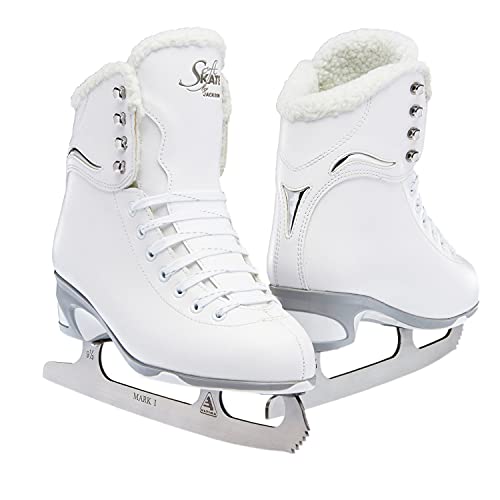
- Light Recreational Support
- Synthetic upper and tongue with fully lined cushy foam padding
- Factory sharpened Ultima MARK I figure blade attached
When a Quick Fix Isn’t the Right Solution
If your child has wider feet, unique arches, or is progressing rapidly, standard models may not suffice. A specialized fit is crucial for comfort and skill advancement.
This is where detailed product reviews become invaluable. For instance, our in-depth Jackson Ultima Classic series review breaks down stiffness levels for advancing skaters. Similarly, our guide to the best figure skates for beginners compares multiple brands for the perfect start.
For growing feet, consider adjustable youth ice skates as a cost-effective solution. They ensure a proper fit across multiple seasons, supporting your child’s journey every step of the way.
How to Choose the Right Figure Skates for Your Child
Selecting youth figure skates involves more than just picking a size. You must evaluate boot construction, blade type, and skill level. Getting this right ensures safety, comfort, and faster skill progression.
This decision impacts your child’s confidence on the ice. A proper fit prevents injuries and makes learning enjoyable. Let’s break down the three most critical factors to consider.
1. Prioritize Boot Fit and Ankle Support
The boot is the foundation of a good skate. It must hold the heel snugly and provide firm ankle support. A wobbly ankle is the primary cause of falls for beginners.
- Snug Heel Lock: The heel should not lift when your child bends their knees. Any slippage here eliminates control.
- Stiffness Rating: Beginner boots are more flexible for comfort. Advanced skaters need stiffer boots for jumps and spins.
- Width Matters: Brands like Jackson run narrower, while Riedell offers wider fits. Know your child’s foot shape.
2. Understand Blade Types and Toe Picks
Not all blades are created equal. The right blade supports skill development. The wrong one can hinder progress and cause tripping.
Beginner blades have a flatter rocker for stability. They also feature smaller toe picks to prevent catching. Advanced blades have a more pronounced curve for maneuverability.
| Blade Type | Best For | Key Feature |
|---|---|---|
| Beginner/Recreational | First-time skaters, basic gliding | Small toe pick, flat rocker for stability |
| Intermediate | Learning spins, simple jumps | Moderate rocker, defined toe pick |
| Advanced/Professional | Double jumps, complex footwork | Pronounced rocker, large toe pick |
3. Match the Skate to Skill Level
Buying skates for a skill level your child hasn’t reached is a common mistake. An overly stiff boot can be painful and discouraging. Always choose a skate that supports their current abilities.
Most quality brands clearly label skates as “Beginner,” “Intermediate,” or “Advanced.” Start at the appropriate level. You can always upgrade as their skills—and commitment—grow.
Top Features to Look for in Kids’ Figure Skates
Understanding key features helps you spot quality and value. It moves you beyond brand names and aesthetics. Focus on these components for a safe and performance-oriented purchase.
These elements directly impact durability, comfort, and learning curve. Investing in the right features prevents early replacements. Let’s examine what makes a youth skate truly excellent.
1. Boot Construction and Materials
The boot material determines support, weight, and break-in time. Synthetic materials are common for beginners. Leather boots offer better molding for intermediate skaters.
- Thermoformable Liners: These liners mold to the foot’s shape when warmed. They provide a custom-like fit and superior comfort.
- Reinforced Ankle Collar: Look for extra padding and stiffening around the ankle. This is crucial for preventing rolls and sprains.
- Moisture-Wicking Interior: Keeps feet drier and warmer during long sessions. This is a sign of a quality, comfort-focused design.
2. Blade Technology and Mounting
A good blade is made of stainless steel to resist rust and hold an edge. How it’s attached to the boot is equally important. A poorly mounted blade affects balance and safety.
Permanent mounting (riveted) is standard and very secure for most skates. Some advanced models use a screw-mounted system. This allows for blade replacement or positional adjustments.
3. Lacing Systems and Comfort Add-Ons
The lacing system secures the all-important fit. Traditional hooks and eyelets are reliable. Some modern skates incorporate speed hooks for easier lacing.
Don’t overlook additional comfort features. A padded tongue prevents lace bite and pressure on the instep. A breathable mesh panel improves air circulation, keeping young feet comfortable longer.
These details separate a basic skate from a great one. They show the manufacturer’s attention to a skater’s real-world experience.
Step-by-Step Guide to Fitting Kids’ Ice Skates
A perfect fit is non-negotiable for safety and performance. This process requires more precision than fitting everyday shoes. Following these steps ensures you get it right the first time.
Always fit skates with the socks your child will wear while skating. Have them stand up and assume a slight knee bend during assessment. Let’s walk through the professional fitting method.
1. Measuring and Sizing Correctly
Figure skate sizing is different from street shoe sizing. They are typically 1 to 1.5 sizes smaller than a child’s regular shoe. Never use “room to grow” as a fitting strategy.
- Trace the Foot: Have your child stand on a piece of paper. Trace both feet, as they may be different sizes.
- Use the Manufacturer’s Chart: Each brand has a specific size chart. Measure the tracing and consult the chart for that brand only.
- Focus on Length AND Width: The foot should fill the width of the boot without pinching. The toes should gently brush the front when standing straight.
2. The Critical “Skater’s Knee Bend” Test
The true fit is revealed when the skater bends their knees into an athletic stance. This mimics their posture on the ice. It is the most important part of the fitting process.
When knees are bent, the heels should pull back slightly and lock in place. The toes should pull just away from the front of the boot. This indicates proper heel pocket security and adequate length.
- Heel lifts when walking or bending knees.
- Toes are painfully curled or jammed against the front.
- Foot slides side-to-side within the boot.
- Red pressure marks appear after a short wear time.
3. Breaking In and Final Adjustments
New skates will feel stiff and require a break-in period. This should involve gentle wear at home, not intense skating. Expect about 5-8 hours of ice time for full comfort.
Use this time to make final adjustments. Consider lace bite pads if the top of the foot feels pressure. Gel ankle sleeves can prevent blisters if there’s minor rubbing. A perfect fit should feel snug and supportive, not painful.
Maintaining Your Child’s Figure Skates for Longevity
Proper care extends the life of skates and ensures consistent performance. Neglect can lead to rust, dull blades, and broken-down boots. A simple maintenance routine protects your investment and your child’s safety.
Teach your skater these habits from day one. It builds responsibility and respect for their equipment. Consistent care is as important as the initial purchase.
1. Daily Blade Care and Drying
Blades are the most vulnerable component after each use. Moisture from the ice will cause rust if left untreated. This process should happen immediately after every skating session.
- Wipe Down: Use a soft, absorbent towel to dry the blades completely. Wipe the entire blade, including the bottom edge and the stanchions.
- Remove Guards: Always take off the soft skate guards for storage. Trapped moisture inside the guards accelerates rust formation.
- Air Dry: Leave the skates out of the bag in a well-ventilated area. Let the boots and liners dry naturally overnight.
2. Sharpening Schedule and Storage
Blades don’t need sharpening as often as many parents think. Over-sharpening shortens their lifespan. Learn to recognize the signs that a sharpening is truly needed.
- Frequency: Most recreational skaters need sharpening every 20-40 hours of ice time. Aggressive skaters or those on rough ice may need it more often.
- The Nail Test: Gently run your fingernail across the blade edge. If it shaves off a tiny bit of nail, the edge is still sharp.
- Storage: Always use hard plastic blade guards (soakers) for storage. They protect the sharp edge from nicks and the metal from air exposure.
3. Boot Upkeep and When to Replace
Regularly inspect the boot for signs of wear. Check the soles, stitching, and overall structural integrity. Catching problems early can prevent accidents.
| Issue | Action Required |
|---|---|
| Loose or missing rivets/screws | Immediate professional repair |
| Boot breaking down at the ankle (creasing) | Consider replacement for safety |
| Blade is visibly rusted or pitted | Professional assessment for sharpening/replacement |
| Foot has outgrown the length or width | Time for new skates |
Well-maintained skates perform better and last longer. This routine takes only minutes but makes a profound difference.
Top Recommended Figure Skate Brands for Young Skaters
Choosing a reputable brand ensures quality materials and consistent sizing. Trusted manufacturers design skates with a young skater’s anatomy and needs in mind. This focus translates to better safety and skill development.
Our recommendations are based on durability, fit options, and value. These brands are the standard in rinks worldwide. Let’s explore the leaders in youth figure skating.
1. Jackson Ultima: The Beginner’s Gold Standard
Jackson is renowned for its structured boots and excellent ankle support. They are a top choice for first-time skaters and those in learn-to-skate programs. Their sizing tends to run narrow to medium in width.
- Best For: Beginners, skaters with narrow to medium feet, and those needing strong ankle reinforcement.
- Entry-Level Model: The Jackson Ultima Finesse or Artiste series offer fantastic value and support.
- Key Feature: Their Microfiber boots provide a stiff, supportive feel with less break-in time than traditional leather.
2. Riedell: Exceptional Craftsmanship and Width Options
Riedell skates are handcrafted in the USA and known for their durability. They offer excellent width options, making them ideal for skaters with wider feet. Many professional skaters start and stay with Riedell.
Their “Soar” and “Diamond” lines are popular for recreational and beginner skaters. The boots often feature a more rounded toe box for natural toe splay. This enhances comfort during long practices.
3. Edea: Innovative Design for Progressive Skaters
Edea revolutionized skate design with lightweight, thermo-moldable boots. They are a favorite among competitive skaters for their energy transfer and flexibility. The unique construction allows for a deep knee bend without breaking down the ankle.
| Brand | Best For Foot Type | Notable Beginner/Recreational Line |
|---|---|---|
| Jackson Ultima | Narrow to Medium | Finesse, Artiste |
| Riedell | Medium to Wide | Soar, Diamond |
| Edea | Varied (often narrower) | Overture, Chorus |
Always try on multiple brands when possible. The right feel is more important than the name on the side.
Essential Safety Gear and Accessories for Young Skaters
Skates are the primary equipment, but safety doesn’t stop there. The right accessories prevent injuries and build confidence. They are a critical part of a complete skating setup.
From head protection to blade guards, these items are non-negotiable. They make learning safer and more enjoyable for everyone. Let’s cover the must-have gear beyond the skates themselves.
1. Mandatory Protective Equipment
Falls are a guaranteed part of learning to skate. Protective gear cushions impacts and prevents serious injuries. It allows children to practice fearlessly.
- Helmet: A certified bicycle or multi-sport helmet is essential. It must fit snugly and cover the forehead.
- Knee and Elbow Pads: These protect joints from hard falls on the ice. Look for hard-shell caps with flexible padding.
- Wrist Guards: Crucial for preventing sprains and fractures. Falling skaters instinctively put their hands out.
- Thin Gloves or Mittens: Protect hands from ice burn and blade cuts. They also keep hands warm.
2. Skate-Specific Accessories for Care & Transport
Proper accessories extend the life of your skates and make life easier. They are a small investment with a big return. Every young skater should have these basics.
Hard Blade Guards (Soakers) are for storage to absorb moisture and protect edges. Soft Skate Guards are for walking off the ice to protect blades from dirt and concrete. Never confuse the two uses.
- Hard Blade Guards (Soakers)
- Soft Walking Guards
- Ventilated Skate Bag
- Extra Laces
- Blade Cleaning Towel (microfiber)
3. Clothing for Comfort and Mobility
Dressing in layers is the golden rule for ice rinks. The environment is cold, but skating is a physical activity. Layers can be removed as the skater warms up.
| Layer Type | Purpose | Example Items |
|---|---|---|
| Base Layer | Wicks moisture away from skin | Thermal leggings, long-sleeve athletic shirt |
| Insulating Layer | Traps body heat for warmth | Fleece jacket, sweater, vest |
| Outer Layer | Blocks wind and allows movement | Wind-resistant jacket, stretchy pants |
Avoid bulky snow pants and heavy coats. They restrict movement and can make balancing more difficult. Opt for flexible, athletic materials.
Budgeting for Kids’ Figure Skates: New vs. Used & Adjustable Options
Figure skating can be an expensive sport, but smart choices manage costs. The initial skate purchase is just one part of the financial picture. Planning your budget involves considering upfront cost, longevity, and hidden expenses.
Understanding the pros and cons of each purchasing path is key. The cheapest option is not always the most economical long-term. Let’s analyze how to get the best value for your money.
1. The Case for Buying New Skates
New skates offer guaranteed integrity, modern materials, and a perfect fit history. You know exactly how the blades have been treated and maintained. This is the recommended route for serious beginners.
- Pros: Full warranty, no hidden wear, optimal support from day one, and the latest safety features.
- Cons: Higher upfront cost and a required break-in period.
- Best For: First-time skaters, those progressing quickly, or anyone with specific fit needs.
2. When Considering Used or Secondhand Skates
Used skates can be a cost-effective solution, but require careful inspection. This option carries significant risk if you don’t know what to look for. It’s best suited for very casual or trial participation.
Always inspect the boot for broken-down ankles (deep creases) and check blade life. Look for uneven wear on the blade bottom, which indicates mounting issues. Avoid skates with rust pitting on the blades.
3. The Value of Adjustable Youth Skates
Adjustable skates can extend the usable life of a pair by 1-3 sizes. They are an excellent middle-ground solution for growing children. They provide consistent fit and support across multiple seasons.
| Option | Avg. Cost | Ideal Use Case | Long-Term Value |
|---|---|---|---|
| New, Fixed Size | $$$ | Dedicated skaters, specific fit needs | High (if fitted perfectly) |
| Quality Adjustable | $$ | Rapidly growing kids, recreational use | Very High |
| Used, Fixed Size | $ | Short-term trial, supplemental pair | Variable (Risk High) |
Factor in recurring costs like sharpening ($15-$25), replacement laces, and guards. A well-chosen new or adjustable skate often provides the best total cost of ownership.
Best Figure Skates for Kids and Toddlers – Detailed Comparison
After extensive research and expert consultation, these three models stand out. They cater to different needs, from first steps to developing skills. Each offers proven quality, safety, and value for young skaters.
Jackson Ultima Finesse Figure Skates – Best Overall Beginner Choice
The Jackson Ultima Finesse provides exceptional ankle support and stability for new skaters. Its durable synthetic boot requires minimal break-in time. The stainless steel blade holds an edge well, making it ideal for learn-to-skate programs and recreational use.
- Light Recreational Support
- Synthetic upper and tongue with fully lined cushy foam padding
- Factory sharpened Ultima MARK I figure blade attached
Riedell Soar Junior Kids Figure Skates – Best for Comfort and Wider Feet
Riedell’s Soar model is renowned for its comfortable, handcrafted feel and wider fit options. The padded liner and breathable mesh panels keep feet comfortable. This skate is perfect for skaters who need more room or plan longer practice sessions.

- ENDLESSLY COMFORTABLE: These modern kids skates have a plush design and a…
- GREAT SUPPORT: This ice skate set offers light support to keep you stable…
- KEEP YOU SAFE & DRY: These ice skates for kids have safety in mind by…
Lake Placid Summit Adjustable Ice Skates – Best Value for Growing Kids
The Lake Placid Summit adjusts four full sizes, offering incredible longevity. It features a warm, removable liner and a supportive PVC boot. This is the top budget-friendly pick for rapidly growing toddlers and casual skaters.
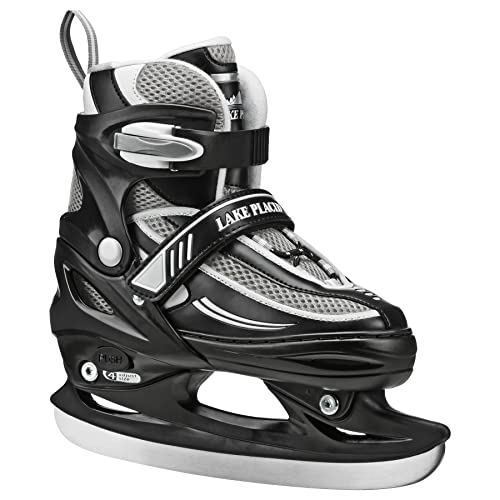
- Push button size adjustable
- Warm, Woven lining and Deluxe comfort Padding.
- Stainless steel blade
Conclusion: Finding the Perfect Figure Skates for Your Child
Choosing the right figure skates builds a foundation for safety and enjoyment. Prioritize proper fit, ankle support, and appropriate skill level. This investment directly impacts your child’s confidence on the ice.
The best choice balances quality, comfort, and your budget. Remember to factor in essential safety gear and maintenance costs. A well-chosen pair supports many happy skating seasons.
Use our detailed guides and comparisons to make an informed decision. Measure carefully, consider adjustable options for growing feet, and prioritize reputable brands. Your child’s skating journey starts with the right equipment.
Now you’re equipped with the knowledge to find the ideal skates. Get ready to watch them glide, spin, and soar with confidence.
Frequently Asked Questions about Kids’ Figure Skates
What is the difference between hockey skates and figure skates for kids?
Figure skates have a longer, flatter blade with toe picks at the front for jumps and spins. Hockey skates have a shorter, more curved blade for quick turns and stops. The boots also differ significantly in design and support.
Figure skate boots offer stiff, high ankle support for lateral stability. Hockey boots are lower cut to allow for deep knee bends and forward flexion. Choose based on the sport your child intends to play.
How often should I sharpen my child’s figure skates?
Most young recreational skaters need sharpening every 20-40 hours of ice time. Aggressive skaters or those on rough ice may need it more frequently. A visual and tactile inspection is the best guide.
Perform the “fingernail test” by gently scraping your nail across the blade edge. If it doesn’t shave off a tiny bit, it’s likely time for a sharpening. Over-sharpening wears down the blade unnecessarily.
What is the best way to break in new figure skates for a child?
Start by having your child wear the skates at home with guards on for short periods. This allows the padding to compress and mold to their foot shape without the pressure of skating. Keep sessions under 30 minutes initially.
On the ice, plan for shorter practice sessions during the first few outings. The break-in process typically takes 5-8 hours of total ice time. Never try to accelerate breaking in with heat or excessive force.
Can I buy used figure skates for my child?
Yes, but exercise extreme caution. Carefully inspect the boots for broken-down ankles (deep creases) and check the blades for rust, pitting, or uneven wear. The skate’s history and fit are major unknowns.
Used skates are best for casual or trial use, not for a dedicated beginner. The cost savings can be negated by immediate need for sharpening or repairs. When in doubt, opt for new or quality adjustable skates.
How do I know when my child has outgrown their figure skates?
Perform the “pencil test” by removing the insole and having your child stand on it. If their toes press firmly at the end or curl over, the skate is too short. Also check for width compression on the sides of the foot.
Signs also include red pressure marks after skating, complaints of toe pain, or a heel that no longer locks securely. Children’s feet can grow rapidly, so check fit every 3-4 months.
What are adjustable ice skates and are they a good option?
Adjustable skates feature a mechanism to extend the boot length, typically covering 3-4 sizes. They are an excellent value solution for rapidly growing toddlers and young children. Brands like Lake Placid and Roces offer popular models.
They provide consistent fit and support across multiple seasons, delaying the need for a new purchase. While not suitable for advanced skating, they are perfect for recreational use and learn-to-skate classes.
Why are my child’s feet hurting in their new figure skates?
Some discomfort during the break-in period is normal, but sharp pain is not. Common causes include skates that are too small, too wide (causing foot slide), or laced incorrectly. “Lace bite” on the front ankle is also frequent.
Ensure a proper fit and try lacing techniques that skip a hook over pressure points. Consider gel ankle sleeves or lace bite pads. Persistent pain warrants a professional fitting assessment.
Which brand of figure skates is best for beginners?
Jackson Ultima and Riedell are the top-recommended brands for beginner youth skaters. Jackson excels in structured ankle support for narrow to medium feet. Riedell often provides a better fit for wider feet with its handcrafted comfort.
Both brands offer specific beginner lines (like Jackson’s Finesse or Riedell’s Soar) with the appropriate boot flexibility and blade design. The “best” brand is the one that fits your child’s unique foot shape correctly.