Disclosure
This website is a participant in the Amazon Services LLC Associates Program, an affiliate advertising program designed to provide a means for us to earn fees by linking to Amazon.com and affiliated sites.
What’s the difference between figure skates and hockey skates? The distinction is crucial for performance and safety. Choosing the wrong type can hinder your progress and increase injury risk on the ice.
This guide solves that problem. We break down the key design differences in blades, boots, and purpose. You’ll get expert tips to make the perfect choice for your skating goals.
Choosing the Wrong Skate Can Hinder Your Ice Experience
Many new skaters face a common dilemma. They pick skates based on looks or price alone, not on their intended use. This mistake leads to frustration, poor performance, and even injury.
Using hockey skates for figure skating spins is nearly impossible. Attempting hockey stops in figure skates can be dangerous. The solution is understanding your primary goal on the ice before you buy.
Quick Fix: Start with a Versatile Recreational Skate
For casual or beginner skaters, a good recreational figure skate offers the best balance. It provides more ankle support than a hockey skate and a blade suitable for basic maneuvers.
These skates are perfect for public sessions and learning fundamentals. A top-rated option like the Jackson Ultima Classic 200-500 Series is a fantastic starting point. You can read our detailed analysis in this Jackson Ultima Classic 200-500 ice skates review.
Jackson Ultima Softec 380 Ice Skates (Women’s)
A great entry-level figure skate designed for comfort and basic skill development.
- Soft, padded boot for immediate comfort
- Stainless steel blade for durability
- Excellent for beginners and recreational use
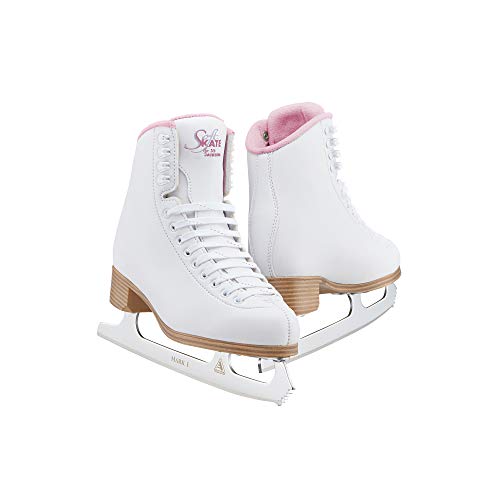
- Womens ice skates with medium recreational support are ideal for learn to…
- Reinforced coated vinyl upper with thick padded rolled collar and lining is…
- Padded felt tongue for girls ice skates and womens ice skates provides…
Check current price on Amazon →
When a Quick Fix Isn’t Enough: Specialized Gear for Serious Goals
If you’re committed to a specific discipline, a general skate won’t suffice. Advancing in figure skating requires skates with specialized stainless steel blades for precise edges and jumps.
For hockey, agility and speed are paramount, demanding a completely different boot and blade design. The key is to match the tool to the task. Explore our guide to the most comfortable ice skates to find high-performance models that don’t sacrifice fit.
Ultimately, making the right choice starts with a clear understanding of the best skates for your skill level and goals.
Blade Design: The Fundamental Difference in Performance
The blade is the soul of an ice skate. Its design dictates everything you can do on the ice. Figure skate blades and hockey skate blades are engineered for completely different movements.
Understanding this distinction is key to choosing the right skate. The wrong blade will limit your ability to perform essential skills. Let’s break down the specific features that set them apart.
Figure Skate Blade Anatomy: Built for Precision and Artistry
Figure skate blades are longer, flatter, and have pronounced toe picks. This design prioritizes stability, edge control, and aerial maneuvers. They are the tools of a dancer and athlete combined.
- Toe Picks (Rakes): These serrated teeth at the front are crucial for jumps and spins. They provide a kicking-off point and help stabilize the skater during intricate footwork.
- Hollow Grind: The blade has a deep concave groove down its center. This creates two distinct edges (inside and outside) for executing precise turns, curves, and stops.
- Rockered Profile: The blade is curved from toe to heel like a rocking chair. This allows for smooth, flowing movements and facilitates spinning on a single point of the blade.
Hockey Skate Blade Anatomy: Engineered for Speed and Agility
Hockey skate blades are shorter, more rounded, and lack toe picks. This design focuses on rapid acceleration, quick turns, and powerful stops. They are built for explosive gameplay.
- No Toe Picks: The absence of toe picks allows for a smoother, faster glide and prevents catching during quick directional changes. It also enables the distinctive hockey stop.
- Aggressive Hollow: Hockey blades also have a hollow grind, but it is often deeper for sharper edges. This provides exceptional bite into the ice for powerful pushes and tight cornering.
- Rocker Radius: The blade curvature is more pronounced, creating a smaller contact patch with the ice. This “rocker” makes the skate highly maneuverable for rapid pivots.
| Feature | Figure Skate Blade | Hockey Skate Blade |
|---|---|---|
| Length | Longer, extends past heel | Shorter, heel is exposed |
| Toe Picks | Yes, large and serrated | No, smooth rounded toe |
| Primary Purpose | Stability, spins, jumps | Speed, agility, quick stops |
| Best For | Artistic expression, technical elements | Fast-paced gameplay, rapid direction changes |
Boot Construction: Support vs. Mobility for Different Sports
The skate boot provides the critical connection between your body and the blade. Its design philosophy differs radically between disciplines. Figure skate boots prioritize rigid support, while hockey boots emphasize flexible mobility.
This fundamental difference in construction directly impacts your comfort and capability. Choosing the wrong boot type can lead to fatigue, poor technique, or injury. Let’s examine the structural elements that define each boot’s purpose.
Figure Skate Boots: Engineered for Maximum Ankle Support
Figure skating boots are tall, stiff, and heavily reinforced. They are designed to support the ankle during high-impact landings from jumps. The materials and construction absorb tremendous force.
- High Ankle Cut: The boot extends well above the ankle bone. This provides lateral support to prevent rolling during one-foot landings and deep edges.
- Stiff Construction: Made of thick leather or synthetic materials with internal reinforcement. This stiffness transfers energy from the leg to the blade with precision.
- Lacing System: Features multiple eyelets and hooks for a secure, customized fit from toe to top. This ensures the foot and ankle are locked in place.
Hockey Skate Boots: Designed for Ankle Flex and Speed
Hockey skate boots are shorter, lighter, and allow for significant ankle flexion. This design enables the low, athletic stance required for powerful skating strides. Speed and agility are the primary goals.
- Low Ankle Cut: The top of the boot sits at or below the ankle bone. This allows for a full range of forward flex, crucial for generating skating power.
- Lightweight & Protective: Made from advanced synthetics like molded nylon or carbon fiber. They are built to be light for endurance while protecting from pucks and sticks.
- Anatomical Fit: Often features a heat-moldable shell that conforms to the player’s foot. This creates a precise, responsive fit for quick edge-to-edge transfers.
How to Choose Based on Your Activity
Your primary activity on the ice should dictate your boot choice. Consider the physical demands of the sport you intend to practice most often.
- For jumps, spins, and dance: The rigid support of a figure skate boot is non-negotiable. It protects your joints and enables technical elements.
- For speed, stops, and game play: The flexible, low-cut design of a hockey skate boot is essential. It allows for the dynamic knee bend and ankle flexion of skating stride.
- For recreational skating: A recreational figure skate offers a good middle ground with moderate ankle support for general stability.
Choosing the Right Skate for Your Skating Style and Goals
Now that you understand the technical differences, the final step is application. Your choice must align with your primary activity on the ice. Using the wrong skate will create a frustrating and potentially unsafe experience.
This decision-making guide focuses on matching the tool to the task. We’ll break down the best skate for common skating disciplines and skill levels. This ensures you invest in gear that supports your progress.
Best Skates for Figure Skating and Artistic Movement
If your goal involves jumps, spins, or choreographed routines, figure skates are mandatory. Their design is integral to executing the sport’s fundamental elements safely and effectively.
- Beginner/Recreational: Start with a supportive recreational figure skate. Look for models with a stainless steel blade and adequate ankle padding.
- Advanced/Competitive: You will need professionally fitted, stiff boots with separate high-quality blades. These are customized to your weight, skill level, and jumping impact.
Never attempt figure skating elements in hockey skates. The lack of toe picks and different blade profile makes jumps dangerous and spins nearly impossible.
Best Skates for Hockey and Speed Skating
For hockey, ringette, or pure speed skating, hockey skates are the only correct choice. Their agility and design are tailored for the fast-paced, multidirectional nature of these sports.
- Forwards & Agile Players: Often prefer a slightly more curved blade rocker for quicker turns and acceleration.
- Defensemen: May opt for a flatter rocker for greater stability and balance during long strides and blocking.
- Recreational Hockey: A well-fitted mid-range hockey skate provides the necessary ankle flex and blade bite for casual play.
Making the Final Decision: A Quick Checklist
Use this actionable checklist to guide your purchase. It consolidates the key differences into a simple decision-making tool.
- Define Your Primary Activity: (e.g., learn figure skating jumps, join an adult hockey league, casual weekend skating).
- Prioritize Key Features: Do you need toe picks and ankle support (Figure) or a low-cut, agile boot (Hockey)?
- Consider Skill Level: Beginners should opt for more supportive, forgiving models within the correct category.
- Focus on Fit: A properly fitted skate of the wrong type is still the wrong skate. First choose the type, then perfect the fit.
Common Myths and Mistakes When Choosing Ice Skates
Many skaters, especially beginners, fall prey to persistent myths about skate selection. These misconceptions can lead to poor purchases and a negative skating experience. Debunking them is crucial for making an informed decision.
This section addresses the most frequent errors we see. Understanding these pitfalls will help you avoid wasting money and time. Let’s separate skating fact from fiction.
Myth 1: “Hockey Skates Are Faster, So They’re Better for Everyone”
This is a dangerous oversimplification. While hockey skates are designed for explosive acceleration, “faster” isn’t better if it compromises control and safety for your activity.
- The Reality: Speed comes from technique, not just equipment. A beginner in hockey skates will lack the ankle support needed for balance, often leading to a slower, more cautious skate.
- The Verdict: Choose skates for control first. The right skate for your discipline will feel stable, allowing you to develop proper technique and build speed safely.
Myth 2: “Figure Skates Are Too Heavy and Clunky for Fun Skating”
Modern recreational figure skates are engineered for comfort and ease of use. The perception of heaviness often comes from outdated designs or improperly fitted high-level skates.
- The Reality: Brands like Jackson and Riedell make excellent recreational models that are lightweight and flexible. They provide the perfect balance of support and comfort for public sessions.
- The Verdict: For general skating, a well-fitted recreational figure skate offers superior stability and confidence compared to a hockey skate, making the experience more enjoyable.
Myth 3: “You Can Learn the Basics in Either Type of Skate”
While you can physically stand and glide in both, learning sport-specific fundamentals requires the correct tool. The basics of hockey and figure skating are fundamentally different.
Attempting to learn a hockey stop in figure skates is ineffective and risky. Similarly, learning a two-foot spin in hockey skates is extraordinarily difficult without a toe pick.
| Common Belief | The Reality | Best Action |
|---|---|---|
| “I’ll just get hockey skates; they’re cooler.” | Cool doesn’t equal capable. You’ll struggle with basic balance. | Choose for your intended use, not aesthetics. |
| “I can switch later when I get better.” | Learning bad habits in the wrong skate will hinder future progress. | Start correctly to build proper muscle memory from day one. |
| “They’re just for going around in circles.” | Even recreational skating benefits from the stability of a purpose-built skate. | Select a supportive recreational figure skate for casual use. |
Maintenance and Care: How Upkeep Differs Between Skate Types
Proper maintenance is essential for performance, safety, and longevity. The care routines for figure skates and hockey skates have important distinctions. Neglecting these can dull blades, damage boots, and shorten your skate’s life.
Understanding these differences ensures your investment is protected. It also keeps you performing at your best every time you step on the ice. Let’s explore the key maintenance tasks for each type.
Figure Skate Specific Care: Protecting the Blade and Boot
Figure skate maintenance focuses on the delicate toe picks and the long, flat blade surface. The tall leather boot also requires consistent attention to retain its shape and support.
- Blade Drying & Guards: Always dry blades thoroughly after use to prevent rust. Use soft, absorbent soakers, not hard plastic guards, for storage. Plastic guards trap moisture and cause rust.
- Toe Pick Inspection: Regularly check toe picks for damage or excessive wear. Chipped or bent picks can affect jump take-offs and landings, requiring professional sharpening.
- Boot Care: Use leather conditioner on traditional leather boots to prevent drying and cracking. Always unbuckle and loosen laces fully after skating to maintain the boot’s structure.
Hockey Skate Specific Care: Managing Moisture and Sharpness
Hockey skate care prioritizes moisture control due to intense sweating and frequent sharpening needs. The synthetic materials and shorter blade require a different approach.
- Drying is Critical: Remove the footbeds (insoles) after every use to air out the boot. Use a dedicated skate dryer or stuff boots with newspaper to absorb sweat and prevent odor and deterioration.
- Sharpening Frequency: Hockey blades require more frequent sharpening than figure blades due to the aggressive stops and turns that wear down the edges quickly. The hollow (groove) depth is a key sharpening specification.
- Runner Replacement: Hockey skate blades (runners) are often replaceable. When the steel becomes too short from repeated sharpenings, you can buy new runners instead of entirely new skates.
Shared Maintenance Essentials for All Skates
Regardless of type, all ice skates demand these core care practices. Implementing this routine will significantly extend their usable life.
- Wipe Down After Use: Use a dry towel to remove ice shavings and moisture from blades and boots immediately after leaving the ice.
- Professional Sharpening: Have blades sharpened by a qualified technician who understands the specific hollow/radius for your skate type and activity level.
- Proper Storage: Store skates at room temperature in a breathable bag. Avoid leaving them in a hot car or damp environment, which warps boots and promotes rust.
Expert Tips for Trying On and Fitting Your New Skates
The perfect skate is a combination of the correct type and a flawless fit. Even the best skate will underperform if it doesn’t fit your foot properly. A proper fitting session is non-negotiable for comfort, control, and injury prevention.
These expert tips apply whether you’re buying figure skates or hockey skates. They will help you navigate the fitting process with confidence. Follow this guide to ensure your new skates feel like an extension of your body.
Pre-Fitting Preparation: What to Bring and Know
Walking into a fitting unprepared can lead to a poor outcome. A little planning ensures the professional can help you find the ideal skate.
- Wear the Right Socks: Bring or wear the thin, moisture-wicking socks you plan to skate in. Never try on skates with thick cotton socks, as this leads to buying a size too large.
- Know Your Measurements: Have your foot length and width measurements handy. Remember, skate sizes are typically 1-1.5 sizes smaller than your regular shoe size.
- Consider Your Skill Level: Be honest about your ability. Beginners need more forgiving fits, while advanced skaters require a precise, performance-oriented fit that may feel snug initially.
The Fitting Process: What a Proper Fit Feels Like
A proper skate fit is different from a comfortable shoe fit. Your heel should be locked in place with no lift, and your toes should lightly brush the front of the boot when standing straight.
- Heel Lock Test: Lace up the skates snugly and stand on a flat surface. Your heel should not slip up and down when you bend your knees.
- Toe Touch Test: With laces tight, stand straight. Your toes should just touch the front lining. When you bend your knees into a skating stance, your toes should pull back slightly.
- Width & Pressure Check: The sides of your foot should feel snug and supported, not pinched. There should be no points of sharp pain or excessive pressure on the ankle bones.
Post-Fitting: Breaking In Your Skates Safely
New skates require a careful break-in period to mold to your feet. Rushing this process can cause blisters and discourage you from skating.
- Start at Home: Wear your new, fully laced skates with hard guards on for short periods (15-30 minutes) indoors. This helps the boot begin to form to your foot’s shape.
- Gradual Ice Time: For your first few ice sessions, limit skating to 30-45 minutes. This allows your feet and the boots to adjust without over-stressing either.
- Listen to Your Feet: Minor stiffness is normal. Persistent, sharp pain is not. If pain continues after a few short sessions, consult your fitter about potential adjustments or a different model.
Cost Analysis and Investment: What to Expect for Each Skate Type
Understanding the cost structure for figure skates and hockey skates helps you budget effectively. Prices vary widely based on materials, technology, and intended use level. A higher price tag typically reflects better performance, durability, and support.
This breakdown will give you realistic expectations for your investment. We’ll cover entry-level to advanced options for both categories. Remember, the right skate is an investment in your safety and progress.
Figure Skate Price Ranges and What You Get
Figure skates are often sold as a boot-and-blade combo or as separate components. This flexibility affects pricing and customization.
- Recreational/Beginner ($50 – $150): All-in-one combo skates with a basic stainless steel blade permanently attached. Suitable for casual public skating and introductory lessons.
- Intermediate ($200 – $500): Better-quality leather boots with more support, often paired with an entry-level separate blade (e.g., MK or Coronation Ace). For skaters learning single jumps.
- Advanced/Competitive ($600+): Custom-fitted, stiff boots and high-end separate blades (e.g., Pattern 99, Gold Seal). Designed for double/triple jumps and elite performance. Boots and blades are priced separately.
Hockey Skate Price Ranges and Key Features
Hockey skates are sold as complete units, with price driven by materials, stiffness, and technological features for performance and protection.
- Recreational/Beginner ($50 – $150): Basic synthetic boots with minimal ankle support and lower-grade steel. Good for occasional pond or rink skating.
- Intermediate ($200 – $400): Thermally formable boots for better fit, improved steel holders, and more protective features. Ideal for league players and serious enthusiasts.
- Advanced/Elite ($500+): Lightweight, high-stiffness boots (often carbon fiber), with advanced moisture management and top-tier stainless steel blades. Built for competitive play and maximum energy transfer.
Long-Term Value and Cost of Ownership
The initial purchase is just part of the cost. Consider these ongoing expenses for a true total cost of ownership.
| Cost Factor | Figure Skates | Hockey Skates |
|---|---|---|
| Sharpening | Less frequent, but requires a tech familiar with figure profiles and toe picks. | More frequent due to aggressive use. Focus is on hollow depth and edge consistency. |
| Blade Replacement | Blades can be replaced but are a significant cost. Boots often outlast multiple blades. | Runners (steel) are replaceable at a moderate cost. The boot is the primary long-term component. |
| Boot Life | High-level boots break down from jump impact. Recreational boots last many seasons with care. | Break down from flex and sweat. Higher-end materials extend lifespan significantly. |
Best Ice Skates for Different Needs – Detailed Comparison
Based on performance, value, and user feedback, these three models stand out for specific purposes. Each represents an excellent choice within its category, balancing quality features with appropriate pricing.
Jackson Ultima Softec Vista- Best for Recreational Figure Skating
Ideal for beginners and casual skaters, the Softec Vista offers immediate comfort with its soft, padded boot. It features a stainless steel blade for durability and good edge retention. This model provides the essential ankle support of a figure skate without the stiffness of advanced models, making it perfect for public sessions and learning basics.

- Lightweight & modern design to provide support and comfort
- Microfiber upper for strength and durability
- Factory sharpened Ultima Mark I blades attached
CCM Jetspeed FT880 – Best for Intermediate Hockey Players
The FT880 delivers elite-level technology at a mid-range price. Its heat-moldable boot ensures a precise, responsive fit, while the high-quality steel runner offers excellent energy transfer. This skate is built for players seeking agility, speed, and powerful strides in league play without the premium price tag of top-tier models.
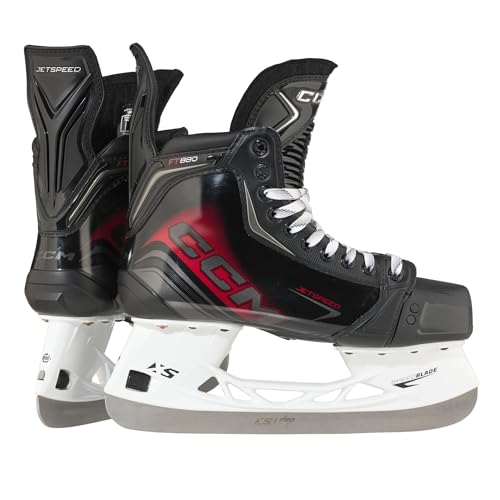
- Integrated Boot Design: Enhances stride efficiency and offers a closer fit…
- Revised Forward Pitch: New angle promotes a more natural attack position,…
- Totaldri Pro Lining: Keeps feet dry, reduces odor, and maintains a…
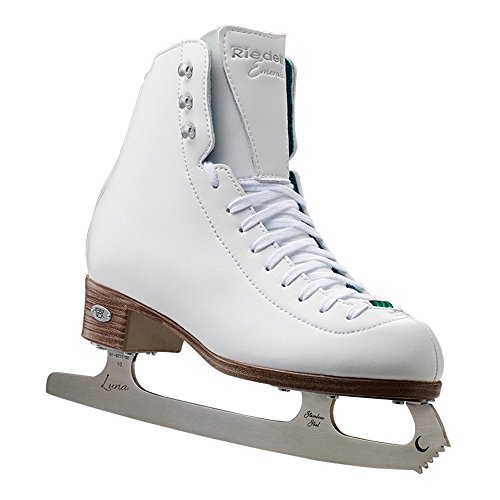
Riedell 119 Emerald – Best for Aspiring Figure Skaters
A step-up skate for skaters progressing beyond basics, the Citizen features a reinforced leather boot for more support on jumps and spins. It comes paired with a reliable Mark IV blade. This combination offers the improved performance needed for single jumps and deeper edges, representing a smart investment for dedicated students.
Conclusion: Making the Right Choice Between Figure and Hockey Skates
The difference between figure skates and hockey skates is fundamental. It comes down to blade design, boot construction, and intended use. Choosing correctly is essential for your safety, performance, and enjoyment on the ice.
Remember this key takeaway: match the skate to your primary activity. Use figure skates for artistic elements and stability. Choose hockey skates for speed, agility, and quick stops.
Use the detailed comparisons and fitting tips in this guide to make an informed decision. Visit a professional fitter to try on models from both categories.
With the right skates on your feet, you’re ready to confidently pursue your passion on the ice.
Frequently Asked Questions about Figure Skates and Hockey Skates
What is the main difference between figure skates and hockey skates?
The main difference is the blade design and boot construction. Figure skates have long blades with toe picks for jumps and spins, plus tall, stiff boots for ankle support. Hockey skates have short, rounded blades without toe picks for quick stops, and low-cut, flexible boots for speed and agility.
This fundamental design makes each skate type specialized for its sport. Using the wrong type will significantly hinder your ability to perform that activity’s core skills safely and effectively.
Can you use hockey skates for figure skating?
No, you cannot properly perform figure skating in hockey skates. The lack of toe picks makes executing jumps and spins extremely difficult and dangerous. The different blade profile and rocker also prevent the precise edge control needed for figure skating maneuvers.
While you can glide on the ice, attempting figure skating elements in hockey skates is not recommended. It limits skill development and increases the risk of injury from failed take-offs or landings.
Can you use figure skates for hockey?
Figure skates are not suitable for playing hockey. The tall, stiff boot restricts the ankle flexion needed for a powerful skating stride and low athletic stance. The toe picks can catch on the ice during quick direction changes, causing falls.
Furthermore, the blade design is not optimized for the explosive acceleration and sharp hockey stops required in the game. Hockey players need the specific mobility and design of hockey skates.
Which type of skate is easier for beginners to learn on?
For absolute beginners focused on general skating, recreational figure skates are often easier. The longer blade provides more stability for balance, and the toe pick can prevent tipping backwards. The extra ankle support also helps new skaters feel more secure.
However, if the beginner’s sole goal is to play hockey, starting with basic hockey skates is best. This allows them to develop the proper stance and muscle memory for that sport from day one.
Why do figure skates have toe picks but hockey skates don’t?
Figure skates have toe picks (or “rakes”) to assist with jumps and spins. Skaters use the picks to vault into the air for jumps and to anchor themselves during spins. They are essential tools for the sport’s technical elements.
Hockey skates omit toe picks to enable smooth, fast gliding and to prevent catching on the ice during rapid stops and turns. A toe pick would be a hazard in the fast-paced, multidirectional gameplay of hockey.
How do I know if my skates fit properly?
A proper skate fit is snug, not painful. Your heel should be locked in place with no lift when you bend your knees. Your toes should lightly brush the front of the boot when standing straight, then pull back slightly into a skating stance.
There should be no pinching or pressure points on the sides or ankle bones. Remember, skate sizes are typically 1-1.5 sizes smaller than your regular street shoe size for optimal control.
What is the best way to break in new ice skates?
The best method is a gradual process. First, wear the fully laced skates with hard guards on indoors for short 15-30 minute periods. Then, limit your initial ice sessions to 30-45 minutes to allow the boot to mold to your foot shape without causing blisters.
Always wear thin, moisture-wicking socks and ensure your skates are laced snugly. Minor stiffness is normal, but persistent sharp pain indicates a potential fit issue that should be addressed by a professional.
Can I get my hockey skates sharpened for figure skating?
No, you cannot sharpen a hockey skate to function like a figure skate. The sharpening process for hockey skates only affects the hollow (groove) of the blade’s edges. It cannot create the flat spin rocker, long profile, or toe picks of a figure skate blade.
The fundamental shape and structure of the two blades are manufactured differently. A sharpening cannot change the blade’s core design or intended purpose.