Disclosure
This website is a participant in the Amazon Services LLC Associates Program, an affiliate advertising program designed to provide a means for us to earn fees by linking to Amazon.com and affiliated sites.
Choosing between figure skates and speed skates depends entirely on your skating goals. They are engineered for completely different disciplines on the ice. Picking the wrong type can hinder your progress and enjoyment.
This guide solves the confusion by comparing their designs and purposes. You’ll get a clear, actionable framework to make the best choice for your needs. We break down the key differences that matter most.
The Core Problem: Choosing Skates for the Wrong Activity
Many new skaters make a critical error. They buy skates based on looks or a single feature, not their intended use. This leads to frustration, poor performance, and even injury.
Figure skates are built for control, jumps, and spins. Speed skates are designed for one thing: going fast in a straight line. Using the wrong tool for the job holds you back from day one.
Quick Fix: Start with a Versatile Recreational Skate
If you’re just beginning or skate casually for fun, a recreational figure skate is often the best starting point. These offer a balance of ankle support and maneuverability for general ice rink use.
A great entry-level example is the Lake Placid Nitro 8.8 Adjustable Ice Skates. They are a solid choice for families and beginners.
- Adjustable Fit: Grows up to four sizes, perfect for growing kids or sharing.
- Recreational Blade: Provides good stability for learning basic strides and stops.
- Warm Lining: Offers comfort for extended public skating sessions.
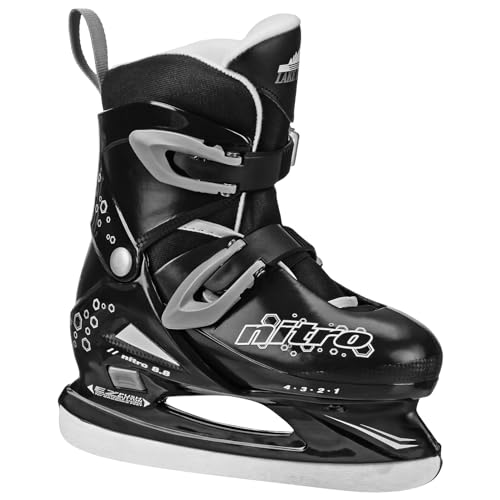
- BOOT Molded Shell with Hinged Cuff
- LINING Washable Comfort Fill Liner
- CLOSURE Locking Quick Fit Buckles for Stability and Easy On and Off
Check current price on Amazon →
For more dedicated beginners, our guide to the most comfortable ice skates highlights models that prioritize a pain-free break-in period.
When a Quick Fix Isn’t Enough: Diving Deeper
The simple recommendation above works for casual skating. But what if your goals are more specific? You need to match the skate’s engineering to your ambition.
If you dream of graceful turns and spins, true figure skates like the Bladerunner Ice Diva are the next step. Their toe picks and rockered blades enable advanced moves.
Conversely, if speed is your only metric, recreational skates won’t suffice. You’ll need to research dedicated speed skate designs. For most adults starting their journey, however, a well-made recreational or beginner figure skate is ideal. Explore our roundup of the best recreational ice skates for women for targeted options.
Key Design Differences: Blades, Boots, and Purpose
Understanding the engineering behind each skate type is crucial. The differences go far beyond appearance. They dictate every movement you can make on the ice.
These design choices create two specialized tools. One is for artistic expression and technical control. The other is for pure aerodynamic speed.
Blade Design: Toe Picks vs. Long Flats
The blade is the most critical point of differentiation. It is the direct interface between you and the ice. Its shape defines your skating possibilities.
- Figure Skate Blades: Have a pronounced curvature (rocker) and toe picks at the front. The rocker allows for tight spins and turns. The toe picks are essential for jumps and certain footwork.
- Speed Skate Blades: Are much longer and flatter. They have no toe pick. This maximizes blade contact with the ice for powerful, efficient pushes. The blades are also mounted on a hinge for a longer, more natural stride.
Boot Construction: Support vs. Flexibility
The boot provides the foundation. Its stiffness and height are optimized for vastly different physical demands. Ankle support is a key factor.
Figure skate boots are high and very stiff. They provide essential ankle support for landing jumps from great heights. This stiffness transfers energy directly to the blade for precise control.
Speed skate boots are cut low, typically below the ankle bone. They are made of lightweight, form-fitting materials like carbon fiber. This design prioritizes maximum ankle flexion and minimizes weight for faster leg movement.
| Feature | Figure Skates | Speed Skates |
|---|---|---|
| Primary Goal | Control, Jumps, Spins | Straight-Line Speed |
| Blade | Rocker, Toe Picks | Long, Flat, No Toe Pick |
| Boot Height | High, Stiff Ankle Support | Low Cut, Ankle Flexibility |
Performance and Movement Profile
These designs result in completely different on-ice experiences. Your choice locks you into a specific movement profile.
Figure skates enable multi-directional movement. You can move forward, backward, and sideways with equal ease. They are designed for complex footwork, edges, and sudden changes in direction.
Speed skates are built for forward motion efficiency. They excel on long, wide ovals. Turning requires a deep, leaning cross-over technique because of the long, flat blade.
How to Choose: Matching Skates to Your Skating Goals
Now that you understand the differences, the choice becomes clearer. Your decision should be driven by your primary activity on the ice. Ask yourself what you truly want to do.
This section provides a direct decision-making framework. Follow these guidelines to select the perfect skate type for your ambitions. It will help you avoid costly and frustrating mistakes.
Choose Figure Skates If…
Figure skates are the versatile choice for most recreational and artistic skaters. They are designed for a wide range of movements beyond just forward speed.
- You are a beginner learning the basics: Recreational figure skates offer the stability and forgiveness needed to learn stops, strides, and simple turns safely.
- You enjoy public skating sessions: Their design allows for navigating crowds, moving in multiple directions, and having fun with friends and family.
- You want to learn spins, jumps, or dance: The toe picks and rockered blade are non-negotiable for these artistic elements. They are essential for any formal figure skating lessons.
Choose Speed Skates If…
Speed skates are a highly specialized tool. They are not suitable for general ice rink use. Choose them only for a specific, speed-focused purpose.
- You are training for speed skating as a sport: This is the only reason to choose speed skates. They are used in dedicated oval track training and competition.
- Your sole focus is maximizing straight-line velocity: Every design element sacrifices control and maneuverability for aerodynamic efficiency and powerful stride extension.
- You have access to a long-track or short-track oval: These skates are dangerous and impractical on a crowded public rink. They require the space of a dedicated speed skating track.
For 95% of skaters: Start with a recreational or beginner figure skate. They provide the best balance of safety, control, and versatility for learning and fun.
For specialized athletes: Only invest in speed skates if you are formally training in the sport on a proper oval track. Do not use them for general skating.
Consider Your Skill Level and Commitment
Your experience is a major factor. A beginner will have different needs than an advanced skater. Be honest about your current level and future goals.
New skaters should prioritize support and stability. A well-fitted recreational figure skate is ideal. As skills advance, you can upgrade to more specialized boots and blades.
Never start with speed skates as a novice. Their low cut and long blade make balance extremely difficult. This greatly increases the risk of serious ankle injury for a beginner.
Essential Fit and Sizing Considerations for Both Types
Choosing the right type of skate is only half the battle. A perfect fit is equally critical for performance, safety, and comfort. Poorly fitted skates can cause blisters, pain, and hinder skill development.
While the fit principles differ slightly between disciplines, the goal is the same: a secure, responsive connection to your boot. Never sacrifice proper fit for style or a perceived deal.
How Figure Skates Should Fit
Figure skates require a snug, performance-oriented fit. Your foot should not slide inside the boot. This ensures precise control over the blade’s edges.
- Snug Heel Lock: Your heel must be held firmly in place with zero lift when you bend your knees. This is the most important fit factor.
- Toe Contact: Your toes should gently brush the front of the boot when standing straight. They will pull back slightly into a “pinky toe width” of space when you bend into a skating knee.
- Ankle Support: The stiff sides should hug your ankles without causing painful pressure points. Properly fitted new skates will require a break-in period.
How Speed Skates Should Fit
Speed skate fit is even more precise and intimate. The goal is to create a seamless extension of your foot and leg. Any movement inside the boot wastes energy.
- Custom Molded Feel: High-end speed skates are often heat-molded to the skater’s foot. They fit like a second skin with no empty space.
- Toe-to-End Precision: The fit is extremely tight, with toes often right at the very end of the boot shell. This maximizes power transfer.
- Ankle Freedom: The low cut allows for full, unrestricted ankle flexion. The boot should not impede the forward lean of the skater.
Skate sizes are not shoe sizes. Ice skates typically fit 1 to 1.5 sizes smaller than your regular street shoes. Always refer to the manufacturer’s specific size chart and measure your foot in centimeters for the most accurate result.
The Critical Role of Professional Fitting
For your first serious pair, a professional fitting is highly recommended. This is especially true for children and anyone moving beyond basic recreational skates.
A good fitter will measure both feet, assess your arch, and consider your skill level. They can also make minor adjustments like punching out pressure points. This service can be found at dedicated skate shops or pro shops at ice rinks.
Investing in a proper fit prevents injuries and ensures your skates are a tool for progress, not a source of pain. It is the final, crucial step in making the right choice.
Maintenance and Care: Keeping Your Skates Performance-Ready
Your investment in the right skates doesn’t end at purchase. Proper maintenance is essential for safety, performance, and longevity. Different skates have unique care requirements.
Neglecting maintenance leads to dull blades, rust, and degraded boot materials. A simple routine will keep your skates in top condition for years. Follow these discipline-specific guidelines.
Caring for Figure Skate Blades and Boots
Figure skate care focuses on blade sharpness and protecting the boot’s structure. Moisture is the enemy of both metal and leather.
- Dry Blades Thoroughly: After every use, wipe blades completely dry with a soft, absorbent cloth. This prevents rust and pitting on the steel.
- Use Soft Guards Off-Ice: Only use terrycloth soakers for storage and transport. Hard plastic guards trap moisture and will dull your blades if walked on.
- Protect the Boot: Allow boots to air dry away from direct heat. Use a boot tree or crumpled newspaper inside to absorb moisture and maintain shape.
Caring for Speed Skate Blades and Boots
Speed skate maintenance is even more critical due to the precision of the long blade. Any imperfection can drastically affect glide and stability at high speeds.
- Meticulous Drying: The entire blade length must be dried immediately. Even a small patch of rust can ruin the flat running surface.
- Specialized Sharpening: Speed skate sharpening requires a specific flat grind and edge angle. This must be done by a technician experienced with speed skates, not a standard figure skate sharpener.
- Lightweight Material Care: Clean the carbon fiber or composite uppers with a damp cloth. Avoid harsh chemicals that could degrade the resins or adhesives.
- Dry: Wipe down blades and boots after every single use.
- Guard: Use soft soakers for storage; use hard guards only when stepping off the ice directly onto a bench.
- Sharpen: Get blades professionally sharpened based on use, not a set schedule (e.g., every 20-40 hours of ice time).
- Store: Keep skates at room temperature in a breathable bag, never in a car trunk or damp basement.
When to Seek Professional Sharpening
Don’t wait until you’re slipping all over the ice. Learn to recognize the signs of dull blades. This preserves the ice quality and your safety.
For figure skates, you’ll feel a loss of grip on edges and pushes may feel slippery. For speed skates, you may feel a loss of “bite” during pushes or instability on straights.
Establish a relationship with a qualified skate technician. They can assess your blades and provide the correct hollow or flat grind for your discipline and weight.
Cost Analysis and Investment for Beginners vs. Advanced Skaters
Budget is a major factor in any equipment purchase. The cost spectrum for ice skates is wide, varying by type, brand, and performance level. Understanding what you’re paying for helps you spend wisely.
You don’t need the most expensive skates to start. However, investing too little in poorly made skates can hinder progress. This breakdown helps you navigate price points.
Entry-Level and Recreational Skate Costs
For beginners and casual skaters, quality recreational skates offer the best value. They provide durability and adequate support without a high price tag.
- Budget Range ($50 – $150): This covers most adjustable skates and basic recreational models. They are fine for occasional public skating but may lack support for serious skill development.
- Recommended Beginner Range ($150 – $300): Here you find better-constructed boots with more support and decent stainless steel blades. This is the sweet spot for new skaters committed to learning.
- What You Get: Durable synthetic materials, adequate ankle support, and blades that hold a sharpening. They are designed for comfort and learning fundamentals.
Advanced and Specialized Skate Costs
As skills progress, equipment becomes more specialized and costly. Advanced skates are performance tools with premium materials.
- Intermediate/Advanced Figure Skates ($300 – $800+): Features include heat-moldable leather boots, upgraded blades with separate mounting, and advanced support for jumps. Price escalates with skill level.
- Speed Skate Investment ($500 – $2000+): Entry-level clap skate setups start around $500. High-end custom carbon fiber boots and hand-forged blades represent a major investment for competitive athletes.
- What You Pay For: Lighter weight, superior energy transfer, custom fit, and materials that withstand intense athletic stress. These are not for beginners.
For your first real pair: Allocate your budget to the boot first. A properly supportive boot is more important than a fancy blade at the beginner level. You can upgrade blades later.
Avoid “Skate in a Box” Kits for serious training. They often pair a stiff-looking boot with a very low-quality blade, offering poor performance despite a higher price.
Total Cost of Ownership Considerations
The initial purchase is just part of the cost. Factor in ongoing maintenance to understand the true investment.
Regular professional sharpening costs $10-$25 per session. Protective gear, skate bags, and blade guards add to the start-up cost. For children, consider growth and potential resale value of quality brands.
Investing in a well-fitted, reputable brand from the appropriate level often saves money long-term. It prevents the need for a quick, costly upgrade due to poor performance or discomfort.
Common Mistakes to Avoid When Buying Ice Skates
Even with the right information, skaters often fall into predictable traps. These mistakes can lead to buyer’s remorse, discomfort, and stalled progress. Awareness is your best defense.
From fit errors to misguided feature chasing, these pitfalls are easily avoided. Learn from the common errors of others to make a confident, informed choice for your first or next pair.
Mistake 1: Prioritizing Style Over Function
It’s tempting to choose the flashiest or most colorful skate. However, aesthetics should never trump technical specifications and proper fit.
- The Trap: Buying a skate because it “looks cool” or matches an outfit, ignoring its intended use (e.g., a fashion-forward boot for advanced jumps).
- The Solution: Let your skating discipline and skill level dictate the model. A proper fit and correct blade are invisible but fundamental to performance.
- Example: Choosing a white leather boot designed for a 100-pound advanced skater when you are a 180-pound beginner. The boot will break down prematurely and offer inadequate support.
Mistake 2: Buying the Wrong Size
This is the most frequent and damaging error. Assuming your shoe size is your skate size leads to painful, unstable skating.
- The Trap: Purchasing skates that are too large “to grow into” or for thick socks. This causes heel lift, blisters, and a complete lack of control.
- The Solution: Always measure your foot in centimeters and consult the brand’s specific size chart. Remember: skates should fit snugly, not comfortably like shoes.
- Pro Tip: Wear the thin socks you intend to skate in when trying on skates. Never plan to wear multiple pairs of thick socks for warmth; use proper thermal skate socks instead.
A new skate should feel snug but not painfully crushing. While stiff boots require a break-in period for flexibility, they should not cause numbness, burning, or sharp pain. “Breaking in” does not mean stretching a boot that is clearly too small or narrow.
Mistake 3: Ignoring Your True Skill Level
Buying skates for the skater you aspire to be, rather than the skater you are, is counterproductive. Equipment that is too advanced can be dangerous.
A beginner in a stiff, advanced boot will struggle to bend their knees properly. Conversely, an advanced skater in a soft recreational boot risks ankle injury from inadequate support.
Be honest about your current abilities. Choose skates that match your present skill level to support safe and effective progression. You can always upgrade later.
Best Ice Skates for Different Goals – Detailed Comparison
Selecting the right model is crucial. Here are three top-rated skates, each excelling in a specific category. These recommendations are based on performance, value, and user feedback for their intended use.
Riedell Soar Ice Skate – Best for Beginner Adults
The Riedell Soar offers exceptional value for new adult skaters. It features a supportive, cushioned boot and a durable stainless steel blade. This combination provides the stability needed to learn fundamentals comfortably. It’s the ideal upgrade from rental skates.
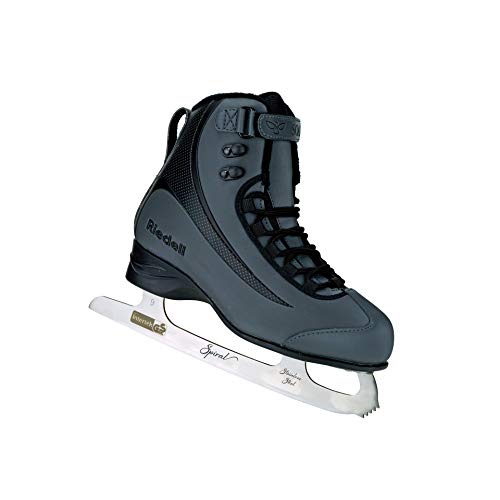
- ENDLESSLY COMFORTABLE: These modern ice skates for women and men have a…
- GREAT SUPPORT: This ice skate set offers light support to keep you stable…
- KEEP YOU SAFE & DRY: These beginner ice skates have safety in mind by…
Jackson Ultima Mystique JS1490 – Best for Aspiring Figure Skaters
Designed for developing skills, the Jackson Mystique JS1490 has a slightly stiffer boot to support early jumps and spins. Its Aspire XP blade offers a better rocker for turns than entry-level models. This is the perfect skate for skaters progressing through basic freestyle levels.

- BUNDLE: Jackson Ultima Mystique Figure Ice Skates with Guardog Skate Guards
- PLEASE USE SIZING GUIDE TO CHOOSE A PROPER SIZE (SEE THE SECOND PICTURE)
- Jackson Support Rating: Light Support – Level 15 (for Women’s skates),…
Bauer S21 Youth Adjustable Skate – Best Adjustable for Growing Kids
The Bauer S21 series solves the problem of rapidly growing feet. It adjusts up to four full sizes with a simple tool, ensuring a proper fit longer. The warm lining and supportive design make it a practical and cost-effective choice for youth recreational skating.

Conclusion: Making the Right Choice Between Figure and Speed Skates
The choice between figure skates and speed skates defines your ice experience. Figure skates offer versatility for learning, artistry, and recreation. Speed skates are specialized tools solely for track racing.
For most skaters, recreational figure skates are the clear starting point. They provide the control and safety needed to build foundational skills. Only invest in speed skates if you are committed to that specific sport.
Use our comparison guide as your decision-making framework. Prioritize proper fit and match the skate to your true skill level and goals. Your perfect pair is the one that supports your journey on the ice.
Now you’re equipped with the knowledge to choose confidently. Lace up and enjoy the glide!
Frequently Asked Questions about Figure Skates vs. Speed Skates
What is the main difference between figure skates and speed skates?
The core difference is their purpose and blade design. Figure skates have toe picks and a curved blade for jumps, spins, and multi-directional control. Speed skates have a long, flat blade with no toe pick, designed solely for maximizing straight-line speed on an oval track.
This fundamental design creates completely different skating experiences. Figure skates are versatile for the general rink, while speed skates are highly specialized racing equipment.
Can I use speed skates for recreational or public skating?
No, you should not use speed skates for public skating. They are dangerous and impractical in a crowded rink. Their low-cut design offers no ankle support for turns or stops, and the long blade makes maneuvering around others very difficult.
Using speed skates outside of a dedicated speed skating environment significantly increases your risk of ankle injury. They are not designed for the stop-and-start nature of public sessions.
How do I know if I need figure skates or hockey skates?
Choose figure skates if you want to learn spins, jumps, or skate recreationally with more stability. The toe pick and longer blade help with balance. Choose hockey skates if your goal is to play ice hockey, as they are lighter and allow for quicker, agile movements.
For a beginner just learning to skate, figure skates often provide an easier learning curve due to their longer blade and toe pick for balance. Hockey skates have a rockered blade for agility but no toe pick.
Why are speed skate blades so long and flat?
The long, flat blade maximizes contact with the ice. This creates a longer, more powerful push with each stride, which is essential for generating and maintaining high speed. The design minimizes friction and allows for a smoother, more efficient glide.
This blade geometry is optimal for the long, sweeping strides used in speed skating. It is the opposite of the short, rockered blade on figure skates, which is designed for tight turns and pivots.
What should a beginner look for in their first pair of ice skates?
Beginners should prioritize a proper fit, good ankle support, and a durable stainless steel blade. Look for recreational or beginner-level figure skates that are snug but not painful. Avoid skates that are too stiff or advanced for your current skill level.
The most important factor is a secure heel lock to prevent blisters and ensure control. Don’t buy skates that are too large “to grow into,” as this will hinder your ability to learn proper technique.
Can figure skaters become speed skaters, and vice versa?
Yes, athletes can transition between disciplines, but it requires significant adjustment. The techniques, muscles used, and equipment feel are vastly different. A figure skater moving to speed skates must learn a new stride and adapt to the lack of ankle support and toe pick.
Similarly, a speed skater trying figure skating must learn to use edges and toe picks. The crossover requires dedicated re-training, as the skills are not directly transferable despite both being on ice.
How often should I sharpen my ice skates?
Sharpening frequency depends on use. For recreational skaters, every 20-40 hours of ice time is typical. Competitive skaters may sharpen them weekly or before major events. Dull blades will feel slippery and lack grip on the ice.
Listen to your skates and your feel on the ice. If you’re slipping out of edges or pushes feel weak, it’s likely time for a sharpening. Always use a professional sharpening service familiar with your skate type.
What is the best way to break in new figure skates?
Break in new skates gradually by wearing them at home for short periods with the blade guards on. Flex your knees and ankles to soften the stiff material. Then, use them for short, gentle skating sessions, increasing duration over 2-3 weeks.
Never try to break in skates with an intense, multi-hour session. This causes painful blisters and can damage the boot’s structure. Properly broken-in skates should mold to your foot without causing hot spots or numbness.