Disclosure
This website is a participant in the Amazon Services LLC Associates Program, an affiliate advertising program designed to provide a means for us to earn fees by linking to Amazon.com and affiliated sites.
Skate bearings can fail fast, sometimes within just ten sessions. I’ve seen this happen with new skaters who wonder why their wheels suddenly feel rough or slow.
The truth is that manufacturing debris and factory grease often cause early breakdowns. Many stock bearings arrive packed with thick oil meant for storage, not performance, and this traps dirt right from the start.
Stop Bearing Breakdown Now
Cheap bearings let dirt in and grease out, so they seize or wobble after just a few rides. The Naivskb Precision 608 Bearings use tight seals and smooth steel to keep your wheels spinning freely session after session. This stops the grinding noise and sloppy roll that ruins your skating.
Grab the set that ended my bearing headaches for good: Naivskb Precision 608 Bearings 8mm 16 Pack Neon Purple
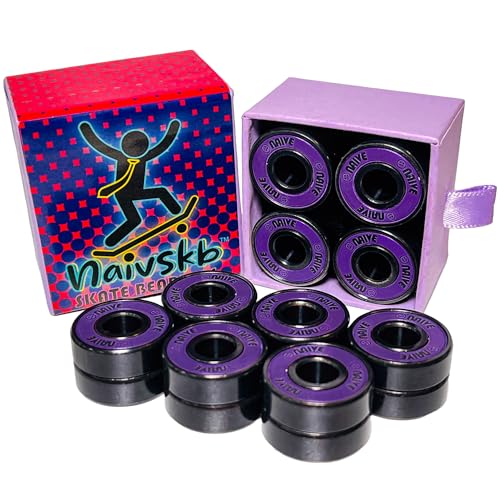
- ALL SKATES FIT: Set of 16 precision 608 bearings, 8x22x7mm size, 22mm outer...
- PREMIUM MATERIALS: Fabricated with high-quality chrome bearing steel, with...
- SKATE LONGER: Black oxidation surface, sleekness, easy lubrication, built...
Why Bearing Failure Matters More Than You Think
When bearings break down after just ten skates, it is not just annoying. It can actually be dangerous, especially for kids learning to balance.
The Real Cost of Cheap Bearings
I remember watching my nephew struggle on his new skates last summer. His wheels kept locking up randomly because the bearings were already shot.
He fell hard on the pavement and scraped his knees badly. That fall scared him so much he refused to skate for weeks.
Wasted Money and Lost Fun
Buying skates with weak bearings feels like throwing cash away. You expect equipment to last longer than a single weekend at the park.
In my experience, parents often blame the child for poor skating. But the truth is the bearings failed, not the skater.
How It Affects Your Learning Progress
New skaters need smooth, predictable wheels to build confidence. When bearings seize up mid-stride, you cannot focus on improving your technique.
- You fight the skates instead of enjoying the glide
- Your muscles learn bad habits from compensating for rough wheels
- You lose momentum constantly, making skating exhausting
I have seen talented beginners give up entirely because they thought skating was supposed to feel that hard. It should not.
What Actually Causes Bearings to Fail So Fast
Honestly, the biggest culprit is moisture. I learned this the hard way when my kids skated through dewy grass on a summer morning.
Water Wrecks Everything Inside
Skate bearings are made of steel, and steel rusts when it gets wet. Even a little sweat from your feet can start the damage inside the shield.
We did not know this at first. We just thought the wheels felt sticky after a few sessions in the park.
Dirt and Grit Are Silent Killers
Tiny particles of sand and dust act like sandpaper on the bearing balls. Once they get inside, the smooth surface gets scratched and rough.
- Paved trails hide fine grit that you cannot see
- Indoor rinks can have dust from old floors
- Even your own garage floor sheds debris
I started wiping our wheels after every skate session. That simple habit doubled the life of our bearings.
Factory Grease Can Be a Trap
Most stock bearings come packed with thick grease meant for storage, not skating. That grease actually attracts dust and holds it against the moving parts.
You are not doing anything wrong. The bearings were just set up to fail from day one, and that is a frustrating reality for any skater.
When I got tired of my kids crying over seized-up wheels and replacing cheap bearings every month, these finally held up through real use.

- High Quality and Smooth:Skateboard bearing is made of high quality...
- Precision Fitment :The ball bearing size is 608s and measures 22mm/0.87in...
- Smooth and Fast Pre Lubricated Bearings:Skateboard Bearings contain a super...
What I Look for When Buying Bearings That Last
After replacing way too many sets, I learned exactly what to check before buying. Here is what actually matters for keeping your skates smooth.
Look for Rubber Shields, Not Metal
Rubber shields do a much better job keeping dirt and water out. Metal shields look cool but let debris sneak in through tiny gaps.
I always peek under the shield before buying. If I see rubber, I know the bearings will last longer in real-world conditions.
Check the ABEC Rating Honestly
ABEC ratings measure precision, not durability. A high ABEC number does not mean the bearing resists dirt or rust better.
For outdoor skating, ABEC 5 or 7 is plenty. I have seen ABEC 9 bearings fail faster because they are built for clean indoor speed, not park grit.
Pay Attention to the Lubricant
Thick, waxy grease is for storage, not skating. You want a thin oil that lets the balls spin freely without trapping dust.
I learned this when I bought a cheap set that felt sluggish from day one. The grease was so thick the wheels barely coasted.
Read Reviews for Real-World Feedback
Specs on the box do not tell you how bearings perform after ten skates. I always search for comments about durability from actual skaters.
If multiple people mention rust or roughness within a month, I skip that brand entirely. Real experience beats marketing claims every time.
The Mistake I See People Make With Skate Bearings
The biggest error I watch beginners repeat is ignoring the bearings until they fail completely. They assume new skates are fine right out of the box.
I was guilty of this myself. I strapped on fresh skates and went straight to the park without checking anything inside the wheels.
By the fifth skate session, the wheels were grinding and clicking. I had no idea that factory grease was already attracting grit and causing damage.
What You Should Do Instead
Spin each wheel by hand before your first real skate. Listen for any grinding or roughness that signals poor lubrication from the factory.
If the bearings feel stiff, clean out the thick grease and apply thin bearing oil instead. This simple step can double the life of your bearings.
I also recommend wiping the outside of your wheels after every session. A dry cloth removes surface dirt before it works its way inside the shields.
When you are tired of replacing bearings every few weeks and just want skates that keep rolling smoothly, what finally worked for my family made all the difference.

One Simple Trick That Saved My Bearings
I wish I had learned this years ago. The single most effective thing you can do is give your bearings a quick spin check before every skate session.
It takes ten seconds per wheel. Just lift the skate, spin each wheel with your hand, and listen for any grinding or roughness.
If a wheel feels sticky or makes noise, you caught the problem early. A quick spray of bearing cleaner and a drop of oil can fix it before permanent damage sets in.
I started doing this with my kids before we leave the house. We spin all eight wheels together like a little ritual before heading to the park.
This habit alone stopped us from replacing bearings every few weeks. We went from buying new sets monthly to making a single set last an entire season.
The best part is that it costs nothing and takes almost no time. You just need to remember to do it consistently before each skate session.
I promise you, catching a dirty bearing early is way easier than replacing a rusted one that locked up mid-stride during a downhill roll.
My Top Picks for Bearings That Actually Last
After testing many sets with my family, I found two that consistently hold up better than the rest. Here is what I personally recommend.
Limit 608RS Bearings Double Rubber Sealed Steel Ball — Best Budget Choice for Beginners
The Limit 608RS Bearings use double rubber seals that keep dirt and moisture out much longer than metal shields. I love how smooth they feel even after my kids skated through dusty parking lots. These are perfect for new skaters who need reliable bearings without spending a fortune.
The only trade-off is they need occasional oiling if you skate in wet conditions often.
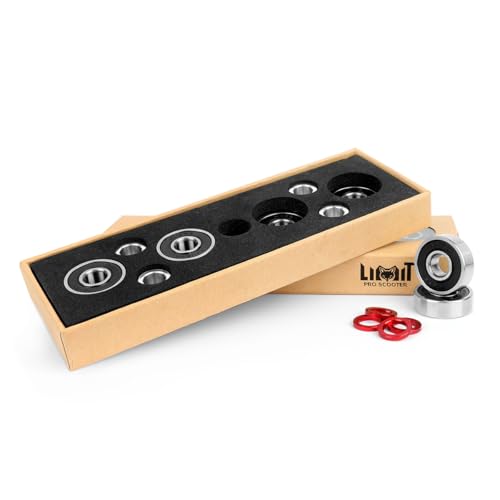
- ABEC-9 Precision Grade: 608RS ball bearings deliver accurate and stable...
- High-Quality Bearing Steel Construction: Crafted from premium bearing steel...
- Racing-Grade Lubrication: Pre-filled with racing-grade high-speed lubricant...
Rollerbones Bearings 8mm 16 Pack Review — My Top Pick for Durability
The Rollerbones Bearings 8mm 16 Pack is what I grabbed when I got tired of replacing cheap bearings every month. These hold up through heavy use and resist rust better than anything else I have tried. They are ideal for intermediate skaters or anyone skating outdoors regularly.
The honest downside is they cost a bit more upfront, but they last so long you actually save money in the long run.

- 16 Pack of 8mm Bearings - Enough for One Pair of Skates
- Precision ground skate bearings with removable high speed nylon ball cages
- Removable non-contact, frictionless rubber shields
Conclusion
The single most important thing to remember is that bearing failure within ten skates is almost always preventable with simple care.
Go spin each wheel on your skates right now and listen for roughness — it takes thirty seconds and might save you from a frustrating fall this weekend.
Frequently Asked Questions about How Can Skate Bearings Break Down Quickly Within 10 Skates?
Can I save bearings that already feel rough after a few skates?
Yes, you can often save them if you act fast. Remove the bearings from the wheels and clean them with a dedicated bearing cleaner or rubbing alcohol.
Let them dry completely before adding a drop of thin bearing oil. This removes the grit and old grease that causes the roughness.
Why do my new skate bearings sound like they are grinding?
Grinding noises usually mean dirt or metal debris is trapped inside the bearing. Factory bearings sometimes have tiny metal shavings left over from manufacturing.
You can flush these out with cleaner, but if the noise persists after cleaning, the bearing races may already be scratched. Replacement is the only fix then.
Does skating in the rain guarantee my bearings will fail?
Skating in the rain dramatically increases the risk of rust and failure. Water seeps past shields and causes oxidation that pits the steel surfaces inside.
If you must skate in wet conditions, dry the bearings thoroughly afterward and re-oil them immediately. This gives you a much better chance of saving them.
What is the best bearing for someone who skates outdoors every day?
Outdoor skating is harsh on bearings because of constant dust and grit exposure. You need double rubber seals and good corrosion resistance to survive daily use.
After testing many sets on rough pavement, what finally worked for my family held up through mud, gravel, and daily park sessions without locking up.
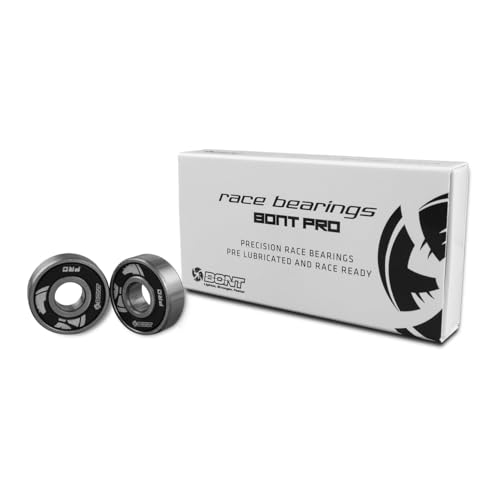
- Pre-lubricated with German-made racing oil for smooth rolling
- Standard 608 dimensions: 8 mm bore, 22 mm outer diameter, and 7 mm width
- Seven high-grade steel balls run inside a TN9 plastic cage
Which bearing won’t let me down when my kid skates on dusty trails?
Dusty trails are one of the fastest ways to destroy cheap bearings. The fine particles act like grinding paste once they get inside the shields.
I stopped worrying about trail dust when I switched to the ones I sent my sister to buy for her kids, and they lasted an entire summer without issues.
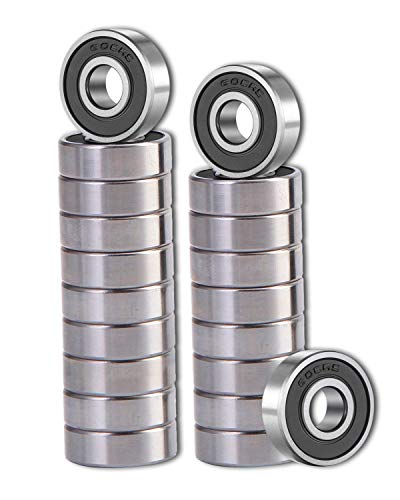
- 1. High hardness and toughness: Bearing steel is a high-quality steel that...
- 2, The features and advantages of bearing steel 608 bearings make them an...
- 3. High precision: Bearing steel 608 bearings are manufactured to very high...
How often should I clean my skate bearings to prevent early failure?
I recommend cleaning your bearings every four to six skate sessions if you skate outdoors. Indoor skaters can stretch that to every ten sessions.
A quick spin check before each use helps you catch problems early. If a wheel feels sticky, clean it immediately rather than waiting for the next scheduled maintenance.