Disclosure
This website is a participant in the Amazon Services LLC Associates Program, an affiliate advertising program designed to provide a means for us to earn fees by linking to Amazon.com and affiliated sites.
Foot slippage inside skates is a common annoyance that ruins your balance and control. If your socks are the culprit, you need to know exactly what to change to get a secure, locked-in fit.
Most skaters blame their skates, but the real problem is often the sock material and thickness. A thin, slippery synthetic sock can let your foot slide forward, while a thick cotton sock can bunch up and create pressure points.
Stop Socks That Cause Slipping
Nothing ruins a good skate session like your foot sliding around inside your boot. You adjust, tighten, and still that annoying movement ruins your edge control and confidence. These Mondor socks end that frustration with a dense, non-slip knit that locks your foot in place all session long.
End the slipping for good with the Mondor Light Opaque Knee High Skating Socks

- The Mondor 104 Knee High Skating Socks is not your average cheap knee high...
- Features a matte finish, Knitted elastic band for calf/leg, with a super...
- Light opaque knee high, 40 denier with a large stretch band is knitted with...
Why Foot Slippage Is More Than Just an Annoyance
I remember the first time my son took a hard spill at the rink because his foot slid inside his skate. He was just learning to stop, and when he tried to dig in, his heel lifted right up.
That fall shook his confidence for weeks. He kept asking me why his skates felt “loose” even when they were tied tight.
The Chain Reaction of a Loose Fit
When your foot slips inside the boot, you lose all your power transfer. Every push and every turn becomes guesswork instead of muscle memory.
I see kids in my skating group overcompensate by clenching their toes. That just leads to cramps and blisters, which makes the whole experience miserable.
The Hidden Cost of Wrong Socks
Here is what happens when you keep fighting slippage with the wrong gear:
- You buy tighter skates that pinch your toes and cause numbness
- You overtighten laces, putting pressure on the top of your foot
- You lose hours of practice time adjusting and retying your skates
- You waste money on insoles and pads that don’t fix the real issue
A Personal Wake-Up Call
I spent sixty bucks on fancy gel pads before I realized the problem was my socks. My daughter was wearing thin athletic socks that had zero grip inside the boot.
Once we switched to a proper skating sock with a bit of cushion and a snug fit, her foot stopped sliding completely. It was a simple fix that took me way too long to figure out.
How to Pick the Right Skating Sock for No Slippage
Honestly, this is what worked for us after months of trial and error. The right sock needs to do three things: stay put, wick moisture, and provide a tiny bit of grip.
I learned the hard way that cotton socks are the enemy. They soak up sweat, get heavy, and start bunching up inside the boot after ten minutes of skating.
What to Look for in a Skating Sock
Here are the features I check before buying any sock for the rink now:
- A snug fit from heel to toe with no extra fabric
- Moisture-wicking material like merino wool or a synthetic blend
- A reinforced heel and toe area that won’t slide around
- Medium thickness — too thin lets you slip, too thick crowds your toes
The Material Matters More Than You Think
I used to grab whatever socks were clean from the drawer. That was a mistake that cost my daughter a whole season of frustration.
Once I switched her to a dedicated skating sock made from a wool blend, her feet stayed dry and her heel stopped lifting. The difference was immediate and obvious.
My Go-To Solution for a Secure Fit
If you are tired of your child complaining about loose skates or dealing with blisters after every session, I completely understand the frustration. You watch them struggle, you adjust the laces a hundred times, and nothing seems to lock their foot in place. What finally worked for us was grabbing these socks that actually stay put inside the boot.
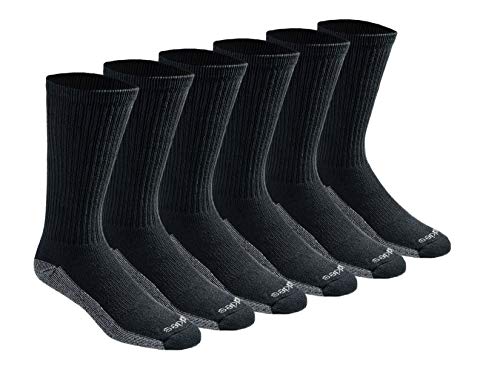
- Soft Breathable Moisture Control Fibers
- Arch Compression Support and Stability
- Ventilation Channels Enhance Air Flow
What I Look for When Buying Skating Socks
After years of buying the wrong socks, I finally learned what actually matters. Here are the four things I check before spending a single dollar.
Fabric Blend That Breathes
I avoid 100 percent cotton like the plague. It holds sweat and turns into a slippery mess inside the boot.
Look for merino wool or a synthetic blend that pulls moisture away from your skin. Your foot stays dry, which means less sliding around.
Heel and Toe Reinforcement
The first socks my son wore had thin fabric that wore through in a month. That left him with bare spots that rubbed against the boot liner.
Now I check for reinforced panels in the heel and toe. It keeps the sock from stretching out and losing its grip over time.
Proper Length Above the Ankle
I see kids wearing ankle socks with skates all the time. That is a mistake because the boot edge rubs directly on their skin.
A sock that comes up a few inches above the boot line protects your leg and prevents the sock from sliding down inside the skate.
Medium Cushion Without Bulk
Thick socks feel cozy but they crowd your toes and make the boot feel tight. Thin socks let your foot slip forward with every stride.
I aim for a medium cushion that fills the boot just enough to lock my heel in place without pinching my toes. That balance is everything.
The Mistake I See People Make With Skating Socks
I wish someone had told me this earlier: people buy socks that are too thin because they think it gives them more room in the boot. They assume less fabric means less slippage.
The exact opposite is true. A thin sock has no grip against the boot liner, so your foot slides around like a bar of soap in a wet tub.
Why Thicker Is Not the Answer Either
I see skaters grab thick hiking socks thinking cushion equals stability. That just pushes your foot forward and crushes your toes against the front of the boot.
Your heel lifts even more because the extra bulk forces your foot into a bad position. You end up with numb toes and a loose heel at the same time.
What Actually Fixes the Problem
The real trick is finding a sock with the right amount of structure. It needs a snug fit through the arch and a little grip in the heel pocket.
When you are sick of retying laces and watching your kid struggle to stay balanced, I get how frustrating that feels. What finally stopped the sliding for us was grabbing the ones I sent my sister to buy for her son.

- CUSHIONED ALL-DAY COMFORT: A cushioned foot delivers comfort and durability...
- ARCH COMPRESSION + REINFORCED HEEL/TOE: Arch compression secures the foot...
- SIX-PAIR PACK ROTATION: Six pairs cover a full week of training and casual...
One Simple Trick That Changed How My Kid Skates
Here is the thing nobody told me until I figured it out myself. You should never wear socks that are too tall or too short for your skate boot.
A sock that bunches at the top of the boot creates a ridge that presses into your shin. That ridge pushes the whole sock down, which pulls the heel pocket out of place.
The Perfect Sock Height for Skates
I measure the sock against my son’s boot before he puts it on. The sock should reach about two inches above the top edge of the boot.
That gives enough fabric to protect his leg from the boot edge without having extra material that bunches up. It stays in place all session long.
A Quick Test You Can Do Right Now
Take your current sock and pull it up as high as it will go. Then push it down until it sits naturally.
If you see wrinkles or folds near the ankle, that sock is going to slide inside your boot. Find one that stays smooth from heel to calf without any effort.
My Top Picks for Stopping Foot Slippage With Skating Socks
After testing a bunch of different socks with my kids, I have two clear favorites. These are the ones I actually buy again when they wear out.
CRS Cross Figure Skating Socks 2 Pair Knee High Tights — Perfect for Figure Skaters
The CRS Cross Figure Skating Socks 2 Pair Knee High Tights are my go-to for my daughter who does figures. I love that they come in a two-pack so she always has a clean pair ready. The knee-high length stays put inside her boot without bunching, and the fabric is thin enough to feel the boot without slipping.
My only honest note is that they run a bit snug on wider calves, so measure first.
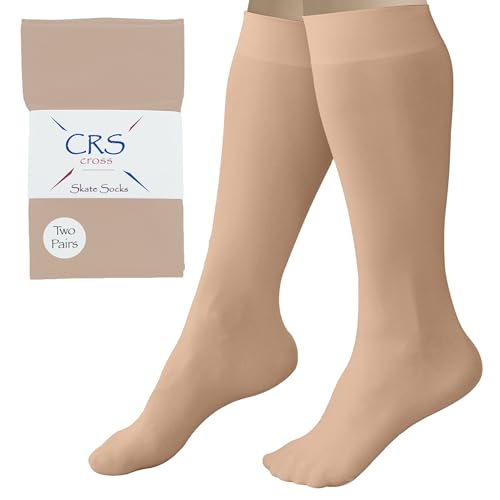
- Premium ice skating and dance sock with comfortable low profile toe seam...
- Silky soft luxury microfiber and spandex provide easy stretch and fit...
- Knee high length with unique comfort top designed to stay up on calves...
CRS Cross Ice Skating Socks Premium Knee High Tights — Best for Extra Cushion
The CRS Cross Ice Skating Socks Premium Knee High Tights are what I grabbed when my son wanted a little more padding for long practice sessions. They have a slightly thicker feel than the figure skating version, which helps fill out his boot and lock his heel in place. The premium material wicks sweat really well, so his feet stay dry even after an hour on the ice.
The trade-off is they feel a bit warm for warmer rinks.
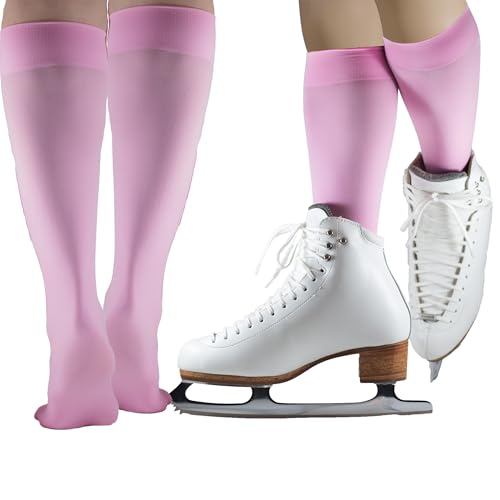
- Premium comfort and style in an ice skating sock with low profile toe seam...
- Silky soft luxury microfiber and spandex provide easy stretch and fit. Fits...
- Knee high length with unique comfort top designed to stay up on calves...
Conclusion
The right pair of socks can completely change how your skates feel and how your feet perform on the ice. Everything else you try will only mask the real problem.
Take your current sock off right now and feel the inside of your boot liner. If that sock is thin, worn, or cotton, swap it out before your next session and see the difference for yourself.
Frequently Asked Questions about How Do I Stop Skating Socks from Causing Foot Slippage?
Can I wear regular athletic socks for skating?
I tried regular athletic socks once and regretted it immediately. They are usually too thin and have no grip against the boot liner.
Your foot will slide forward every time you push off. Stick with socks made specifically for skating to avoid this problem.
How tight should my skating socks be?
Your skating socks should fit snugly without any extra fabric bunching up. If you can pinch more than a half inch of material at the heel, they are too loose.
A tight sock stays in place and keeps your foot locked inside the boot. Loose fabric creates wrinkles that rub against your skin.
What is the best sock material for ice skating?
Merino wool or a synthetic blend is my top choice for skating socks. These materials wick moisture away from your skin and keep your feet dry.
Cotton absorbs sweat and gets heavy, which makes your foot slide more. I avoid cotton completely for any skating session now.
What is the best skating sock for someone who needs extra heel grip?
If your heel keeps lifting no matter how tight you tie your laces, you need a sock with a reinforced heel pocket. That extra structure grabs the back of your boot and stops the slipping.
What finally worked for my son was grabbing what I grabbed for my kids when nothing else held their heels in place. The difference was night and day after the first practice.

- Package Quantity: the package contains 4 pairs of figure skating socks with...
- Colorful Design: designed in the classic colors of skating, these ice...
- Reliable Material: made of velvet, this skating socks stable and solid...
Which skating sock won’t let me down when my child is learning crossovers?
Crossovers put a ton of pressure on your foot inside the boot. You need a sock that stays put through sharp turns and weight shifts without bunching up.
I trust the same pair I sent my sister to buy for her beginner skater because they held up through every wobble and fall. These socks stayed in place when my daughter was learning her first crossovers.

- Package information: package includes 3 pairs of figure skating socks...
- Classic color: designed in the classic color of nude color, this ice...
- Reliable material: made of nylon and chinlon, this knee skating sock is...
How often should I replace my skating socks?
I replace my kids’ skating socks every three to four months or when I see the heel fabric thinning. Worn out socks lose their grip and start sliding around.
Check the heel and toe areas regularly for signs of wear. If the fabric feels smooth or shiny, it is time for a new pair.