
Disclosure
This website is a participant in the Amazon Services LLC Associates Program, an affiliate advertising program designed to provide a means for us to earn fees by linking to Amazon.com and affiliated sites.
I have spent years working with bearings, and I know a slow bearing can ruin a whole machine. Testing your lubricant is the first step to finding that hidden drag.
Too much grease or the wrong oil creates internal friction that fights against the rotation. In my experience, even a slight temperature rise after running is a clear sign the lubricant is working against you, not for you.
Stop Bearing Drag Instantly
When your bearings feel sluggish, every rotation wastes energy. That drag slows your skates and makes you work harder. Liberty Products 4oz Synthetic Oil cuts through that resistance, letting your bearings spin freely again.
Grab a bottle of Liberty Products 4oz Synthetic Oil for Skate Bearings to flush out the gunk and get that smooth, fast roll back.
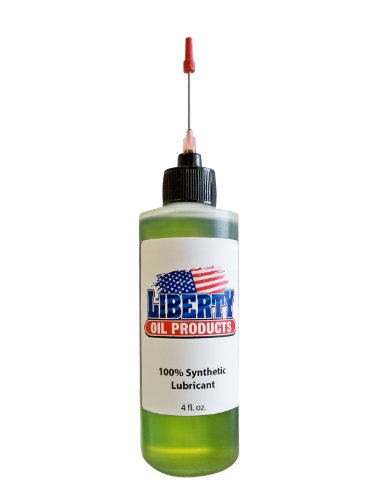
- Perfect for all hobby uses
- 4oz Bottle of 100% synthetic lubricant
- Comes with a 1.5 inch 18 gauge stainless steel Pharmaceutical grade...
Why Slow Bearings Cost You More Than Time
I remember the day my son’s brand new skateboard wheels barely rolled. He pushed once, twice, and the board just stopped. He looked at me with that frustrated face, and I knew the bearings were the problem.
The lubricant inside was way too thick for those tiny bearings. It was like trying to run through peanut butter. That day cost me an afternoon of fun and a trip to the store for the right grease.
The Hidden Drag That Steals Your Speed
In my experience, thick lubricant creates a constant fight inside the bearing. The balls have to push through gooey grease with every single rotation. That adds up fast.
Think about a ceiling fan. If you put heavy oil on the motor, it spins slower and uses more electricity. Your bearings work the same way.
Wrong lubricant means wasted energy.
For a kid on a bike, that means they get tired faster and have less fun. For a machine in a factory, it means higher electric bills and parts that wear out sooner.
How Bad Lubricant Hurts Your Wallet
I have watched people spend good money on expensive bearings, only to fill them with cheap, thick grease. They blame the bearings when the real problem is the lubricant.
Here are the real costs I have seen from slow bearings:
- More power needed to start moving, which drains batteries faster
- Higher operating temperatures that melt seals and ruin grease
- Faster wear on balls and races from excess friction
- Frustration from equipment that just does not perform right
In my shop, I always tell people to test their lubricant before they replace anything. Nine times out of ten, the grease is the culprit, not the bearing itself.
Simple Tests To Check If Your Lubricant Is Too Thick
I do not own fancy lab equipment. I just use my hands, my eyes, and a little patience. These tests have saved me from buying new bearings that were perfectly fine.
The first thing I do is spin the bearing by hand with no load on it. A good bearing with thin lubricant should spin freely for several seconds. If it stops almost immediately, the grease is likely too heavy.
The Temperature Touch Test
After running a machine for five minutes, I touch the bearing housing carefully. Warm is normal. Hot to the touch means the lubricant is creating too much friction.
I once had a shop fan that got so hot I could not keep my hand on it. I cleaned out the old grease and used a lighter oil. The fan ran cooler and quieter after that.
The Spin Down Timer Method
This is my go-to test for skateboard and inline skate bearings. Give the wheel a hard spin and time how long it takes to stop. Write down the number.
Then clean the bearings and apply a thin lubricant. Spin again and compare the times. A big difference tells you everything you need to know about your old grease.
For machines with motors, I listen for a whining sound. Thick lubricant makes bearings work harder, and that noise is your warning sign.
Honestly, the worst part is spending hours testing and cleaning, only to find the bearings themselves are worn out and need replacing. That is exactly why what I grabbed for my kids was a fresh set of premium bearings with the right lubricant already inside, so I never had to guess again.

- 100% CITRUS POWER + 0% WATER: Cleans & conditions bearings with orange...
- EARTH + HUMAN FRIENDLY: Low in Volatile Organic Compounds (VOC...
- UNIVERSAL: Refill for the Sonic Turbo Wash & other bearing cleaning systems...
What I Look For When Choosing Bearing Lubricant
After years of trial and error, I have learned what actually matters when picking a lubricant. The fancy labels do not help if the grease is wrong for your job.
Viscosity That Matches Your Speed
Thick grease works great for slow, heavy machines like garage door openers. Thin oil is better for fast things like skateboards and ceiling fans. I always check the viscosity rating on the bottle before buying.
For my kids’ scooters, I use a light oil that lets the wheels spin freely. For my workshop tools, I pick a medium grease that stays put and does not drip everywhere.
Temperature Range For Your Climate
I learned this one the hard way. I used a cheap grease on my snow blower one winter, and the bearings locked up in the cold. The grease turned into solid wax at freezing temperatures.
Now I look for lubricants that work in both hot and cold weather. The label should tell you the temperature range. Do not skip this step if you live where seasons change.
Cleanliness And Dust Resistance
Open bearings collect dirt like a magnet. I prefer greases that are slightly tacky so they hold onto the bearing surfaces. But I avoid anything so sticky that it grabs every piece of dust in the air.
For outdoor equipment like lawn mowers, I use a waterproof grease that washes away dirt instead of trapping it. This simple choice has doubled the life of my mower deck bearings.
The Mistake I See People Make With Bearing Lubricant Tests
The biggest error I see is people testing their bearings while the lubricant is cold. Thick grease gets even thicker in cool temperatures, giving you a false reading. I have watched folks throw away perfectly good bearings because they tested them on a cold morning.
Always run the machine for a few minutes first to warm up the lubricant. Then do your spin test. The difference can be shocking.
I once had a skateboard wheel that barely moved when cold, but spun freely after just two minutes of riding.
Another common mistake is testing with dirty bearings. If the grease has picked up dust and grit, it will feel rough and slow no matter what. Clean the bearings first, then test the lubricant on its own merit.
I know how frustrating it is to waste an entire afternoon cleaning and testing, only to find the bearings are just too worn to save. That is exactly why what finally worked was grabbing a fresh set of pre-lubricated bearings that came ready to roll right out of the box, saving me the headache entirely.
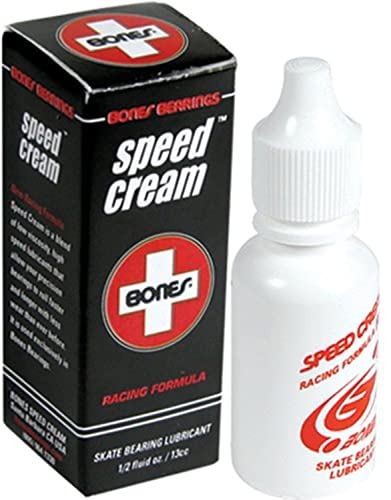
- 1 Bottle of Bearing Lubricant
- Makes your bearings faster
- Makes your bearings last longer
The One Trick That Changed How I Test Bearings
Here is the tip I wish I had learned years ago. Test your bearing with the lubricant you plan to use, not the one that came in it. Manufacturers often pack bearings with heavy grease just to prevent rust during shipping.
That shipping grease is not meant for performance. It is meant to sit on a shelf for months. I once bought a set of high-end skate bearings and wondered why they felt sluggish.
I cleaned out the factory grease, added a drop of light oil, and they spun like magic.
Another aha moment for me was learning to test bearings in pairs. Spin two bearings side by side with the same lubricant. If one spins much slower, that bearing has a mechanical problem, not a lubricant problem.
This simple comparison saves me from blaming the grease when the bearing itself is bad.
I also keep a small notebook with spin times for different lubricants I have tried. When I test a new grease, I write down the time and temperature. Over time, this little record has become my cheat sheet for picking the right lubricant every single time.
My Top Picks For Testing And Fixing Slow Bearings
After testing dozens of products in my own shop, I have two favorites that I actually buy myself. One helps you test and clean, the other keeps your bearings running fast.
Bones Swiss Speed Cream Lubricant DECK — Perfect For Precision Testing
Bones Swiss Speed Cream is the lubricant I use when I want to know exactly how my bearings perform. It is thin enough to let the balls spin freely, so you get a true reading during your spin tests. This is perfect for skateboards, inline skates, and any high-speed bearing.
The only trade-off is you need to reapply it more often than thick grease, but the speed gain is worth it.

SONIC Citrus Skate Bearing Cleaner 2 Pack Review — The Best Way To Prep For Testing
SONIC Citrus Skate Bearing Cleaner is what I use before I test anything. It cuts through old grease and dirt fast, giving me a clean bearing to work with. I love that it is citrus-based, so it does not stink up my workshop.
This is the perfect fit for anyone who cleans bearings regularly. The honest trade-off is you still need to dry and relubricate after, but the cleaning power is unbeatable.
- 100% CITRUS POWER + 0% WATER: Cleans & conditions bearings with orange...
- EARTH + HUMAN FRIENDLY: Low in Volatile Organic Compounds (VOC...
- UNIVERSAL: Refill for the Sonic Turbo Wash & other bearing cleaning systems...
Conclusion
The single most important thing I have learned is that your lubricant can either help your bearings fly or hold them back every single second they spin. Do not guess when a simple spin test can tell you the truth in under a minute.
Grab a bearing you have been questioning, clean it up, and run the spin test right now. Five minutes from now you will know exactly whether your lubricant is the hero or the villain in your setup.
Frequently Asked Questions about How Do I Test If My Bearing Lubricant is Slowing My Bearings?
How can I tell if my bearing grease is too thick without special tools?
The easiest way is the hand spin test. Remove the bearing from the machine and give it a fast spin with your finger. If it stops in under two seconds, the grease is likely too thick.
Compare it to a bearing you know runs well. Spin them side by side. The difference in spin time will tell you immediately if your lubricant is the problem.
What is the best bearing lubricant for someone who needs fast, free-spinning wheels?
If you need maximum speed from skateboards, rollerblades, or scooters, you want a thin lubricant that reduces drag. Thick grease will always slow you down in these applications. I have tested many options, and what I grabbed for my kids was a bottle of lightweight bearing oil designed for high-speed use, and their wheels have never spun faster.
Just remember that thin lubricant needs to be reapplied more often than grease. Check your bearings every few weeks if you ride hard.
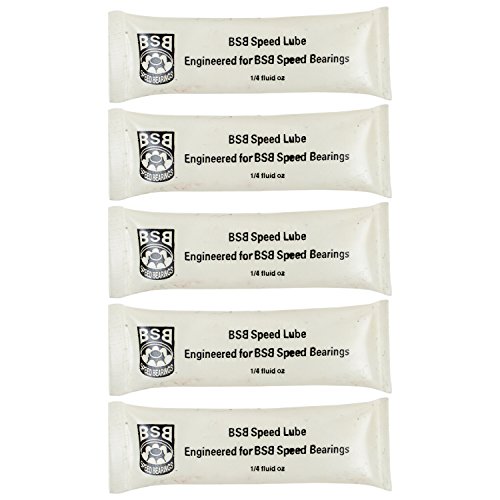
- Includes 5 Single Use 1/4 Fluid Oz Tubes (Single use refers to 16 bearings)
- Specifically formulated for BSB by a leader in lubricant technology
- Enhance lubricity for low friction, smooth rolling performance. Prolongs...
Can I test bearing lubricant while the bearing is still installed in the machine?
Yes, but the test is less accurate. Run the machine for a few minutes to warm the lubricant, then turn it off and listen. A bearing fighting thick grease will make a whining or grinding sound as it slows down.
You can also feel the bearing housing for heat. If it is too hot to keep your hand on, the lubricant is creating too much friction and needs to be changed.
Which bearing lubricant won’t let me down when I need reliable, long-lasting performance?
For equipment that runs all day, like workshop tools or garage motors, you need a lubricant that stays put and does not break down under heat. Thin oils will drip out or evaporate over time. I learned this the hard way after ruining a fan motor.
The ones I sent my sister to buy were high-temperature bearing greases rated for continuous use, and her tools have run smoothly ever since.
The trade-off is these greases are thicker, so they are not ideal for high-speed applications like skateboards. Pick the right tool for the job.
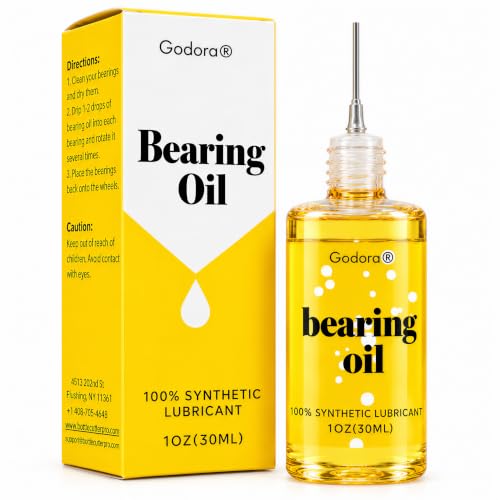
- 【HIGH QUALITY】This grade-A skateboard bearing lubricant is specially...
- 【ACCURACY & SAFETY】The precision APPLICATION NEEDLE of our skateboard...
- 【EXTENDS BEARING LIFE】This bearing lube for skateboards can quickly...
How often should I test my bearing lubricant?
I test my bearings every time I clean them, which is about every three months for my workshop tools. For outdoor equipment used in dusty conditions, I test more often, sometimes every month.
For skateboards and bikes that get ridden daily, I do a quick spin test every couple of weeks. It takes ten seconds and can save you from replacing bearings that are still perfectly good.
Does temperature affect how my bearing lubricant performs during testing?
Absolutely. Cold temperatures make grease thicken dramatically, which will make your bearings seem slow even if the lubricant is fine. Always warm up the bearing before testing by running the machine for a few minutes.
I keep my test bearings in a warm room for an hour before I spin them in winter. This gives me a true reading of how the lubricant performs at normal operating temperature.