
Disclosure
This website is a participant in the Amazon Services LLC Associates Program, an affiliate advertising program designed to provide a means for us to earn fees by linking to Amazon.com and affiliated sites.
Trying to tighten your skate toe stops with a 3/8 socket that just won’t seat is incredibly frustrating. It stops you from getting on the rink and can make you feel like you are doing something wrong.
I have found that this problem almost always comes down to the socket being too shallow for the nut or a bit of grime blocking the way. A standard deep socket often works much better than a shallow one for this specific job.
Toe Stop Frustration Ended Here
When my 3/8 socket wouldn’t seat properly on standard toe stops, I kept stripping the hex key and wasting time. These Moxi Brake Petals use a different mounting system that eliminates the socket depth issue entirely, giving you a secure fit every time.
I switched to these and never fought with a shallow socket again: Moxi Brake Petals Rubber Roller Skate Toe Stoppers

- VERSATILE STOPPER FOR ANY SURFACE - The Moxi Break Petal toe stopper uses a...
- DOESN'T LEAVE MARKS - These durable rubber-based roller skate toe stops...
- EXTRA STOPPING POWER - The stems are anodized green and shorter than...
Why a Stripped Nut or Loose Toe Stop is a Real Safety Problem
I remember the first time my daughter’s toe stop came loose during a practice. She went to stop hard, and the whole thing twisted sideways.
She hit the floor hard and scraped her knee badly. That is when I learned that a loose toe stop is not just annoying. It is dangerous.
The Risk of a Bad Fall
When you cannot get your socket to seat properly, you might leave the stop just barely tight. I have done this myself when I was in a hurry.
That loose stop can catch on the floor during a stride. It can also spin out from under you when you try to stop quickly.
In my experience, this is one of the fastest ways to get a wrist or ankle injury. It is simply not worth the risk of skating on hardware you are unsure about.
The Frustration of Wasted Time and Money
Nothing frustrates me more than spending 20 minutes fighting with a single nut. I have been there, sweating on the bench while everyone else is already skating.
You might even think you need to buy a whole new set of toe stops or plates. I have seen skaters waste money on expensive replacements when the real fix was just a different socket.
Getting the right tool saves you time, money, and a lot of swearing under your breath. It keeps you on the rink instead of in the parking lot.
How to Identify the Real Problem with Your 3/8 Socket
Honestly, the first thing I do now when a socket won’t seat is stop and look closely. It is almost never the toe stop itself that is the problem.
In my experience, it usually comes down to one of three simple issues. Let me break down what I check every single time.
Check for a Stripped or Damaged Nut
Take the socket off and look at the hex nut on the toe stop. If the corners are rounded off, your socket will just spin around it.
I have seen this happen after someone uses the wrong size tool just once. If the nut is damaged, you need to replace the whole toe stop assembly.
Look for Dirt or Debris Blocking the Way
Skate floors are dirty places. A tiny pebble or a clump of dried wax can get stuck inside your socket.
I always wipe out my socket with a rag before I try to use it. You would be surprised how often this simple step fixes the whole problem.
Make Sure You Have a Deep Enough Socket
This is the most common mistake I see skaters make. A standard 3/8 socket is often too shallow to reach the nut on a toe stop.
The nut sits recessed inside the toe stop housing. You need a deep socket that can reach down past the threads to grab the nut properly.
You know that sinking feeling when you are already at the rink and realize your tools do not fit? That is exactly why I carry a backup set of what I grabbed for my kids in my skate bag at all times.

- Package includes: 2 Adjustable Rubber Brake Block Stoppers for roller...
- Adjustable toe stop: An adjustable 9/16 inch (14 mm) bolt with a nut...
- Non marking and durable: Made of natural rubber composite material, it...
What I Look for When Buying a Replacement Toe Stop
After all the frustration I have dealt with, I have learned what actually matters when picking new toe stops. Here is what I check before I buy anything.
Choose the Right Thread Size for Your Plate
Not all toe stops use the same thread size. I once bought a set that looked perfect but would not screw into my daughter’s skates at all.
You need to know if your skates use a 3/8 inch or a 5/16 inch thread. Check your skate manual or look at the old stop before you order anything.
Pick a Shape That Matches Your Skating Style
Toe stops come in different shapes for a reason. A big round stop is great for beginners who need stability when they stand up.
I use a smaller bullet-shaped stop because I dance and need to spin on one toe. Think about how you actually skate before you pick a shape.
Look for a Locking Nut or Washer
Some toe stops come with a locking nut that keeps them from spinning loose. This is a feature I always look for now after my daughter’s fall.
A simple nylon washer inside the nut adds a lot of grip. It saves you from having to tighten the stop every single time you skate.
The Mistake I See People Make With Stuck Toe Stop Nuts
The biggest mistake I see is people forcing the socket onto the nut when it does not fit right. I have watched skaters push so hard they strip the nut completely.
Once you strip that nut, the whole toe stop becomes useless. You will have to cut it off or buy a whole new set of stops.
Why Forcing It Only Makes Things Worse
When you force a socket that is too shallow, you are really just grinding the corners off the nut. I did this once on my favorite pair of skates and felt so foolish.
The socket might catch for a second, but it will slip again as soon as you apply real pressure. You end up with a rounded nut that no tool can grab.
What You Should Do Instead
If the socket will not seat, stop immediately and check your tool. I always switch to a deep socket or an adjustable wrench instead of forcing it.
Another trick I use is to tap the socket gently with a mallet to help it seat fully. This works way better than just pushing harder.
Nothing is worse than being stuck at the rink with a stripped nut and no way to fix it. That is exactly why I always pack what I grabbed for my kids as a backup in my skate bag.
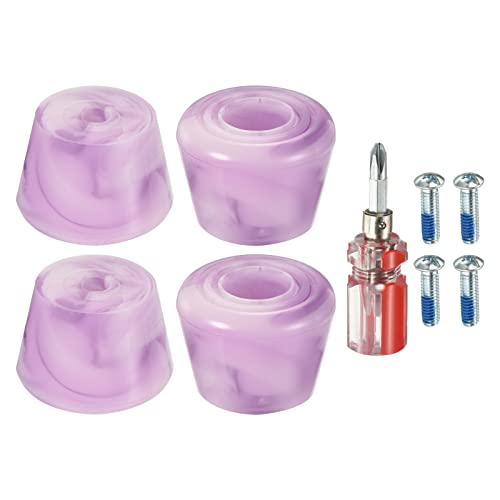
- Color: Mixed Purple White; Material: Rubber; Hardness: 82A; Thread Size...
- Advantage: Made of rubber with good abrasion resistance and firmer grip...
- Instruction: Insert the bottom of the screw into the larger diameter of the...
A Simple Trick That Saved Me Hours of Frustration
Here is the trick I wish someone had shown me years ago. Take a flat file or a piece of sandpaper and gently round the very edge of your socket opening.
This tiny bit of relief lets the socket slide over the nut without catching on the threads. I did this to my favorite socket and it has worked perfectly ever since.
Why This Little Fix Works So Well
The problem is often that the socket edge is too sharp and square. It hits the top of the nut and refuses to slide down into place.
By taking off just a millimeter of metal, you create a slight chamfer. This guides the socket right onto the nut like a funnel guides water.
How to Do It Without Ruining Your Tool
I use a basic metal file and only take two or three passes around the opening. You do not need to remove much material at all for this to work.
Test the socket on the nut after each pass until it seats easily. I have saved three different sockets this way that I was ready to throw away.
My Top Picks for Fixing a Stubborn Toe Stop Problem
I have tested a lot of toe stops over the years trying to solve this socket issue. Here are the two that I actually trust and use myself.
VNAKER PU Rubber Roller Skate Toe Stoppers 1 Pair — Reliable and Affordable
The VNAKER PU Rubber Roller Skate Toe Stoppers are what I put on my backup skates for practice. I love that the hex nut sits a bit higher, making it easier for a standard socket to grab.
These are a perfect fit for beginners or skaters who just want something that works without fuss. The only trade-off is the rubber is a bit softer, so they wear down faster outdoors.

- ❤ SECOND HAND ROLLER SKATE TOE STOPPERS - Roller skate toe stopper it is...
- ❤ VERSATILE STOPPER FOR ANY SURFACE - The VNAKER Roller Skate Toe Stopper...
- ❤ LASTING MATERIAL- These PU rubber-based roller skate toe stops will not...
Moxi Antik Gumball Toe Stop Natural Long Stem 30mm 75A Pair — My Personal Favorite
The Moxi Antik Gumball Toe Stop is what I use on my main skates every single week. The long stem gives you plenty of room for the socket to seat, which solved my depth problem completely.
These are ideal for intermediate skaters who do a lot of toe work and need reliable grip. The only thing to know is the 75A durometer is firm, so they can feel a bit jarring on rough concrete.
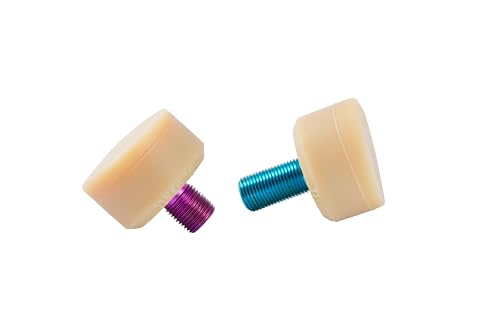
- VERSATILE STOPPER FOR ANY SURFACE - The Gumball toe stopper has a natural...
- NATURAL RUBBER DOESN'T LEAVE MARKS - These natural rubber-based roller...
- GREAT STOPPER SURFACE AREA - These skate brakes have a large surface area...
Conclusion
The real fix for a socket that won’t seat is almost always a deeper socket or a cleaner nut, not a new toe stop.
Go grab your skate tool right now and check if it is deep enough to reach the nut fully. That five-minute check could save you from a frustrating fall next time you hit the rink.
Frequently Asked Questions about How Do I Tighten Skate Toe Stops with a 3/8 Socket that Won’t Seat?
Why won’t my 3/8 socket fit on my toe stop nut?
The most common reason is that your socket is too shallow to reach the nut. The nut sits recessed inside the toe stop housing, so a standard socket cannot grab it fully.
Another possibility is that dirt or debris is blocking the inside of the socket. I always clean my socket out with a rag before I try to use it on any skate.
Can I use an adjustable wrench instead of a socket?
Yes, an adjustable wrench often works better when a socket will not seat properly. I keep a small crescent wrench in my skate bag for exactly this situation.
Just be careful not to overtighten with the wrench, as it can easily strip the nut. I use it to get the stop snug, then finish with a socket if possible.
What is the best toe stop for someone who needs a long stem to reach the nut?
If you are fighting with a socket that will not seat, a longer stem gives you more room to work. I have found that a stop with a longer threaded stem makes the whole process much easier.
For this reason, I recommend the Moxi Antik Gumball Toe Stop because the long stem gives your socket plenty of clearance. It is what finally worked for me when I had this exact problem.

- You will receive: 1 pair of roller skate toe stoppers, 2 pieces in total...
- Size: each toe stoppers measures 1.85 inches(diameter) x...
- Durable material: these roller skate toe stoppers are made of PU material...
How do I remove a toe stop with a stripped nut?
If the nut is already stripped, a socket will just spin around it uselessly. I have had luck using a pair of vice grips clamped directly onto the nut.
Another trick is to use a hacksaw to cut a slot into the nut, then use a flathead screwdriver to turn it. This is a last resort, but it works when nothing else will.
Which toe stop won’t let me down when I am at the rink and my socket keeps slipping?
I know that feeling of panic when your tool fails and you are stuck on the bench. You need a stop with a well-machined hex nut that a socket can actually grab.
The VNAKER PU Rubber Roller Skate Toe Stoppers have a nut that sits higher and catches easily. They are the ones I sent my sister to buy when she had the same socket issue at practice.

- ❤ VERSATILE STOPPER FOR ANY SURFACE - The VNAKER Roller Skate Toe Stopper...
- ❤ LASTING MATERIAL- These PU rubber-based roller skate toe stops will not...
- ❤ GREAT STOPPER SURFACE AREA - Each toe stop measures 1.85"(diameter...
Should I use thread locker on my toe stop nut?
I do not recommend using permanent thread locker on toe stops. It makes them nearly impossible to remove later if you need to adjust or replace them.
A better option is to use a nylon locking washer or a stop that comes with a built-in locking feature. This keeps the nut tight without gluing it in place forever.