Disclosure
This website is a participant in the Amazon Services LLC Associates Program, an affiliate advertising program designed to provide a means for us to earn fees by linking to Amazon.com and affiliated sites.
Beginners should practice skating 2 to 3 times per week. This frequency builds muscle memory effectively without causing burnout or injury. Consistency is far more important than marathon sessions.
Finding the right balance accelerates your skill development and keeps the experience fun. Too little practice stalls progress, while too much can lead to fatigue and frustration.
The Common Beginner Mistake: Inconsistent Practice
Many new skaters struggle with progress because their schedule is erratic. They might skate for hours one weekend, then not again for two weeks. This stop-start approach hinders muscle memory development.
Without a regular routine, each session feels like starting over. This leads to frustration and can make skating feel harder than it needs to be. The key is building a sustainable habit.
Quick Fix: Gear That Supports Your Schedule
Using proper, comfortable equipment makes sticking to your 2-3 times per week plan much easier. Ill-fitting or painful skates are a major demotivator that disrupts consistency.
For beginners seeking reliable and warm skates, the Lake Placid Women’s Summit Adjustable Ice Skate is an excellent choice for getting started.

- Push button size adjustable
- Warm, Woven lining and Deluxe comfort Padding
- Stainless steel blade
- Adjustable Fit: Grows with your skill level and ensures a proper fit for safety.
- Warm Lining: Removable thermal boot liner keeps feet comfortable during longer practice sessions.
- Stable Support: Provides the ankle support beginners need to build confidence on the ice.
Check current price on Amazon →
When Practice Alone Isn’t Enough
Even with a perfect schedule, progress stalls if your equipment is working against you. The right skates are a foundational part of your training, not just an accessory.
If you’re unsure where to start, our comprehensive guide to the best figure skates for beginners breaks down all the key features. For specific models, read our in-depth Lake Placid Cascade ice skates review and Jackson Ultima Classic review to compare top-rated options that enhance practice efficiency.
The Optimal Weekly Skating Schedule for New Skaters
Creating a structured weekly plan is the most effective way to build skills safely. A beginner’s skating practice schedule should balance activity with essential recovery time. This prevents injury and makes learning enjoyable.
Your primary goal is consistent exposure to the ice or pavement. This builds the neural pathways and muscle memory required for balance and control. Let’s break down the ideal weekly framework.
Ideal Practice Frequency and Duration
For absolute beginners, aim for 2 to 3 sessions per week. Each session should last between 30 to 45 minutes of active skating time. This is enough to make progress without overwhelming your body.
Here is a sample weekly schedule that promotes steady improvement:
- Monday/Wednesday/Friday Model: Practice every other day. This provides a full rest day between sessions for muscle recovery.
- Weekend Warrior Plus One: One longer weekend session (45-60 mins) plus one shorter weekday session (30 mins). This works well for busy schedules.
- The Key Rule: Never skate more than two days in a row as a beginner. Rest days are when your body adapts and skills solidify.
What to Focus on During Each Session
Maximize your limited practice time with a clear focus. Randomly skating in circles yields slow progress. A structured session accelerates learning.
Divide your 45-minute session into three focused blocks:
- Warm-up & Fundamentals (15 mins): Practice basic stance, marching in place, and gentle glides. This builds confidence.
- Skill Drill (15 mins): Pick one skill to work on, like stopping, forward swizzles, or two-foot turns. Repeat deliberately.
- Free Skate & Cool Down (15 mins): Apply your skill while skating freely, then slow down with wide turns and stretches.
Signs You’re Practicing Too Much or Too Little
Listen to your body and mind to adjust your schedule. Both over-practicing and under-practicing have clear warning signs.
Use this simple table to diagnose your practice balance:
| Signs of OVERTRAINING | Signs of UNDERTRAINING |
|---|---|
| Persistent muscle soreness that doesn’t fade | No noticeable improvement after 2-3 weeks |
| Dreading your next skating session | Feeling unstable and “starting over” each time |
| Increased clumsiness and loss of prior skills | Difficulty remembering basic techniques |
If you see signs of overtraining, add an extra rest day. If you’re undertraining, try to add just one more short, focused session to your week.
Essential Off-Ice Training to Boost Your Progress
Your improvement isn’t limited to time on skates. What you do on rest days significantly impacts your on-ice performance. Off-ice training builds the strength, balance, and flexibility that skating demands.
Incorporating simple exercises between skating sessions accelerates skill acquisition. It also reduces injury risk by conditioning supporting muscle groups. This makes your limited on-ice practice far more effective.
Best Exercises for Skating-Specific Strength
Focus on building stability in your core, ankles, and legs. These muscle groups are fundamental for maintaining a proper skating posture and generating power.
Perform these exercises 1-2 times on your rest days:
- Single-Leg Balances: Stand on one foot for 30-60 seconds. This directly improves the ankle stability needed for gliding.
- Wall Sits: Hold for 30-45 seconds to build quad and glute endurance, crucial for maintaining a bent-knee stance.
- Calf Raises: Do 2 sets of 15-20 reps to strengthen the muscles used for pushing off the ice.
Improving Balance and Flexibility at Home
Balance is a skill you can train anywhere. Dedicate 10 minutes daily to simple drills that rewire your nervous system. This translates directly to better control on skates.
Try this quick daily routine:
- Heel-to-Toe Walk: Walk in a straight line, placing your heel directly in front of the toes of your other foot.
- Static Stretches: Gently stretch your hamstrings, hip flexors, and calves after any exercise to maintain flexibility for deeper edges.
- Pillow Stand: Practice standing on one foot on a soft pillow to challenge your stabilizer muscles.
Active Recovery vs. Complete Rest Days
Not all rest days mean being sedentary. Understanding the difference between active recovery and complete rest prevents burnout and keeps you motivated.
| Active Recovery Day | Complete Rest Day |
|---|---|
| Light walking, gentle yoga, or stretching | No structured exercise; focus on hydration and sleep |
| Promotes blood flow to aid muscle repair | Allows full central nervous system recovery |
| Ideal the day after a light skating session | Essential after an intense or long practice |
Listen to your body. If you feel general fatigue, opt for complete rest. If you’re just mildly sore, light active recovery can be beneficial.
How to Track Your Progress and Stay Motivated
Maintaining a consistent skating practice schedule requires visible progress. Without clear milestones, motivation can fade. Implementing simple tracking methods turns abstract effort into tangible achievement.
Tracking provides positive reinforcement and helps you adjust your training frequency intelligently. It transforms practice from a chore into a rewarding journey of self-improvement.
Setting Realistic Milestones for Beginners
Your goals should be specific, measurable, and based on skill, not time. Avoid vague targets like “get better.” Instead, focus on concrete achievements.
Here is a sample 8-week milestone roadmap for a beginner practicing 2-3 times weekly:
- Weeks 1-2: Skate the length of the rink without falling. Master a safe, two-foot glide.
- Weeks 3-4: Perform consecutive forward swizzles (“lemons”). Learn a basic snowplow stop.
- Weeks 5-6: Skate backward while maintaining balance. Execute a controlled two-foot turn.
- Weeks 7-8: Link forward stroking with crossovers on a curve. Stop confidently from a moderate speed.
Using a Skating Journal Effectively
A simple notebook is a powerful tool. Spend 5 minutes after each session logging key details. This creates a feedback loop for continuous improvement.
Record these three things every time you skate:
- Focus Skill: What one technique did you work on today (e.g., “outside edges”)?
- Win of the Day: What felt better than last time? Celebrate small victories.
- Challenge to Solve: What one thing felt difficult? This becomes your next session’s focus.
When to Increase Your Practice Frequency
As you advance, your body and skills will demand more. Increasing your skating sessions should be a deliberate decision, not a random change.
You may be ready to add a fourth weekly session if you consistently meet these benchmarks:
| Physical Readiness | Skill Readiness |
|---|---|
| No lingering soreness after 24 hours rest | You’ve consistently hit your last 3-4 skill milestones |
| You finish sessions feeling energized, not exhausted | Basic skills (gliding, stopping) feel automatic |
| You actively want to skate more often | You’re ready to dedicate time to more complex drills |
Add one session at a time. Monitor your body and skill development for two weeks before considering another increase.
Adapting Your Practice for Different Skating Styles
The ideal practice frequency can vary based on your chosen discipline. While the core principle of consistency remains, the focus and physical demands differ. Tailoring your approach prevents plateaus and keeps training engaging.
Figure skating, hockey, and recreational skating each have unique skill sets. Understanding these nuances helps you structure your weekly sessions for maximum efficiency in your specific goals.
Figure Skating vs. Hockey Skating Practice Needs
These two styles emphasize different physical attributes and techniques from day one. Your practice schedule should reflect these primary focuses.
Compare the foundational practice priorities:
| Figure Skating (Beginners) | Hockey Skating (Beginners) |
|---|---|
| Focus on grace, edges, and body alignment | Focus on agility, quick starts, and stops |
| More off-ice balance and flexibility work | More off-ice leg strength and cardio conditioning |
| Practice often includes stationary drills for posture | Practice emphasizes directional changes at speed |
Recreational and Fitness Skating Schedules
If your goal is general enjoyment or exercise, flexibility is your advantage. The key is maintaining a routine that feels sustainable and fun, not like a rigid obligation.
Build a sustainable recreational practice with this mix:
- Skill Day (1x/week): Dedicate one session to learning something new, like backward skating or a crossover.
- Endurance Day (1x/week): Focus on continuous skating to build stamina and cardiovascular health.
- Fun Day (1x/week): Skate with friends or family, play gentle games, or just enjoy gliding without a specific drill.
Adjusting Frequency for Indoor vs. Outdoor Skating
Your practice environment significantly impacts session quality and safety. This may influence how you distribute your weekly sessions.
Consider these factors when planning:
- Outdoor Surfaces: Rough pavement or uneven ice requires more ankle stability. You may need shorter, more frequent sessions to avoid fatigue that leads to falls.
- Indoor Rinks: Predictable surfaces allow for longer, more technically focused practices. You can safely drill the same skill repeatedly.
- Weather Dependence: For outdoor skaters, be flexible. Practice more often when conditions are good to make up for inevitable weather cancellations.
Expert Tips for Maximizing Every Practice Session
How you practice is just as important as how often. Smart, focused training yields faster results than mindless repetition. These professional strategies ensure your valuable time on skates is spent effectively.
Implementing these methods will help you overcome common beginner plateaus. They turn your scheduled sessions into powerful engines for skill development.
The Power of Deliberate Practice
Deliberate practice means skating with a specific, challenging goal for each session. It involves focused attention and immediate feedback. This is the opposite of just “going for a skate.”
Structure a deliberate practice session in three phases:
- Isolate the Skill: Break a complex move into parts. Practice only the entry edge or the arm position separately.
- Repeat with Focus: Perform the isolated skill 10-15 times with full concentration on form, not speed.
- Integrate: Slowly add the skill back into a sequence, like incorporating a new turn into a basic lap.
Mental Rehearsal and Visualization Techniques
Your brain learns skills even when you’re not physically moving. Mental rehearsal strengthens neural pathways, making physical execution smoother. Use this tool on your rest days.
Spend 5-10 minutes visualizing successfully performing a skill you’re learning. Focus on sensory details:
- Feel: Imagine the sensation of a perfect glide or the pressure on your edges.
- See: Visualize your body’s alignment from a third-person perspective.
- Hear: Picture the sound of a clean stroke or a smooth stop.
Getting Feedback and When to Consider Lessons
Self-assessment has limits. External feedback is crucial for correcting invisible flaws in your technique. This accelerates progress more than any increase in practice frequency alone.
Use this guide to seek effective feedback:
| Feedback Method | Best For |
|---|---|
| Video Recording Yourself | Identifying posture issues and comparing your form to tutorial videos. |
| Skating with a More Experienced Friend | Getting quick tips and encouragement in a low-pressure setting. |
| Formal Group or Private Lessons | Correcting foundational errors before they become bad habits. Ideal after 4-6 weeks of solo practice. |
If you find yourself stuck on the same skill for over three weeks, it’s a strong signal to seek professional instruction.
Nutrition and Recovery: Fueling Your Skating Progress
Your body needs the right fuel and repair time to adapt to skating’s demands. Ignoring nutrition and sleep undermines even the most perfect practice schedule. These elements are the foundation of consistent performance.
Think of your body as a high-performance vehicle. Quality practice is the driving, but nutrition and recovery are the premium fuel and essential maintenance.
Pre- and Post-Skating Nutrition for Beginners
You don’t need a complex diet, but strategic eating supports energy and muscle repair. Focus on timing and simple, wholesome foods.
Follow this basic nutrition framework:
- 2-3 Hours Before: Eat a balanced meal with complex carbs (oatmeal, whole grain bread) and some protein. This provides sustained energy.
- 30-60 Minutes Before: Have a small, easily digestible snack like a banana or a handful of nuts if you’re hungry.
- Within 45 Minutes After: Refuel with a combination of protein and carbs. A smoothie, yogurt with fruit, or a turkey sandwich are excellent choices to kickstart recovery.
The Critical Role of Hydration and Sleep
Dehydration and poor sleep are silent progress killers. They impair coordination, reaction time, and mental focus—all essential for safe skating.
Make these non-negotiable habits:
- Hydrate All Day: Drink water consistently, not just during your session. Aim for your urine to be light yellow.
- Prioritize Sleep: Aim for 7-9 hours of quality sleep per night. This is when your brain consolidates new motor skills and muscles repair.
- Limit Alcohol: Alcohol severely disrupts sleep quality and hydration, hindering recovery between sessions.
Managing Soreness and Preventing Overtraining
Some muscle soreness is normal, but it should be managed. Distinguishing “good” soreness from pain is key to avoiding injury and burnout.
Use this guide to manage post-skating sensations:
| Normal Muscle Soreness (DOMS) | Warning Signs of Overtraining |
|---|---|
| A dull, aching feeling in muscles (quads, glutes) | Sharp, stabbing, or joint-specific pain |
| Peaks 24-48 hours after skating, then improves | Pain that worsens with activity or doesn’t fade |
| Eased by light movement, stretching, and hydration | Persistent fatigue, irritability, or lack of motivation |
For normal soreness, active recovery like walking is best. For warning signs, take 2-3 full rest days and consult a professional if pain persists.
Common Beginner Questions About Practice Frequency
New skaters often have specific concerns about starting and maintaining a routine. Addressing these questions directly removes mental barriers to consistency. Clear answers provide the confidence needed to stick with your plan.
These are the most frequent queries from skaters in their first few months. Understanding these nuances helps you personalize the general guidelines.
Can I Practice Skating Every Day as a Beginner?
The short answer is no, and here’s why. Skating uses unfamiliar muscles and stresses joints in new ways. Daily practice doesn’t allow for necessary physiological adaptation.
Without rest days, you risk:
- Overuse Injuries: Stress fractures, tendonitis, and severe muscle strains.
- Mental Burnout: Turning a fun activity into a chore.
- Diminishing Returns: Fatigue leads to poor form, which ingrains bad habits.
Stick to the 2-3 times per week rule. Use your off days for complementary off-ice training and recovery.
What If I Miss a Week of Practice?
Life happens. Missing a week is normal and not a disaster. The key is how you return. Do not try to “make up” for lost time with a marathon session.
Follow this safe return protocol:
- Session 1 (The Reset): Keep it short (20-30 mins). Focus solely on fundamentals—basic stance, gliding, and stopping. Regain your feel for the ice.
- Session 2 (The Review): Reintroduce one skill you were working on before the break. Practice it deliberately at a slow pace.
- Session 3 (Back on Track): By your third session back, you can usually resume your normal progression.
How Long Until I See Real Improvement?
Expectation management is crucial for motivation. Improvement in skating is non-linear. You’ll experience rapid jumps, frustrating plateaus, and subtle refinements.
Here is a realistic timeline for a beginner practicing 2-3 times weekly:
| Timeframe | Typical Signs of Improvement |
|---|---|
| 2-3 Weeks | Basic balance feels more natural. You spend less time clutching the wall. |
| 6-8 Weeks | You can link basic skills (e.g., glide, stop, turn) without stopping to think. |
| 3-4 Months | You feel stable and confident. Learning new, intermediate skills becomes faster. |
Celebrate the small weekly “wins” in your journal. These are the true markers of progress, not just the big milestones.
Best Skating Gear for Consistent Practice – Detailed Comparison
Having the right equipment removes barriers to your practice routine. Quality gear enhances comfort, safety, and performance, making you more likely to stick to your schedule. These three products are highly recommended for beginners focused on building consistency.
Jackson Ultima Classic 200/500 Ice Skate – Best Overall Choice
The Jackson Ultima Classic series offers exceptional ankle support and comfort right out of the box. The 200 model is ideal for recreational skaters, while the 500 provides more support for aspiring figure skaters. Their durable construction withstands frequent practice sessions.

- Womens ice skates built for recreational ice skating and figure skating…
- Reinforced coated vinyl upper with soft rolled collar and padded lining…
- Padded felt tongue for girls ice skates and womens ice skates provides…
Lake Placid Summit Adjustable Ice Skate – Best for Growing Skills
This skate features a unique adjustable sizing mechanism, perfect for youth or adults whose fit needs may change. The thermal boot liner ensures warmth during long sessions. It’s an ideal, cost-effective choice for beginners who are rapidly improving and need reliable gear.
- Push button size adjustable
- Warm, Woven lining and Deluxe comfort Padding
- Stainless steel blade
Rollerblade Zetrablade Elite Inline Skate – Best for Off-Ice Training
For practicing balance and stride mechanics off the ice, the Zetrablade Elite is a top option. Its soft boot and supportive frame provide a comfortable, stable ride on pavement. Using these on rest days can significantly boost your on-ice confidence and conditioning.
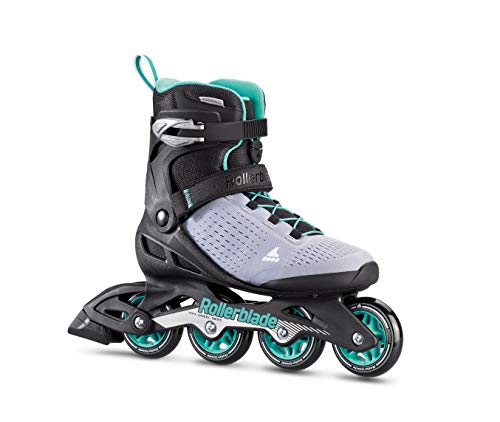
- BUCKLE-Cuff buckle, 45° strap, speed laces
Conclusion: Building a Sustainable Skating Practice Routine
Establishing the right practice frequency is your foundation for success. Aim for 2 to 3 focused sessions per week to build skills safely and effectively. Consistency, not marathon sessions, is the true key to progress.
Remember to integrate off-ice training, proper nutrition, and track your milestones. Listen to your body and adjust your schedule based on the clear signs we’ve outlined.
Now, lace up your skates with confidence and implement your personalized plan. The ice is waiting for your next, more confident stride.
Your journey to becoming a skilled skater starts with a single, consistent week. You’ve got this.
Frequently Asked Questions about Skating Practice for Beginners
What is the minimum effective skating practice frequency?
The minimum effective frequency is two sessions per week. This provides enough repetition to build basic muscle memory and balance. Practicing less than this will make progress feel very slow and disjointed.
Consistency with two weekly sessions is far superior to one longer session. It keeps the skills fresh in your mind and body, allowing for steady, incremental improvement over time.
How long should each beginner skating session last?
Each session should last between 30 to 45 minutes of active skating time. This duration is ideal for maintaining focus and effort without leading to fatigue-induced mistakes.
Quality trumps quantity. A focused 30-minute practice where you work on specific drills is more valuable than 90 minutes of unfocused skating where your form deteriorates.
Can I practice skating two days in a row?
It’s generally not recommended for true beginners. Your muscles and connective tissues need 48 hours to recover and adapt. Practicing consecutively increases injury risk and can lead to burnout.
As you build a base of strength after a few months, you might occasionally skate two days in a row. Listen to your body and ensure you take the following day completely off.
What is the best time of day to practice skating?
The best time is when you feel most alert and energetic. For many, this is late morning or early afternoon. Your body is warmed up from daily movement, but you’re not yet fatigued from the day.
Avoid very early morning sessions when your body is stiff. If you can only skate in the evening, ensure you do a thorough, dynamic warm-up to prepare your muscles.
How do I stay motivated to practice skating regularly?
Set specific, skill-based goals and track them in a journal. Celebrating small wins, like holding a glide for five more seconds, provides powerful positive reinforcement. Skating with a friend can also boost accountability.
Vary your practice focus to avoid boredom. Dedicate different sessions to skills, endurance, and just fun skating. Remember why you started and visualize your future progress.
What should I do if I feel no improvement after a month?
First, review your practice journal to ensure you’re practicing deliberately and not just going through motions. Often, improvement is subtle. Next, seek external feedback by recording yourself or asking a more experienced skater for one tip.
If you’re still stuck, consider investing in a single professional lesson. A coach can identify and correct a fundamental flaw in minutes that might take you months to self-diagnose.
Is it better to practice more often or for longer sessions?
For skill acquisition, more frequent, shorter sessions are superior. The brain learns and retains motor patterns better with repeated, spaced exposure. Three 40-minute sessions per week will yield faster progress than one 2-hour session.
Longer sessions are useful for building endurance once your technique is solid. As a beginner, prioritize frequency to efficiently build the neural pathways for balance and control.
What are the signs I should take an extra rest day?
Take an extra rest day if you experience sharp or joint-specific pain, not just muscle soreness. Other signs include unusual fatigue, irritability, or a noticeable decline in coordination during your warm-up.
Persistent soreness that hasn’t faded from your last session also signals the need for rest. Remember, recovery is when your body gets stronger. An extra day off can prevent a week-long setback from injury.