Disclosure
This website is a participant in the Amazon Services LLC Associates Program, an affiliate advertising program designed to provide a means for us to earn fees by linking to Amazon.com and affiliated sites.
Professional sharpening is crucial every 15-25 skating hours. This is the standard recommendation for maintaining optimal blade performance and safety. The exact frequency depends on your skill level, ice conditions, and training intensity.
Sharp blades provide the essential grip and control needed for jumps, spins, and edges. Dull blades lead to slipping, poor technique, and can even cause injury. Consistent sharpening is a non-negotiable part of serious figure skating.
Recognizing the Signs of Dull Figure Skate Blades
Knowing when your blades need sharpening is the first step. You might feel a loss of grip, especially on tight turns or landings. The skate may slide out instead of biting into the ice securely.
Other clear signs include difficulty holding an edge and excessive slipping. You may hear a scraping sound instead of a crisp “hiss.” These issues directly impact performance and safety on the ice.
A Quick Fix for Maintaining Edge Sharpness
Between professional sharpenings, a hand-held skate honer can help maintain your edges. This tool lightly removes burrs and minor imperfections. It is not a substitute for a professional grind but extends time between shop visits.
For a reliable option, consider the Howies Skate Honing Tool. It’s a simple, effective way for skaters to care for their blades.
- Easy-to-use design for quick edge tuning.
- Helps remove nicks and burrs from the blade.
- Prolongs the life and performance of your sharpening.
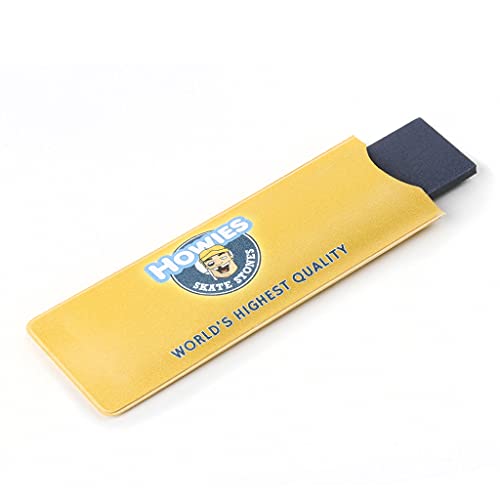
- PREMIUM SILICON CARBIDE ABRASIVE: Engineered with high-quality silicon…
- EFFICIENT CUTTING ACTION: Designed for quick damage repair, these stones…
- ADVANCED VITRIFIED BOND TECHNOLOGY: Features industry-leading vitrified…
Check current price on Amazon →
When a Honing Tool Isn’t Enough: The Full Solution
A honing tool cannot restore the fundamental hollow profile of your blade. That requires a professional sharpening machine. If you’re experiencing persistent slipping, it’s time for a pro.
Consistent issues may also indicate that your skates themselves need an upgrade. Beginner skates often have softer steel that dulls faster. Upgrading to a model with higher-quality blades can make a significant difference.
If you’re struggling with dull blades often, explore our guide to the best figure skates for beginners with durable blades. For more specific models, read our in-depth reviews of the Jackson Ultima Classic SoftSkate 380 or the versatile best ice skates for indoor and outdoor use.
Key Factors That Determine Your Sharpening Schedule
Your ideal sharpening frequency isn’t one-size-fits-all. It depends on several personal and environmental factors. Understanding these helps you create a perfect maintenance schedule.
Ignoring these variables leads to premature dulling or unnecessary sharpening. Both scenarios waste money and hinder your skating progress. Let’s break down the most important considerations.
Your Skating Level and Discipline
How you skate dramatically affects blade wear. A beginner practicing basic edges wears blades slower than an advanced skater. Jumps, spins, and deep edges apply much more pressure.
Frequency Guide by Level:
- Beginner/Recreational: Every 20-30 hours. Focus is on gliding and basic strokes.
- Intermediate/Advanced: Every 15-20 hours. Includes frequent jumps, spins, and complex footwork.
- Competitive/Elite: Every 8-15 hours. High-impact landings and intense training accelerate wear.
Ice Conditions and Rink Type
Where you skate is as important as how you skate. Hard, cold ice is less abrasive than soft, warm ice. Outdoor ice often contains debris that dulls blades faster.
Indoor rinks with consistent temperatures offer the most predictable wear. Outdoor or seasonal rinks present more variables. Always inspect your blades after skating on questionable ice.
| Ice Condition | Effect on Blades | Adjustment to Schedule |
|---|---|---|
| Hard, Cold Ice | Less abrasive, slower wear | Add 5-10% more time between sharpening |
| Soft, Warm Ice | More abrasive, faster wear | Reduce time between sharpening by 10-15% |
| Outdoor/Irregular Ice | High risk of nicks and damage | Inspect after each session, sharpen as needed |
Blade Quality and Hollow Radius
Higher-quality blades made from hardened carbon steel hold an edge longer. Beginner skate blades often use softer steel to reduce cost. Investing in better blades can extend your sharpening interval.
Your chosen hollow radius (the groove’s depth) also matters. A deeper hollow (e.g., 1/2″) provides more bite but dulls faster. A shallower hollow (e.g., 1″ or 3/4″) offers more glide and longevity.
How to Test Your Blades for Sharpness at Home
You don’t need to be an expert to check your blade’s condition. Simple at-home tests can prevent skating on dangerous, dull edges. These methods help you decide when to visit your sharpening professional.
Performing these checks regularly builds good maintenance habits. Catching dullness early protects your technique and safety. Let’s explore the most reliable diagnostic techniques.
The Visual Inspection and Fingernail Test
Start by cleaning your blades thoroughly and examining them in good light. Look for visible nicks, rust, or a rounded edge profile. A sharp blade should have two distinct, clean edges along the entire length.
Next, try the fingernail test. Gently run your thumbnail perpendicular across the blade’s edge.
- Sharp Blade: Your nail will catch slightly on the edge. It feels crisp and defined.
- Dull Blade: Your nail slides smoothly over the edge. It feels rounded and slippery.
The Ice Test and Performance Checklist
The ultimate test happens on the ice. Pay close attention to how your skates feel during your next session. Specific performance issues are clear indicators of needed sharpening.
Ask yourself these questions during practice:
- Do my skates slip on pushes or landings? This is the most common sign of lost bite.
- Is it hard to hold a deep edge on a circle? Dull blades will not grip securely.
- Do I hear a scraping sound instead of a crisp slice? Sound is a major clue.
Tracking Your Skating Hours Accurately
Guessing your ice time leads to inconsistent blade care. The most reliable method is to actively track your hours. This creates a predictable schedule tailored to your specific wear rate.
Effective Tracking Methods:
- Skating Journal: Log date, duration, and ice conditions after each session.
- Digital App: Use a simple timer or fitness app on your phone.
- Calendar Notation: Mark your sharpening date and count forward 15-25 hours.
Combine tracked hours with your at-home test results. This dual approach gives you the most accurate sharpening timeline possible.
Choosing the Right Professional for Skate Sharpening
Not all skate sharpening services are created equal. The technician’s skill directly impacts your blade’s performance and longevity. Finding a qualified professional is as important as the sharpening schedule itself.
A poor sharpening job can ruin your blades and your skating experience. It’s worth investing time to find a true expert. Here’s how to identify and select the best service for your needs.
Essential Questions to Ask Your Technician
Before handing over your skates, have a brief conversation with the sharpener. Their answers will reveal their expertise and approach to the craft. This step ensures you get a customized result.
Always ask these key questions:
- “What hollow radius do you recommend for my level/style?” They should explain options, not just pick one.
- “Do you use a cross-grind or standard pattern?” Cross-grinding ensures even wear but isn’t always needed.
- “Can you match my current hollow if I like it?” A good tech can measure and replicate your existing profile.
Red Flags vs. Green Flags in a Sharpening Service
Knowing what to look for—and what to avoid—protects your investment. Pay attention to the shop’s equipment, cleanliness, and the technician’s process.
| 🚩 Red Flags to Avoid | ✅ Green Flags to Look For |
|---|---|
| No consultation about your skating needs | Asks detailed questions about your skating |
| Dirty, poorly-maintained grinding equipment | Clean workspace and well-maintained machinery |
| One-size-fits-all approach or rush job | Takes time, checks progress, and deburrs edges |
| Cannot explain the process or their choices | Clearly explains their method and your options |
What to Do After Getting Your Skates Sharpened
Your responsibility begins once you pick up your freshly sharpened blades. Newly sharpened edges are extremely sharp and can feel “grabby” at first. A short break-in period on the ice is normal.
Post-Sharpening Protocol:
- Protect the edges: Always use hard skate guards when walking off-ice.
- Break them in: Spend 10-15 minutes doing gentle edges and strokes to smooth the burrs.
- Assess the feel: Note if the hollow feels right. Communicate any issues to your tech for next time.
Common Sharpening Mistakes and How to Avoid Them
Even with the best intentions, skaters often make errors in blade maintenance. These mistakes can shorten blade life and hurt performance. Understanding these pitfalls is key to protecting your equipment.
From over-sharpening to improper storage, small habits have big consequences. Let’s identify the most frequent errors and their simple solutions. This knowledge will save you money and frustration.
Over-Sharpening and Using Dull Runners
Getting sharpened too often is a common and costly error. Each pass on the grinding wheel removes precious steel from your blades. This significantly reduces their total lifespan.
Similarly, skating on extremely dull blades is harmful. It forces you to press harder, damaging the blade’s structure. It also teaches poor technique as you compensate for the lack of grip.
The Golden Rule: Sharpen based on performance need, not a rigid calendar date. Use the at-home tests to guide you, not just elapsed time.
Improper Blade Care Between Sessions
How you treat your skates off the ice directly impacts sharpening frequency. Neglect between sessions accelerates wear and causes damage. Proper care is simple and highly effective.
Critical Care Steps to Follow:
- Always Dry Thoroughly: Wipe blades completely after each use to prevent rust, which degrades the edge.
- Use Correct Guards: Wear hard soakers</strong (soft guards) for storage only. Never walk in soakers.
- Store Properly: Keep skates in a breathable bag, not a sealed plastic case that traps moisture.
Choosing the Wrong Hollow Radius Depth
Selecting an inappropriate hollow is a technical mistake with immediate consequences. A radius that’s too deep or too shallow for your skill level hinders progress. It’s a key topic to discuss with your sharpening pro.
Hollow Radius Quick Guide:
| Radius | Best For | Feeling & Durability |
|---|---|---|
| 1/2″ (Deep) | Advanced jumpers, heavy skaters | Maximum bite, dulls faster |
| 5/8″ (Medium) | Most intermediate skaters | Good balance of grip and glide |
| 3/4″ (Shallow) | Beginners, dancers, speed focus | More glide, less bite, lasts longer |
Stick with one radius for several sharpenings to adjust. Constantly changing it prevents you from developing consistent muscle memory.
Advanced Tips for Extending Time Between Sharpening
Beyond basic care, strategic habits can maximize your blade’s sharp life. These advanced techniques are used by coaches and elite skaters. They help you get the most value from each professional sharpening.
Implementing even one or two of these tips can add several hours to your schedule. This saves money and ensures more consistent performance. Let’s explore professional-level maintenance strategies.
Strategic On-Ice Practice Habits
How you structure your training session directly impacts blade wear. Small adjustments to your routine can significantly reduce the rate of dulling. The goal is to distribute wear more evenly.
Effective On-Ice Habits:
- Rotate Your Focus: Alternate between jump/edge work and gliding/spin practice. Intense elements cause the most wear.
- Mind the “Skate Save”: Avoid dragging your toe picks unnecessarily on landings or during footwork.
- Warm-Up Wisely: Start with gentle edges and strokes to “wake up” the blades without aggressive biting.
Optimal Off-Ice Storage and Transportation
Damage often occurs when skates are not in use. Proper handling off the ice is a non-negotiable part of blade preservation. This protects your investment from avoidable harm.
Follow this off-ice protocol:
- Immediate Drying: After removing skates, wipe blades with a dedicated absorbent towel.
- Guard Selection: Place soft terrycloth soakers on blades for storage to absorb residual moisture.
- Safe Transport: Use a skate bag with separate compartments or blade guards to prevent blade-on-blade contact.
When to Consider Blade Upgrades
Sometimes, the best way to extend sharpening intervals is to upgrade your equipment. Higher-quality blades are made from superior hardened steel. This material inherently holds an edge longer than entry-level blades.
Signs You Might Need a Blade Upgrade:
- You require sharpening more than every 10 hours as a recreational skater.
- Your blades develop nicks and lose their edge profile extremely quickly.
- You’ve significantly improved your skill level but still use beginner skates.
Upgrading is an investment that pays off in performance and reduced maintenance costs. Better blades provide a more consistent feel and longer service life.
Special Considerations for Different Types of Skaters
Sharpening needs vary dramatically across skating disciplines and age groups. A one-size-fits-all approach fails to address these unique requirements. Tailoring your schedule to your specific skating style is essential.
From young beginners to adult hockey converts, each skater has distinct priorities. Understanding these nuances ensures optimal performance and safety. Here’s a breakdown of key considerations.
Young Beginners and Growing Skaters
For children just starting, the primary goal is building confidence, not extreme bite. A shallower hollow radius (like 3/4″) is often recommended. It provides more glide and is more forgiving.
Their lighter weight also means blades dull slower. However, growth spurts change their center of gravity and pressure points.
Key Guidelines for Young Skaters:
- Frequency: Every 25-35 hours, but inspect monthly for nicks from falls.
- Focus: Safety and ease of gliding over aggressive bite.
- Monitoring: Check for proper fit constantly; outgrown skates alter wear patterns.
Adult Recreational vs. Competitive Skaters
Adult skaters fall into two broad categories with different needs. The recreational skater focuses on enjoyment and exercise. The competitive adult skater trains with intensity similar to younger athletes.
| Skater Type | Typical Sharpening Frequency | Recommended Hollow | Primary Concern |
|---|---|---|---|
| Adult Recreational | Every 20-30 hours | 5/8″ or 3/4″ | Comfort, control, consistency |
| Adult Competitive | Every 10-15 hours | 1/2″ or 5/8″ | Maximum bite for jumps, precise edges |
Skaters Transitioning from Hockey or Rental Skates
Those moving from hockey skates or dull rentals face a steep learning curve. Figure skate blades have a different rocker and toe pick. The feeling of sharp, proper edges will be initially unfamiliar.
Transition Tips:
- Start Shallow: Begin with a 3/4″ hollow to mimic the glide of a hockey skate more closely.
- Expect Adjustment: The pronounced “rocker” may feel unstable at first. This is normal.
- Communicate: Tell your sharpener you are transitioning. They can provide the best profile for your adaptation.
Creating Your Personalized Sharpening Schedule
Now it’s time to synthesize all this information into a practical plan. A personalized schedule removes the guesswork from blade maintenance. This final step ensures your skates are always performance-ready.
Your plan should be flexible, based on observable factors, not just a calendar. It will evolve as your skating changes. Follow this process to build your custom maintenance roadmap.
Step-by-Step: Building Your Baseline
Begin with a fresh sharpening and reset your tracking. This creates a clean starting point for accurate measurement. Document everything to identify your personal wear pattern.
- Get a Fresh Sharpening: Note the date, hollow radius, and technician’s name.
- Track Religiously: Log every skating session’s duration and intensity for the next cycle.
- Perform Weekly Tests: Use the fingernail and visual check each week to monitor edge degradation.
- Note the “Dull Point”: Record the total hours when performance noticeably drops.
Sample Schedules for Reference
Use these examples as a starting template. Adjust them based on the data you collect from your own baseline tracking.
| Skater Profile | Weekly Ice Time | Recommended Check | Estimated Sharpening Cycle |
|---|---|---|---|
| Child Beginner (1x week lesson) | 1-2 hours | Monthly visual inspection | Every 3-4 months |
| Teen Intermediate (3x week practice) | 4-6 hours | Bi-weekly performance test | Every 3-4 weeks |
| Adult Competitive (5x week training) | 10-15 hours | Weekly fingernail & ice test | Every 1-2 weeks |
Adjusting Your Plan Over Time
Your schedule is not permanent. It should adapt as your skills, weight, training intensity, or goals change. Re-evaluate your plan at least twice per year.
Triggers for a Schedule Review:
- You move to a new rink with different ice conditions.
- Your training intensity increases (e.g., preparing for a competition).
- You change your hollow radius or upgrade your skate blades.
- You notice your blades are consistently too sharp or too dull at your planned interval.
The ultimate goal is a proactive, informed approach. This replaces reactive, panicked trips to the sharpener.
Best Tools for Figure Skate Blade Maintenance
Beyond professional sharpening, the right tools help you care for your blades at home. These products extend the life of your sharpening and protect your investment. Here are three top-rated essentials for every skater’s kit.
Rollerblade SB Skate Honing Tool – Best for Edge Maintenance
This simple, effective honer is perfect for quick touch-ups between professional sharpening. It easily removes minor burrs and nicks from your blade’s edges. Its durable construction and straightforward design make it ideal for skaters of all levels to maintain a consistent feel.
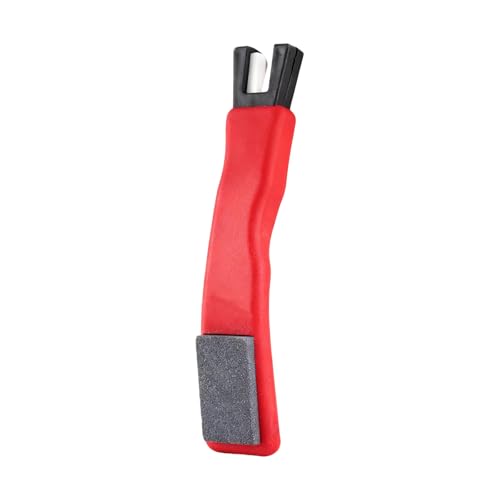
- Product List: You will receive 1 piece of this ice skate sharpener. With…
- Product Size: The ice skate blade sharpener measures about…
- Sturdy Materials: The V-shaped sharpening blade is crafted from…
CRS Cross Ice Stake Soakers – Best for Storage & Drying
Proper storage is critical for blade longevity. These absorbent microfiber soakers pull moisture away to prevent rust and corrosion. The stretchy fabric fits most blades securely, and their compact size makes them easy to carry in any skate bag for protection after every session.
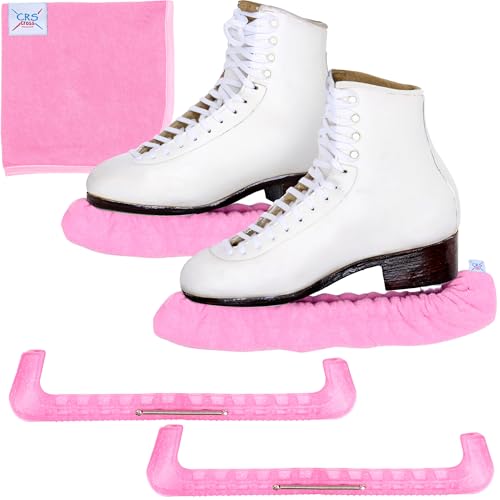
- CRS Cross Skate Guards, Soakers and Towel Set is an essential accessory for…
- CRS Cross Hard Guards protect your ice skate blades while walking off ice….
- CRS Cross Soakers (also referred to as Soft Guards or Blade Covers) are…
Cosmos Blade Guards with Rounded Tips – Best for Off-Ice Walking
Walking to and from the ice requires durable protection. These hard plastic guards feature rounded tips to prevent tripping and are built to withstand concrete abrasion. They keep your sharp edges safe from damage, ensuring your professional sharpening lasts as long as intended.

- 【ADJUSTABLE BUCKLE】 There is a adjustable buckle, you can move the…
- 【RELIABLE MATERIAL】 Our skate guard is made of quality PXC material,…
- 【AVOID COLLISION】 This ice skate guards is a great addition buffer to…
Conclusion: Mastering Your Figure Skate Sharpening Schedule
Consistent, professional sharpening is non-negotiable for safe, high-performance skating. By understanding the key factors—from your skill level to ice conditions—you can create a personalized maintenance plan. This prevents injury and ensures your blades always perform at their peak.
The key takeaway is to track your hours and listen to your skates. Use the simple at-home tests to diagnose dullness before it affects your technique. Find a trusted sharpening professional and communicate your needs clearly.
Start today by noting your last sharpening date and monitoring your next few sessions. Your consistent effort will pay off in smoother jumps, more secure edges, and greater confidence on the ice.
Frequently Asked Questions about Figure Skate Sharpening
What is the average cost for professional figure skate sharpening?
Professional sharpening typically costs between $10 and $25 per pair. The price varies based on your location, the technician’s expertise, and whether any repairs are needed. Some shops charge more for specialized profiling or cross-grinding services.
It’s a worthwhile investment for your safety and performance. Always prioritize quality over the lowest price, as an improper sharpening can damage your blades and cost more to fix in the long run.
How can I tell if my skate sharpening was done correctly?
A proper sharpening results in two distinct, clean edges along the entire blade length. Visually, the hollow should be even and centered. The edges should feel crisp and catch slightly on your fingernail when tested.
On the ice, you should feel secure grip without the blade feeling “grabby” or catching unpredictably. If your skates pull to one side or feel unstable, the sharpening may be uneven and should be corrected by the technician.
Can I sharpen my figure skates at home with a tool?
You should never attempt a full sharpening at home without professional equipment. Hand-held honing tools are only for light edge maintenance between professional grinds. They remove small burrs but cannot recreate the critical hollow profile of the blade.
Using improper tools or techniques can permanently ruin your blades’ profile and rocker. Always leave the complete sharpening process to a certified professional with the correct grinding machinery.
What is the best hollow radius for beginner figure skaters?
Most beginners benefit from a shallower hollow radius, such as 3/4-inch or 5/8-inch. A shallower hollow provides more glide and is more forgiving, which helps build confidence. It is less likely to catch unexpectedly and offers greater stability.
As your skills and edge control improve, you can discuss moving to a deeper hollow with your sharpening professional. They can recommend a progression based on your weight, skill level, and the disciplines you are learning.
Why do my newly sharpened skates feel too sharp or “grabby”?
This is a common sensation after a fresh sharpening, especially with a deeper hollow. The edges are extremely sharp and need a short break-in period. The technician may also leave a slight burr that needs to be smoothed out on the ice.
Spend 10-15 minutes doing gentle edges, swizzles, and strokes to naturally wear down the extreme sharpness. If the grabby feeling persists after a full session, mention it at your next sharpening so the tech can adjust the hollow.
How do I find a reputable skate sharpening professional near me?
Start by asking for recommendations from coaches, skating directors, or experienced skaters at your rink. Look for a technician who asks detailed questions about your skating style and level. Observe their workspace for cleanliness and well-maintained equipment.
Check online reviews and forums dedicated to figure skating. A good sharpener will be happy to explain their process and should offer to correct any issues you have with the initial result at no extra charge.
What should I do if I get a deep nick in my skate blade?
Stop using the skates immediately to prevent the nick from worsening or causing a fall. Do not attempt to file it out yourself, as this can alter the blade’s profile. Take the skates to your sharpening professional as soon as possible.
A deep nick requires a professional to carefully grind it out, which will remove more steel than a standard sharpening. This is why avoiding walking on hard surfaces without guards is crucial for blade preservation.
Is it bad to wait too long between figure skate sharpenings?
Yes, skating on excessively dull blades is detrimental. It forces you to use incorrect technique and muscle strain to compensate for the lack of grip. This can lead to poor habits, reduced performance, and an increased risk of slipping and injury.
Dull blades also wear down unevenly, making it more difficult for a technician to restore a perfect profile. Consistent maintenance on a schedule is always better than waiting for a complete loss of performance.