Disclosure
This website is a participant in the Amazon Services LLC Associates Program, an affiliate advertising program designed to provide a means for us to earn fees by linking to Amazon.com and affiliated sites.
Attaching blade guards correctly is essential for protecting your skate blades and ensuring your safety. Doing it wrong can damage your expensive blades or cause a dangerous fall.
This simple step is a critical part of skate maintenance that every skater must master. Our complete guide provides the proven methods used by coaches and professionals.
The Hidden Dangers of Improper Blade Guard Use
Many skaters think attaching guards is simple. However, a rushed or incorrect technique creates real risks. The primary problem is blade damage and personal injury.
Guards not fully seated can slip off, causing a dangerous fall on hard surfaces. They can also trap moisture against the blade, leading to rust and corrosion that ruins the sharp edge. Using worn-out or ill-fitting guards is equally problematic.
Your Essential Tool: A Quality Guard Set
The right equipment is the first step to a safe solution. A good pair of hard plastic guards provides secure footing and full blade coverage.
We recommend the JoyCan Ice Skate Guards. They are a reliable, widely available option for most standard figure skate blades.
- Durable hard plastic construction protects blades from nicks.
- Non-slip rubber tread provides stability when walking.
- Universal fit designed for most figure skate blade profiles.
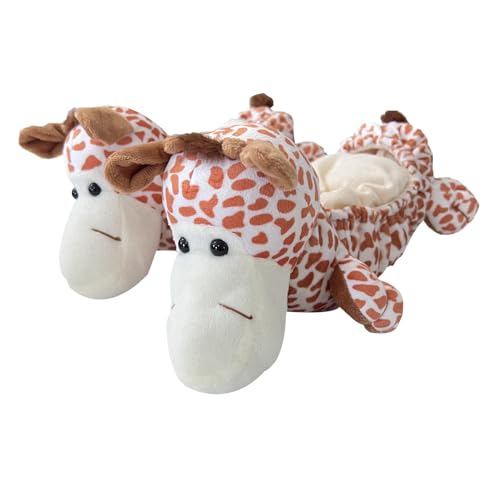
- 1. JoyCan skating protective gear ice blade covers, made of durable…
- 2. Keep your ice skates in perfect condition with JoyCan ice blade covers,…
- 3. JoyCan skating protective gear ice blade covers, featuring a secure fit…
Check current price on Amazon →
When New Guards Aren’t the Full Solution
If you’re still struggling, the issue may be with the skates themselves. Beginner skates often have softer blades that bend easily, making guard attachment tricky.
Upgrading to skates with proper stainless steel blades can solve this. A stiffer blade holds its shape, allowing guards to snap on securely and evenly.
For a lasting fix, explore our guide to the best figure skates with stainless steel blades. If you’re starting out, our list of the best figure skates for beginners includes models that pair well with guards. For versatile use, see our picks for the best ice skates for indoor and outdoor use.
Step-by-Step Guide to Attaching Your Skate Guards
Mastering the correct attachment method is crucial for safety and blade protection. This process ensures your guards stay on securely and do not harm your blades. Follow these steps every time you leave the ice.
Key Takeaway: Always work from a stable, seated position. Clean your blade soles and guard grooves of ice and debris before starting. This prevents slippage and improper seating.
Preparing Your Skates and Guards
Proper preparation prevents most common attachment errors. Start by finding a stable bench or chair to sit on. Place a towel on the floor to protect your guards from dirt.
Thoroughly wipe the bottom of your skate blades with a dry cloth. Remove all ice, snow, and water. Also, check the inner channel of your blade guards for any small pebbles or grit.
The Secure Attachment Technique
This technique uses leverage for a perfect, snug fit. Never force the guard on by pushing down from the top alone.
- Align and Hook the Toe: Hold the guard in one hand and your skate in the other. Tilt the guard and hook the front tip (toe) of your blade into the corresponding front end of the guard.
- Roll and Snap the Heel: With the toe hooked, roll the rest of the blade down into the guard’s channel. Apply firm, even pressure along the blade’s length until you hear or feel the heel “click” or snap securely into place.
- Perform the Safety Check: Visually confirm the blade is fully seated. Then, gently try to twist the guard. It should not move or come loose. Repeat for the second skate.
Common Mistakes to Avoid Immediately
Being aware of these errors will save your blades and your safety. Avoid them at all costs.
- Forcing It On: If it doesn’t slide on smoothly, stop. Re-check alignment and clear any debris.
- Missing the Click: A guard that hasn’t snapped at the heel will fall off with your first step.
- Using Worn-Out Guards: Inspect the rubber tread and internal plastic. Worn grooves won’t grip the blade securely.
Choosing and Maintaining Your Figure Skate Blade Guards
Selecting the right guards and caring for them extends their life and performance. Not all guards are created equal, and poor maintenance leads to failure. This section covers selection criteria and essential upkeep.
Key Takeaway: Match the guard type to your primary use: hard plastic for walking, soft “soakers” for drying. Never store wet guards on your blades, as this causes rust.
Hard Plastic vs. Soft Soaker Guards
Understanding the difference between these two types is critical. Each serves a distinct purpose in your skating routine.
| Type | Primary Use | Key Benefit | Key Limitation |
|---|---|---|---|
| Hard Plastic Guards | Walking off-ice | Protects blade from chips on hard surfaces | Traps moisture if left on wet blades |
| Soft Soaker Guards | Blade drying & storage | Absorbs moisture to prevent rust | No support for walking; will wear through |
Routine Maintenance and Inspection Checklist
Regular checks ensure your guards remain safe and effective. Perform this quick inspection weekly or whenever you clean your skates.
- Inspect the Tread: Look for smooth, bald spots on the walking surface. Worn tread reduces grip and increases fall risk.
- Check the Groove: Examine the inner channel for cracks, deep cuts, or warping. Damage here prevents a secure fit.
- Clean Debris: Wash guards with mild soap and water to remove dirt and salt. Dry them completely before storage.
When to Replace Your Skate Guards
Guards are a consumable safety item. Using them past their lifespan compromises your blade protection.
Replace hard plastic guards immediately if you see cracks or if they no longer “snap” on securely. Replace soakers when the terry cloth becomes matted and loses absorbency. A good rule is to inspect them with every blade sharpening cycle.
Proactive replacement is cheaper than repairing damaged blades or dealing with an injury from a slip.
Advanced Tips and Troubleshooting Common Issues
Even with the right technique, skaters encounter specific challenges. This section solves advanced problems and offers pro-level tips. These insights will refine your routine and prevent frustration.
Key Takeaway: For stubborn guards, a tiny amount of silicone spray on the inner groove can help. Always test fit new guards at the rink before relying on them.
Solving Fit Problems with Specific Skate Models
Some skate and blade combinations present unique fitting challenges. The issue often lies in the blade’s profile or length.
- Guards Too Tight: This is common with new, stiff guards or blades with a very deep hollow. Never force them. Work the guard on and off repeatedly to gently loosen the plastic channel.
- Guards Too Loose: If guards wiggle or slide off, the blade may be thinner than standard. Try inserting a thin adhesive foam strip inside the guard’s groove to create a snugger fit.
- Blade Length Mismatch: Guards are sized (e.g., 9-11 inch). Always measure your blade from heel to toe. A guard that’s too long exposes the toe pick; too short leaves the heel unprotected.
Pro Skater Habits for Blade Longevity
Professional skaters treat blade care as a non-negotiable ritual. Adopting these habits will significantly extend your blade’s sharpness and life.
Immediately after skating, wipe blades dry with a soft, absorbent cloth. Then, apply soft soaker guards to absorb residual moisture during transport. Store skates in a breathable bag, never a sealed plastic bag.
Keep a separate, clean pair of hard guards in your skate bag for walking only. Never use the same guards you walk in outdoors on your freshly sharpened blades at the rink.
What to Do If Your Guard Breaks or Gets Lost
Having a backup plan is part of being a prepared skater. A broken or lost guard shouldn’t ruin your session.
Always carry a spare set of hard guards in your skate bag. If one breaks, use a thick rubber band or a dedicated “guard saver” strap as a temporary fix to hold it together. For a lost guard, walk carefully on the rubber heel of your skate boot—never on the bare blade.
This emphasizes why regular guard inspection is a critical part of your skate maintenance schedule.
Safety Protocols and Best Practices for Skaters
Correct blade guard use is fundamentally a safety practice. This final operational section outlines essential protocols to follow. Integrating these habits minimizes risk and maximizes your skating enjoyment.
Key Takeaway: Treat guards like car tires—essential for safe “travel” off the ice. Inspect them before every use and replace them at the first sign of failure.
The Golden Rules of Walking in Skate Guards
Guards are for walking short distances on smooth, dry surfaces. They are not all-terrain equipment. Adhering to these rules prevents accidents.
- Walk, Don’t Run: Take short, deliberate steps. Running increases the chance of a guard slipping or catching an edge.
- Avoid Wet and Grassy Surfaces: Water and mud are extremely slippery on plastic. Grass can hide debris that damages guards or trips you.
- Use Handrails on Stairs: Always hold a handrail when navigating stairs. Your balance and center of gravity are different with guards on.
Creating a Pre-Skate and Post-Skate Routine
A consistent routine ensures you never forget a critical step. This builds muscle memory and protects your investment.
Pre-Skate Routine: At the rink, remove hard guards and wipe blades. Place guards in your bag or a designated spot. Never leave them rinkside where they can be lost or cause someone to trip.
Post-Skate Routine: Immediately after leaving the ice, dry blades thoroughly with a cloth. Apply your absorbent soaker guards for transport. Once home, remove soakers, let skates air dry fully, then store.
Educating Young and Beginner Skaters
Teaching proper habits from the start is crucial for new skaters. Make it a simple, repeatable lesson.
Demonstrate the “hook, roll, and click” method slowly. Use a visual cue like, “Listen for the snap!” Supervise them until they can do it independently. Explain that guards are a safety tool, not a toy.
Consider using brightly colored guards for young skaters. This makes them easy to spot if left behind and adds a fun element to the safety routine.
Essential Gear and Accessories for Complete Blade Care
Proper blade guard use is part of a holistic skate maintenance system. The right accessories make the process easier and more effective. This section outlines the must-have items for every skater’s bag.
Key Takeaway: Invest in a dedicated skate care kit. A small, organized bag with these essentials will protect your investment and improve your skating experience.
The Skater’s Blade Care Kit Checklist
Assemble these items to handle any situation at the rink or at home. Keeping them together ensures you’re always prepared.
- Microfiber Drying Cloths (2+): Use one for a quick post-skate dry and a clean one for final polishing. They are lint-free and highly absorbent.
- Hard Plastic Walking Guards: Your primary off-ice protectors. Consider a brightly colored pair to avoid loss.
- Absorbent Soaker Guards: Soft terrycloth guards for moisture absorption during transport and storage.
- Blade Covers: Rigid plastic covers for long-term storage or travel, providing crush protection in your bag.
Specialized Tools for Guard Maintenance
Simple tools can solve common guard problems and extend their lifespan. These are inexpensive but highly valuable.
A small soft-bristled brush (like a clean toothbrush) is perfect for scrushing dirt and ice from the guard’s inner groove. For guards that become too tight, a few drops of silicone-based lubricant spray on the channel can restore a smooth application.
Always wipe away any excess lubricant to prevent it from transferring to your blade’s edge.
Upgrading Your Setup for Convenience and Safety
Beyond basics, certain upgrades enhance safety and organization. These items reflect a proactive approach to your gear.
A guard leash or connector prevents you from dropping a guard on wet floors. It also keeps the pair together, so you never lose just one. A ventilated skate bag with separate compartments allows wet gear to air out, preventing mildew and rust.
For frequent travelers, hard-sided skate guards offer maximum protection for blades during flights or in crowded bags.
Best Blade Guards for Figure Skates – Detailed Comparison
Choosing the right guard enhances safety and blade protection. We recommend these three top-rated options based on durability, fit, and skater feedback. Each serves a specific need within the skating community.
JoyCan Ice Skate Guards – Best Overall Choice
These universal hard plastic guards offer reliable protection for most skaters. They feature a deep, secure channel and durable rubber tread for excellent grip. Available in multiple sizes and colors, they provide consistent performance at an accessible price point for daily rink use.
- 1. JoyCan skating protective gear ice blade covers, made of durable…
- 2. Keep your ice skates in perfect condition with JoyCan ice blade covers,…
- 3. JoyCan skating protective gear ice blade covers, featuring a secure fit…
Riedell R-Protect Terrycloth Soakers – Best for Blade Drying
Essential for post-skate care, these soft guards absorb moisture to prevent rust. Made from thick, absorbent terrycloth, they are gentle on sharp edges. Their stretchy fit accommodates various blade sizes, making them the ideal partner to your hard walking guards for complete blade maintenance.
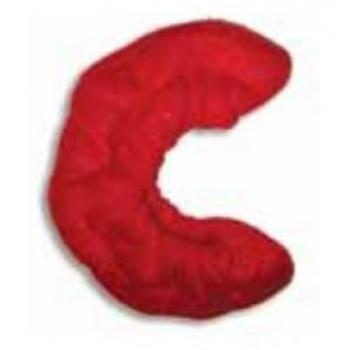
- These terry cloth blade covers used to protect your blades while stored in…
- Sold by the pair.
- Small fits up to child 13.
Guardog Hard Universal Figure Ice Skate Guards – Best Premium Fit
Designed for a precise, snug fit on Jackson and similar blades, these guards offer superior stability. They feature a reinforced heel cup and high-impact plastic. The aggressive tread pattern provides maximum traction, making them a top choice for skaters seeking a premium, secure walking experience.
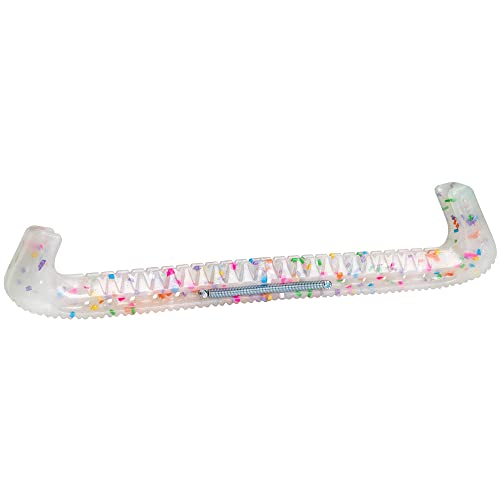
- You will receive one pair of hard plastic skate guards – essential…
- Translucent with Multi-Colored confetti sprinkles. Unscented. Color does…
- One Size Fits Most. Some Assembly Required.
Conclusion: Mastering Your Figure Skate Blade Guards
Correctly attaching your blade guards is a simple yet vital skill. It directly protects your investment and ensures your personal safety off the ice. This guide has provided the step-by-step methods and expert insights you need.
The key takeaway is to always use the hook, roll, and click technique. Pair this with a consistent pre-walk safety check. Make these habits as automatic as tying your skates.
Now, apply this knowledge the next time you step off the rink. Inspect your current guards using our maintenance checklist and upgrade them if needed. Your blades—and your ankles—will thank you.
With this knowledge, you can skate with confidence, knowing your equipment is properly cared for every step of the way.
Frequently Asked Questions about Figure Skate Blade Guards
What is the correct way to put on figure skate blade guards?
The proper method is the “hook, roll, and click” technique. First, hook the toe of your blade into the front of the guard. Then, roll the rest of the blade down into the channel. Finally, apply pressure until you hear or feel the heel snap securely into place.
Always perform this from a seated position for stability. After attaching, gently twist the guard to ensure it doesn’t move. This confirms a safe and correct fit before walking.
How long do figure skate blade guards typically last?
With regular use, a quality pair of hard plastic guards should last 1-2 skating seasons. Their lifespan depends heavily on how often you walk in them and the surfaces you traverse. Inspect them monthly for wear.
Replace guards immediately if you see cracks, if the tread is worn smooth, or if they no longer snap on securely. Using worn-out guards is a major safety hazard and offers poor blade protection.
Can I use the same guards for roller blades and ice skates?
No, you should never use the same guards for both. Ice skate blade guards are designed with a specific channel to fit the thin, single edge of an ice blade. Rollerblade frames are much wider and have a different shape entirely.
Using the wrong guard can damage both the guard and your equipment. It will also not provide a secure fit, creating a serious tripping hazard. Always use guards designed for your specific skate type.
Why do my new blade guards feel so tight and hard to put on?
New guards are often stiff and have a very snug fit from the factory. This tightness is actually good—it means they will grip your blade securely. Forcing them can damage the plastic or your blade.
To loosen them slightly, work the guard on and off the blade 10-15 times without skating. This gently breaks in the plastic channel. You can also apply a tiny amount of silicone spray to the inner groove to help it slide on more easily.
What is the difference between hard guards and soft soaker guards?
Hard plastic guards are for walking on hard surfaces like concrete or rubber flooring. They protect the blade from chips and nicks. Soft soaker guards are made of absorbent terrycloth and are only for drying your blades after skating.
Soakers absorb moisture to prevent rust but provide no support for walking. A complete care routine uses both: hard guards to walk to your seat, and soakers to dry the blades during transport and storage.
Is it bad to store my skates with the hard guards on?
Yes, storing skates with hard plastic guards on is one of the worst things you can do. Even a small amount of residual moisture trapped against the blade will cause rust and corrosion on the sharp edges.
Always remove hard guards after walking. Wipe your blades dry and then use soft soaker guards for any storage period. This simple habit is critical for maintaining sharp, rust-free blades.
What should I do if my blade guard breaks at the rink?
First, do not attempt to walk on a broken guard, as it can fail completely. If you have a spare pair in your bag, use those. If not, you can use a thick rubber band or a “guard saver” strap to temporarily hold the broken pieces together.
Walk with extreme caution and minimal steps. This situation highlights why it’s a best practice to always carry a backup set of guards in your skate bag for emergencies.
Are more expensive blade guards worth the investment?
Higher-priced guards often offer better materials, a more precise fit for specific blade models, and more durable tread. For recreational skaters, a good mid-range universal guard is usually sufficient.
For competitive skaters with high-end, specialized blades, investing in premium or brand-specific guards is worthwhile. They provide a perfect fit and superior protection for your valuable equipment, justifying the extra cost.
Can I Leave Hard Plastic Guards on My Skates Overnight?
Absolutely not. This is one of the most damaging things you can do to your blades. Hard guards trap any residual moisture against the steel.
This creates a perfect environment for rust and corrosion to form on your sharp edges. Always remove hard guards after walking and switch to absorbent soakers for any storage period.
How Do I Know If My Blade Guards Fit Correctly?
A correct fit is secure but not forced. Use this quick three-point checklist to verify proper fit every time.
- Audible Click: You should hear or feel a distinct snap as the heel seats.
- No Movement: When gently twisted, the guard should not shift on the blade.
- Full Coverage: The guard should cover the entire blade from the toe pick to the very end of the heel.
Are Universal Guards Okay for High-Level Figure Skates?
Universal guards work for most recreational and beginner skates. However, high-level skates with specialized blades may require a more precise fit.
Blades like John Wilson Pattern 99 or MK Phantom have unique profiles. For these, consider brand-specific or molded guards designed for that blade model. They offer superior protection and a more secure fit for advanced equipment.