Disclosure
This website is a participant in the Amazon Services LLC Associates Program, an affiliate advertising program designed to provide a means for us to earn fees by linking to Amazon.com and affiliated sites.
Properly conditioning and moisturizing your leather figure skate boots is essential for their longevity and your performance. This routine maintenance prevents the leather from drying out, cracking, and losing its crucial structural support. Neglecting it can lead to premature breakdown and costly replacements.
This complete guide provides expert tips and proven methods to protect your investment. You will learn the right products, a step-by-step conditioning process, and common mistakes to avoid. Mastering this skill ensures your boots remain supple, supportive, and competition-ready for seasons to come.
The Hidden Danger of Dry, Brittle Leather
Leather is a living material that loses its natural oils over time. Exposure to cold ice, sweat, and indoor rink air accelerates this drying process. The result is stiff, brittle boots that can crack at critical stress points.
This compromises the boot’s structural integrity and your ankle support. Once leather cracks, it cannot be fully repaired, leading to a dangerous loss of performance and a shortened lifespan for your expensive skates. Prevention through regular conditioning is the only solution.
Your First Step: A Quality Leather Conditioner
The immediate fix is to reintroduce moisture and nutrients into the leather fibers. A dedicated leather conditioner is essential. Avoid household oils like mink oil, which can over-soften and darken leather meant for structured support.
For a reliable, skater-trusted option, consider the Bickmore Bick 4 Leather Conditioner. It’s a popular choice because it:
- Preserves Color: Non-darkening formula keeps boots looking new.
- Safe for All Leather: Effective yet gentle on high-performance skate leather.
- Deep Penetration: Replenishes oils without a greasy residue.

- PREMIUM LEATHER CONDITIONER SINCE 1882: Bickmore Bick 4 Leather Conditioner…
- WILL NOT DARKEN YOUR LEATHER: Unlike most leather conditioners, Bick 4…
- COMPLETELY WAX FREE: Unlike other brands, Bick 4 is a completely wax-free…
Check current price on Amazon →
When Conditioning Alone Isn’t Enough
If your boots are already severely cracked or have lost their shape, conditioning may only be a temporary fix. Structural failure often means it’s time for a replacement. Continuing to skate in compromised boots increases injury risk.
If you’re facing this decision, our guide to the best figure skates for beginners is an excellent starting point. For those needing an upgrade, read our in-depth reviews of popular models like the Riedell Soar or the Jackson Ultima Classic series to find a perfect, supportive fit.
Essential Materials for Leather Skate Boot Care
Gathering the right supplies is the foundation of effective boot maintenance. Using incorrect products can damage the leather or degrade its performance properties. This section details the must-have items for a proper conditioning routine.
Choosing the Right Leather Conditioner
Not all conditioners are suitable for figure skate boots. You need a product designed for finished, high-grade leather that won’t compromise support. Avoid heavy oils like neatsfoot or mink oil.
- Non-Darkening Formula: Essential for maintaining the original color of white or light-colored boots.
- Water-Based or Light Oil: These penetrate without over-softening, preserving the boot’s crucial ankle support.
- Specifically for Leather: Never use all-purpose cleaners or silicone-based products, which can create a damaging barrier.
Tools for Application and Preparation
The right tools ensure even application and protect other parts of your skate. A basic kit is simple but vital for a clean job.
- Soft, Lint-Free Cloths: Microfiber or 100% cotton cloths for applying conditioner and buffing.
- Soft-Bristled Brush: A horsehair or similar soft brush for removing surface dirt and dust before conditioning.
- Masking Tape: To protect the blade, sole, and any non-leather components from conditioner overspill.
Understanding Leather Types and Needs
Figure skate boots use different leather grades, each with unique care needs. Knowing your boot’s material guides your product choice.
| Leather Type | Common Use | Care Priority |
|---|---|---|
| Full-Grain Leather | High-end performance boots | Preserve natural grain; use premium conditioner |
| Corrected-Grain Leather | Many recreational & beginner skates | Prevent cracking; regular moisturizing is key |
| Synthetic/Man-Made | Some entry-level models | Clean with damp cloth; DO NOT use leather conditioner |
Always check your skate manufacturer’s recommendations first. Conditioning synthetic materials can cause permanent damage.
Step-by-Step Guide to Conditioning Your Boots
Following a meticulous process ensures you moisturize the leather effectively without causing damage. This detailed walkthrough covers everything from preparation to final buffing. Proper technique is just as important as using the right product.
Preparation: Cleaning and Protecting Your Skates
Never apply conditioner to dirty boots, as you’ll trap grime in the leather. Start by giving your skates a thorough cleaning in a well-ventilated area.
- Remove Laces and Insoles: Take out all laces and any removable insoles to access the entire boot interior and tongue.
- Dry Brush: Use a soft-bristled brush to remove all loose dirt, salt residue, and dust from the leather surface and seams.
- Protect Non-Leather Parts: Apply masking tape over the blade, sole, and any logos or tags you want to keep conditioner-free.
The Conditioning Process: Application and Absorption
This is the core step where you replenish the leather’s lost oils. Work on one boot at a time for the best results.
- Apply Sparingly: Put a small amount of conditioner on a clean cloth. Rub it onto the leather using small, circular motions.
- Cover All Surfaces: Focus on high-stress areas like the ankle collar, toe box, and creases. Lightly coat the entire boot, inside and out.
- Let It Soak: Allow the conditioner to penetrate the leather fully. This typically takes 15-30 minutes, but check your product’s instructions.
Finishing and Drying: The Final Steps
Proper finishing ensures no residue remains and the boots are ready for use. Rushing this stage can leave boots slick or sticky.
- Buff Off Excess: After soaking, use a fresh, dry cloth to buff the leather vigorously. Remove any unabsorbed conditioner until the surface feels dry.
- Air Dry Naturally: Let the boots dry away from direct heat or sunlight for at least 12-24 hours. Never use a hairdryer or place them on a radiator.
- Re-Lace and Store: Once completely dry, re-insert the insoles and laces. Store your skates in a breathable skate bag, not a sealed plastic bag.
Maintaining Your Boots Between Conditioning Sessions
Proper daily and weekly care drastically extends the time between deep conditioning treatments. This routine maintenance prevents rapid moisture loss and keeps leather supple. Consistent small actions protect your investment and performance.
Post-Skating Care Routine
What you do after each skating session is crucial for leather health. Develop a simple five-minute habit to manage moisture and debris.
- Wipe Down Immediately: Use a dry cloth to wipe off surface moisture, ice shavings, and rink residue from the boots.
- Air Dry Thoroughly: Never pack damp skates in a bag. Remove insoles and loosen laces, letting them air dry at room temperature.
- Brush Off Dirt: Once dry, give boots a quick brush with a soft-bristled brush to keep pores unclogged.
Optimal Conditioning Frequency Schedule
How often you need to condition depends directly on your skating frequency and environment. Over-conditioning can be as harmful as neglect.
| Skating Frequency | Recommended Conditioning | Key Signs to Watch For |
|---|---|---|
| Recreational (1-2x/week) | Every 3-4 months | Leather feels stiff, slight loss of shine |
| Active Skater (3-5x/week) | Every 6-8 weeks | Visible dryness, increased creasing |
| Competitive/High-Performance | Every 4-6 weeks | Preventative care; maintain perfect flexibility |
Always let the leather’s condition guide you more than the calendar. Dry, cold winter air may require more frequent care.
Common Mistakes to Avoid for Boot Longevity
Steering clear of these errors will prevent irreversible damage to your skate boots. Awareness is your best tool for preservation.
- Using Heat to Dry: Direct heat from heaters or hairdryers cooks the leather, making it brittle and prone to cracking.
- Over-Conditioning: Applying too much product too often can oversoften leather, destroying its supportive structure.
- Ignoring the Interior: The inside leather also dries out from sweat. Lightly condition the interior, focusing on the tongue and ankle lining.
Advanced Care for Specific Leather Issues
Even with perfect care, leather can develop specific problems that require targeted solutions. This section addresses common advanced issues skaters face. Knowing how to handle these situations can rescue boots from premature retirement.
Repairing Minor Scuffs and Surface Cracks
Small abrasions and fine surface cracks are common in high-wear areas. Early intervention prevents them from deepening into structural damage.
- Clean the Area: Gently clean the scuff or crack with a damp cloth and let it dry completely.
- Apply Conditioner: Work a small amount of conditioner directly into the affected area using a circular motion. This can often minimize the appearance of fine cracks.
- Use a Leather Cream: For colored boots, a matching leather cream or polish can fill minor scuffs after conditioning to restore color.
For deep cracks that affect the boot’s structure, consult a professional skate technician immediately.
Dealing with Salt Stains and Water Damage
Outdoor skating or rink melt introduces salt, which is extremely corrosive to leather. Prompt action is essential.
- Immediate Wipe-Down: After skating, wipe boots with a cloth dampened with a 50/50 mix of white vinegar and water to neutralize salt.
- Dry Slowly: Stuff boots with newspaper to absorb internal moisture and maintain shape as they air dry.
- Condition After Drying: Once fully dry, apply conditioner to the affected areas to replenish stripped oils.
When to Seek Professional Skate Repair
Some damage is beyond a home care kit. Recognizing these signs saves you time and prevents injury from skating in unsafe equipment.
- Deep Structural Cracks: Cracks you can fit a fingernail into, especially around the ankle or sole.
- Separating Sole: Any gap or lift between the leather upper and the boot’s sole.
- Severe Mold or Mildew: Persistent fungal growth inside the boot that doesn’t resolve with thorough drying and cleaning.
- Complete Loss of Support: The boot collapses inward when laced, offering no ankle stability.
If you encounter these issues, it’s time to visit a certified skate shop or consider a replacement using our guides for recreational skates or warm and comfortable models.
Expert Tips for Maximizing Boot Lifespan and Performance
Beyond basic conditioning, strategic habits can dramatically improve how your boots feel and last. These pro-level insights focus on storage, break-in, and synergy with other gear. Implementing them elevates your entire skating experience.
Optimal Storage Solutions for Leather Boots
How you store skates between uses is a major factor in leather preservation. The goal is to maintain shape while allowing airflow.
- Use a Breathable Bag: Store skates in a mesh or canvas skate bag, never in airtight plastic or a damp gym bag.
- Employ Boot Shapers: Insert cedar shoe trees or rolled-up towels to maintain shape, absorb moisture, and prevent deep creases.
- Control the Environment: Keep skates in a cool, dry place away from direct sunlight, radiators, and humid basements.
Synergizing Care with Proper Break-In and Lacing
Conditioning works best when combined with proper break-in techniques and lacing. This reduces stress on the leather.
- Condition Before a Gentle Break-In: Lightly conditioning new boots can make the initial break-in period smoother and less stressful on the fibers.
- Use a Lacing Hook: This prevents pulling and straining the leather eyelets and ankle collar during tightening.
- Re-Lace from the Top Down: After conditioning, always re-lace completely to ensure even pressure distribution across the supple leather.
Integrating Boot Care into Your Skating Regimen
Make boot maintenance a seamless part of your skating routine, not an occasional chore. This proactive approach is key for competitive skaters.
- Schedule It: Mark conditioning sessions on your training calendar, just like sharpening.
- Inspect Regularly: During weekly lace changes, do a quick visual and tactile check for dryness or new scuffs.
- Pair with Blade Care: After conditioning boots, wipe down blades with a dry cloth and apply rust inhibitor for complete skate care.
This holistic care ensures every component of your skate, from the boots on elite models to the blades, performs reliably.
FAQs: Answering Common Leather Skate Boot Questions
This section tackles the most frequent questions skaters have about leather care. Clear, direct answers help you troubleshoot issues and care for your boots with confidence. These are the real-world queries from skaters at all levels.
How Often Should I Really Condition My Skates?
Frequency depends on use, but a good rule is every 30-40 hours of ice time. For most recreational skaters, this translates to every 2-3 months.
- Visual Cue: The leather looks dull and feels stiff to the touch.
- Performance Cue: The boot feels less flexible and takes longer to warm up and mold to your foot.
- Seasonal Cue: Condition more often in winter (dry indoor heat) and after periods of outdoor skating.
Can I Use Household Products Like Vaseline or Coconut Oil?
We strongly advise against it. While they may moisturize initially, these products have significant drawbacks for performance leather.
| Product | Potential Risk | Result on Skate Boots |
|---|---|---|
| Vaseline (Petroleum Jelly) | Clogs leather pores | Creates a gummy residue; attracts dirt; can degrade stitching |
| Coconut Oil | Can go rancid | May spoil, causing odors; often over-softens leather |
| Olive/Mink Oil | Over-conditions & darkens | Permanently darkens leather; leads to loss of support |
Invest in a conditioner designed for fine leather goods or athletic footwear.
What’s the Difference Between Conditioning and Waterproofing?
These are two distinct processes with different goals. Understanding this prevents misuse of products.
- Conditioning (Moisturizing): Replenishes the leather’s internal oils to keep it supple and strong. It is a necessary maintenance task.
- Waterproofing (Sealing): Applies a surface barrier (like a wax or silicone spray) to repel water. This can prevent the leather from breathing and absorbing conditioner.
Conclusion: Your Action Plan for Boot Longevity
Mastering leather care is a fundamental skill for every serious skater. Consistent maintenance directly translates to better performance, safety, and value. Let’s consolidate the key lessons into a simple, actionable plan you can start today.
Recap of Core Conditioning Principles
These non-negotiable rules form the foundation of effective boot care. Internalize them to avoid common pitfalls.
- Prevent, Don’t Just React: Condition based on a schedule, not just when leather looks dry.
- Use the Right Product: Always choose a non-darkening, leather-specific conditioner.
- Clean First: Never condition over dirt or salt. A clean boot allows for deep penetration.
- Less is More: Apply conditioner sparingly and buff off all excess to avoid oversoftening.
Building Your Personalized Maintenance Schedule
Take the guidelines from this article and tailor them to your specific skating life. Consistency is your most powerful tool.
- Daily/Weekly: Wipe down and air dry after every use. Do a quick visual inspection.
- Monthly: Deep clean if needed. Check for early signs of dryness or wear.
- Seasonally/Per 40 Ice Hours: Perform a full conditioning treatment as outlined in our step-by-step guide.
- Annually: Assess overall boot integrity, including soles and stitching, to plan for potential repairs or a new pair when the time comes.
Continuing Your Skating Equipment Education
Boot care is one part of total skate maintenance. To keep your entire setup in peak condition, explore our related resources. Learn about selecting the right skates with our in-depth model reviews or understand blade care to complement your new boot maintenance skills. Your gear is a partner in your progress—treat it well.
Best Conditioners for Leather Figure Skate Boots – Detailed Comparison
Choosing the right conditioner is critical for performance and preservation. These three products are highly recommended by skaters and technicians for their effectiveness and safety on skate leather. Each offers distinct advantages for different needs and budgets.
Bickmore Bick 4 Leather Conditioner – Best Overall Choice
This is the gold standard for non-darkening conditioning. Its pH-balanced formula penetrates deeply without altering leather color or texture. It’s ideal for all leather types, including delicate white boots, and leaves no greasy residue. Perfect for consistent, preventative maintenance.
- PREMIUM LEATHER CONDITIONER SINCE 1882: Bickmore Bick 4 Leather Conditioner…
- WILL NOT DARKEN YOUR LEATHER: Unlike most leather conditioners, Bick 4…
- COMPLETELY WAX FREE: Unlike other brands, Bick 4 is a completely wax-free…
Lexol Leather Conditioner – Best Deep Penetration
Lexol uses a unique micro-emulsion technology to nourish leather from the inside out. It’s excellent for reviving dry, stiff boots that need intensive moisturizing. The formula is non-toxic and safe for all leathers, restoring flexibility and preventing cracks in high-stress areas.

- One 16.9 oz bottle of Lexol All Leather Conditioner, a multipurpose…
- Our original formula contains fine oil droplets that quickly absorb into…
- The perfect leather conditioner for car seats and interiors; goes beyond…
Saphir Médaille d’Or Renovateur – Premium Protection & Shine
For those seeking luxury-level care, this French-made conditioner cleans, conditions, and polishes. It contains natural beeswax and lanolin for superior protection and a subtle, healthy shine. It’s the ideal option for high-end competition boots where both performance and appearance are paramount.
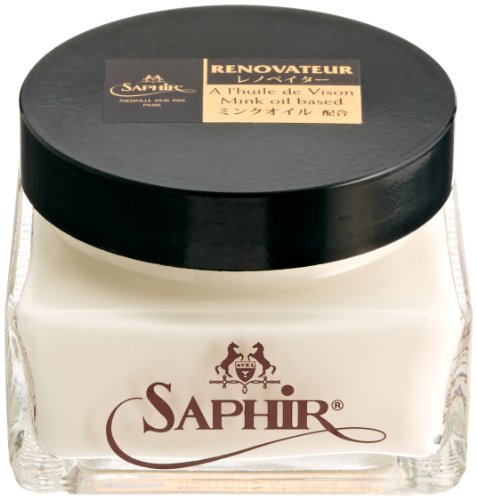
- RENOVATOR: This is a must-have from Saphir’s collection of leather care…
- FORMULA: The renovator is known for exceptional cleaning, conditioning,…
- EASY-TO-USE: Apply this product to clean leather with a chamois cloth to…
Conclusion: Mastering Leather Skate Boot Care for Lasting Performance
Properly conditioning and moisturizing your leather figure skate boots is a simple yet powerful practice. It directly preserves the boot’s structural support and your safety on the ice. This routine prevents costly cracks and extends the life of your investment significantly.
The key takeaway is consistent, preventative maintenance using the right products. Choose a quality, non-darkening leather conditioner and follow the step-by-step guide outlined here. Integrate this care into your regular skating schedule.
Start your boot care regimen today. Gather your supplies and give your skates the attention they deserve. Your future self will thank you for the enhanced comfort and avoided replacement costs.
With this knowledge, you can skate with confidence, knowing your equipment is protected and performance-ready. Happy skating!
Frequently Asked Questions about Conditioning Leather Figure Skate Boots
What is the best leather conditioner for white figure skates?
The best conditioners for white boots are specifically formulated to be non-darkening. Look for products like Bickmore Bick 4 or Lexol that clearly state they won’t alter leather color. These pH-balanced formulas moisturize without pigments or heavy oils that cause yellowing or dark stains.
Always test any new conditioner on a small, hidden area first, like the inside of the tongue. This confirms the product is safe for your boots’ specific leather before applying it to visible areas.
How often should I condition my leather skate boots?
A general rule is to condition every 30-40 hours of ice time, roughly every 2-3 months for recreational skaters. More frequent skaters or those in dry climates may need treatment every 4-6 weeks. Let the leather’s condition be your primary guide, not just the calendar.
Key signs you need to condition include stiffness, a dull appearance, and increased creasing. Consistent, preventative conditioning is far more effective than trying to repair already dry, cracked leather.
Can I use mink oil on my figure skate boots?
We do not recommend mink oil for modern figure skate boots. It is a heavy, animal-based oil that typically darkens leather significantly and can over-soften it. This compromises the boot’s crucial structural support and stiffness needed for jumps and spins.
Modern synthetic or water-based conditioners are designed to nourish without oversoftening. They provide the necessary moisture while preserving the boot’s performance integrity and original color.
What should I do if my skate boots get wet?
First, wipe off excess moisture immediately with a dry, absorbent cloth. Remove the laces and insoles, then stuff the boots with crumpled newspaper or boot shapers to maintain shape and absorb internal dampness. Let them air dry at room temperature, away from direct heat sources.
Once completely dry—which may take 24-48 hours—apply a light coat of conditioner. The drying process strips natural oils, so re-moisturizing is essential to prevent the leather from becoming brittle.
How can I tell if my boots are too damaged and need replacing?
Look for deep structural cracks you can feel with your fingernail, especially around the ankle collar or where the foot bends. Other critical signs include the sole separating from the upper, or the boot collapsing inward when laced, offering no ankle support.
If conditioning no longer restores flexibility and the boots feel permanently stiff or misshapen, it’s a safety issue. Continuing to skate in compromised boots increases the risk of injury significantly.
Is it necessary to condition the inside of the skate boot?
Yes, conditioning the interior leather is important, but be very sparing. The inside lining endures sweat and friction, which dries it out. Use a very small amount of conditioner on a cloth and apply a light, even coat, focusing on the tongue and ankle areas.
Avoid over-saturating the interior, as this can affect fit and create a damp environment. The goal is to prevent the lining from cracking and becoming uncomfortable, not to make it slick.
What’s the difference between waterproofing and conditioning leather?
Conditioning replenishes the leather’s internal oils to keep it supple and strong from within. Waterproofing creates a surface barrier (like wax or silicone) to repel water. For skate boots, conditioning is the essential task for longevity.
Most skaters should avoid heavy waterproofing sprays, as they can seal the leather and prevent it from absorbing future conditioner. For moisture protection, focus on thorough drying after use instead.
Can I use a hair dryer to dry my boots faster after conditioning?
Never use direct heat from a hair dryer, radiator, or heater. High heat bakes the leather, causing it to become brittle, shrink, and crack. It can also melt the adhesives holding the boot together.
Always allow boots to dry naturally at room temperature. Patience is key; rushing the process with heat will cause irreversible damage that conditioning cannot fix.