Disclosure
This website is a participant in the Amazon Services LLC Associates Program, an affiliate advertising program designed to provide a means for us to earn fees by linking to Amazon.com and affiliated sites.
Removing rust from figure skate blades is essential for maintaining performance and safety. This complete guide provides expert tips and proven methods to restore your blades. You will learn how to protect your investment and ensure smooth glides.
Rust compromises your edges and can lead to poor control on the ice. Our step-by-step instructions make blade maintenance simple and effective. Follow these techniques to extend your skates’ lifespan significantly.
Why Rust Forms on Your Blades and Why It’s a Problem
Rust forms when the carbon steel of your blades is exposed to moisture and oxygen. This often happens from skating on wet ice, improper drying, or storing skates in a damp bag. The result is a rough, pitted surface that destroys performance.
Rusted blades lose their sharp, clean edges, making turns, stops, and jumps unpredictable and dangerous. Even light surface rust creates friction, slowing you down and forcing you to work harder. Ignoring it leads to deeper pitting, which can permanently damage the blade and require costly professional repair or replacement.
A Quick Fix: The Essential Rust Removal Kit
For light to moderate surface rust, a dedicated cleaning kit is the safest and most effective solution. These kits are designed specifically for skate blades to avoid damaging the metal or your skate’s finish.
We recommend the Edea Skates Polish. It provides everything you need for a thorough clean without guesswork.
- Gentle Rust Remover: Safely dissolves oxidation without harsh acids.
- Protective Polish: Creates a barrier to help prevent future rust.
- Application Tools: Includes soft cloths and applicators to avoid scratches.
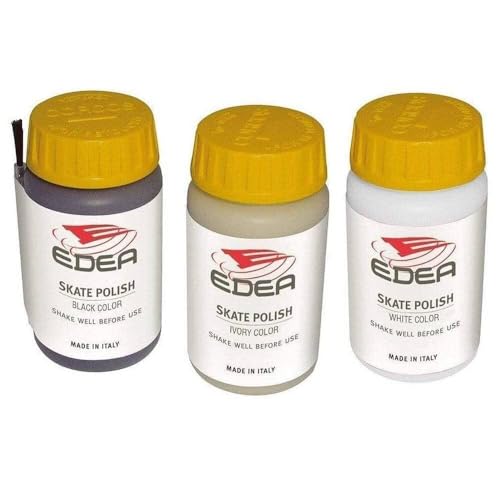
- EDEA Skate Polish will keep your EDEA Looking GREAT!!!
- The EDEA Skate Polish should be applied with a damp sponge
- After it dries, buff off the excess when dry
Check current price on Amazon →
When a Simple Clean Isn’t Enough
If rust has caused deep pitting or your blades are chronically rusting, the core issue may be the blade quality. Lower-grade carbon steel blades are far more prone to rapid corrosion.
Upgrading to skates with high-quality stainless steel blades is a long-term solution. Stainless steel is highly corrosion-resistant, stays sharper longer, and requires less maintenance. For a durable, rust-resistant option, consider the Riedell Soar ice skates or explore our guide to the best recreational skates for women that prioritize both performance and durability.
Step-by-Step Guide to Removing Rust from Skates
This proven method will safely restore your figure skate blades. Follow each step carefully to avoid damaging the steel. Proper technique is key to preserving your blade’s integrity and sharpness.
Gathering Your Rust Removal Supplies
You need the right tools for effective and safe cleaning. Avoid using household abrasives like steel wool, which can scratch the blade. Instead, gather these specialized items:
- White Vinegar or Dedicated Rust Remover: Mild acids that dissolve oxidation.
- Fine-Grit Sandpaper (600+ grit) or a Rust Eraser: For gently scrubbing stubborn spots.
- Microfiber Cloths and Cotton Swabs: For application and polishing without lint.
- Isopropyl Alcohol: To degrease and dry the blade after cleaning.
- Blade Guards (Soft, Absorbent): For storage only, never for wet blades.
The Safe Cleaning and Polishing Process
Execute this process in a well-lit, clean workspace. Work methodically from one end of the blade to the other for consistent results.
- Apply Your Chosen Solution. Soak a cloth in white vinegar or commercial remover. Gently rub it along the rusted areas and let it sit for 5-10 minutes to break down the corrosion.
- Gently Scrub the Blade. Use a rust eraser or fine sandpaper with light pressure. Always scrub along the length of the blade, never across it, to maintain the edge alignment.
- Dry and Degrease Thoroughly. Wipe the blade completely clean with a dry cloth. Then, use a cotton swab dipped in isopropyl alcohol to remove any remaining residue and ensure the metal is bone-dry.
- Apply a Protective Polish. Once fully dry, buff the blade with a silicone-based blade polish or a very light coat of mineral oil. This creates a protective barrier.
After polishing, let the blades air-dry completely before storage. Immediately place them in soft, absorbent soakers, not hard plastic guards, which trap moisture.
Preventing Future Rust on Figure Skate Blades
Proper maintenance is easier than rust removal. Consistent care prevents corrosion and extends your blade’s life. Make these habits part of your post-skating routine.
Essential Post-Skating Blade Care Routine
Your actions in the first 30 minutes after skating are critical. Moisture from ice melt is the primary enemy. Follow this simple three-step routine every time.
- Dry Immediately: Use a dedicated, absorbent microfiber cloth to wipe down each blade thoroughly. Pay special attention to the crevice where the blade meets the sole.
- Remove Guards and Air Dry: Never store skates in hard plastic blade guards. Instead, use breathable terrycloth soakers that absorb residual moisture as the skates air dry.
- Store in a Dry Place: Keep your skates in an open area with good airflow, away from damp basements or hot car trunks.
Choosing the Right Protective Products
Using the correct products creates a barrier against moisture. Not all protectants are equal for figure skate blades.
| Product Type | Best Use Case | Application Tip |
|---|---|---|
| Silicone-Based Blade Polish | Regular maintenance after drying. Creates a thin, protective film. | Apply a small amount to a cloth, buff blade, then wipe off excess. |
| Light Machine Oil (3-in-1) | Long-term storage (weeks/months). Offers heavier protection. | Apply a single, thin coat. Wipe off thoroughly before next use. |
| Rust Inhibitor Sprays | For skaters in very humid climates. | Spray on a cloth first, then wipe blade to avoid overspray on boots. |
Common Storage Mistakes to Avoid
Improper storage undoes all your careful cleaning. Avoid these frequent errors that accelerate rust formation.
- Leaving on Hard Plastic Guards: This traps moisture directly against the steel, creating a perfect rust incubator.
- Storing in a Closed Bag: A zipped skate bag prevents evaporation and promotes a damp, humid microclimate.
- Neglecting the Sole: Moisture collects where the blade is mounted. Wipe the entire sole plate dry.
Advanced Tips and When to Seek Professional Help
Some rust situations require special attention or expert intervention. Knowing when to DIY and when to call a pro protects your investment. This section covers advanced care and critical warning signs.
Dealing with Severe Rust and Pitting
Deep, pitted rust cannot be fully removed at home without risking blade integrity. Aggressive sanding can alter the blade’s profile and hollow. Assess the damage carefully before proceeding.
- Evaluate the Depth: Run your fingernail across the rust spot. If it catches in a deep groove, the pitting is severe.
- Limited Home Treatment: You can clean the surface with vinegar and a rust eraser to halt progression. However, the pits will remain and may affect ice feel.
- Focus on Prevention: After cleaning, be meticulous with drying and protection to prevent the pits from worsening.
Signs You Need a Professional Sharpening or Repair
A professional skate technician has the tools and expertise to assess and remediate serious damage. Contact a pro if you notice any of the following issues.
- Deep Pitting Along the Edge: This compromises the structural integrity of the blade’s most critical part. A tech can assess if a re-profiling is possible.
- Rust at the Mounting Points: Corrosion on the screws or sole plate weakens the connection between blade and boot, creating a safety hazard.
- Persistent Rust After Thorough Cleaning: If rust reappears immediately despite perfect care, the steel quality may be poor. A tech can advise on blade replacement.
Long-Term Blade Maintenance Schedule
Consistency is the ultimate rust prevention strategy. Adopt this simple schedule to keep blades in competition-ready condition.
| Frequency | Action | Goal |
|---|---|---|
| After Every Use | Dry blades & boots; use soakers. | Remove immediate moisture. |
| Weekly | Wipe with alcohol; apply light polish. | Degrease and add protective layer. |
| Monthly | Inspect for early rust spots; clean if needed. | Prevent small issues from escalating. |
| Seasonally / Before Storage | Apply a thin coat of light machine oil for long breaks. | Provide heavy-duty protection during inactivity. |
Choosing Rust-Resistant Skates and Accessories
The best defense is starting with equipment designed to resist corrosion. Your choice of skates and gear significantly impacts long-term maintenance. Invest wisely to save time and effort later.
Stainless Steel vs. Carbon Steel Blades
Blade material is the most important factor in rust prevention. Understanding the difference helps you make an informed purchase.
| Feature | Stainless Steel Blades | Carbon Steel Blades |
|---|---|---|
| Rust Resistance | Very High. Contains chromium for corrosion protection. | Moderate to Low. Prone to oxidation without meticulous care. |
| Sharpness Retention | Excellent. Holds an edge longer between sharpenings. | Good. Can achieve a very sharp edge but dulls faster. |
| Cost & Typical Use | Higher initial cost. Common in mid-level to professional skates. | Lower cost. Often found in entry-level and recreational models. |
For skaters in humid climates or who skate frequently, stainless steel is worth the investment for reduced maintenance and anxiety.
Must-Have Accessories for Blade Longevity
The right accessories make proper care effortless. These three items are non-negotiable for protecting your blades.
- Absorbent Terrycloth Soakers: These soft covers wick away moisture after skating. They are the single best replacement for hard plastic guards for storage.
- Hard Plastic Guards for Walking: Use these only for brief walkways to the ice. Immediately remove them once off the ice to prevent moisture trapping.
- Dedicated Microfiber Drying Cloth: Keep a small, absorbent cloth in your skate bag for instant drying right after your session.
What to Look for in a New Skate Purchase
When buying skates, prioritize rust resistance to ensure durability. Ask these key questions before you buy.
- What is the blade material? Explicitly look for “stainless steel” in the description. If it only says “carbon steel,” expect higher maintenance.
- Does it include proper care accessories? Many quality skates bundle soakers and a cloth. This is a good indicator the manufacturer prioritizes longevity.
- Is the blade separately mounted? Higher-quality boots often have replaceable blades. If a blade is irreparably damaged, you can replace it without buying all-new skates.
Common Mistakes and Myths About Skate Blade Care
Misinformation can lead to damaged blades. Debunking these myths prevents costly errors. Learn what not to do to keep your blades in top condition.
Harmful Practices That Damage Blades
Many well-intentioned habits actually accelerate wear and rust. Avoid these common but damaging actions.
- Using Steel Wool or Abrasive Scrubbers: These create microscopic grooves in the steel. These grooves trap moisture and make the blade more susceptible to future rust.
- Storing Skates in a Car Trunk: Extreme temperature fluctuations cause condensation to form on cold metal, creating a perfect rust environment.
- Applying WD-40 as a Protector: WD-40 is a water displacer and degreaser, not a long-term lubricant or protectant. It evaporates quickly, leaving blades unprotected.
- Walking on Concrete Without Guards: This dulls the edges instantly and exposes the raw, scratched steel to moisture, inviting rapid corrosion.
Debunking Popular Blade Care Myths
Let’s clarify the truth behind widespread skate care folklore. Rely on proven methods, not old rumors.
| Myth | Reality | Correct Action |
|---|---|---|
| “Putting blades in rice draws out moisture.” | Rice is ineffective for large metal objects. It can’t absorb moisture trapped between blade and sole. | Use physical drying with a cloth and air flow with soakers. |
| “Vinegar ruins the temper of the steel.” | Short-term, diluted vinegar contact does not affect blade temper. Prolonged soaking is unnecessary and should be avoided. | Apply vinegar with a cloth for 5-10 minutes only, then wipe and dry thoroughly. |
| “New blades don’t need protection.” | New blades are bare, unfinished steel and are highly vulnerable. Protection should start immediately. | Apply a light polish after your first drying session with new skates. |
Quick Fixes That Make Problems Worse
Some shortcuts provide immediate visual results but cause long-term harm. Steer clear of these counterproductive “solutions.”
- Painting Over Rust: This traps moisture and corrosion against the metal, allowing it to spread unseen beneath the paint until it causes severe damage.
- Over-Oiling the Blades: Excess oil attracts dirt and grime, creating an abrasive paste that can scratch the blade and gum up sharpening equipment.
- Using a Dremel or Power Tool to Remove Rust: The high speed generates excessive heat and removes too much metal. This can ruin the blade’s profile and hollow in seconds.
FAQs: Expert Answers to Common Rust Questions
Skaters often have specific concerns about blade rust. These expert answers provide clarity and confidence. Find quick solutions to your most pressing questions here.
Can I Use Household Items to Clean Rusty Blades?
Yes, but with important caveats. Common items can be effective for light surface rust if used correctly. Always test on a small area first.
- White Vinegar: Effective and safe. Soak a cloth, apply for 5-10 minutes, then scrub gently with a non-abrasive pad. Rinse and dry thoroughly immediately after.
- Baking Soda Paste: Mix with water to form a paste. Acts as a mild abrasive. Apply, let sit briefly, then rub gently along the blade length. Wipe clean completely.
- Lemon Juice: Similar acidity to vinegar. Use the same method. Be aware it can be slightly more sticky and requires very thorough rinsing.
Avoid: Coca-Cola (too sticky), salt-based pastes (can be corrosive), and any harsh chemical cleaners not designed for metals.
How Often Should I Sharpen Rust-Affected Blades?
Rust changes your sharpening timeline. Do not sharpen over active rust, as it will ruin the sharpening wheel and not produce a clean edge.
- Clean First, Sharpen Second: Always completely remove all rust using the methods in this guide before considering a sharpening.
- Assess the Edge: After cleaning, feel the edges with your thumb (carefully). If they feel uniformly sharp, you may not need an immediate sharpening.
- Consult a Pro: If rust caused pitting on the skating surface, a professional sharpening is mandatory to re-establish a smooth, consistent hollow.
Are Rusty Blades a Safety Hazard?
Yes, rust directly impacts safety on the ice. It compromises the fundamental tools you rely on for control and stability.
| Safety Risk | How Rust Causes It | Potential Outcome |
|---|---|---|
| Reduced Edge Control | Rust creates a rough, uneven surface that fails to grip the ice cleanly. | Skates may slip out during turns, stops, or landings, leading to falls. |
| Unpredictable Performance | Pitted blades interact with the ice inconsistently. | You cannot trust your edges, increasing anxiety and the chance of error. |
| Structural Failure | Severe rust weakens the steel, especially at stress points like the toe pick. | In extreme cases, a blade could crack or snap, causing a serious accident. |
Treat rust not just as a cosmetic issue, but as a critical safety maintenance priority.
Conclusion: Maintaining Pristine Blades for Peak Performance
Consistent care is the cornerstone of great skating. By integrating these practices, you protect your investment and your safety. Let’s recap the essential philosophy for rust-free blades.
The Ultimate Mindset for Blade Longevity
Shift your thinking from reactive cleaning to proactive prevention. Your blades are precision tools, not disposable items. This mindset saves money and improves your skating experience.
- Dryness is Non-Negotiable: Moisture is the enemy. Make thorough drying your unbreakable rule after every single ice session.
- Protection is Proactive: Applying a protectant isn’t for when you see rust; it’s to ensure you never see it.
- Inspection is Routine: Regularly check your blades for the earliest signs of trouble. Catching a small spot early prevents a major problem.
Your Action Plan for Rust-Free Skating
Implement this simple, three-part action plan starting today. Consistency is far more powerful than occasional intense effort.
- Establish Your Post-Skate Ritual: Cloth, soakers, dry storage. Do this without fail.
- Equip Yourself Properly: Invest in a rust eraser, microfiber cloths, and quality blade polish. Keep them in your skate bag.
- Schedule Monthly Maintenance: Set a calendar reminder for a quick blade inspection and light polish application.
Continuing Your Skating Journey
With your blades protected, you can focus on skill development. Explore our other resources to enhance your comfort and performance on the ice. Discover the best gear for your needs, from the most comfortable ice skates for long practice sessions to specialized options like skates built for warmth and comfort in cold rinks. For growing skaters, our guide to the best adjustable youth ice skates ensures a perfect fit season after season.
Your dedication to equipment care reflects your commitment to the sport. Now, step onto the ice with confidence, knowing your blades are ready to perform.
Best Products for Rust Removal and Blade Care – Detailed Comparison
Edea Skates Polish – Best Overall Choice
This all-in-one kit is specifically formulated for figure skate blades. It includes a gentle rust dissolver, a protective polish, and soft application tools. It’s the safest, most effective solution for light to moderate rust without risking damage to your blade’s finish or edges.
- EDEA Skate Polish will keep your EDEA Looking GREAT!!!
- The EDEA Skate Polish should be applied with a damp sponge
- After it dries, buff off the excess when dry
Lodge Rust Eraser – Best Budget-Friendly Tool
The Lodge eraser offers a simple, chemical-free mechanical cleaning method. Its fine abrasive surface removes surface oxidation with minimal metal removal. It’s ideal for quick touch-ups at the rink and is reusable for multiple cleanings, making it a cost-effective staple.

- Successfully restore any piece of Lodge cast iron cookware
- Provides precision when removing surface rust and tarnish
- Best tool to have in your arsenal when you want to restore family heirlooms
Wahl Clipper Oil – Best for Prevention
Designed by a leading skate manufacturer, this conditioner creates a superior protective barrier. After cleaning, a thin coat repels moisture and prevents new rust formation during storage. It’s non-greasy and won’t attract dirt, keeping your blades competition-ready between uses.

- Extends Blade Life: Specially formulated oil helps extend the life of…
- Reduces Friction: Keeps blades running smoothly by reducing friction and…
- Easy Application: Designed with a precision nozzle for easy and accurate…
Conclusion: Maintaining Rust-Free Figure Skate Blades
Removing and preventing rust is essential for performance and safety. The methods outlined protect your investment and ensure reliable edges. Consistent care is simpler than major repairs.
The key takeaway is proactive drying and protection after every use. This five-minute habit prevents hours of future work. Equip yourself with the right tools for easy maintenance.
Start implementing your post-skate ritual today. Your blades will reward you with smooth glides and confident control. Share this guide with fellow skaters to help them protect their gear too.
Now you have the knowledge to skate with confidence on perfectly maintained blades.
Frequently Asked Questions about Rust on Figure Skate Blades
What is the fastest way to remove light rust from skate blades?
The quickest method is using a dedicated skate rust eraser. Gently rub it along the length of the blade where rust appears. This mechanically removes surface oxidation without liquids or wait time.
For a slightly deeper clean, apply white vinegar with a cloth for five minutes before using the eraser. Always dry the blade completely with isopropyl alcohol afterward to prevent immediate reformation.
Can I use WD-40 to prevent rust on my ice skates?
No, WD-40 is not recommended for long-term rust prevention on skate blades. It is primarily a water displacer and degreaser, not a protective lubricant. It evaporates quickly, leaving the blade unprotected.
For proper protection, use a product designed for blades, like a silicone-based polish or a light machine oil. These create a durable barrier that lasts through storage and wipes clean before skating.
How do I know if the rust on my blades is too severe to fix at home?
Severe rust involves deep pitting you can feel with your fingernail or visible corrosion at the blade’s mounting screws. If the metal appears cratered or the structural integrity seems compromised, professional assessment is needed.
Surface rust that wipes off with light scrubbing is manageable at home. Deep pitting requires a skate technician who can evaluate if the blade can be salvaged with a professional sharpening or needs replacement.
What is the best homemade solution for cleaning rusty skate blades?
A white vinegar and baking soda paste is a safe, effective homemade option. Apply the paste to the rusted areas and let it sit for 5-10 minutes to react with the oxidation.
Gently scrub with a soft cloth or non-abrasive sponge, always moving lengthwise along the blade. Rinse thoroughly with water and then dry immediately and completely with a clean, dry cloth followed by isopropyl alcohol.
Why do my brand new skate blades get rust spots so quickly?
New blades are often bare, unfinished steel and are highly vulnerable. Immediate exposure to moisture from ice melt without a protective coating causes rapid oxidation. The first few uses are the most critical for care.
To prevent this, establish a drying and protection routine from day one. After your first skate, dry the blades meticulously and apply a thin coat of blade polish before storage to seal the metal.
Is it safe to skate on blades with a little bit of rust?
Skating on rusty blades is not recommended for safety and performance. Rust creates a rough surface that reduces friction and edge control, making turns and stops unpredictable. This increases your risk of slips and falls.
Even minor rust will accelerate wear on your sharpening hollow and can spread quickly. It’s best to clean any rust immediately to maintain optimal performance and safety on the ice.
What’s the difference between stainless steel and carbon steel blades for rust?
Stainless steel blades contain chromium, which provides inherent corrosion resistance. They are far less likely to rust with basic care. Carbon steel blades are harder but lack this protective element, making them prone to oxidation without meticulous drying and oiling.
For skaters in humid climates or who want low-maintenance gear, stainless steel is the superior choice. While often more expensive upfront, they save time and worry in the long run.
How often should I apply a protective coating to my blades?
Apply a light protective coating, like silicone polish, after every drying session for regular skaters. This maintains a consistent barrier. For skates used weekly, a quick buff after drying is sufficient.
For long-term storage (off-season), apply a slightly heavier coat of light machine oil. Always ensure the blade is perfectly clean and dry before applying any protectant to avoid trapping moisture.