Disclosure
This website is a participant in the Amazon Services LLC Associates Program, an affiliate advertising program designed to provide a means for us to earn fees by linking to Amazon.com and affiliated sites.
Inline skating is an exhilarating sport, but starting can feel overwhelming. Many beginners worry about balance, falls, or choosing the wrong gear. The truth? With the right approach, anyone can learn.
You might think skating requires natural talent, but that’s a myth. Proper preparation and technique make all the difference. Imagine gliding effortlessly—this guide will get you there.
Best Inline Skates for Beginners
Rollerblade Zetrablade Women’s/Men’s Inline Skates
The Rollerblade Zetrablade (RB-80-W/RB-80-M) is perfect for beginners, offering a comfortable fit with a breathable liner and cushioned cuffs. Its aluminum frame ensures stability, while the 80mm wheels provide smooth rolling. Ideal for recreational skating on paved trails and sidewalks.
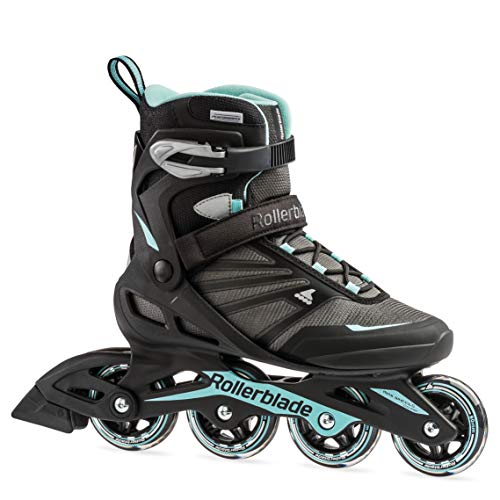
- IDEAL FOR CASUAL AND NOVICE SKATERS – Entry-level balanced skate for women…
- HIGH CUFF FOR ADDED SUPPORT – Durable shell makes learning skate easier
- COMFORT PERFORMANCE LINER – Padded liner and secure closure system ensure…
K2 Kinetic 80 Pro Inline Skates
The K2 Kinetic 80 Pro (K2M22) features a soft boot design for maximum comfort and a responsive fit. The 80mm wheels with ABEC-5 bearings deliver a fast, smooth ride, and the rockerable frame allows for better maneuverability as skills progress.

- Traditional Lacing – Customize your lacing and knot the same way you tie…
- Stability Plus Cuff – Provides the right amount of support, flexibility,…
- F.B.I. frame – is a vibration-absorbing composite frame that is interlocked…
Powerslide Phuzion Radon 80 Inline Skates
The Powerslide Phuzion Radon 80 (PSR80) combines affordability with performance. Its sturdy trinity frame and 80mm wheels ensure stability, while the adjustable cuff provides ankle support. Great for fitness skaters transitioning from beginner to intermediate levels.
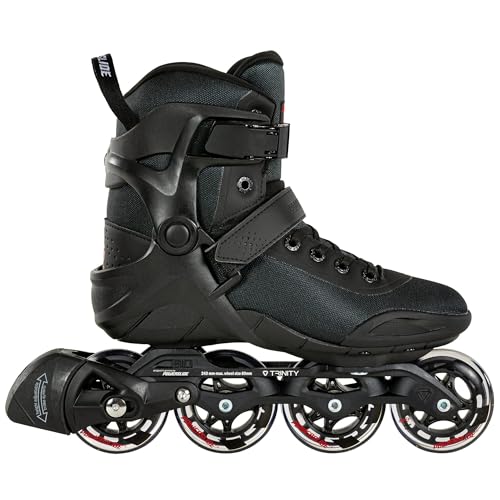
- Radon Black 80 – So smooth, so comfortable, so stylish!
- The skate offers more technical features than you could dream off at this…
- The Trinity mounting system provides ultimate support, power transfer and…
Essential Gear for Safe and Enjoyable Inline Skating
Before you take your first strides, having the right equipment is crucial for both safety and performance. Many beginners underestimate the importance of proper gear, leading to discomfort or even injuries. Let’s break down each essential item and why it matters.
Inline Skates: Finding the Perfect Fit
Your skates are the foundation of your experience. A proper fit means no pinching, slipping, or excessive pressure points. Measure your foot size accurately and refer to brand-specific sizing charts, as fit varies between manufacturers. For example, Rollerblade skates often run true to size, while K2 models may feel snugger initially but break in over time. Avoid buying oversized skates “to grow into”—this compromises control and increases fall risks.
Protective Gear: Non-Negotiable Safety
A complete safety set includes:
- Helmet: Look for CPSC or EN1078 certification (e.g., Triple Eight Dual Certified Helmet) with proper ventilation
- Wrist guards: Must have rigid splints (like 187 Killer Pads) to prevent hyperextension injuries
- Knee/elbow pads: Should stay in place during falls (Pro-Tec Street Pads use silicone grippers)
Many beginners skip wrist protection, but 37% of skating injuries involve wrist fractures according to the American Academy of Orthopedic Surgeons.
Clothing for Performance and Comfort
Choose moisture-wicking fabrics that allow freedom of movement. Avoid baggy pants that might catch wheels—athletic leggings or fitted shorts work best. For cooler weather, layer with breathable materials like merino wool. Specialized skating socks (e.g., Balega Blister Resist) prevent friction and keep feet dry during extended sessions.
Remember that quality gear is an investment in your skating longevity. While entry-level equipment works for casual skaters, those planning frequent sessions should consider mid-range options with better durability and support features.
Mastering Basic Inline Skating Techniques
Developing proper technique from day one prevents bad habits and accelerates your progress. Many beginners focus solely on moving forward, but true control comes from mastering these fundamental skills in sequence.
The Ready Position: Your Foundation for Control
Start with your feet shoulder-width apart, knees bent at about 120 degrees (imagine sitting in a chair). Keep your weight centered over the middle of your skates – this lowers your center of gravity by approximately 30% compared to standing straight. Practice this static position until you can maintain it comfortably for 2-3 minutes. Common mistakes include:
- Leaning too far forward: Causes loss of backward balance
- Locked knees: Eliminates shock absorption and maneuverability
- Hunched shoulders: Creates upper body tension that affects stability
The Art of Gliding: From First Steps to Fluid Motion
Begin by pushing off with one foot at a 45-degree angle (like a hockey stop motion), transferring weight smoothly to the gliding foot. Keep pushes short (12-18 inches) initially – longer strokes require more balance. The key is maintaining the “V” formation with your skates throughout the motion. For practice:
- Find a smooth, flat surface with rail support (tennis courts work well)
- Alternate 10 pushes per side while holding the rail
- Gradually reduce rail dependence as confidence builds
Stopping Techniques: Essential Safety Skills
The heel brake (standard on most beginner skates) requires specific form to be effective. Shift your weight to the non-braking foot, then extend the braking foot forward at a 15-20 degree angle. Apply gradual pressure – slamming the brake causes loss of control. Advanced alternatives to practice later include:
- T-stop: Dragging one perpendicular skate behind
- Powerslide: Advanced 90-degree turn stop
- Plow stop: Creating a “V” with both skates
Remember that muscle memory develops through repetition – dedicate 15 minutes per session to technique drills before free skating. Professional skaters spend 40% of practice time on fundamentals, even at advanced levels.
Advanced Maneuvers and Skill Progression
Once you’ve mastered basic gliding and stopping, these advanced techniques will transform your skating from functional to fluid. Understanding the biomechanics behind each move helps execute them safely and efficiently.
Crossovers: The Key to Efficient Turning
Crossovers allow you to maintain speed while turning by crossing one skate over the other. The technique involves:
| Phase | Body Position | Weight Distribution |
|---|---|---|
| Entry | Lean into turn at 20-30° angle | 70% on outside skate |
| Crossover | Cross inside skate over outside | Shift to 50/50 during transition |
| Recovery | Return to neutral stance | 70% on new outside skate |
Practice on large, smooth curves (like empty parking lots) starting with wide arcs. Common mistakes include insufficient lean (causing loss of balance) and incomplete weight transfer (resulting in jerky motion).
Backward Skating: Developing Spatial Awareness
Begin by mastering the “lemon drop” or “c” stroke:
- Start with toes pointed inward (45° angle)
- Push outward in symmetrical “C” shapes
- Keep knees deeply bent (120-130° flexion)
- Use peripheral vision and frequent shoulder checks
Advanced skaters achieve speeds up to 15 mph backward by combining this with proper arm swing mechanics. Always practice in controlled environments with a spotter initially.
Jumping Techniques: From Basic Hops to 180s
Proper jumping form prevents ankle injuries and ensures clean landings:
- Two-foot jump: Explode upward from bent knees, tuck legs symmetrically
- Staggered landing: Absorb impact by landing one foot slightly before the other
- Rotational jumps: Initiate turn with shoulder rotation before leaving ground
Professional skaters recommend spending 3-5 sessions mastering each skill before progressing. Film your practice to analyze form – most beginners underestimate their forward lean during jumps by 15-20°.
Maintenance and Performance Optimization for Inline Skates
Proper skate maintenance not only extends equipment lifespan but significantly improves performance and safety. Professional skaters spend 15 minutes on maintenance for every 10 hours of skating – a ratio beginners should emulate.
Wheel Rotation and Bearing Maintenance
Uneven wheel wear affects stability and control. Follow this rotation schedule:
- Recreational skaters: Rotate wheels every 30-40 miles (flip wheels and swap positions)
- Aggressive skaters: Rotate every 15-20 miles due to higher stress
- Wheel hardness: 78A-82A for outdoor (softer), 85A+ for indoor (harder)
For bearings, use a two-step cleaning process:
1. Soak in citrus-based cleaner (avoid petroleum products)
2. Relubricate with speed cream (3 drops per bearing)
High-end bearings (like Bones Swiss) can last 2,000+ miles with proper care.
Frame Alignment and Hardware Checks
Misaligned frames cause uneven pressure distribution. Monthly checks should include:
| Component | Check | Tool |
|---|---|---|
| Frame bolts | 8-10Nm torque | Torque wrench |
| Axles | No lateral play | Allen key |
| Boot structure | Cracks/stress marks | Visual inspection |
Performance Tuning for Different Styles
Custom setups dramatically affect performance:
- Fitness skating: Longer frames (255-280mm) with 90-100mm wheels for stability
- Urban skating: Shorter frames (230-250mm) with 80-84mm wheels for agility
- Slalom: Rockered setup (front/rear wheels 1-2mm higher than middle)
Always break in new equipment gradually – professional skaters recommend 20% intensity increase per session for the first 5 uses. Store skates in breathable bags with silica gel packs to prevent moisture damage to bearings and boot materials.
Safety Protocols and Injury Prevention Strategies
While inline skating offers tremendous health benefits, proper safety measures reduce injury risks by up to 87% according to sports medicine research. This section details comprehensive protection strategies beyond basic gear.
Environmental Hazard Assessment
Surface conditions account for 42% of skating accidents. Develop a pre-skate inspection routine:
| Hazard Type | Risk Factor | Mitigation Strategy |
|---|---|---|
| Wet surfaces | 3.5x increased fall risk | Use 78A-82A wheels with deep grooves |
| Cracked pavement | Ankle torsion danger | Maintain staggered stance over rough patches |
| Incline changes | Speed control challenge | Practice heel braking at 5° increments |
Progressive Skill Development Framework
Follow this evidence-based progression timeline to build competence safely:
- Weeks 1-2: Master static balance (30+ seconds), basic strides (50m), and controlled stops
- Weeks 3-4: Introduce gentle slopes (≤5°), backward skating, and obstacle avoidance
- Weeks 5-6: Practice emergency stops from moderate speeds (10-12kph)
- Weeks 7+: Begin advanced maneuvers (crossovers, small jumps) with protective spotters
Injury Response and Recovery Protocols
For common skating injuries:
- Wrist sprains: RICE method (Rest, Ice, Compression, Elevation) for 48-72 hours
- Road rash: Clean with saline solution, apply hydrogel dressing for optimal healing
- Ankle rolls: Use compression sleeves and gradual range-of-motion exercises
Advanced skaters should incorporate proprioception training (balance board exercises) 2-3 times weekly to enhance joint stability. Recent studies show this reduces ligament injuries by 62% in roller sports athletes.
Always carry a basic first aid kit including elastic bandages, sterile gauze, and antiseptic wipes. Consider investing in impact-activated protective gear like D3O technology for high-intensity skating.
Training Regimens and Performance Enhancement
Developing a structured training program accelerates skill acquisition while preventing plateaus. Competitive skaters follow periodized training cycles, but recreational skaters can adapt these principles for optimal progress.
Periodization Framework for Skill Development
A 12-week progressive training cycle should incorporate:
| Phase | Focus | Intensity | Duration |
|---|---|---|---|
| Foundation | Basic techniques & endurance | 60-70% max effort | Weeks 1-4 |
| Development | Advanced maneuvers & speed | 75-85% max effort | Weeks 5-8 |
| Performance | Skill refinement & power | 85-95% max effort | Weeks 9-12 |
Off-Skate Conditioning Essentials
Supplemental training improves on-skate performance:
- Plyometrics: Box jumps (3 sets of 10) build explosive power for pushes
- Core stability: Plank variations (front/side) enhance balance control
- Mobility work: Dynamic hip openers improve stride length by 15-20%
Heart Rate Zone Training for Endurance
Target specific physiological adaptations:
- Zone 2 (60-70% max HR): 45-60 minute sessions for aerobic base building
- Zone 4 (80-90% max HR): 30-second intervals with 90-second recovery
- Active recovery: 20-minute Zone 1 sessions between intense workouts
Advanced skaters should incorporate video analysis every 4-6 weeks to identify technical flaws. Common inefficiencies include excessive upper body rotation (wasting 12-15% of energy) and incomplete push extensions (reducing stride power by 20%).
Nutrition plays a critical role – consume 20-30g protein within 30 minutes post-session for muscle recovery, and maintain electrolyte balance during sessions exceeding 60 minutes. Professional skaters typically replace 150% of fluid losses in the 4-6 hours following intense training.
Competition Preparation and Advanced Performance Metrics
Transitioning from recreational to competitive inline skating requires systematic preparation and precise performance tracking. Elite athletes spend 70% of training time on specific skill refinement and 30% on general conditioning.
Competition-Specific Training Cycles
Implement this 16-week periodization model before major events:
| Phase | Duration | Key Focus Areas | Intensity Metrics |
|---|---|---|---|
| Base Building | Weeks 1-4 | Aerobic capacity, technical fundamentals | HR Zone 2-3, 60-70% max effort |
| Strength Phase | Weeks 5-8 | Power development, anaerobic threshold | 85-90% max effort intervals |
| Peaking | Weeks 9-12 | Race simulations, speed endurance | 95-100% competition pace |
| Tapering | Weeks 13-16 | Recovery, technique refinement | 60% volume reduction |
Advanced Biomechanical Analysis
Key performance indicators to monitor:
- Stride efficiency: Measure power output per kcal (aim for ≥8.5 watts/kcal)
- Ground contact time: Optimal push duration 0.18-0.22 seconds
- Recovery angle: 115-125° knee flexion during glide phase
Competition Day Protocols
Execute this pre-event routine:
- 3 hours before: Carb-load with 1-1.2g/kg body weight
- 90 minutes before: Dynamic warm-up (20 minutes)
- 30 minutes before: Equipment check and course walkthrough
- 15 minutes before: Final activation drills (3x10s sprints)
Post-competition recovery should include 48 hours active rest, followed by a 2-week transition period focusing on technical skills. Advanced skaters utilize blood lactate testing (optimal 4-6mmol/L post-race) to gauge recovery status and training readiness.
Implement video analysis with motion tracking software (like Dartfish) to identify millimeter-level technique improvements that can yield 2-3% performance gains. Regular equipment audits (every 50 training hours) ensure optimal wheel durometer, bearing lubrication, and frame alignment.
Conclusion
Inline skating offers an exhilarating way to build fitness while developing impressive athletic skills. We’ve covered everything from selecting your first pair of skates to mastering advanced competition techniques.
Remember that progression happens through consistent practice and proper preparation. The fundamentals – safety gear, proper stance, and controlled stopping – form the foundation for all other skills.
Whether you aim for casual recreation or competitive performance, the journey should remain enjoyable. Track your progress, celebrate small victories, and don’t rush the learning process.
Now it’s time to put these lessons into action. Lace up your skates, find a smooth surface, and take that first confident push. The world of inline skating awaits – where will your wheels take you next?
Frequently Asked Questions About Inline Skating
What’s the best way to choose my first pair of inline skates?
Beginner skates should prioritize comfort and support over speed. Look for models with 80-84mm wheels, ABEC-5 or ABEC-7 bearings, and a sturdy buckle/strap system. The Rollerblade Zetrablade or K2 Kinetic series offer excellent entry-level options. Always try skates in person to ensure proper fit – your toes should lightly touch the front when standing straight.
Consider your primary skating surface too. Outdoor skates need softer wheels (78A-82A) for shock absorption, while indoor skaters can use harder wheels (85A+). Avoid “cheap” department store skates as they often lack proper ankle support and durable frames.
How often should I replace my skate wheels?
Wheel lifespan depends on usage and skating style. Recreational skaters typically replace wheels every 300-500 miles, while aggressive skaters may need new wheels every 150-200 miles. Rotate wheels every 30-40 miles to ensure even wear – flip them inside out and swap positions during rotation.
Look for these wear indicators: diameter reduction exceeding 5mm, flat spots affecting glide, or visible core exposure. High-quality urethane wheels (like Undercover or Matter brand) last longer and maintain better grip throughout their lifespan compared to budget options.
What’s the proper way to fall safely while skating?
Always aim to fall forward onto your padded knees and elbows while keeping wrists guarded. Bend your knees to lower your center of gravity and try to roll through the fall rather than bracing stiffly. This distributes impact forces across multiple body parts.
Practice falling techniques in grass or carpet first. Never reach backward to break falls – this causes most wrist fractures. Wearing full protective gear reduces injury risk by 85% according to orthopedic studies.
How can I stop more effectively on inline skates?
The heel brake is the safest stopping method for beginners. Shift your weight to the non-braking foot, extend the braking foot forward at 15-20 degrees, and apply gradual pressure. For more advanced stops, learn the T-stop by dragging one perpendicular skate behind.
Master basic stops before attempting powerslides or parallel stops. Stopping distance decreases with practice – experts stop in 1/3 the distance of beginners. Always scan for stopping space when skating in unfamiliar areas.
What muscles does inline skating work the most?
Inline skating is a phenomenal lower body workout targeting quadriceps, hamstrings, glutes, and calves. The pushing motion engages hip abductors while balancing activates core stabilizers. An hour of moderate skating burns 400-600 calories while being low-impact.
Advanced skaters develop exceptional lateral strength for edge control. For balanced development, complement skating with upper body and flexibility training. Many professional skaters incorporate yoga to maintain optimal range of motion.
How do I maintain my bearings for optimal performance?
Clean bearings every 50-100 skating miles or after wet conditions. Use a citrus-based cleaner (never WD-40) and relubricate with speed cream (3 drops per bearing). High-end bearings like Bones Swiss last longer but require the same maintenance.
Listen for grinding noises or feel for resistance when spinning wheels – these indicate bearing issues. Store skates in dry conditions as moisture causes rust. Well-maintained bearings can last 2,000+ miles.
What’s the best surface for learning to inline skate?
Begin on smooth, flat asphalt or concrete with minimal cracks – tennis courts or empty parking lots work well. Avoid sidewalks with expansion joints until you’re comfortable lifting wheels slightly. Indoor wooden floors offer excellent grip but may be too fast for absolute beginners.
Grass can help practice falls but hinders rolling. Once comfortable, gradually introduce gentle slopes (≤5° incline) to learn speed control. Always check surfaces for debris, oil spots, or water before skating.
How long does it typically take to become proficient?
Most adults achieve basic competency (confident stopping, turning, 5-10mph speeds) in 15-20 hours of practice. Mastering advanced skills like crossovers or backward skating may take 50+ hours. Consistent weekly practice (3+ sessions) yields fastest progress.
Children often learn faster due to lower center of gravity. Don’t compare your progress to others – focus on incremental improvements. Professional skaters continue refining technique even after 10,000+ hours of practice.