Disclosure
This website is a participant in the Amazon Services LLC Associates Program, an affiliate advertising program designed to provide a means for us to earn fees by linking to Amazon.com and affiliated sites.
How to stretch tight figure skate boots involves using safe, proven methods to relieve pressure points. This process is crucial for achieving a custom, comfortable fit without compromising boot support.
Properly stretched boots eliminate painful blisters and allow for better performance. This complete guide provides expert tips to solve your fit issues effectively.
Why Tight Figure Skate Boots Are More Than Just a Nuisance
Persistent pain from tight figure skate boots is a common but serious issue. It signals pressure points that can lead to blisters, numbness, and even long-term foot problems. More critically, it hinders your performance by restricting ankle mobility and causing you to tense up.
Before attempting to stretch your boots, it’s vital to diagnose the root cause. Is the boot too narrow, too short, or just stiff in a specific area? Understanding this is the first step to choosing the right stretching solution.
A Quick Fix: The Professional Boot Stretcher
For targeted relief, a professional boot stretcher is the most effective tool. It allows you to apply precise, controlled pressure to specific areas like the pinky toe or instep without damaging the boot’s structural integrity.
We recommend the Vereclue Shoe Stretcher Spray. This Amazon product is a favorite for its simplicity and effectiveness.
- Includes a two-way stretcher to expand both width and length.
- Comes with a conditioning spray to soften leather for easier stretching.
- Features multiple adjustable bungs to target exact pressure points.
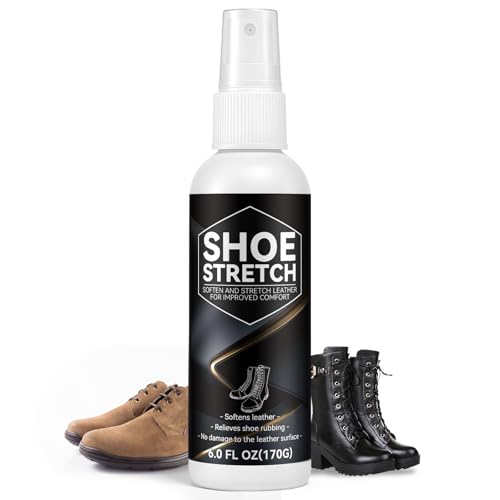
- 【Comfortable Fit, Relieves Tightness】: If your shoes feel tight, cause…
- 【Deep Softening, Restores Flexibility】: Our leather softener uses a…
- 【Color-Safe Formula】: Our leather shoe stretcher spray features a…
Check current price on Amazon →
When Stretching Your Current Boots Isn’t Enough
Sometimes, the fit issue is too severe, or the boot is simply the wrong size. If stretching doesn’t provide lasting comfort, it may be time to consider a new pair. Investing in properly fitted skates from the start is the ultimate solution.
For beginners, our guide on the best figure skates for beginners is an essential read. If you’re looking for high-quality blades, explore our review of the best stainless steel blade skates. For growing skaters, adjustable models like those in our best adjustable youth ice skates roundup offer a smart, long-term fit solution.
Proven Methods to Stretch Your Figure Skate Boots at Home
You can effectively stretch your skate boots using several safe, at-home techniques. Each method targets different materials and fit issues. Choosing the right approach depends on your boot’s construction and your specific pain points.
Always start gently and increase pressure gradually. Rushing the process can permanently damage the boot’s support structure. Patience is key to achieving a comfortable, custom fit.
Using a Professional Boot Stretcher for Precision
A dedicated boot stretcher offers the most control. This tool is ideal for targeting isolated areas like bunions or the little toe. It mimics the action of a professional skate shop’s stretching machine.
Step-by-Step Process:
- Insert the stretcher into the boot and adjust it to the desired width or length.
- Turn the handle slowly until you feel firm resistance, but do not force it.
- Leave it in place for 6-8 hours, or overnight. Re-check and adjust if needed.
The Bag-of-Water Freezing Technique
This method uses water’s expansion to gently stretch the boot interior. It works well for overall tightness in the forefoot or toe box. The process applies even, outward pressure.
How to execute the freeze-stretch method:
- Fill two sealable plastic bags 1/3 full with water. Press out excess air and seal tightly.
- Place one bag in the toe area and another in the pocket of pain. Ensure the bags conform to the space.
- Place the boots in your freezer overnight. As the water freezes and expands, it will gently stretch the material.
| Method | Best For | Precision | Time Required |
|---|---|---|---|
| Boot Stretcher | Specific pressure points | High | 6-8 hours |
| Freezing Technique | Overall forefoot tightness | Moderate | 8-12 hours |
Heat-Based Stretching Techniques and Essential Safety Tips
Applying heat can make boot materials more pliable for stretching. This approach is effective for genuine leather boots but risky with synthetic materials. The goal is to warm the material, not melt or scorch it.
Always test any heat method on a small, inconspicuous area first. Excessive heat is the fastest way to ruin your skates. Use these methods with extreme caution and constant supervision.
Using a Hair Dryer for Targeted Stretching
A hair dryer on a low-to-medium heat setting offers controlled warmth. Wear thick socks and your skates during this process. The heat softens the material while your foot provides the stretching force.
Step-by-Step Guide:
- Put on 1-2 pairs of thick skiing or wool socks and lace your skates snugly.
- Apply warm, moving air from a hair dryer to the tight area for 1-2 minutes.
- Flex your ankle and toes repeatedly while the material is warm. Keep the skates on until they cool completely to set the shape.
Common Mistakes to Avoid When Stretching Skates
Many skaters inadvertently damage their boots by rushing or using improper tools. Avoiding these pitfalls ensures your boots remain supportive and safe for skating.
Critical errors that compromise boot integrity:
- Over-stretching: Stretching more than a half-size can destroy the heel pocket and ankle support.
- Using chemical solvents: Rubbing alcohol or harsh “stretching fluids” can dry out and crack leather.
- Ignoring the break-in period: Always allow 24 hours for materials to settle after stretching before re-evaluating the fit.
Remember, these methods are for minor adjustments. For major size issues, consulting a professional or exploring properly fitted new skates is a wiser investment in your performance and safety.
When to Seek Professional Boot Stretching Services
Some stretching jobs are too complex for DIY methods. Professional skate technicians have specialized tools and expertise. They can assess your boots and feet to provide a precise, safe stretch.
Knowing when to call a pro saves time and prevents costly mistakes. It protects your investment in your skates and ensures optimal performance.
- Stretching reinforced areas like the ankle collar or stiff heel counter.
- Correcting asymmetrical fit issues (one foot larger than the other).
- Working with high-end synthetic boots that are sensitive to heat.
- When multiple, complex pressure points need addressing simultaneously.
What to Expect from a Professional Skate Shop
A certified skate tech will use a commercial stretching machine. This device applies calibrated pressure to exact locations. The process is controlled and often adjustable by mere millimeters.
Key advantages of professional stretching services:
- Precision: They can stretch a single metatarsal area without affecting the toe box.
- Experience: Technicians understand material limits and can predict outcomes.
- Additional Services: They often combine stretching with punching out specific bumps or modifying the insole.
Cost Comparison: DIY vs. Professional Stretching
Weighing the cost helps you make an informed decision. DIY is cheaper upfront but carries risk. Professional services offer guaranteed expertise for a higher fee.
| Factor | DIY Stretching | Professional Service |
|---|---|---|
| Average Cost | $20 – $60 (for tools) | $30 – $75 per job |
| Risk of Damage | Higher (if done incorrectly) | Very Low (insured work) |
| Best For | Minor, general tightness | Complex, targeted adjustments |
| Result Precision | Variable | High and predictable |
If professional stretching seems excessive, your boots may be fundamentally the wrong size. In that case, investing in a properly fitted new pair is the most effective long-term solution for comfort and performance.
Maintaining Your Boots After a Successful Stretch
Proper aftercare ensures your stretching results are permanent. It also preserves the boot’s support and longevity. This phase is just as critical as the stretching process itself.
Newly stretched materials need time to settle into their adjusted shape. Rushing back into intense skating can cause the material to revert. Follow these steps to lock in the perfect fit.
The Crucial Break-In and Conditioning Period
After stretching, you must condition the boots and break them in gradually. This reinforces the new shape and keeps the materials supple. Think of it as “setting” the stretch.
Post-Stretch Break-In Protocol:
- Wear your skates at home for 30-60 minutes with your skating socks. Flex and point your feet to mold the interior.
- Apply a quality leather conditioner (if applicable) to rehydrate the material and prevent cracking.
- Begin with light skating sessions for the first few outings, avoiding intense jumps or spins that stress new pressure points.
Long-Term Care for Optimal Fit and Boot Life
Ongoing maintenance prevents the boots from shrinking or tightening again. Simple habits make a significant difference in long-term comfort.
- Always dry boots thoroughly at room temperature after use; never on a heater.
- Use boot trees or rolled-up newspaper to maintain shape and absorb moisture when storing.
- Regularly check and replace worn-out insoles, as they compress over time and affect fit.
Listen to your feet. If discomfort returns, assess if it’s a new pressure point or the original one. Minor re-stretching may be needed, but recurring pain often indicates a fundamental sizing issue that stretching cannot solve.
Alternative Solutions: When Stretching Isn’t the Answer
Sometimes, stretching your current boots is not the optimal solution. The fit issue may be too severe, or the boot’s design may be wrong for your foot shape. Recognizing these scenarios saves you from a futile effort.
Investing time and money into extensively altering ill-fitting skates is often counterproductive. A perfect stretch cannot fix a fundamentally wrong size or last. Explore these effective alternatives first.
Strategic Padding and Lacing Techniques
Before stretching, try modifying the fit with external adjustments. These non-invasive fixes can relieve pressure without altering the boot. They are reversible and inexpensive.
Effective non-stretch adjustments:
- Bunion Pads & Gel Sleeves: Protect specific bony prominences from friction.
- Heel Lock Lacing: Eliminates heel slippage that can cause toe-jamming and blisters.
- Aftermarket Insoles: Custom orthotics or thinner performance insoles can change volume and pressure distribution dramatically.
Knowing When to Invest in New Figure Skates
If multiple stretching attempts fail, your boots are likely the wrong size. Continuing to skate in painful boots hinders progress and risks injury. A new, properly fitted pair is the ultimate solution.
- Your toes are severely curled or touch the end even when standing straight.
- You experience numbness or sharp pain within minutes of lacing up.
- The boot is more than one full size too small based on your foot measurement.
- The ankle collar cuts in at the wrong height, regardless of tightness.
Choosing new skates is a significant decision. For guidance, explore our detailed resources on finding the right pair, from recreational models to skates built for specific skill levels. The correct fit from day one is the best path to comfort and performance.
Essential Tools and Products for Effective Boot Stretching
Having the right tools makes the stretching process safer and more effective. The proper equipment provides controlled, even pressure. This prevents damage and ensures a predictable result.
You can assemble a basic stretching kit for home use. For complex jobs, professional-grade tools are necessary. Here’s a breakdown of what you need and why it works.
Building Your At-Home Stretching Toolkit
A minimal home kit allows you to tackle common, minor fit issues. These items are affordable and versatile for basic adjustments. They focus on gradual, gentle pressure.
Essential DIY Toolkit Components:
- Two-Way Boot Stretcher: The cornerstone tool for precise width and length adjustments.
- Conditioning Spray: A water-based leather softener (for leather boots only) to make fibers more pliable.
- Thick Socks & Hair Dryer: For the heat-and-wear method, allowing you to stretch while the material is warm.
- Reusable Gel Ice Packs: A safer alternative to the water-freezing method for applying cold, even pressure.
Professional-Grade Equipment and Its Advantages
Skate shops use specialized machinery designed for the task. This equipment offers precision that home tools cannot match. It applies force exactly where needed without affecting surrounding areas.
| Tool Type | Key Feature | Best Use Case |
|---|---|---|
| Commercial Stretching Machine | Calibrated pressure dials; multiple attachment points | Punching out specific bumps (e.g., for bunions) |
| Toe & Ball Stretching Attachments | Targeted, rounded forms | Relieving pressure on the 5th metatarsal (little toe joint) |
| Heat Gun with Temp Control | Precise, adjustable heat application | Safely warming thermoformable materials without overheating |
Remember, the best tool is knowledge. Understanding your boot’s material and construction is more important than any gadget. When in doubt, leverage a professional’s expertise and specialized equipment.
Best Boot Stretchers for Figure Skates – Detailed Comparison
Choosing the right stretcher is crucial for a safe, effective fit adjustment. These three models are highly recommended by skaters and technicians. Each offers unique features for different needs and budgets.
Vereclue Shoe Stretcher Spray – Best Overall Choice
This comprehensive kit is our top pick for most skaters. It includes a two-way adjustable stretcher for width and length, plus a conditioning spray. The multiple bungs allow for precise targeting of pressure points like bunions or the little toe, making it versatile for various fit issues.
- 【Comfortable Fit, Relieves Tightness】: If your shoes feel tight, cause…
- 【Deep Softening, Restores Flexibility】: Our leather softener uses a…
- 【Color-Safe Formula】: Our leather shoe stretcher spray features a…
FootFitter Heavy Duty Boot Stretcher – Best for Stubborn Leather
Ideal for breaking in stiff, high-quality leather skate boots. Its heavy-duty metal construction provides exceptional, controlled force without flexing. This model is perfect for skaters who need a reliable tool for gradual stretching over several sessions, ensuring no damage to the boot’s integrity.

- HEAVY-DUTY RELIEF FOR TIGHT FITS! Say goodbye to tight boots and hello to…
- ULTIMATE STRETCH: Whether you’re breaking in new boots or easing old…
- EXPAND YOUR BOOTS: Designed for versatility and comfort, this cast aluminum…
Fvbiywpil Shoe Stretcher – Best for Targeted Relief
This unique design focuses on immediate spot stretching. It uses adjustable, rounded knobs to apply pressure to exact painful areas without stretching the entire boot. It’s the ideal solution for addressing a single bunion or bone spur quickly, and it’s compact for easy storage in your skate bag.
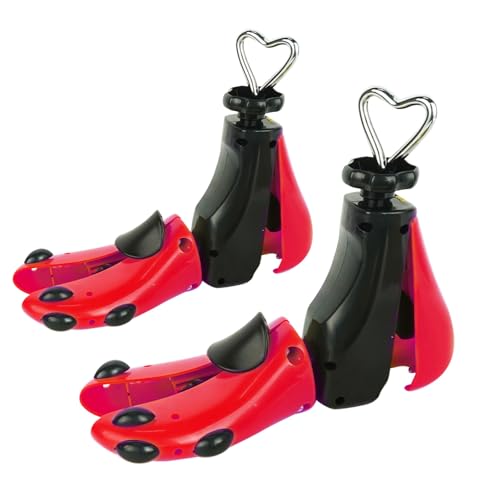
- Premium Material, More Durable: The shoe stretcher is made of sturdy ABS…
- Adjust the Width and Length: The Adjustable boot stretcher expands a…
- Suitable For Various Shoes: The professional shoe boot stretcher is…
Conclusion: Achieving the Perfect Figure Skate Fit
Stretching tight figure skate boots is a practical skill for any skater. You can solve common fit issues with the right tools and techniques. This improves comfort and enhances your performance on the ice.
The key is to proceed gradually and safely to protect your boots’ support. Always prioritize precision over speed when adjusting the fit.
If DIY methods seem daunting, consult a professional skate technician. Their expertise can provide a perfect, lasting adjustment.
Take action today to transform your skating experience from painful to powerful. Your perfect fit is within reach.
Frequently Asked Questions about Stretching Figure Skate Boots
What is the fastest way to stretch figure skate boots?
The fastest method is using a professional boot stretcher with a conditioning spray. This combination applies immediate, targeted pressure to tight areas. It works within hours rather than days.
For a quick DIY fix, the hair dryer method with thick socks can offer relief in one session. However, speed increases risk. Always prioritize the boot’s structural integrity over haste.
How to stretch figure skate boots without a stretcher?
You can use the bag-of-water freezing technique or the wear-with-thick-socks method. Both apply gradual, even pressure to expand the boot’s interior. These are effective for general tightness in the forefoot.
For spot stretching, try wearing the boots with a gel bunion pad over the pressure point. The pad’s volume can gently stretch a specific area during regular wear.
Can you stretch synthetic figure skate boots effectively?
Yes, but with significant limitations and caution. Synthetic materials like PVC are less malleable than leather and can crack. Use very low, indirect heat and minimal force.
Professional stretching is highly recommended for synthetic boots. A technician with a calibrated machine can assess the material’s limits and apply precise, safe pressure.
What is the best boot stretcher for ice skates?
The best stretcher is a two-way adjustable model with multiple bungs, like the Famyst Professional Kit. This design allows for both width and length adjustments. It also lets you target specific pressure points accurately.
Look for a sturdy metal construction that won’t bend under pressure. A kit that includes a leather conditioner offers the best value for a complete stretching solution.
How much does it cost to get skates stretched professionally?
Professional stretching typically costs between $30 and $75 per job. The price depends on the complexity, the number of areas needing adjustment, and your location. Some shops charge a flat fee, while others charge per pressure point.
While more expensive than DIY, this service offers precision and a guarantee against damage. It is a worthwhile investment for expensive skates or complex fit issues.
Why do my skates still hurt after stretching them?
Persistent pain often indicates a fundamental sizing or last mismatch. Stretching can only adjust a boot marginally; it cannot change its basic shape or length. The pain may be coming from an area you didn’t stretch.
It may also be a technique issue, like over-stretching one area and creating a new pressure point. If pain continues after two careful stretching attempts, the boots are likely the wrong size for your feet.
What is the best way to break in new figure skates?
The best way is through gradual, progressive wear. Start by wearing them at home for short periods. Then, move to light skating sessions before attempting jumps or intense footwork.
Use proper skating socks and consider thin gel pads on known hot spots. Avoid aggressive stretching methods on new boots; allow the natural break-in process to mold the boot to your foot’s shape.
How long should you leave a boot stretcher in skates?
For a moderate stretch, leave the stretcher in place for 6 to 8 hours, or overnight. Check the fit after this period. If more stretch is needed, you can repeat the process, increasing the tension slightly.
Never force the stretcher or leave it at maximum tension for multiple days. This can over-stretch and weaken the material. Gradual, repeated sessions are safer than one extreme stretch.
Can You Stretch Synthetic Figure Skate Boots?
Yes, but with significant limitations and higher risk. Synthetic materials like PVC or thermoformable plastics are less malleable than leather. They can be stretched slightly, but are more prone to cracking or losing structural integrity.
Key considerations for synthetic boots:
- Heat Sensitivity: Use very low, indirect heat only. High heat can melt or warp synthetics permanently.
- Professional Help: A skate tech with experience in synthetic materials is highly recommended.
- Expect Less Give: Do not expect the same level of stretch as with quality leather boots.
How Much Can You Safely Stretch a Boot?
The safe stretching limit is generally one-half to one full shoe size in width or length. Attempting to stretch beyond this severely compromises the boot’s support and shape. The heel pocket and ankle support are particularly vulnerable to over-stretching.
• Length: Up to 1/4 inch (one half-size).
• Width: Up to 1/8 inch in a specific area.
• Ankle/Collar: Minimal stretch; primarily for relieving a pinch, not for volume.
How Long Does a Boot Stretch Last?
A properly executed and maintained stretch is permanent for the life of the boot. The material has been physically reshaped. However, factors like moisture, heat, and storage can cause materials to contract slightly over time.
Using boot trees and proper drying techniques is essential to maintain the stretched shape. If boots feel tight again after storage, it’s often due to material contraction, not the stretch “reversing.” A brief re-wearing period usually restores the fit.