Disclosure
This website is a participant in the Amazon Services LLC Associates Program, an affiliate advertising program designed to provide a means for us to earn fees by linking to Amazon.com and affiliated sites.
Your figure skate blades need sharpening when you lose grip, control, or a clean edge on the ice. Dull blades make skating feel unstable and difficult.
Ignoring this crucial maintenance hurts your performance and increases injury risk. This guide helps you spot the warning signs before your skating suffers.
Diagnosing the Symptoms of Dull Figure Skate Blades
Recognizing the problem is the first step. Dull blades don’t just feel different; they create specific, frustrating symptoms on the ice.
You might feel like you’re slipping sideways instead of digging in. Stopping becomes a challenge, and your edges feel unreliable during turns or jumps.
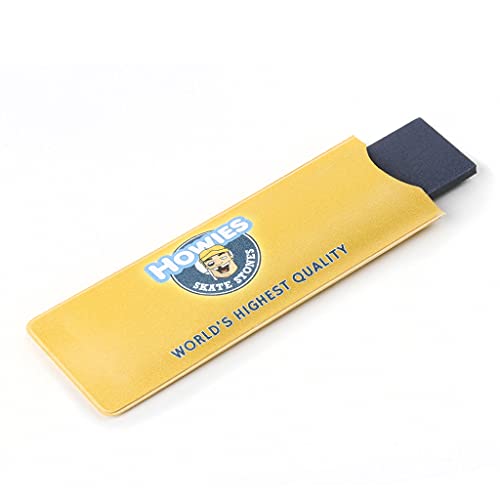
Quick Fix: Howies Skate Honing Stone
For minor maintenance between professional sharpenings, a honing stone can help. It realigns the blade’s microscopic edge without removing significant metal.
This is not a replacement for a full sharpening but can extend the time between them. A basic kit is a smart addition to any skater’s gear bag.
- Durable Ceramic Stone: Designed specifically for skate blades to hone the edge.
- Protective Rubber Guard: Keeps your fingers safe while using the stone.
- Easy Storage: Compact design fits easily in most skate guards or bags.
- PREMIUM SILICON CARBIDE ABRASIVE: Engineered with high-quality silicon…
- EFFICIENT CUTTING ACTION: Designed for quick damage repair, these stones…
- ADVANCED VITRIFIED BOND TECHNOLOGY: Features industry-leading vitrified…
Check current price on Amazon →
When Sharpening Alone Isn’t Enough
If your blades are frequently dull, the issue might be your skates. Beginner or worn-out boots lack the necessary ankle support for proper edge control.
This forces you to press harder, prematurely wearing down your blades. Upgrading to a properly fitted, supportive skate can solve this cycle.
For new skaters, starting with the right equipment is crucial. Our guide to the best figure skates for beginners helps you choose a supportive boot from day one.
If you’re experiencing discomfort that affects your technique, explore our list of the most comfortable ice skates. For a popular and reliable model, read our in-depth Riedell Soar ice skates review.
Key Signs Your Skate Blades Are Dull
Knowing the specific symptoms prevents guesswork. These clear indicators signal it’s time for professional skate sharpening.
Listen to your skates and your body. Consistent issues with these fundamentals often trace back to blade condition.
Loss of Grip and Slipping on Ice
This is the most frequent complaint. You push off but your skate slides sideways instead of biting into the ice.
It feels like trying to run on a smooth, wet floor. Your strides become inefficient and powerless.
- The Push Test: While standing still, gently push your blade sideways against the ice. A sharp blade will grip immediately. A dull blade will slide smoothly.
- Audible Clue: Sharp blades make a distinct, crisp scraping sound. Dull blades are often quieter or produce a hollow, sliding noise.
Difficulty Holding Edges on Turns
Your inside or outside edges feel unstable and wash out during crossovers, three-turns, or circles.
You may feel like you’re leaning but the skate isn’t supporting you. This forces you to over-compensate with your upper body.
- Edge Control Failure: You cannot maintain a clean, single curve on a simple outside edge. The skate wants to slip back to a flat.
- Increased Effort: You must press much harder into the ice to complete a turn, leading to quick fatigue.
Unstable and Chattery Stops
A proper hockey stop or snowplow should be smooth and controlled. Dull blades make stopping difficult and noisy.
Instead of a clean shave of ice, the blade will chatter, bounce, or skip across the surface. This significantly reduces your safety and control.
Visual Check: Look at your blades. While a visual inspection isn’t definitive, heavily rusted or nicked edges will always perform poorly and require attention.
How to Test Your Blade Sharpness at Home
You don’t need to be on the ice to diagnose dull blades. These simple, at-home tests provide clear answers before your next session.
Perform these checks with clean, dry blades. Always handle skate blades with extreme care to avoid cuts.
The Fingernail Test (The Thumb Test)
This is the most common and effective method. It checks for the presence of a defined, sharp edge along the blade’s bottom.
Gently run your thumbnail perpendicularly across the blade’s edge (not along its length). Be very careful not to slice your skin.
- Sharp Blade Result: Your nail will catch slightly on the edge. It may shave off a tiny bit of your nail.
- Dull Blade Result: Your thumbnail will slide smoothly over the edge with no catch or resistance. The edge feels rounded.
The Visual Light Test
A sharp edge is too fine to reflect light clearly. This test looks for light reflection along the edge, indicating wear.
Hold your skate under a bright light, like a lamp. Look directly at the bottom edge of the blade from the side.
- Sharp Blade Result: You will see no visible line of reflected light along the very bottom edge. It appears as a clean, dark line.
- Dull Blade Result: You will see a thin, shiny line of light reflecting off the rounded edge. This “glint” means the edge is worn flat.
Checking for Nicks and Damage
Run your finger lightly along the edge’s length. Feel for any bumps, chips, or rough spots that interrupt the smooth steel.
Major nicks require professional sharpening to remove. Small burrs can sometimes be carefully honed with a stone.
Blade Alignment: Place the skate on a perfectly flat surface, like a table. Both edges should touch evenly. Rocking indicates a blade that needs leveling during sharpening.
Figure Skate Sharpening Frequency and Factors
There’s no universal schedule for sharpening skates. The right frequency depends on your skating style, ice conditions, and skill level.
Understanding these factors helps you create a personalized maintenance plan. This prevents premature wear and optimizes performance.
| Skater Type | Average Sharpening Frequency | Key Influencing Factor |
|---|---|---|
| Beginner / Recreational | Every 15-25 hours | Often drag toes; softer ice |
| Intermediate / Freestyle | Every 10-20 hours | Jump landings, hard edge work |
| Advanced / Competitive | Every 5-15 hours | Precision demands, deep edges |
How Often Should You Sharpen Skates?
Use hours on ice as your primary metric, not calendar time. A competitive skater may need weekly sharpening, while a recreational skater might go months.
Track your ice time and note when performance drops. This establishes your personal baseline for future reference.
Factors That Accelerate Blade Wear
Several elements will cause your blades to dull faster than average. Being aware helps you adjust your expectations.
- Skating Style & Intensity: Jumping, spinning, and deep-edge footwork grind down edges rapidly. Aggressive hockey stops are also demanding.
- Ice Conditions: Hard, cold ice is more abrasive than soft, warm ice. Outdoor rinks often have debris that can nick blades.
- Walking Off-Ice: This is the #1 cause of damage. Always use hard skate guards. Never walk on concrete, tile, or wood without them.
Professional Sharpening vs. DIY Maintenance
Knowing when to seek a pro and when to handle minor upkeep is crucial. Each approach has its distinct role in blade care.
Misusing tools can permanently damage expensive blades. Understanding the limits of home maintenance protects your investment.
What a Professional Sharpener Does
A professional uses a precision grinding wheel to restore the blade’s hollow and edges. This process removes metal to create a consistent, symmetrical profile.
They ensure both blades are perfectly matched and the radius of hollow (ROH) is correct for your discipline. This technical expertise is key for performance.
- Corrects Alignment: Levels the blades so both edges contact the ice evenly.
- Removes Deep Damage: Grinds out nicks and imperfections that home tools cannot fix.
- Customizes Hollow: Provides the specific bite and glide suited to your weight and skill.
Safe At-Home Care Between Sharpenings
Home care focuses on preserving a professional sharpening, not replacing it. The goal is edge maintenance, not reshaping.
Use a honing stone or gummy stone lightly along the edge. This realigns microscopic burrs without significant metal removal.
- Clean the Blade: Wipe off all moisture and debris with a soft cloth.
- Light Strokes: Gently draw the stone along the edge 2-3 times per side. Do not press hard.
- Wipe Again: Remove any metal particles left from honing.
Finding a Qualified Skate Technician
Ask for recommendations at your rink or from coaches. A good technician will ask about your skating level and preferences.
They should explain their process and check your blades’ alignment before starting. Trust is essential for this precise service.
Regular service with a trusted pro ensures consistency. Your blades will feel familiar and reliable every time you step on the ice.
Preventative Care to Extend Blade Life
Proper daily habits drastically reduce how often you need skate sharpening. Prevention is easier and cheaper than frequent repairs.
This care protects your blades from unnecessary wear and damage. Simple routines make a significant long-term difference.
Proper Drying and Storage Practices
Moisture is the enemy of steel. It causes rust, which pits and dulls the cutting edge faster than ice skating.
Always thoroughly dry your blades after use. Pay special attention to the area where the blade meets the sole.
- Use a Soft, Absorbent Cloth: Wipe down the entire blade and sole immediately after leaving the ice.
- Air Dry Before Storage: Remove skates from your bag and let them air out completely in a dry place.
- Use Blade Covers: Store with soft, absorbent soakers, not hard plastic guards. Soakers wick away moisture while protecting edges.
Using Skate Guards Correctly
Guards serve specific purposes. Using the wrong one at the wrong time causes rapid, irreversible damage.
| Guard Type | When to Use | When NOT to Use |
|---|---|---|
| Hard Plastic Guards | Walking short distances OFF the ice (to bathroom, etc.) | For storage (traps moisture, causes rust) |
| Soft Terrycloth Soakers | For storage and transport in your bag | For walking on any hard surface |
Avoiding Common Damage Sources
Stay vigilant in high-risk areas. A single mistake can create a deep nick requiring significant metal removal to fix.
- Mind the Doorways: Be careful not to scrape blades against metal rink doors, benches, or concrete.
- Check Your Bag: Ensure nothing heavy can shift and bang against unprotected blades during transport.
- Never Stand on Flooring: Avoid standing on rubber mats, concrete, or wood without hard guards. This instantly rounds the edges.
Advanced Considerations for Serious Skaters
Beyond basic sharpness, blade performance involves technical specifications. Understanding these elements fine-tunes your feel on the ice.
These factors are critical for competitive skaters and those seeking a customized edge. They require discussion with a knowledgeable technician.
Radius of Hollow (ROH)
The ROH refers to the depth of the concave groove ground into your blade. It determines the balance between bite and glide.
A deeper hollow (smaller ROH number) creates sharper edges for more grip. A shallower hollow (larger ROH number) offers more glide and speed.
- Common ROH Range: Most figure skaters use a hollow between 1/2″ (deep bite) and 1-1/2″ (shallow, fast).
- Personalization: The ideal ROH depends on your weight, skill level, discipline, and ice temperature.
- Consistency is Key: Always request the same ROH from your sharpener to maintain a predictable feel.
When to Consider Blade Replacement
Blades are not immortal. Repeated sharpening eventually removes too much metal, compromising their structural integrity and performance.
Recognizing the end of a blade’s life prevents skating on unsafe equipment. Look for these definitive signs.
- Excessive Wear: The hollow becomes very shallow or almost flat, even after sharpening. The blade looks noticeably thinner.
- Loss of Stiffness: The blade may develop a slight, permanent bend or flex more than usual during jumps.
- Mounting Hole Exposure: The metal has worn down so much that the screw holes from the sole plate become visible in the blade’s hollow.
Managing Blade Feel for Competitions
Timing your final sharpening before a major event is strategic. Freshly sharpened blades can feel overly sharp or “grabby” for the first hour.
Many skaters get their final sharpening 1-2 practice sessions before the competition. This allows the edge to slightly break in for optimal control.
Always break in new blades or a new sharpening during practice, not at the event. Familiarity with your edge is part of peak performance.
Troubleshooting Common Post-Sharpening Issues
Sometimes, blades feel wrong even after a professional sharpening. Identifying the specific problem helps you communicate effectively with your technician.
These issues are usually fixable with a simple correction. Knowing the terminology empowers you to get the result you need.
Blades Feel Too Sharp or “Grabby”
This is common after a fresh sharpening, especially with a deeper hollow. The edges are extremely crisp and can feel unpredictable.
The solution is often simple break-in, not a re-grind. Give the blades a short adjustment period on the ice.
- Break-In Protocol: Skate gently for 20-30 minutes. Focus on basic edges and stroking to naturally micro-round the extreme sharpness.
- Check the ROH: You may have accidentally received a deeper hollow (smaller ROH number) than usual. Confirm the specification with your sharpener.
Pulling to One Side or Uneven Edges
If your skate consistently pulls left or right, the blades are likely not level. This means one edge is higher than the other.
This is a sharpening error that needs correction. Do not try to compensate for this by adjusting your posture.
- Perform the Table Test: Place the skate on a known flat surface. See if it rocks side-to-side.
- Return to Technician: Explain the pulling sensation clearly. They need to re-level and re-sharpen the blades.
Rocker Feel Has Changed
The rocker is the curved profile of the blade from toe to heel. An incorrect sharpening can flatten or over-sharpen a section, altering the pivot point.
This makes spins and maneuvers feel “off.” You may feel stuck on your toe or heel.
- Symptom: Your spin point has moved, or you feel like you’re skating on a different part of the blade.
- Solution: This requires a technician to reprofile the blade’s rocker. Use a different, more experienced sharpener if this occurs repeatedly.
Always test new sharpening during a low-pressure practice session. This provides time to identify and resolve any issues before an important event.
Best Skate Sharpeners for Home Maintenance – Detailed Comparison
While professional sharpening is essential, these tools help maintain the edge between visits. They are for light honing, not full blade reprofiling.
Howies Skate Honing Stone – Best Overall Choice
This silcon carbide honing tool is a favorite among coaches and serious skaters. It effectively realigns the blade’s edge without removing significant metal, extending time between professional sharpening.
- PREMIUM SILICON CARBIDE ABRASIVE: Engineered with high-quality silicon…
- EFFICIENT CUTTING ACTION: Designed for quick damage repair, these stones…
- ADVANCED VITRIFIED BOND TECHNOLOGY: Features industry-leading vitrified…
Shupakul Skate Sharpening Stone – Best for Beginners
Made from a soft, abrasive rubber compound, this is the safest option for new users. It gently removes tiny burrs and rust. The forgiving material makes it almost impossible to damage your blade, offering peace of mind during basic maintenance.
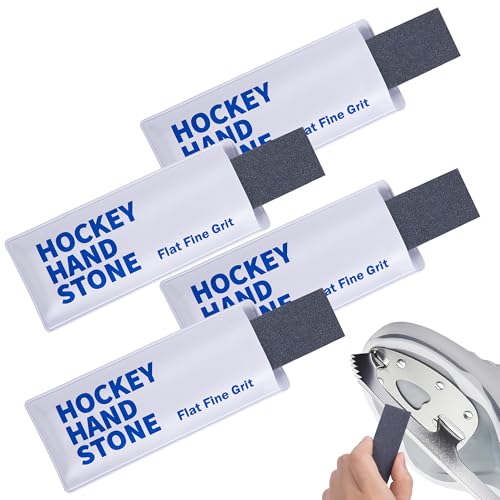
- Outstanding Performance:Ice Skate Sharpening Stone is specifically designed…
- Product Dimensions:The 3.9 inch by 0.8 inch hand sharpening stone enables…
- Premium Materials:Crafted from high-quality oilstone material, this…
Gatco Arkansas Tri-honing Stone – Best Value Kit
This complete kit includes a dual-grit ceramic stone. The fine grit is for regular honing, while the coarse side can address minor nicks. It’s a cost-effective way to keep edges crisp and is durable for long-term use.
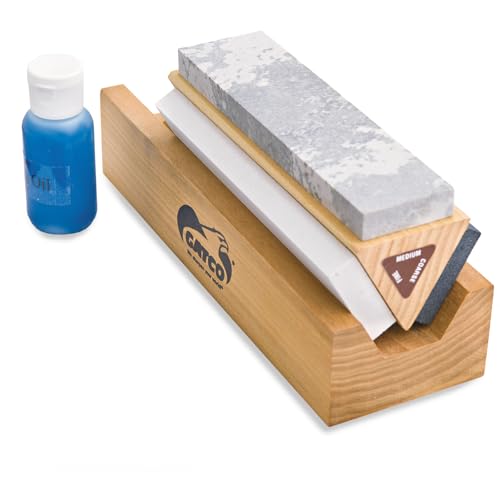
- 3-STONE SHARPENING SYSTEM – Features soft, medium, and coarse stones…
- ARKANSAS NOVACULITE STONE – Includes a genuine Arkansas stone made from…
- COARSE SILICON CARBIDE STONE – The coarse silicon carbide stone…
Conclusion: Mastering Your Skate Blade Maintenance
Knowing when to sharpen your figure skate blades is a fundamental skill. It ensures safety, performance, and consistent progress on the ice.
Use the simple tests and symptom checklist to diagnose dullness accurately. Establish a regular sharpening schedule based on your personal skating habits.
Take action today by performing the thumbnail and visual light test on your blades. Then, find a trusted local technician for professional service.
With sharp, reliable edges, you can skate with greater confidence and control in every session.
Frequently Asked Questions about Figure Skate Sharpening
How often should a beginner get their figure skates sharpened?
Beginners should sharpen skates every 15-25 hours of ice time. This frequency accounts for softer ice and potential toe-dragging habits. It’s better to sharpen more often than to struggle with dull blades.
Track your skating hours to establish a personal schedule. If you feel slipping or loss of control before 15 hours, seek a sharpening sooner to aid skill development.
What is the best radius of hollow (ROH) for figure skates?
There’s no single “best” ROH; it’s personal preference. Most figure skaters start with a 1/2″ to 5/8″ hollow for good grip. Lighter skaters or those wanting more glide may prefer a shallower 3/4″ or 1″ hollow.
Consult your coach or an experienced technician. They can recommend a starting point based on your weight, skill level, and the ice conditions at your rink.
Can I sharpen my figure skates at home?
You should not perform a full sharpening at home without professional equipment. However, you can maintain the edge between professional services. Use a honing stone or gummy stone for light touch-ups.
Home sharpening kits with wheels or files often ruin the blade’s profile. For a proper hollow grind, always visit a qualified skate sharpening technician.
Why do my newly sharpened skates feel too sharp or grabby?
This is a common feeling after a fresh sharpening, especially with a deep hollow. The edges are at their maximum crispness and need a brief break-in period on the ice.
Skate gently for 20-30 minutes to naturally micro-round the edges. If the feeling persists, your technician may have used a deeper ROH than you’re used to.
What should I do if my skates pull to one side after sharpening?
Pulling indicates the blades are not level—one edge is higher than the other. This is a sharpening error that requires correction. Do not attempt to adjust your skating posture to compensate.
Return to your technician and clearly explain the pulling sensation. They need to re-level and re-sharpen the blades to ensure both edges contact the ice evenly.
How can I make my skate blades last longer between sharpenings?
The most effective practice is proper drying and storage. Always wipe blades dry and use soft terrycloth soakers in your bag, not hard plastic guards. Never walk on hard surfaces without guards.
Avoid scraping blades against rink boards or doors. Using a honing stone for light maintenance can also help extend the life of a professional sharpening.
What are the signs that my skate blades need to be replaced?
Look for excessive wear where the hollow appears very shallow or flat. The blade may also flex more or develop a permanent bend. The most definitive sign is the mounting screw holes becoming visible in the blade’s groove.
Blades have a finite lifespan due to metal removal during sharpening. If performance suffers despite sharpening, consult a professional about replacement options.
Is it bad to skate on dull figure skate blades?
Yes, skating on dull blades is detrimental and unsafe. It reduces your control, increases the risk of falls, and forces bad technical habits as you overcompensate for the lack of grip.
Dull blades make learning new skills much harder. Maintaining sharp edges is a non-negotiable part of skating responsibly and progressing effectively.