Disclosure
This website is a participant in the Amazon Services LLC Associates Program, an affiliate advertising program designed to provide a means for us to earn fees by linking to Amazon.com and affiliated sites.
Learning to tie your roller skates correctly is the first step to a comfortable, pain-free session. A poor knot can cause blisters, foot cramps, and even ankle injuries.
Many skaters don’t realize that lacing technique is just as important as tightness. Strategic loosening in some areas can relieve pressure points and improve your control on wheels.
Are Your Roller Skates Causing Painful Pressure Points and Blisters?
I’ve been there. You lace up your skates, excited to roll, but within minutes, your feet are screaming. Tight spots, pinching, and that awful heel slip make skating a chore, not a joy. The Awaken Free Ride skate solves this with its unique, flexible cuff and memory foam liner that molds to your foot, eliminating those painful pressure zones.
To finally skate without pain, I switched to the: Awaken Free Ride Inline Skate Black

- TOP-NOTCH BOOT - Sturdy yet comfortable, durable outer shell & breathable...
- TOP-NOTCH BOOT - Sturdy yet comfortable, durable outer shell & breathable...
- GRIPPY WHEELS - Smooth-skating at high speeds with 80 mm, 85A wheels &...
Why Proper Lacing Prevents Pain and Injury
I see a lot of new skaters focus on the wheels or the style of their skates. But in my experience, the laces are where your comfort is truly made or broken. Getting them wrong can turn a fun afternoon into a painful ordeal.
It’s More Than Just Tightness
We often think tighter is always better for support. This isn’t true. Lacing your skates too tight can cut off circulation and cause numbness. It can also create painful pressure points on the top of your foot.
I learned this the hard way with my own kids. My daughter would lace her skates as tight as she could, thinking it made her safer. Ten minutes later, she’d be in tears from the pain, wanting to quit. We fixed the lacing, not the skate.
Avoiding Common Discomforts
Improper technique leads to specific, avoidable problems. Here are the big three I see all the time:
- Blisters: Loose laces let your foot slide, creating friction.
- Ankle Pain: Inconsistent support makes your ankles work too hard.
- Foot Cramps: Constant pressure from overly tight laces strains your muscles.
Think about that awful feeling when you have to stop skating early because your feet hurt. Good lacing prevents that frustration and lets you enjoy your full session.
How to Lace Your Skates for Maximum Comfort
Let’s get into the actual steps. I promise it’s simpler than it seems. The goal is a custom fit that supports your foot’s unique shape.
Start With a Snug Foundation
Begin lacing at the toe box. Pull the laces firm, but don’t strangle your toes. You should be able to wiggle them slightly. This is your base layer of security.
I tell my kids to imagine their foot is a sandwich. The laces are the gentle hug of the bread, not a vise. A good start prevents sliding and those nasty toe blisters.
Adjust Pressure in the Midfoot
This is the most common pain zone. As you lace over the arch, you might need to loosen a bit. If you feel a sharp pinch, you’re too tight.
Try this: lace one skate normally and one slightly looser over the arch. Skate for a minute on each. You’ll feel the difference in comfort immediately.
Lock Your Ankle Securely
The top two or three eyelets are for ankle support. This is where you pull tighter. A secure lock here stops your heel from lifting and prevents wobbles.
Use a strong, double-knot to finish. I like to tuck the loops under my cuff so they don’t come undone. Nothing ruins flow like stopping to re-tie.
If you’re tired of laces that stretch out or snap mid-session, upgrading your gear makes a huge difference. I finally grabbed these durable laces for my kids and our frustration disappeared:
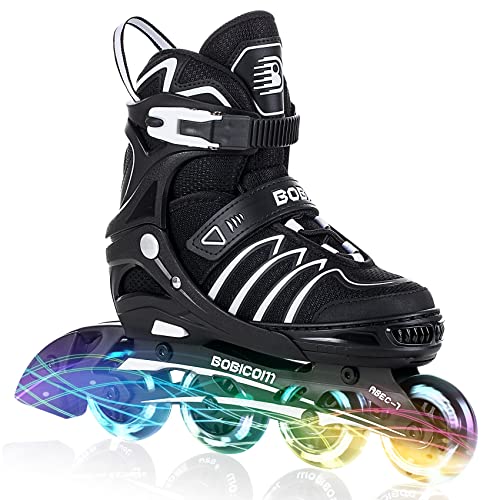
- 【ADJUSTABLE INLINE SKATES】Our inline skates are available in 4...
- 【8 WHEELS ILLUMINATING】Our children's inline skates have 8 illuminated...
- 【COMFORTABLE & STURDY MATERIAL】The frame of our inline skate is made of...
What I Look for When Buying Roller Skates for Comfort
Choosing the right skate is half the battle for a pain-free ride. Here’s what I actually check, beyond just the color or brand.
A Supportive, Padded Boot
The boot should feel like a firm handshake for your foot, not a stiff cast. Look for good padding around the ankle and tongue. My first cheap pair had no padding, and I felt every bump in the pavement.
Easy-to-Adjust Lacing System
Check the eyelets and hooks. Are they sturdy and placed well? A good system lets you customize tightness in different zones. Skates with only basic eyelets often won’t give you that ankle lock you need.
The Right Wheel for Your Surface
Harder wheels are for smooth indoor rinks. Softer wheels absorb shock on rough outdoor paths. I made the mistake of using indoor wheels outside once. The vibration was so bad, my feet went numb in minutes.
A Secure, Comfortable Liner
The inside lining should be smooth and seamless. Run your hand inside to feel for rough stitching or seams that could cause hot spots. A removable liner is a bonus for washing and for using your own orthotic inserts.
The Mistake I See People Make With Lacing
The biggest error is lacing the entire skate the same tightness. Your foot isn’t a uniform tube. It needs different levels of support in different areas.
People crank everything tight, especially over the arch. This cuts off blood flow and causes that awful, cramping pain. It also makes your foot work against the skate instead of with it.
Instead, think of zones. Keep it snug over the toes, a bit looser at the arch for flex, and tight at the ankle for stability. This simple shift makes your skate feel like part of your body, not a vice.
If your skates themselves are the problem, no lacing trick will fix a poor fit. Wasting money on skates that hurt is so frustrating. For a truly comfortable start, the ones I sent my sister to buy solved her fit issues:

- DURABLE & STABLE: Reinforced metal frame and PP shell ensure durability and...
- COMFORTABLE & BREATHABLE: The memory foam liner provides soft cushioning...
- HIGH-PERFORMANCE SPEED: Equipped with ABEC9 bearings and 84A wheels, these...
Try the “Lace and Walk” Test Before You Skate
Here’s my favorite trick that changed everything for me. After you lace up your skates, don’t just stand up and roll away. First, walk around in them on the carpet or grass for a full minute.
This walking test lets you feel pressure points you miss when standing still. You’ll notice if your heel slips, if a seam rubs, or if your toes feel pinched. It’s a simple safety check that prevents a lot of pain later.
I do this every single time I put my skates on. It takes almost no time, but it gives me the confidence that my fit is dialed in. Then I can focus on having fun, not on my aching feet.
My Top Picks for Comfortable, Well-Fitting Skates
After trying many skates with my family, two models stand out for their thoughtful design that supports proper lacing and a great fit.
2PM SPORTS Cytia Pink Girls Adjustable Illuminating Inline — Perfect for Growing Feet
The 2PM SPORTS Cytia skates are what I grabbed for my daughter. I love the four-size adjustable fit, which lets you get a truly snug lock without buying new skates every year. The light-up wheels are a huge bonus for kids. The trade-off is they are best for casual use, not aggressive skating.
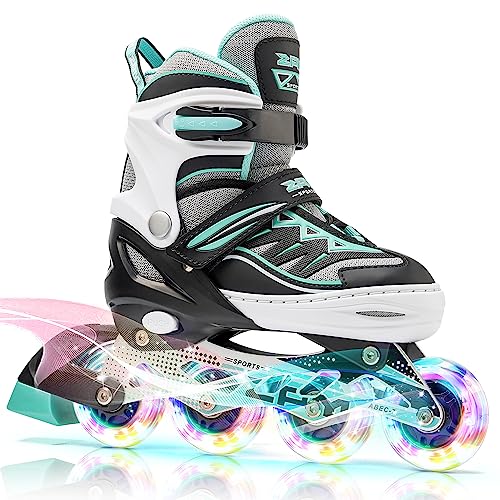
- 8 Wheels Light up: Your little one is sure to fall in love with our lovely...
- 4 Sizes Adjustable: Total 4 segment for you to adjust. 3 size available:...
- Perfect Birthday Present and Holiday Gifts: Inline Skates are loved by...
Alkali Cele III Senior Adult Junior Kids Inline Roller — A Secure, Supportive Boot
The Alkali Cele III is my go-to recommendation for teens and adults. The supportive boot and excellent lacing system make it easy to dial in comfort and avoid ankle pain. It feels stable right out of the box. The honest trade-off is that it’s a more performance-oriented fit, so it may feel stiff during the initial break-in period.

- One of the top features found in the Cele III is the injected comp weave...
- Another solid technology offered is the molded comfort EVA footbed. This...
- On the bottom of the skate, Alkali used a Hi-Lo aluminum 6000 CNC frame...
Conclusion
The most important thing is that your skates should feel like a secure extension of your foot, not a painful constraint.
Go lace up your skates right now and try the “walking test” on your carpet—that one minute will show you exactly where you need to adjust for total comfort.
Frequently Asked Questions about How to Tie Roller Skates to Avoid Discomfort and Pain?
How tight should my roller skate laces actually be?
Your laces should be snug but never cutting off circulation. You want a firm handshake, not a crushing grip. A good test is to wiggle your toes after lacing up.
If your toes feel numb or tingly, you’ve gone too tight. Remember, the goal is support that allows for natural foot movement and flex while you skate.
What is the best roller skate for a beginner who needs ankle support?
Beginners absolutely need good ankle support to build confidence and avoid injury. A wobbly boot makes learning much harder and can be scary.
For a secure, supportive start that won’t break the bank, I recommend the ones I sent my sister to buy. They have a great boot that helps stabilize new skaters.
- One of the top features found in the Cele III is the injected comp weave...
- Another solid technology offered is the molded comfort EVA footbed. This...
- On the bottom of the skate, Alkali used a Hi-Lo aluminum 6000 CNC frame...
Why do the tops of my feet hurt when I skate?
This is a classic sign of lacing over the midfoot too tightly. The laces are putting direct pressure on the bones and tendons on the top of your foot.
Try the “zone lacing” method. Keep it looser over the arch area as you lace up. This simple change often eliminates that sharp, cramping pain completely.
My child’s feet grow so fast. Are there good adjustable skates that won’t hurt?
This is a real concern—buying new skates every season gets expensive fast. A poor fit in skates they’ve outgrown is a major cause of kid’s foot pain.
An adjustable skate is the perfect solution. For growing feet, these skates worked for us because the four-size adjustment lets you maintain a proper, comfortable fit for years.
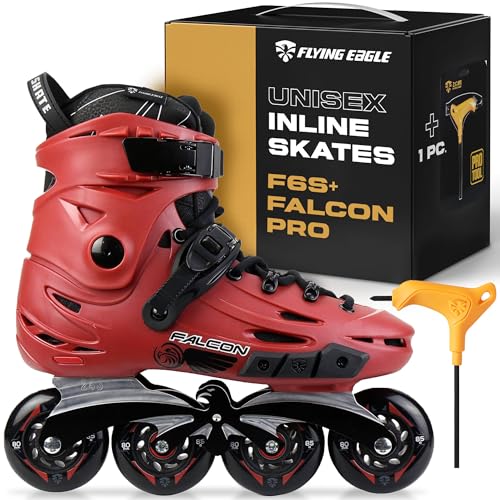
- HARDSHELL BOOT - The versatile and supportive hardshell boot ensures...
- EGO FRAME - These frames cater to inline skates women, roller skates men,...
- 85A WHEELS - Enjoy a smooth, fast ride with our premium 85A wheels....
Should I use waxed laces for my roller skates?
Waxed laces can be a great upgrade. They hold their tightness better and are easier to fine-tune because they don’t slip. This means fewer stops to re-tie.
The trade-off is they can be harder to loosen quickly. I find them most helpful for skaters who have trouble getting their ankles locked in securely with standard laces.
How often should I re-tie my skates during a session?
You should only need to re-tie if you feel your foot starting to slide or your support loosening. With a good initial tie and quality laces, you might not need to at all.
If you find yourself stopping constantly, it’s a sign your lacing technique or your skate’s fit needs adjustment. The “walking test” before you roll can prevent this.