Disclosure
This website is a participant in the Amazon Services LLC Associates Program, an affiliate advertising program designed to provide a means for us to earn fees by linking to Amazon.com and affiliated sites.
Transitioning from recreational to advanced figure skates is a crucial step for skaters ready to master jumps, spins, and complex footwork. This upgrade is essential for safety, performance, and unlocking your true potential on the ice.
Our complete guide provides expert tips and proven methods for a smooth, successful switch. You will learn how to select the right advanced boot and blade, break them in effectively, and adjust your technique to prevent injury and accelerate progress.
The Common Pitfall: Sticking With Recreational Skates Too Long
Many skaters delay upgrading because their current skates feel comfortable. However, recreational skates lack the stiffness and support needed for advanced maneuvers.
This leads to a frustrating plateau. You may struggle with wobbly landings, insufficient push-off power, or even ankle pain. Your skates, not your skill, become the limiting factor.
A Supportive First Step: The Jackson Ultima Classic 200/500
For skaters moving into single jumps and serious footwork, a supportive intermediate boot is key. The Jackson Ultima Classic series offers excellent transitional support.
Jackson Ultima Classic 200 & 500 Ice Skates
- Features a reinforced upper and a supportive, padded liner for stability.
- The Ultima Mark I blade provides a solid rocker for learning spins and jumps.
- A great bridge between soft recreational boots and ultra-stiff advanced models.

- Womens ice skates built for recreational ice skating and figure skating…
- Reinforced coated vinyl upper with soft rolled collar and padded lining…
- Padded felt tongue for girls ice skates and womens ice skates provides…
Check current price on Amazon →
This type of skate can solve the immediate support problem. For a deeper comparison, read our detailed Jackson Ultima Classic 200 & 500 review.
When New Skates Alone Aren’t The Complete Solution
Simply buying stiffer skates isn’t a magic fix. The transition requires technique adjustment and proper fitting. Advanced boots feel radically different and have a break-in period.
You must also ensure you’re moving to the correct level of skate for your current skills. Jumping too far ahead in stiffness can be counterproductive. Our guide on the best figure skates for beginners and beyond helps you find your perfect match.
Furthermore, understanding blade profiles and sharpening is crucial. For a comprehensive overview of what to look for, consult our ultimate buying guide for performance ice skates.
Key Differences: Recreational vs. Advanced Skates Explained
Understanding the physical differences is crucial before you buy. Advanced skates are engineered for performance, not just comfort. They transform your energy into precise movement on the ice.
This fundamental redesign affects every component. From boot construction to blade technology, each element serves a specific athletic purpose. Knowing these details ensures you invest wisely.
Advanced skates feature stiff boots for support, higher-grade blades for precision, and a performance-focused fit. Recreational skates prioritize comfort, warmth, and casual use with flexible materials.
Boot Construction and Stiffness Levels
The boot is the most significant change. Recreational boots are often made of soft synthetic materials with minimal internal support. They flex easily with your ankle.
Advanced figure skating boots use rigid, heat-moldable materials like reinforced leather or advanced composites. This stiffness provides a stable platform for jumps and landings.
- Recreational: Flexible upper, thick insulated lining, often a “comfort fit.”
- Advanced: Rigid, supportive quarter, minimal padding, a “performance fit” that hugs the heel and ankle.
- Key Indicator: A proper advanced boot should stand upright on its own when not on your foot.
Blade Technology and Mounting
Blades are the interface between you and the ice. Recreational skates often have basic, stainless steel blades permanently attached (riveted) to the boot. They have a flatter rocker for stability.
Advanced skates use separate, high-carbon steel blades that are screwed onto the boot sole. This allows for customization, replacement, and precise alignment.
| Feature | Recreational Blade | Advanced Blade |
|---|---|---|
| Material | Stainless Steel | High-Carbon Steel |
| Attachment | Permanent (Riveted) | Removable (Screwed) |
| Rocker Profile | Flatter, more stable | Curved, for spins & pivots |
| Toe Picks | Small, for stopping | Large, graduated for jumps |
The Performance Fit vs. Comfort Fit
This is where many skaters experience “sticker shock.” A performance fit feels snug, even tight, especially at first. Your heel should be locked in with zero lift, and your toes should lightly brush the front.
A comfort fit, typical of recreational skates, allows for thicker socks and roomier toes. This familiar feeling disappears with advanced skates, which are meant to feel like a second skin.
Remember, advanced boots will pack out and mold to your foot over 10-20 hours of wear. They should not cause pain, but they will not feel like slippers. Proper professional fitting is non-negotiable.
How to Choose the Right Advanced Skates for Your Level
Selecting the correct skate is about matching stiffness and features to your current skills. Choosing skates that are too advanced can hinder progress as much as staying in recreational ones.
This decision impacts your safety, learning curve, and enjoyment. Follow this structured approach to find your perfect pair. It ensures a smooth transition that supports your skating journey.
Assessing Your Current Skill and Goals
Be honest about the elements you are consistently landing in practice. Are you mastering basic edges and three-turns, or are you landing single jumps like the loop and flip?
Your goals for the next 12-18 months are equally important. Communicate this clearly to your coach or fitter. They can recommend a boot that supports your immediate and near-future needs.
- Pre-Freeskate (Basic Skills): Focus on strong edges and turns. A supportive intermediate boot (like the Riedell Soar) is ideal.
- Single Jumps: You need a boot with definite stiffness (rated 45-65). It must secure your ankle for take-offs and landings.
- Beginning Axels & Doubles: Requires a truly stiff boot (rated 70+). This level demands maximum support for multi-rotation jumps.
Boot Stiffness Ratings
Manufacturers use numerical ratings to indicate boot stiffness. However, there is no universal standard across brands. A Jackson “50” is not identical to an Edea “50”.
Use these ratings as a general guide within a single brand’s lineup. The higher the number, the stiffer and more supportive the boot. Your fitter will translate your skill level into the appropriate brand and model.
The Critical Role of Professional Fitting
Never buy advanced skates online without expert guidance. A professional fitting is the most important step. It ensures proper length, width, arch support, and blade alignment.
A good fitter will measure both feet, analyze your stance, and watch you skate. They consider your biomechanics to prevent injury. This service is worth every penny for your long-term development.
Expect the fitting to take 45-90 minutes. Bring your old skates and the socks you typically wear. The right fit feels snug, secure, and responsive—not painfully tight.
Breaking In New Advanced Skates: A Step-by-Step Guide
The break-in period is a critical phase in your transition. Unlike recreational skates, advanced models require a structured approach to molding them to your feet.
Rushing this process leads to blisters, pain, and poor technique. Follow these expert steps to ensure your new skates become a perfect extension of your body. Patience here pays off in performance later.
Pre-Ice Preparation and Initial Wear
Start by wearing your new skates at home. Keep the guards on and walk on carpet for short periods. Focus on achieving a deep knee bend to flex the ankle and forefoot.
Gradually increase wear time over several days. Use this time to check for specific pressure points. Your goal is to begin softening the materials before hitting the ice.
- Day 1-2: Wear for 15-20 minutes while sitting/standing.
- Day 3-4: Wear for 30-45 minutes, including walking and knee bends.
- Key Check: Ensure your heel remains locked down during all movements.
On-Ice Break-In Protocol
Your first ice sessions should focus on breaking in the skates, not complex elements. Start with basic stroking and edges to allow the boot to flex naturally with your motion.
Avoid jumping or intense spinning for the first few hours. These high-impact movements require a fully broken-in boot for proper support and safety.
Managing Common Break-In Challenges
Blisters and pressure points are common. Wear thin, technical skating socks to reduce friction. Use gel pads or moleskin on specific hot spots as a temporary buffer.
Remember, the boot will pack out approximately 1/4 to 1/2 a size in volume. If they feel slightly short initially, your toes should just brush the end. This space will open up as the boot molds.
Keep a consistent lacing pattern. Ensure the ankle is snug but circulation is not cut off. A proper break-in typically takes 10-20 hours of total ice time.
Adjusting Your Technique for Advanced Equipment
New skates will change your feel for the ice dramatically. You must consciously adapt your skating technique to leverage the improved support and blade.
This period can feel awkward, as if you’re learning to skate again. Embrace it as a necessary step toward higher-level skills. Focus on these key technical adjustments.
Relearning Your Edges and Balance
The rockered profile of an advanced blade requires a more centered balance point. You may initially feel like you’re leaning too far forward or backward.
Practice basic one-foot glides to find the new “sweet spot.” The stiffer boot provides more feedback, allowing you to feel subtle edge changes more clearly. Use this to your advantage.
- Drill: Long, sustained outside and inside edges on a circle.
- Focus: Maintaining a quiet upper body and feeling the blade’s curve.
- Goal: Develop trust in the blade’s hold and your ankle’s stability.
Utilizing the Toe Picks for Jumps
Recreational toe picks are small and designed mainly for stopping. Advanced toe picks are larger, graduated, and engineered for precise take-offs.
You will need to adjust your jump entry to use the correct pick. This often means getting closer to the ice and using a more assertive toe action. Practice walk-throughs and half-rotations first.
| Element | Recreational Skate Adaptation | Advanced Skate Technique |
|---|---|---|
| Waltz Jump | Often uses a flat foot or whole blade take-off. | Requires a clear toe pick assist from the back foot. |
| Spin Entry | May rely on a wide, pushing entry. | Uses a precise toe pick rock-over into the spin. |
| Stopping | Uses a scraping, full-blade snowplow. | Engages specific toe picks for a sharper, controlled T-stop. |
Building Ankle Strength and Knee Bend
Your ankles no longer have the soft boot to lean against. The stiff support requires you to generate your own strength for deep edges and landings.
Expect increased muscle fatigue in your feet, ankles, and calves initially. Off-ice conditioning becomes crucial. Focus on exercises that build proprioception and stability.
Concentrate on achieving a deeper, more controlled knee bend. This allows you to use the boot’s support as a springboard, not a crutch. Your power will increase significantly as you adapt.
Maintenance and Care for Advanced Figure Skates
High-performance equipment demands high-performance care. Proper maintenance protects your investment and ensures consistent performance.
Neglecting care leads to rust, dull blades, and premature boot breakdown. Establish a simple routine to keep your skates in competition-ready condition. This extends their lifespan and keeps you safe on the ice.
Daily and Weekly Blade Care Routine
Your blades are precision tools. After every session, thoroughly dry them with a soft, absorbent cloth. Pay special attention to the area between the blade and the sole.
Never walk on hard surfaces without hard skate guards. Use soft soakers immediately after skating to absorb moisture. Store your skates in a breathable bag, not a sealed, damp environment.
- Step 1 (Post-Skate): Wipe blades dry, then apply soft soakers.
- Step 2 (At Home): Remove soakers, ensure blades are completely dry.
- Step 3 (Storage): Place in bag with a silica gel pack to control humidity.
Sharpening Cycles and Signs
Advanced blades lose their sharpness with use. The frequency of sharpening depends on ice conditions, skating hours, and your technique. A typical range is every 20-40 hours.
Learn to recognize the signs of dull blades. You may feel like you’re sliding instead of gripping on edges, or spins become difficult to center. Don’t wait until you lose all control.
Boot Longevity and When to Replace
Even with great care, boots lose stiffness over time. The constant pressure from jumps and deep knee bends breaks down the materials. A broken-down boot no longer provides safe support.
Monitor for key failure signs. These include excessive creasing at the ankle, a loss of upright support, or your heel lifting inside a well-laced boot.
Advanced skates are a consumable item for serious skaters. Planning for their replacement every 1-3 years (depending on use) is part of the sport. Your safety depends on reliable equipment.
Budgeting and Cost Considerations for the Transition
Upgrading to advanced skates is a significant financial investment. Understanding the full cost upfront prevents sticker shock and allows for smart planning.
Prices vary widely based on brand, model, and customization. View this not as an expense, but as a necessary investment in your safety and progression. Here’s how to budget effectively.
Breaking Down the Initial Purchase Cost
The total price includes separate costs for boots and blades. Entry-level advanced packages start around $300-$500, while high-end custom setups can exceed $1,500.
Always budget for a professional fitting, which may have a separate fee. This service is non-negotiable for proper performance and is worth every cent.
- Boots: $250 – $1,000+ (based on stiffness, material, and brand)
- Blades: $150 – $800+ (patterned blades for spins/jumps cost more)
- Extras: Fitting fee, profiling, initial sharpening, and accessories.
Planning for Recurring Expenses
The initial purchase is just the first cost. Advanced skates incur regular maintenance fees that recreational skates do not. Factor these into your annual skating budget.
Sharpening is the most frequent cost. A quality sharpening typically costs $15-$30. You’ll also need replacement laces, toe guards, and eventually, new blades before the boots wear out.
| Expense | Frequency | Estimated Annual Cost* |
|---|---|---|
| Sharpening | Every 20-40 ice hours | $100 – $200 |
| Laces/Toe Guards | As needed (1-2x per year) | $20 – $50 |
| Potential Blade Re-profiling | Once per boot life | $40 – $80 |
*Costs vary by location and service provider.
Maximizing Value and Avoiding False Economy
Buying the correct skate for your level is the best value. Skates that are too advanced will be uncomfortable and slow your progress, wasting money.
Invest in quality from a reputable skate shop, not a general sporting goods store. Their expertise ensures a proper fit, preventing costly problems or replacements down the line.
Remember, a well-fitted, appropriate-level skate that lasts two years offers better value than a cheap, ill-fitting pair you replace in one. Prioritize fit and function over the lowest price.
Common Transition Mistakes and How to Avoid Them
Even with the best intentions, skaters often make predictable errors during this upgrade. Recognizing these pitfalls beforehand can save you time, money, and frustration.
These mistakes typically stem from impatience, misinformation, or trying to cut corners. By learning from others’ experiences, you can ensure a smoother, more successful transition to advanced equipment.
Choosing Skates That Are Too Advanced
Many skaters believe stiffer is always better. This is a dangerous myth. Boots that are too stiff for your skill level prevent proper knee bend and ankle flexion.
You will struggle to break them in and may develop poor technique or even injuries. Trust your fitter’s recommendation over your desire for the “pro” model. The right tool for the job is the one that matches your current abilities.
- Symptom: Inability to achieve a deep knee bend or flex the ankle forward.
- Solution: Select a boot based on the jumps you are currently landing, not your aspirations.
- Resource: Review our guide on selecting the best skates for your skill level.
Skipping the Professional Fitting Process
Ordering the same size as your recreational skates online is a recipe for failure. Sizing varies dramatically between brands and performance levels.
A professional does more than measure length. They assess width, arch, heel shape, and pronation. This comprehensive analysis ensures the boot supports your unique biomechanics.
This step is non-negotiable. The cost of a fitting is far less than the cost of skates that cause pain or injury.
Rushing the Break-In and Technique Adjustment
Expecting to perform at your peak immediately in new skates leads to disappointment. The break-in period is physical, but the technique adjustment is mental.
Don’t attempt your hardest elements in the first week. Use this time to rebuild foundational skills with your new equipment. Be patient with your body as it adapts to the different demands.
Allow 4-6 weeks for a full adjustment. Consistent, focused practice on basics will yield faster long-term progress than forcing advanced elements before you’re ready.
Best Advanced Figure Skates for Transitioning Skaters
Choosing the right model is crucial for a successful upgrade. These three skates are highly recommended by fitters for skaters moving beyond recreational levels. Each offers a specific balance of support, performance, and value.
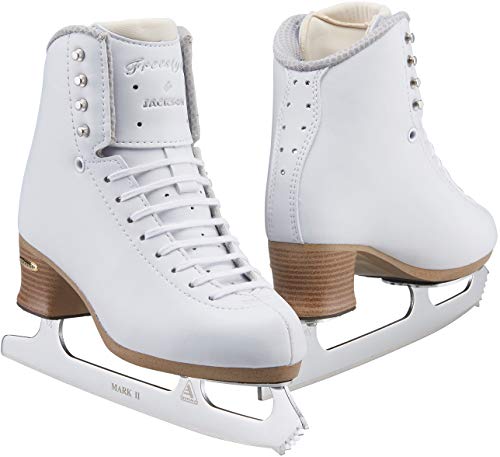
Jackson Ultima Fusion Freestyle – Best Overall Transition Skate
The Jackson Fusion (women’s) and Freestyle (men’s) are the industry standard for skaters mastering single jumps. They feature a reinforced synthetic upper with a stiffness rating of 45, providing excellent support without being overwhelming. The Ultima Mark IV blade offers a superior rocker for learning spins.
Edea Overture – Best for Lightweight Performance
Ideal for skaters who value agility, the Edea Overture uses a unique, lightweight composite material. Its concentrated stiffness zones offer targeted support for jumps while allowing easier knee bend. This boot is perfect for artistic skaters moving into Axel preparation and beginning doubles.
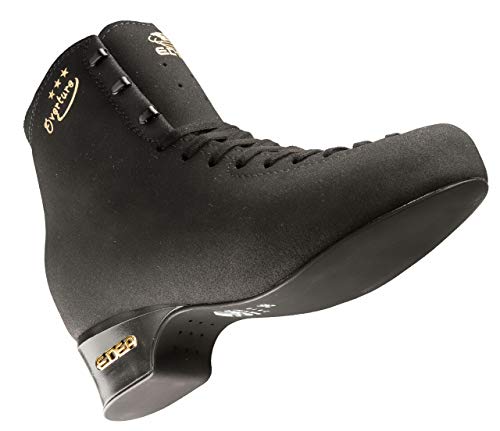
- Our boots are designed with lightness in mind making them more responsive….
- The unique insole made by with fiberglass and nylon allows more power…
- Our hi-tech soles are made with ultra modern material making them both…
Riedell 114 Pearl – Best for Traditional Fit & Durability
The Riedell 114 Pearl offers a classic, durable leather construction with a stiffness rating of 55. It’s known for its excellent heel lock and customizable fit. Paired with the popular Mirage blade, this package is a reliable, long-lasting choice for serious skaters committed to freestyle progression.

Conclusion: Mastering Your Transition to Advanced Figure Skates
Upgrading from recreational to advanced skates is a pivotal step in your skating journey. It unlocks new levels of performance, safety, and artistic expression. The right equipment supports your technical growth.
The key to success lies in professional fitting, patient break-in, and technique adaptation. Avoid the common mistake of choosing skates that are too stiff too soon. Match your boots to your current skill level.
Take this guide with you when you visit a certified skate fitter. Use it to ask informed questions and make confident decisions. Your investment will pay dividends in your progress and enjoyment on the ice.
Embrace the challenge. With the right preparation, your new advanced skates will become the trusted foundation for every jump, spin, and edge to come.
Frequently Asked Questions about Transitioning to Advanced Figure Skates
What is the main difference between recreational and advanced figure skates?
Advanced skates feature a stiff, supportive boot for jumps and a high-quality, rockered blade for spins. Recreational skates prioritize comfort and warmth with flexible boots and flatter blades. This fundamental design shift impacts performance, safety, and the skills you can safely attempt.
The construction materials, blade mounting, and intended use are completely different. Advanced equipment is a precision tool, while recreational skates are for casual enjoyment.
How do I know when I’m ready to transition to advanced skates?
You are likely ready if you are consistently practicing single jumps like loops and flips, or if your coach recommends it. Another key sign is if your current skates feel wobbly or unsupportive during landings and deep edges.
Your ankles should be strong enough to support basic maneuvers without relying on a stiff boot. Consult with your coach and a professional fitter for a personalized assessment before purchasing.
What is the best way to break in new advanced figure skates?
The best method is a gradual, multi-step process. Start by wearing them at home with guards on to soften the materials. Then, dedicate your first several ice sessions to basic stroking and edges, avoiding jumps.
Expect 10-20 hours of total ice time for a full break-in. Use thin socks and address pressure points with gel pads. Never try to “skate through” sharp, stabbing pain.
Why do advanced skates feel so uncomfortable at first?
They feel uncomfortable because they are designed for a “performance fit,” not a “comfort fit.” Your heel must be locked in with zero lift, and the stiff materials need time to mold to your foot’s unique shape.
This initial snugness ensures stability and control. The boot will pack out and become more comfortable as the materials soften and conform to your foot during the break-in period.
How often do advanced skate blades need to be sharpened?
Advanced blades typically need sharpening every 20-40 hours of ice time. The exact frequency depends on ice conditions, your skating style, and the blade steel. Duller ice and heavier skaters can accelerate wear.
Learn to recognize the signs of dull blades: slipping on edges, difficulty centering spins, and a general lack of “grip” on the ice. Consistent sharpening is crucial for performance and safety.
Can I use my old recreational skates after getting advanced ones?
It is not recommended. Using two different types of skates will confuse your muscle memory and technique. The balance point, blade rocker, and ankle support are too dissimilar.
Stick exclusively to your new advanced skates once you begin the transition. This consistency is vital for your feet and brain to fully adapt to the new equipment and build proper technique.
What is the most common mistake when buying first advanced skates?
The most common error is buying skates that are too stiff for your current skill level. Skaters often think “stiffer is better,” but overly rigid boots prevent proper knee bend and ankle flexion, hindering progress.
Another major mistake is skipping a professional fitting. Sizing varies by brand, and a fitter ensures correct length, width, and alignment for your specific foot shape and skating style.
How long should a pair of advanced figure skates last?
For a skater in active training, advanced boots typically last 1-3 years before losing supportive stiffness. Blades often last through one boot cycle but may need replacement if heavily worn or if you change boot models.
Longevity depends on frequency of use, jump impact, and care. Regularly inspect for excessive creasing, loss of support, and heel lift, which signal it’s time for a replacement.