Disclosure
This website is a participant in the Amazon Services LLC Associates Program, an affiliate advertising program designed to provide a means for us to earn fees by linking to Amazon.com and affiliated sites.
Using blade guards correctly is essential for protecting your figure skate blades from damage. Proper use prevents rust, maintains sharp edges, and saves you money. This is the single most important habit for skate longevity.
Neglecting this simple tool leads to dull blades, deep nicks, and costly sharpening. Our complete guide provides the proven methods to avoid these common and expensive mistakes. You will keep your skates performing like new.
The Real Problem: Your Guards Are Trapping Moisture
Most skaters think blade guards are just for walking. The real danger happens off the ice. Putting hard guards on wet blades traps moisture against the steel. This creates a perfect environment for rust to form rapidly.
Rust is the silent killer of skate blades. It dulls your edges, creates pits in the steel, and forces frequent, costly sharpening. Even light surface rust degrades performance and shortens your blade’s lifespan dramatically.
Quick Fix: Use Absorbent Soft Guards Immediately
The solution is simple but non-negotiable. After skating, always dry your blades with a towel first. Then, immediately place them in absorbent soft blade guards, not hard plastic walkers. These guards wick away residual moisture as your skates dry completely.
We recommend a reliable, highly-rated option like the Cuayaes Ice Skate Guards Soft Covers. They are a fundamental tool for proper skate care.
- Made with super-absorbent terry cloth lining.
- Durable outer shell protects from accidental bumps.
- Essential for storage and transport after skating.
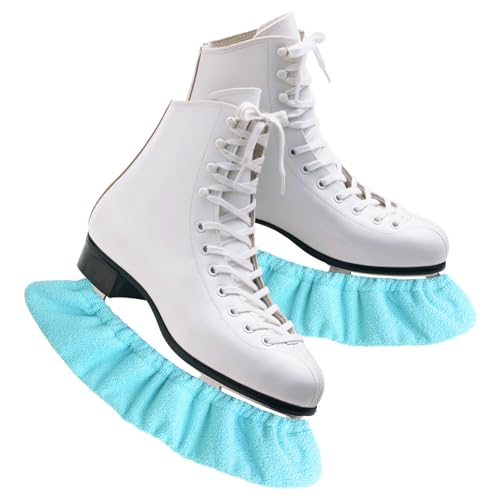
- Medium size youth ice skate guards:The maximum stretching caliber size of…
- Easy to put on and off:Our skate blade protector is soft and elastic enough…
- Durable materials:Our figure skates blade covers are designed of 2.1…
Check current price on Amazon →
When New Guards Aren’t Enough
If your blades already show signs of rust or excessive wear, the problem may be more advanced. Sometimes, the blade steel itself is of lower quality and more prone to damage, no matter how careful you are.
In this case, investing in skates with higher-quality, corrosion-resistant blades is a long-term solution. Explore our guide to the most durable stainless steel figure skate blades for options built to last.
For those needing a full skate upgrade, consider models known for durability and performance. Read our in-depth reviews of the 5th Element Grace ice skates and the Riedell Soar ice skates to find a perfect, long-lasting match.
Choosing the Right Blade Guard for Every Situation
Not all blade guards are created equal. Using the wrong type can damage your skates as much as using none at all. The key is understanding the distinct purpose of each guard type.
You need different guards for walking, drying, and storing your skates. Matching the guard to the moment is the cornerstone of proper blade protection and skate longevity.
Hard Plastic Walking Guards: For Transport Only
Hard guards are designed for one thing: protecting blades while walking on hard surfaces. They shield the sharp edges from concrete, asphalt, and locker room floors. They are not for storage or wet blades.
Always follow this strict protocol when using hard guards:
- Use Dry Blades Only: Never put hard guards on wet blades. Always towel-dry thoroughly first.
- Remove Immediately: Take them off as soon as you reach the ice or your storage bag.
- Inspect Regularly: Check for trapped debris or moisture inside the guard after each use.
Soft Absorbent Guards: Your Primary Protection
Soft guards are your skates’ best friend after a session. They are made with terry cloth or microfiber lining to absorb residual moisture. This prevents rust during transport and storage.
These are the guards you should use 90% of the time your skates are off your feet. Their primary benefits are clear:
- Moisture Wicking: Pulls water away from the steel to air-dry safely.
- Edge Protection: Cushions blades from light bumps in your skate bag.
- Safe Long-Term Storage: Can be left on blades in a dry, ventilated area.
Soakers vs. Covers: Understanding the Difference
The terminology can be confusing. “Soakers” typically refer to thick, plush, fully absorbent guards. “Soft covers” may have a less absorbent lining and a tougher exterior shell.
For optimal protection, prioritize high absorbency. Here’s a quick comparison to help you choose:
| Feature | Plush Soakers | Soft Covers |
|---|---|---|
| Best For | Maximum drying & storage | Drying & bag transport |
| Absorbency | High (Thick terry cloth) | Medium (Microfiber lining) |
| Durability | Lower | Higher (Reinforced shell) |
Key Takeaway: You need both hard and soft guards. Use hard guards only for walking on dry blades. Use soft, absorbent guards for all drying, transport, and storage.
The Step-by-Step Guide to Proper Blade Guard Protocol
Knowing which guard to use is half the battle. The other half is executing the correct routine every single time. This step-by-step process will become second nature and ensure maximum blade life.
Following this protocol eliminates guesswork and prevents the most common blade care mistakes. Consistency is the key to keeping your edges sharp and rust-free.
Post-Skating Routine: From Ice to Bag
What you do in the first five minutes after skating is critical. This routine prevents moisture damage before it starts. Never sit down with your skates still on.
- Step 1: Immediate Wipe-Down
Use a dedicated, dry microfiber towel to thoroughly wipe each blade. Remove all visible moisture, snow, and ice. - Step 2: Apply Soft Guards
Slide on your absorbent soft guards immediately. This protects the blades and continues the drying process. - Step 3: Loosen Laces & Air Out
Open up the boot to let internal moisture escape. Place skates in a well-ventilated area of your bag.
Pre-Skating Preparation: From Bag to Ice
Proper preparation protects your blades and ensures safety on the ice. This routine focuses on securing your edges for walking to the rink side.
- Step 1: Remove Soft Guards
Take off the soft storage guards. Check that blades are completely dry and clean. - Step 2: Secure Hard Walking Guards
Firmly snap hard plastic guards over the completely dry blades. Ensure they are snug and secure. - Step 3: Final Ice-Side Check
At the rink entrance, remove hard guards. Visually inspect blades for debris before stepping onto the ice.
Common Blade Guard Mistakes to Avoid
Even experienced skaters can develop bad habits. Be vigilant and avoid these critical errors that shorten blade life.
- Storing with Hard Guards On: This traps moisture and guarantees rust. Always store with soft guards or no guards.
- Using Cracked or Worn Guards: Damaged guards can trap grit that scratches blades. Inspect and replace them regularly.
- Forgetting the Towel Dry: Relying solely on soft guards without a preliminary wipe is insufficient. Always dry first.
Key Takeaway: Your blade guard routine is a non-negotiable ritual. Always follow the sequence: Dry → Soft Guard (for storage) → Hard Guard (for dry walking only) → Remove before ice.
Advanced Care: Maintenance and Troubleshooting for Guards
Your blade guards themselves require care to function properly. A dirty or damaged guard can harm your blades as much as no guard at all. Proactive maintenance is part of a complete protection strategy.
This section covers how to clean your guards, spot warning signs of failure, and know when it’s time for a replacement. Extend the life of both your skates and their protectors.
How to Clean and Maintain Your Blade Guards
Guards collect moisture, dirt, and rink debris. A simple cleaning routine prevents them from transferring grime onto your blades. Clean soft guards monthly and hard guards as needed.
- Soft Guards: Hand wash in warm water with mild detergent. Rinse thoroughly and air dry completely before use. Never put them in a dryer.
- Hard Guards: Wipe inside and out with a damp cloth. Use a small brush to dislodge packed debris from the grooves. Ensure they are bone-dry inside.
- Storage: Store all guards in a dry, ventilated area of your skate bag, separate from wet gear.
Signs Your Blade Guards Need Replacing
Guards are consumable items. Using worn-out guards compromises your blade protection. Inspect them regularly for these critical failure points.
| Guard Type | Warning Signs | Risk to Blades |
|---|---|---|
| Hard Plastic Guards | Cracks, broken clips, excessive warping, worn-down tread | Blades can fall out; debris enters cracks and scratches steel |
| Soft Absorbent Guards | Lining is matted, non-absorbent, torn, or smells musty | Fails to wick moisture; harbors bacteria and mold |
Solving Common Blade Guard Problems
Even with perfect care, issues can arise. Here are quick fixes for frequent frustrations skaters encounter with their guards.
- Problem: Guards are too loose.
Solution: This is a safety hazard. Replace them immediately with the correct size for your blade length. - Problem: Rust spots appear despite using soft guards.
Solution: You are likely putting guards on while blades are still too wet. Towel-dry more aggressively first. - Problem: Hard guards are difficult to remove.
Solution: Press the release clips firmly and wiggle the guard off gently. Forcing it can damage the blade’s toe pick.
Key Takeaway: Maintain your guards like any essential piece of gear. Clean them regularly, inspect for damage, and replace them promptly when worn. A failing guard offers false security.
Maximizing Skate Longevity: The Complete Blade Care Ecosystem
Blade guards are your first line of defense, but they are part of a larger system. True skate longevity comes from combining proper guard use with complementary care habits. This holistic approach protects your investment for years.
Think of blade care as an ecosystem. Each element supports the others to create an environment where your blades stay sharp, rust-free, and ready to perform.
Essential Companion Products for Blade Care
Pair your guards with these key tools to form a complete maintenance kit. Each addresses a specific need that guards alone cannot fulfill.
- Microfiber Drying Towel: A dedicated, highly absorbent towel for the initial post-skate wipe-down. This is non-negotiable for removing bulk moisture.
- Blade Covers for Sharpening: When getting skates sharpened, provide soft covers to the technician. This protects the freshly sharpened edges on the way home.
- Waterproof Skate Bag: A bag with a separate, ventilated compartment for skates. It contains moisture and protects other belongings.
Long-Term Storage Best Practices
Proper storage during the off-season or extended breaks is crucial. The wrong approach can undo all your careful in-season maintenance.
Follow this checklist when putting skates away for more than a few weeks:
- Give blades a final, thorough cleaning and drying.
- Apply a light coat of blade oil or a rust inhibitor to protect the steel.
- Place skates in their soft guards and store them in a breathable cloth bag.
- Keep them in a climate-controlled, dry place away from direct heat or humidity.
Integrating Guard Use with Sharpening Cycles
Your blade guard habits directly impact how often you need sharpening. Proper care extends the time between costly professional services.
- Guard Use Reduces Wear: Protecting edges from concrete and locker room grit prevents nicks and premature dulling.
- Rust Prevention is Key: Rust pits and corrodes the steel, requiring more material to be removed during sharpening, shortening the blade’s total lifespan.
- Monitor Performance: Even with perfect care, blades dull with use. Track your ice time and schedule sharpening based on feel and performance, not just a calendar.
Key Takeaway: Blade guards are the cornerstone of skate care. Build a complete system around them with drying towels, proper storage, and mindful sharpening. This ecosystem is the proven path to maximizing your skate’s life and performance.
Frequently Asked Questions About Blade Guard Use
Even with a solid routine, specific questions often arise. This section addresses the most common and critical queries from skaters of all levels. Clear answers prevent confusion and solidify good habits.
These FAQs tackle real-world scenarios and nuanced concerns that aren’t always covered in basic guides. Find your specific question answered below.
Can I Leave Soft Guards On My Skates All the Time?
Yes, but with one major caveat. You may leave clean, dry, absorbent soft guards on for storage and transport. They protect against dust and light bumps.
However, you must ensure the blades and guards are completely dry first. Never store skates in damp soft guards, as this will cause rust. Periodically remove them to let everything air out fully.
What Should I Do If I Forget My Hard Guards?
This is a common dilemma. If you must walk without hard guards, take extreme care. Walk on the rubber heel stopper or the very front of the toe pick, not on the blades.
Better solutions include:
- Carrying your skates to the ice surface.
- Using a temporary barrier like a thick towel under your blades.
- Keeping a spare pair of hard guards in your skate bag for emergencies.
How Do I Protect My Blades During Summer or Off-Season?
Off-season storage is critical for preventing long-term corrosion. Follow this enhanced protocol for breaks longer than a month.
- Perform a deep clean and ensure blades are bone-dry.
- Apply a thin coat of specialized blade oil or a silicone cloth.
- Wrap blades in wax paper or VCI paper to inhibit rust.
- Store in soft guards inside a breathable bag in a cool, dry place.
Are Expensive Blade Guards Worth the Investment?
Generally, yes. Higher-quality guards offer better materials and construction. This translates to more effective protection and longer product life.
| Budget Guards | Premium Guards |
|---|---|
| Thinner, less absorbent lining | High-pile, super-absorbent terry cloth |
| Plastic clips that may break easily | Reinforced, durable metal or hard plastic clips |
| Basic protection | Often include features like moisture-wicking tags or antimicrobial treatment |
Key Takeaway: When in doubt, prioritize keeping blades dry and protected from hard surfaces. Investing in quality guards and following consistent routines saves money on sharpening and blade replacements in the long run.
Pro Tips and Common Myths Debunked
Beyond the basics lie expert-level insights that can make a significant difference. This section separates fact from fiction in the world of blade care. Learn the subtle tricks that coaches and pros use every day.
We’ll also dismantle persistent myths that lead skaters astray. Knowing what not to do is just as important as knowing the correct procedure.
Expert-Level Blade Guard Hacks
Incorporate these advanced practices into your routine for superior protection and convenience. They address common minor frustrations with simple, effective solutions.
- Color-Code Your Guards: Use different colored soft guards for different skate pairs if you own multiple. This prevents mix-ups and ensures a proper fit.
- The “Guard First” Bag Pack: Always place your dry, guarded skates in the bag last, on top of other gear. This prevents them from being crushed and keeps them accessible.
- Tag for Absorption: Some premium soft guards have a long fabric tag. Pull this tag out after putting the guard on to wick moisture away from the blade more effectively.
Dangerous Myths You Must Ignore
Misinformation about blade care is widespread. Believing these myths can lead to rapid blade degradation and unsafe skating conditions.
Myth 1: “A little rust doesn’t matter.”
Truth: All rust matters. Surface rust quickly becomes pitting, which weakens the steel and ruins the smooth glide. It must be addressed immediately by a qualified sharpener.
Myth 2: “You can use hard guards if you dry the blades first.”
Truth: This is a half-truth. You can use hard guards on completely dry blades for walking only. The myth is that they are safe for storage, which they are not.
Myth 3: “Newspaper or paper towels work as well as soft guards.”
Truth: While better than nothing, paper products are inferior. They tear, leave lint, and do not wick moisture effectively. They are a temporary emergency fix, not a replacement.
Building a Foolproof Pre- and Post-Ice Checklist
Create a mental or physical checklist to ensure you never miss a step. Consistency is the ultimate pro tip for extending skate life.
Post-Ice (The Dry & Protect Phase):
- Wipe blades dry with microfiber towel.
- Insert absorbent soft guards.
- Loosen laces, open boots, and place in bag.
Pre-Ice (The Secure & Inspect Phase):
- Remove soft guards, confirm blades are dry/clean.
- Secure hard walking guards.
- At rink, remove hard guards and step onto ice.
Key Takeaway: Elevate your blade care with pro hacks and a critical eye for myths. The most effective routine is a consistent, informed one that prioritizes keeping the steel dry and the edges protected from impact.
Special Considerations for Different Skaters and Blades
Not all skates and skaters have the same needs. Your specific situation may require slight adjustments to the standard blade guard protocol. Tailoring your approach ensures optimal protection for your unique equipment.
Whether you’re a beginner, a competitive skater, or use specialized blades, understanding these nuances is key. One-size-fits-all advice doesn’t always apply at the edges.
Beginner Skaters and Rental/Recreational Skates
New skaters and those using basic recreational skates face unique challenges. The blades are often softer steel and more prone to nicks and rust. Establishing good habits from day one is crucial.
- Focus on the Basics: Master the dry → soft guard routine first. This is the most important habit to prevent immediate rust damage.
- Guard Fit is Critical: Recreational skates often have shorter blades. Ensure hard guards fit snugly to prevent tripping. Avoid overly long, loose guards.
- Simple Tools: A basic towel and a pair of affordable, absorbent soft guards are a perfect starter kit. No need for premium products initially.
Competitive Skaters and High-End Blades
With significant investment in premium blades like Pattern 99, Gold Seal, or Phantom, protection becomes non-negotiable. The stakes for damage are much higher.
- Zero-Tolerance for Rust: High-carbon steel is performance-oriented but can be more susceptible to corrosion. Be fanatical about drying and using high-quality absorbent guards.
- Dedicated Storage: Consider a rigid blade case for travel to competitions. Never check high-end skates in luggage without a hard case.
- Guard Maintenance: Inspect and clean your guards more frequently. Grit trapped in a guard can scratch a polished high-end blade surface.
Adjustable Skates and Youth Sizing
Skates that grow with the skater, especially youth models, present a moving target. Your blade guard strategy must adapt as the skate extends.
| Consideration | Solution |
|---|---|
| Blade length changes as skate is adjusted. | Purchase hard guards that fit the maximum extended length of the blade. They will be loose at shorter settings but safe. |
| Frequent hand-me-downs or resale. | Maintaining pristine blades with proper guard use significantly increases the skate’s resale value and longevity for the next user. |
| Teaching responsibility. | Make the post-skate drying and guarding routine a simple, non-negotiable task for the young skater to build lifelong habits. |
Key Takeaway: Adapt the core principles to your specific skates and skill level. Beginners should build foundational habits, while competitive skaters must be meticulous. For adjustable skates, plan for growth to ensure continuous protection.
Best Blade Guards for Extending Skate Life – Detailed Comparison
Choosing the right guard makes following the correct protocol easier. We recommend these three top-performing options, each excelling in a specific category. Investing in quality here protects your much larger investment in your skates.
Cuayaes Ice Skate Guards Soft Covers – Best Overall Protection
These are our top pick for daily use. They feature a high-pile terry cloth lining that wicks moisture exceptionally well. The durable nylon outer shell protects against bag bumps. Ideal for all skaters seeking reliable post-skate drying and storage protection.
- Medium size youth ice skate guards:The maximum stretching caliber size of…
- Easy to put on and off:Our skate blade protector is soft and elastic enough…
- Durable materials:Our figure skates blade covers are designed of 2.1…
Kami-So’s Ice Skate Guards – Best Walking Guards
For secure transport, these hard guards are unmatched. They offer a snug, secure fit with reinforced clips that won’t break. The tread provides excellent grip on all surfaces. They are the perfect companion to use on completely dry blades when walking to the rink.
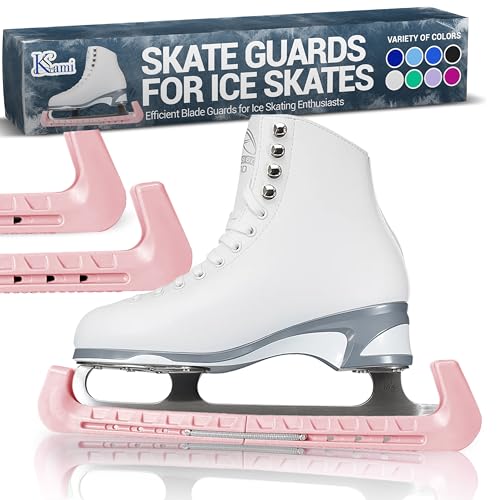
- PREMIUM BLADE COVERS WITH STYLE – Keep your ice skate blades protected…
- PROTECTIVE GEAR FOR ICE SKATERS – Each pack includes one pair of ice…
- DURABLE MATERIALS FOR MAXIMUM PROTECTION – Made from tough polypropylene,…
Nosadi Figure Skating Soakers – Best Premium Absorbent Option
Designed for high-end blade care, Nosadi’s soakers offer superior materials. They use extra-thick, plush fabric for maximum absorption and a soft inner that won’t scratch polished blades. The extended tag enhances moisture wicking. Ideal for competitive skaters with premium blades.
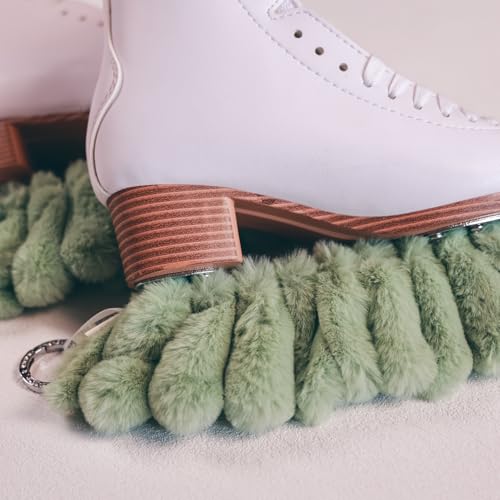
- 【Durable and High-Quality Materials】Add a touch of comfortable, dreamy…
- 【Multiple Size Options for a Perfect Fit】Our soakers are designed to…
- 【Moisture-Wicking Inner Liner】The soft and stretchy interior fabric…
Conclusion: Mastering Blade Guards for Long-Lasting Skates
Using blade guards correctly is the simplest way to protect your investment. It prevents rust, preserves sharp edges, and saves you money on frequent sharpening. This routine is non-negotiable for any serious skater.
The key takeaway is clear: always dry your blades first, use soft guards for storage, and only use hard guards for walking on dry surfaces. Make this habit as automatic as tying your laces.
Start implementing this complete blade care protocol today. Your skates will perform better and last significantly longer. Share this guide with your skating friends to help them protect their blades too.
With consistent care, your figure skates will deliver peak performance season after season. Now step onto the ice with confidence, knowing your blades are perfectly protected.
Frequently Asked Questions About Using Blade Guards
What is the main purpose of figure skate blade guards?
Blade guards serve two distinct purposes. Hard plastic guards protect sharp edges while walking on hard surfaces like concrete. Soft absorbent guards wick away moisture after skating to prevent rust during storage and transport.
Using the correct type for each situation is crucial. Hard guards are for temporary walking protection only, while soft guards are for drying and safe long-term storage of your skates.
How long can I leave soft blade guards on my skates?
You can leave clean, dry soft guards on indefinitely for storage. They protect blades from dust and light impacts in your bag. This is actually recommended for long-term protection between skating sessions.
The critical requirement is that both blades and guards must be completely dry first. Never store skates in damp soft guards, as this will trap moisture and cause rust to form on the steel.
What should I do if I accidentally put hard guards on wet blades?
Remove the hard guards immediately and thoroughly dry the blades with an absorbent towel. Inspect for any moisture trapped in the blade’s grooves or mounting area. Then place them in dry, absorbent soft guards to complete the drying process.
Check for early rust spots over the next few days. If you see any discoloration, have your blades professionally inspected at your next sharpening to prevent pitting.
Are expensive blade guards worth the extra money?
Generally, yes. Premium guards typically feature higher-quality materials like thicker absorbent lining and more durable clips. They offer better moisture wicking and last longer through frequent use, providing more reliable protection for your investment.
For casual skaters, mid-range guards are sufficient. Competitive skaters or those with high-end blades should invest in premium options for maximum protection and longevity.
How often should I replace my blade guards?
Replace soft guards when the lining becomes matted, non-absorbent, or develops tears. Replace hard guards if they crack, if clips break, or if they become loose and no longer fit securely on your blades.
There’s no set timeline—inspect them monthly. Worn-out guards provide false security and can actually damage your blades by trapping debris or failing to absorb moisture effectively.
Can I use just one type of guard instead of both?
No, you need both types for complete protection. Hard guards are essential for walking to prevent edge damage but dangerous for storage. Soft guards are essential for drying and storage but offer no walking protection.
Attempting to use only one type compromises either your blades’ edges or their resistance to rust. A complete blade care kit requires both hard walking guards and soft absorbent guards.
What is the best way to clean soft blade guards?
Hand wash soft guards in warm water with mild detergent. Gently scrub the absorbent lining to remove built-up moisture and dirt. Rinse thoroughly until the water runs clear, then air dry completely before using them again.
Never machine wash or machine dry soft guards, as this can damage the lining and stitching. Clean them monthly or whenever they appear soiled to maintain their effectiveness.
How do blade guards help extend time between sharpenings?
Proper guard use prevents two main causes of premature dulling. Hard guards protect edges from nicks and abrasion when walking on hard surfaces. Soft guards prevent rust, which corrodes and pits the steel, requiring more material removal during sharpening.
By keeping edges sharp and steel rust-free, you maintain optimal blade performance longer. This can significantly extend the time between costly professional sharpening sessions.