Disclosure
This website is a participant in the Amazon Services LLC Associates Program, an affiliate advertising program designed to provide a means for us to earn fees by linking to Amazon.com and affiliated sites.
Waterproofing your figure skate boots is essential for protecting your investment and enhancing performance. Moisture damages leather, causes rust, and compromises boot support. This complete guide provides expert tips and proven methods to shield your skates.
You will learn the best waterproofing products and a step-by-step application process. We cover maintenance for long-lasting protection against rink snow and outdoor elements. Keep your boots dry, durable, and performing at their peak.
Why Unprotected Skates Are a Costly Problem
Water is the enemy of your figure skates. Every session exposes them to rink snow, melted ice, and ambient moisture. This constant attack leads to three major issues that hurt your wallet and performance.
First, leather boots lose their shape and support as they absorb water, becoming soft and prone to breaking down. Second, moisture causes steel blades to rust and corrode, ruining their sharp edge. Finally, wet skates develop unpleasant odors from trapped bacteria.
Your First Line of Defense: A Quality Waterproofer
The simplest solution is applying a dedicated skate protector. These products create an invisible barrier that repels water while letting the leather breathe. For a reliable and easy-to-use option, consider the Nikwax Fabric & Leather Proof Spray.
This spray-on proofer is a favorite among skaters for good reason:
- It waterproofs both leather uppers and fabric liners.
- The formula is non-toxic and preserves breathability.
- Application is quick and doesn’t change the boot’s look or feel.
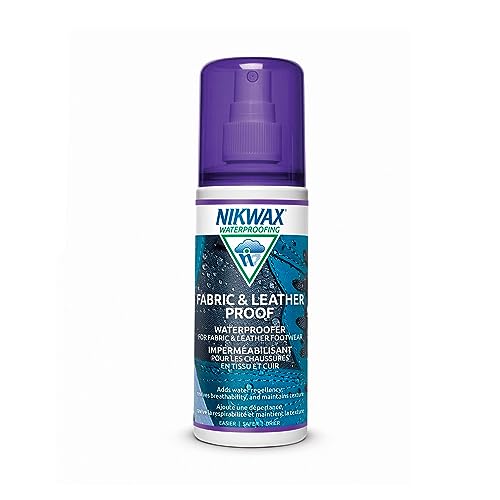
- High performance waterproofer designed to revitalize breathability of all…
- Easy to use spray-on waterproofing for all fabric, leather, and combination…
- Adds water repellency and revives breathability without softening leather.
Check current price on Amazon →
When Waterproofing Alone Isn’t Enough
If your boots are already heavily worn or you skate frequently in wet conditions, consider a multi-pronged approach. Start by ensuring you own a pair of quality stainless steel blade skates for inherent rust resistance.
Proper drying is also critical. Never store damp skates in a bag. For deep comfort and protection from the cold, explore our guide to the best insulated ice skates. If you’re in the market for new boots entirely, our review of top recreational skates can help you find a durable, well-made starting point.
Choosing the Right Waterproofing Products for Skates
Selecting the correct protector is crucial for effective skate care. The wrong product can damage leather or clog breathable materials. Your choice depends on your boot’s material and your skating environment.
There are three main types of protectors: sprays, waxes, and creams. Each has distinct advantages for different situations. Understanding their properties ensures you get the best protection without harming your gear.
Sprays: The Quick and Even Application
Aerosol or pump sprays are popular for their ease of use. They provide a thin, uniform coating that is ideal for modern skate materials. This includes synthetic leather, microfiber, and fabric liners.
Key benefits of spray-on waterproofers:
- Fast Coverage: Efficiently coat hard-to-reach seams and stitching.
- Lightweight Finish: Doesn’t add weight or alter boot flexibility.
- Breathability: Many modern sprays are designed to repel water while allowing moisture vapor from your foot to escape.
Waxes and Creams: Deep Conditioning for Leather
Traditional paste waxes and creams are best for genuine, full-grain leather boots. They penetrate deeply to nourish and protect the leather fibers from within. This method is favored for high-end, traditional skate models.
These products offer a dual-action benefit. They waterproof while simultaneously conditioning the leather to prevent drying and cracking. Application requires more hands-on effort but delivers superior, long-lasting results for premium boots.
Sprays: Best for synthetics, mixed materials, and quick maintenance.
Waxes/Creams: Best for genuine leather, offering deep conditioning and robust protection.
Specialty Products: Blade Guards and Drying Aids
Waterproofing extends beyond the boot itself. Protecting your blades from rust is equally important. Absorbent blade guards like TerryCloth Soakers pull moisture away after skating.
For complete skate care, integrate these tools into your routine:
- Use hard guards for walking off-ice only.
- Immediately dry blades with soft, absorbent soakers after removal.
- Employ cedar shoe trees to absorb internal moisture and maintain boot shape.
This multi-product approach tackles moisture from every angle. It ensures comprehensive protection for your entire skate setup, prolonging its life significantly.
Step-by-Step Guide to Waterproofing Your Boots
Proper application is just as important as choosing the right product. A careful, methodical process ensures maximum protection and prevents damage. Follow this detailed guide for professional results every time.
Before you begin, gather your supplies in a well-ventilated area. You will need your chosen waterproofing product, a clean microfiber cloth, a soft brush, and newspaper. Always test the product on a small, inconspicuous area first.
Preparation: Cleaning and Drying Your Skates
Never apply protector to dirty or damp boots. Any grime or moisture trapped under the sealant will cause damage. Start by removing laces and any removable insoles or footbeds.
Use a damp microfiber cloth to wipe away all surface dirt, salt, and rink snow. For stubborn marks, use a mild leather or synthetic cleaner. Then, let the boots air dry completely away from direct heat sources for at least 24 hours.
- ✅ Boots are completely clean and dry.
- ✅ Laces and insoles are removed.
- ✅ Product has been tested on a small area.
- ✅ Work area is ventilated and protected with newspaper.
Application Techniques for Sprays vs. Waxes
The method differs significantly between product types. For sprays, hold the can 6-8 inches from the boot. Apply a light, even coat over the entire surface, including seams and the sole.
For waxes or creams, use a clean cloth to rub a thin layer into the leather using small circular motions. Focus on high-wear areas like the toe, ankle, and instep. Ensure you cover all stitching thoroughly.
Curing and Post-Application Care
After application, the curing process is critical. Allow the treated boots to dry naturally for the time specified on the product label, typically 12-24 hours. Avoid using the skates or exposing them to moisture during this period.
Once fully cured, buff the boots with a clean, dry cloth to remove any excess residue. This final step enhances the protective layer and restores the boot’s natural sheen. Re-lace your skates only after the process is complete.
For ongoing maintenance, reapply your waterproofing treatment every 4-6 weeks with regular use. This maintains a consistent protective barrier against constant moisture exposure on the ice.
Advanced Maintenance and Long-Term Protection
Waterproofing is not a one-time task but an ongoing regimen. Consistent aftercare dramatically extends the lifespan of your figure skates. This section covers advanced strategies for skaters who use their gear frequently.
Integrating simple habits into your post-skating routine is the key to success. These practices prevent moisture damage before it starts. They also ensure your initial waterproofing treatment remains effective for longer.
The Critical Post-Skate Drying Protocol
Your most important defense is proper drying after every use. Never, under any circumstances, store damp skates in a closed bag. This traps moisture and creates a perfect environment for mold, mildew, and rust.
Instead, follow this immediate post-skate routine:
- Wipe blades and soles with a dry towel to remove surface water and snow.
- Insert absorbent cedar shoe trees to draw moisture from the boot’s interior.
- Place skates in a well-ventilated area, away from heaters, and let them air dry for 24 hours.
Protecting Your Blades from Rust and Corrosion
Blades require separate attention from the boot. Rink ice and snow are highly corrosive to carbon steel. The moment you step off the ice, the clock starts on potential rust formation.
Always use soft, absorbent terrycloth blade soakers immediately after removing your skates. Avoid using hard plastic guards for storage, as they trap moisture against the blade. For added protection, apply a thin coat of blade oil or a specialized anti-rust spray after drying.
| Tool | Purpose | When to Use |
|---|---|---|
| Hard Plastic Guards | Protect edges when walking off-ice | Walking to/from the rink only |
| Terrycloth Soakers | Absorb moisture after skating | Immediately after skating, during storage |
| Cedar Shoe Trees | Absorb internal moisture, maintain shape | During all storage periods |
Seasonal Storage and Deep Conditioning
For long-term storage, a more thorough process is required. Give your boots a final, complete cleaning and apply a fresh, heavy coat of waterproofing wax or cream. This creates a robust barrier for the off-season.
Store your skates in a climate-controlled environment with low humidity. Ensure they are completely dry and place them in a breathable cotton bag, not plastic. This prevents leather from drying out and cracking during extended periods of non-use.
Common Waterproofing Mistakes to Avoid
Even with the right products, errors in technique can undermine your efforts. Avoiding these common pitfalls ensures your waterproofing is effective and doesn’t damage your skates. Knowledge of these mistakes separates amateur care from professional maintenance.
Many skaters unknowingly reduce their boot’s lifespan through well-intentioned but harmful habits. Recognizing and correcting these errors is crucial for long-term gear health. Let’s examine the most frequent missteps.
Using the Wrong Product for Your Boot Material
One size does not fit all in skate waterproofing. Applying a heavy wax meant for full-grain leather to a synthetic boot can clog pores and cause discoloration. Conversely, a light spray may not adequately protect thick, traditional leather.
Always match the product to the material:
- Synthetic/Microfiber Boots: Use silicone-based or technical fabric sprays.
- Genuine Leather Boots: Opt for wax-based conditioners or creams that nourish the hide.
- Suede or Nubuck: Only use protectors specifically formulated for these delicate materials.
Rushing the Drying and Curing Process
Impatience is the enemy of effective waterproofing. Applying protector to even slightly damp boots seals moisture inside, accelerating rot. Similarly, using skates before the sealant has fully cured renders the treatment useless.
1. Applying to damp boots: Traps moisture, causes interior damage and odor.
2. Skating before full cure: Wears off the protector before it bonds, wasting product.
Neglecting Seams, Stitching, and the Sole
Focusing only on the main leather panels is a critical oversight. The stitching holes and seams are primary entry points for water. The sole, which constantly contacts wet ice, also needs protection.
During application, pay special attention to these high-risk areas. For seams, use a small brush or cloth to work the product into the thread. For the sole, a light coat of protector can prevent the leather or composite material from absorbing water and de-laminating over time.
Over-Application and Product Buildup
More is not better. Applying excessively thick coats creates a sticky, inflexible film that can crack. It also blocks the leather’s ability to breathe, leading to interior moisture buildup from sweat.
The goal is a thin, even, penetrating layer. For sprays, two light coats are far superior to one heavy, dripping coat. For waxes, buff off all excess until the boot no longer feels tacky. This ensures protection without compromising performance or comfort.
Expert Tips for Specific Skate Types and Conditions
Different skates and skating environments demand tailored waterproofing strategies. A recreational skater’s needs differ from a competitive athlete’s. Adapting your approach ensures optimal protection for your specific situation.
This section provides specialized advice based on boot construction and usage frequency. Implementing these targeted tips will maximize your results. Let’s explore the nuances for various skate categories.
Waterproofing New vs. Old Figure Skates
The approach varies significantly with the age of your boots. New skates benefit from a preventative treatment before their first use. This establishes a protective barrier from day one, keeping them in pristine condition longer.
For older, well-worn boots, a more intensive process is needed. Deep clean them first to remove ingrained dirt and salt. You may need multiple applications of a conditioning wax to restore suppleness and seal cracks in the leather.
Recreational Skating vs. Intensive Training
Your waterproofing schedule should match your time on the ice. For casual skaters hitting the rink occasionally, a thorough treatment at the start of the season may suffice. Focus on ease of use with a reliable spray protector.
Skaters in daily training face constant moisture exposure. They require a robust, multi-layered defense. This includes a heavy-duty wax base, meticulous post-session drying, and more frequent reapplication—often every 3-4 weeks.
| Skater Type | Recommended Product Type | Reapplication Frequency |
|---|---|---|
| Recreational (1-2x/month) | Spray or Light Cream | Every 2-3 months / Start of season |
| Weekly Skater | Conditioning Wax or Cream | Every 6-8 weeks |
| Competitive / Daily Training | Heavy-Duty Wax + Spray Top-Up | Every 3-4 weeks |
Special Considerations for Outdoor Ice
Skating on outdoor rinks or natural ice presents unique challenges. Boots are exposed to harsh elements like freezing rain, road salt, and abrasive snow. These conditions demand the highest level of protection.
For outdoor use, employ a two-step method. First, apply a penetrating leather conditioner. Second, add a top coat of a dedicated, heavy-duty waterproofing wax. Pay extra attention to the sole and lower boot area, as they have the most contact with contaminated snow and ice.
Your maintenance routine should be proportional to your ice time. The more you skate, the more vigilant you must be with both waterproofing application and post-skate drying rituals. Consistency is the true secret to long-lasting skate boots.
Best Waterproofing Products for Figure Skates – Detailed Comparison
Choosing the right product is crucial for effective protection. We’ve selected three top-performing options for different needs and budgets. Each offers proven results for keeping skate boots dry and in top condition.
Nikwax Fabric & Leather Proof Spray – Best Overall Choice
This water-based spray is our top recommendation for most skaters. It effectively waterproofs both leather and synthetic materials without harming breathability. The non-aerosol pump application allows for precise, even coverage on seams and stitching. Ideal for modern skate boots with mixed materials.
- High performance waterproofer designed to revitalize breathability of all…
- Easy to use spray-on waterproofing for all fabric, leather, and combination…
- Adds water repellency and revives breathability without softening leather.
Atsko Sno-Seal Original Beeswax Waterproofing – Best for Traditional Leather
For high-end, full-grain leather boots, Atsko Sno-Seal is a time-tested champion. This 100% beeswax formula penetrates deeply to condition and protect from within. It creates an incredibly durable barrier against wet ice and snow. Best for skaters who prioritize long-lasting, heavy-duty protection for premium leather.

- Made from Bee’s Wax
- Lubricates and conditions leather without softening
- Maintains flexibility in freezing temperatures
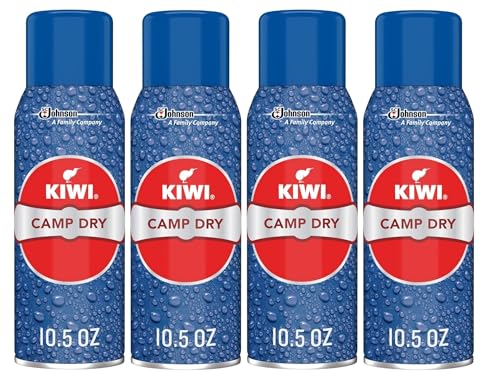
Kiwi Camp Dry Heavy Duty Water Repellent Spray – Best Budget Option
This aerosol spray offers serious water repellency at an affordable price. It delivers strong beading action on a wide variety of materials, including nubuck and suede. The quick-drying formula is convenient for regular maintenance. A great value choice for recreational skaters needing reliable, no-fuss protection.
Conclusion: Mastering Your Figure Skate Waterproofing Routine
Properly waterproofing your figure skate boots is a simple yet transformative skill. It protects your investment, enhances performance, and extends gear lifespan significantly. The right products and consistent habits prevent costly damage from moisture and rust.
The key takeaway is to integrate care into your regular skating routine. Make post-skate drying as automatic as lacing up. Choose a protector matched to your boot material and reapply it based on your ice time.
Start your new maintenance protocol today. Gather the recommended products and treat your skates this week. Your future self will appreciate the preserved support and saved replacement costs.
With this knowledge, you can skate with confidence, knowing your equipment is fully protected against the elements. Enjoy the ice!
Frequently Asked Questions about Waterproofing Figure Skate Boots
What is the best waterproofing spray for synthetic figure skates?
For synthetic or microfiber boots, a silicone-based spray like Nikwax Fabric & Leather Proof is ideal. These sprays create a water-repellent barrier without clogging pores or damaging man-made materials. They dry clear and don’t alter the boot’s flexibility or appearance.
Look for sprays specifically labeled safe for technical fabrics. Avoid heavy waxes or oils, as they can break down synthetic fibers and cause discoloration. Always test on a small, hidden area first to ensure compatibility.
How often should you waterproof leather ice skates?
For genuine leather skates, reapply waterproofing every 4-6 weeks with regular use. The frequency depends directly on how often you skate. A good test is to sprinkle water on the boot; if it beads up, protection is still active. If it soaks in, it’s time for a new treatment.
Competitive skaters training daily may need to apply a light conditioner every 3 weeks. Recreational skaters can often retreat just at the start and midpoint of the season. Always start with clean, completely dry boots.
Can you use mink oil to waterproof figure skates?
Mink oil can be used on full-grain leather boots, but with major caveats. It provides excellent water resistance and deeply conditions dry leather. However, it will significantly darken the boot’s color, which may not be desirable for light-colored skates.
It is not recommended for modern synthetic boots or those with fabric liners, as it can degrade these materials. For traditional leather, apply sparingly and buff thoroughly to avoid a greasy residue that attracts dirt.
What should you do if your skate boots get wet inside?
Immediately remove the liners if possible and stuff the boots with crumpled newspaper or moisture-absorbing cedar shoe trees. Replace the newspaper every few hours until no more moisture is absorbed. Never apply direct heat from a heater or hair dryer, as this can warp the leather and break down adhesives.
Allow the boots to air dry completely at room temperature, which may take 2-3 days. Only after they are 100% dry inside and out should you clean and reapply a waterproofing treatment to prevent future issues.
Is it necessary to waterproof new figure skates?
Yes, waterproofing new skates is highly recommended as a preventative measure. Applying a protector before the first use creates a barrier from day one. This keeps salt, rink snow, and moisture from ever penetrating the pristine leather or synthetic material.
It’s much easier to maintain a boot that has been protected from the start than to repair one already damaged by water. Ensure you use a product appropriate for the boot’s material for the best results.
How do you remove old waterproofing wax from skate boots?
Use a dedicated leather cleaner or a mild saddle soap with a soft brush. Gently work the cleaner into the leather in circular motions to break down and lift the old wax. Wipe away the residue with a damp cloth and let the boots dry completely.
This process may need to be repeated for heavy buildup. Once clean and dry, you can apply a fresh, even coat of your chosen waterproofing product. This ensures proper adhesion and effectiveness.
Does waterproofing affect the break-in process of new boots?
Properly applied waterproofing should not hinder break-in. Conditioning-based products like leather creams or waxes can actually keep the leather supple, making it more pliable and comfortable. The key is to apply a thin, even coat and buff off any excess.
Avoid thick, greasy applications that could clog the leather’s pores and create a stiff barrier. Lightweight sprays designed for breathability are also excellent for new boots, as they protect without adding any noticeable stiffness.
What’s the difference between waterproofing and water-resistant treatments?
Waterproofing aims to create a complete barrier that prevents any water penetration, ideal for constant exposure to wet ice. Water-resistant treatments cause water to bead up and roll off but may allow penetration under prolonged exposure or pressure.
For figure skates, a true waterproofing treatment is preferable due to the direct and frequent contact with melting ice. Look for products labeled “waterproof” or “heavy-duty water repellent” for the highest level of protection on the rink.
How Often Should I Reapply Waterproofing?
Frequency depends entirely on usage. A good general rule is to reapply when water no longer beads up on the boot’s surface. For most recreational skaters, this means every 2-3 months or at the start of the skating season.
High-frequency skaters should perform a visual and water bead test monthly. If you skate multiple times per week, plan to reapply a light coat every 3-4 weeks. Always re-treat after a deep cleaning or if the boots get thoroughly soaked.
- Water soaks in instead of beading.
- Boots darken quickly when exposed to snow.
- The leather feels dry or stiff instead of supple.
Can I Use Household Products Like Mink Oil or Beeswax?
Traditional products like mink oil and beeswax can be used on full-grain leather boots with caution. They offer excellent water resistance and conditioning. However, they are often too heavy for modern synthetic materials or technical fabrics.
Important considerations:
- Mink Oil: Darkens leather significantly. Use only if you don’t mind a color change.
- Beeswax: Can become brittle in cold temperatures. Best mixed with other conditioners.
- Vaseline/Silicone: Avoid these. They degrade leather and break down stitching over time.
What If My Boots Are Already Wet Inside?
First, never apply waterproofing to a damp interior. Your immediate goal is thorough drying. Remove the liners if possible and stuff the boots with crumpled newspaper or moisture-absorbing cedar shoe trees.
Replace the newspaper every few hours until it comes out dry. Let the boots air dry completely away from direct heat, which may take several days. Only once they are 100% dry inside and out should you clean and reapply your waterproofing treatment.
Does Waterproofing Affect Boot Break-In or Flexibility?
Properly applied, it should not. The key is using the right product sparingly. Heavy, greasy applications can clog leather pores and stiffen the material. A light, even coat of a quality product protects without compromising the boot’s natural flex points.
In fact, conditioning-based waterproofers (waxes, creams) can keep leather supple, aiding the break-in process. They prevent the leather from drying out and cracking, which actually maintains better long-term flexibility and comfort.