Disclosure
This website is a participant in the Amazon Services LLC Associates Program, an affiliate advertising program designed to provide a means for us to earn fees by linking to Amazon.com and affiliated sites.
Yes, inline skating is still popular—and it’s making a comeback. While it peaked in the ’90s, recent trends show renewed interest among fitness enthusiasts and urban commuters.
Many assume rollerblading faded away, but the truth is surprising. Social media, sustainability, and fitness trends have reignited its appeal. Skaters worldwide are rediscovering its thrill.
Best Inline Skates for Beginners and Enthusiasts
Rollerblade RB Cruiser
The Rollerblade RB Cruiser is perfect for beginners and urban skaters. Its durable shell, breathable liner, and 80mm wheels provide stability and comfort for long rides. The aluminum frame ensures smooth performance on varied surfaces.

- MOLDED BOOT – Technology without extra expense in this versatile and…
- SUPPORTIVE & VENTED – Lateral support, vented for breathability
- PERFORMANCE LINER – Added heel shock absorber dampens vibration
Powerslide Phuzion Radon 90
For intermediate skaters, the Powerslide Phuzion Radon 90 offers a lightweight design with 90mm wheels for speed and agility. The adjustable cuff and memory-fit liner enhance control, making it ideal for fitness skating and longer commutes.

- Gender: women
- Bearings: ABEC 7
- Roll size: 90 mm
K2 FIT 84 BOA
The K2 FIT 84 BOA combines convenience and performance with its BOA lace system for a secure fit. The 84mm wheels and soft boot design provide a smooth, responsive ride, great for recreational skaters and fitness-focused users.
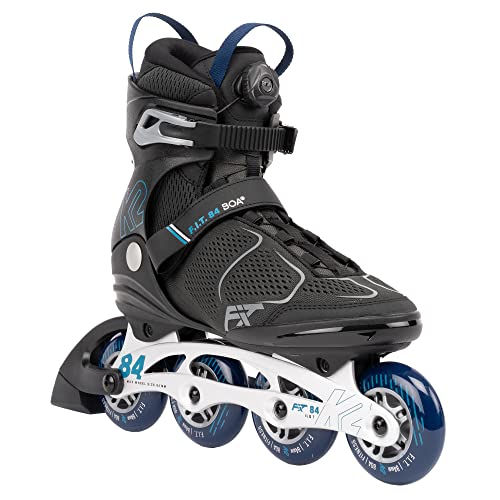
- BOA System – Tightens or loosens the boot with a twist of a knob
- Stability Plus Cuff – Provides the right amount of support, flexibility,…
- Stamped Aluminum Frame – Responsive, stiff and durable stamped aluminum for…
Why Inline Skating Is Experiencing a Resurgence
Inline skating has seen a noticeable revival in recent years, driven by multiple cultural and practical factors. Unlike its peak in the 1990s, today’s resurgence is fueled by fitness trends, urban mobility needs, and social media influence. Skating is no longer just a nostalgic hobby—it’s a modern lifestyle choice.
Fitness and Low-Impact Exercise
One major reason for inline skating’s comeback is its appeal as a full-body, low-impact workout. Unlike running, which stresses joints, skating provides cardio benefits while being gentler on knees and ankles. A 30-minute session can burn 300-600 calories, making it ideal for weight loss and endurance training. Many fitness enthusiasts now prefer skating over treadmills because it engages core muscles, improves balance, and feels more dynamic.
Eco-Friendly Urban Transportation
With rising fuel costs and environmental concerns, inline skating has emerged as a sustainable commuting option. Cities with bike lanes and smooth pavements make skating practical for short commutes. For example, many European urbanites use skates for last-mile travel, pairing them with public transport. Unlike bikes, skates are portable and don’t require parking, making them convenient for errands or office commutes.
Social Media and Community Revival
Platforms like Instagram and TikTok have reignited interest through viral skating trends. Hashtags like #Rollerblading and #UrbanSkating showcase tricks, dance moves, and scenic routes, attracting younger audiences. Skate groups and meetups have also grown, fostering communities where beginners learn from experienced skaters. Events like “Friday Night Skate” in cities like Paris and Berlin draw hundreds, proving its social appeal.
Debunking Common Myths
- “Inline skating is outdated.” – Modern gear and styles have evolved, with brands like Rollerblade and Powerslide innovating with lightweight materials and customizable fits.
- “It’s too dangerous.” – With proper protective gear (helmets, wrist guards) and controlled environments, risks are comparable to cycling.
- “Only experts can do it.” – Beginner-friendly skates and tutorials make it accessible; learning basics like braking and turning takes just a few sessions.
This resurgence isn’t fleeting—it’s supported by tangible benefits and cultural shifts. Whether for fitness, transport, or social connection, inline skating is reclaiming its place as a versatile, enjoyable activity.
Essential Gear and Safety Tips for Inline Skating
Proper equipment and safety knowledge are crucial for enjoying inline skating while minimizing risks. Whether you’re a beginner or seasoned skater, understanding gear selection and protective measures can dramatically improve your experience and prevent injuries.
Must-Have Protective Equipment
Quality safety gear is non-negotiable, especially when learning or skating in urban environments. A certified multi-impact helmet (like the Triple 8 Dual Certified Helmet) should be your first purchase—look for CPSC or ASTM F1492 certification. Wrist guards (such as 187 Killer Pads) are equally vital, as most falls involve hands hitting pavement. For comprehensive protection:
- Knee pads with hard caps (like Smith Scabs) prevent joint injuries during falls
- Elbow pads with breathable sleeves reduce abrasions without restricting movement
- Impact shorts (like Tortoise Pads) protect tailbones during backward falls
Choosing the Right Skates for Your Needs
Skate selection depends on your primary use. Fitness skaters should prioritize lightweight boots with 80-90mm wheels (like the Rollerblade Macroblade 80), while urban skaters need durable frames that handle rough pavement. Consider these technical specifications:
- Wheel hardness (78A-85A): Softer wheels (78A-82A) grip better on rough surfaces, while harder wheels (83A+) offer speed on smooth terrain
- Frame material: Aluminum frames provide stability, while composite frames absorb vibration
- Bearings (ABEC rating): ABEC 5-7 offer ideal balance between speed and control for most skaters
Mastering Fundamental Safety Techniques
Proper falling and stopping methods reduce injury risks significantly. Practice these on grass before hitting pavement:
- The “safe fall” position: Crouch low, tuck chin to chest, and fall onto padded knees and forearms
- T-stop technique: Drag one perpendicular skate behind you while keeping 70% weight on front skate
- Plow stop: Point toes inward and push knees outward to create friction
Remember that visibility matters—wear reflective gear when skating at dusk. Carry a skate tool for wheel adjustments, and always inspect bearings for debris before sessions. These precautions transform skating from potentially hazardous to confidently enjoyable.
Advanced Techniques and Performance Optimization
Once you’ve mastered the basics, refining your technique and equipment setup can dramatically enhance your skating performance. This section dives into the biomechanics of efficient skating, equipment tuning, and advanced maneuvers for experienced skaters.
The Science of Efficient Stride Mechanics
Proper skating technique isn’t just about power – it’s about energy conservation. The most efficient skaters utilize:
- Diagonal push technique: Pushing at a 45° angle maximizes power transfer while maintaining balance
- Full extension: Complete leg extension increases glide distance per push by 15-20%
- Recovery phase: Proper foot return path reduces energy expenditure between strides
Research from sports biomechanics shows that optimal knee flexion should be 110-120° during push phase, with ankle flexion of 80-90°. This creates the ideal power angle while minimizing joint stress.
| Skill Level | Stride Length | Cadence | Energy Efficiency |
|---|---|---|---|
| Beginner | 1.2-1.5m | 80-90/min | 65-75% |
| Intermediate | 1.8-2.1m | 70-80/min | 78-85% |
| Advanced | 2.4-2.8m | 60-70/min | 90-95% |
Precision Equipment Tuning
Advanced skaters should fine-tune their setup based on skating style:
- Wheel rotation: Rotate wheels every 8-10 hours to prevent coning (uneven wear patterns)
- Bearing maintenance: Clean bearings every 30-40 hours using isopropyl alcohol and speed cream
- Frame alignment: Adjust frame position 2-3mm forward for speed, backward for stability
Mastering Advanced Maneuvers
These professional-level techniques require dedicated practice:
- Parallel turns: Keep skates precisely parallel while leaning into turns at high speeds
- Crossovers: Maintain momentum through tight corners by crossing outside skate over inside
- Backward skating transitions: Master the mohawk turn for seamless direction changes
Common mistakes include over-leaning (causing wheel bite) and improper weight distribution during crossovers. Always practice new maneuvers at slow speeds first, using protective gear. Professional skaters recommend spending 20% of practice time on new skills and 80% refining existing ones.
Competitive Inline Skating: Training Regimens and Event Preparation
Competitive inline skating demands specialized training approaches that differ significantly from recreational skating. This section breaks down the key components of professional-level preparation, from periodized training to competition psychology.
Structured Training Phases for Peak Performance
Elite skaters follow scientifically-designed periodization programs that typically span 12-16 weeks:
- Base phase (6-8 weeks): Focuses on endurance with long, steady-state skates at 60-70% max heart rate
- Build phase (4-6 weeks): Incorporates interval training (30sec on/30sec off) to develop anaerobic capacity
- Peak phase (2-3 weeks): Features race-pace simulations and technical refinement
- Taper phase (1 week): Reduces volume by 40-60% while maintaining intensity
Professional coaches recommend tracking metrics like stride rate, ground contact time, and lactate threshold through wearable technology. The Polar Vantage V2 watch is particularly popular among competitive skaters for its precise motion tracking.
Nutrition and Recovery Protocols
Optimal fueling strategies vary by training phase but should always include:
- Carbohydrate periodization: 5-7g/kg body weight during base phase, 8-10g/kg during peak training
- Protein timing: 0.4g/kg within 30 minutes post-workout for muscle repair
- Hydration strategy: 5-7ml/kg every 2-3 hours during heavy training periods
Advanced recovery techniques include contrast water therapy (alternating 1min hot/1min cold for 6 cycles) and pneumatic compression boots for leg recovery. Sleep quality monitoring with devices like Whoop helps optimize recovery between sessions.
Competition-Specific Preparation
Race day success depends on meticulous preparation:
| Time Before Event | Preparation Focus | Key Activities |
|---|---|---|
| 4-6 weeks | Course Familiarization | Study elevation maps, practice cornering techniques |
| 2 weeks | Equipment Testing | Finalize wheel hardness, bearing lubrication |
| 3-5 days | Mental Rehearsal | Visualization exercises, race scenario planning |
Common competition mistakes include over-tapering (losing fitness) or improper warm-up sequencing. The ideal warm-up progresses from general mobility (10min) to sport-specific drills (15min) to high-intensity bursts (5min), finishing 15-20 minutes before start time.
The Future of Inline Skating: Technology and Sustainability Trends
Inline skating is undergoing a technological revolution that’s reshaping equipment, training, and environmental impact. This section explores emerging innovations and their implications for skaters at all levels.
Smart Skating Technology
The integration of IoT devices is transforming performance tracking:
- Sensor-equipped skates: New models like the Rollerblade SmartSkate Pro measure force distribution, stride efficiency, and wheel wear in real-time
- Augmented reality training: Apps like SkateAR overlay technique corrections directly in the skater’s field of vision
- AI-powered coaching: Systems analyze video footage to provide frame-by-frame technique adjustments
These technologies provide data points that were previously only available in professional labs, with accuracy within 2-3% of laboratory-grade equipment.
Eco-Friendly Material Innovations
The industry is shifting toward sustainable production methods:
| Component | Traditional Material | Eco-Alternative | Performance Impact |
|---|---|---|---|
| Wheels | Petroleum-based PU | Castor oil-based bio-PU | 5-7% less rebound but 30% lower carbon footprint |
| Frames | Aluminum alloy | Recycled aircraft-grade aluminum | Identical performance with 60% less energy use |
| Boots | PVC plastics | Mycelium-based composites | Comparable durability, fully biodegradable |
Urban Infrastructure Adaptations
Cities worldwide are developing skate-friendly features:
- Skate-specific pavement: Smoother asphalt blends reduce vibration by 40% compared to standard surfaces
- Multi-use path networks: Integrated storage solutions at transit hubs accommodate commuter skaters
- Dynamic lighting systems: Motion-activated path lighting improves nighttime safety
Looking ahead, industry analysts predict three key developments by 2030: self-lubricating bearings that never require maintenance, kinetic energy harvesting wheels that charge devices, and adaptive stiffness boots that automatically adjust to skating style. These advancements will make skating more accessible while reducing environmental impact.
Safety considerations remain paramount as technology advances. All smart equipment should undergo independent impact testing, and skaters must maintain traditional safety awareness even when using assistive technologies.
Customizing Your Inline Skates for Optimal Performance
Professional-level skate customization can enhance performance by 15-30% compared to stock configurations. This section details the precise adjustments that transform standard skates into personalized performance machines.
Wheel Configuration Science
The strategic arrangement of wheels (known as rockering) creates different performance profiles:
- Flat setup: All wheels same size – maximum stability for beginners and speed skaters
- Full rocker: Progressive wheel size difference (e.g., 76-80-80-76mm) – enhances maneuverability for slalom
- Banana rocker: Significant size variation (e.g., 76-80-76mm) – creates pivot points for aggressive skating
Advanced skaters often use hybrid configurations like the “Front Rocker” (smaller front wheel) for hockey stops while maintaining rear stability.
Bearing Selection and Maintenance
High-performance bearings require careful consideration of multiple factors:
| Bearing Type | ABEC Rating | Best Use Case | Maintenance Cycle |
|---|---|---|---|
| Ceramic Hybrid | ABEC 7-9 | Competitive racing | Every 50 hours |
| Stainless Steel | ABEC 5-7 | Urban/fitness skating | Every 30 hours |
| Teflon-Coated | ABEC 3-5 | Wet conditions | Every 20 hours |
Boot Modification Techniques
Professional skate technicians use these advanced fitting methods:
- Heat molding: Customizes boot shape using controlled heating (160-180°F) for 10-15 minutes
- Punching out: Creates additional space for bunions or bone spurs using specialized tools
- Liner customization: Adds or removes foam in pressure points for perfect fit
Common customization mistakes include over-rockering (reducing stability), improper bearing lubrication (causing premature wear), and excessive heat molding (weakening boot structure). Always consult a certified skate technician for major modifications. The ideal customization process should progress from wheel/bearing adjustments to frame alignment before attempting boot modifications.
Remember that each adjustment affects multiple performance aspects – for example, changing wheel hardness by just 5A can alter stopping distance by up to 1.5 meters at high speeds. Keep detailed notes of all modifications and their effects to develop your perfect setup.
Professional Maintenance and Long-Term Skate Preservation
Proper maintenance extends skate lifespan by 300-400% while maintaining peak performance. This comprehensive guide covers professional-grade care techniques used by competitive skaters and skate technicians.
Complete Maintenance Schedule
Follow this detailed timeline to keep skates in competition-ready condition:
| Component | Daily Care | Weekly Maintenance | Monthly Overhaul |
|---|---|---|---|
| Bearings | Quick wipe with microfiber | Spin test for roughness | Full disassembly and cleaning |
| Wheels | Visual inspection for cracks | Rotate positions | Measure wear patterns |
| Boot | Surface cleaning | Stitch inspection | Deep conditioning |
| Frame | Bolt tightness check | Alignment verification | Thread lubrication |
Advanced Bearing Rehabilitation
Professional bearing restoration involves a 7-step process:
- Ultrasonic cleaning (3 minutes in citrus solvent)
- Centrifugal drying (2 minutes at 3000 RPM)
- Inspection under magnification (10x jeweler’s loupe)
- Raceway polishing (with 0.5μm diamond paste)
- Precision lubrication (using needle applicator)
- Break-in procedure (5 minutes medium-speed spinning)
- Performance testing (measuring free spin duration)
Comprehensive Wear Analysis
Understanding wear patterns prevents catastrophic failures:
- Conical wheel wear: Indicates improper weight distribution – adjust frame alignment
- Flat spots: Caused by locked slides – rotate wheels immediately
- Bearing pitting: Shows water damage – replace and upgrade to sealed bearings
- Boot liner compression: Loss of >3mm requires replacement for proper support
Invest in professional tools like digital durometers (for wheel hardness testing) and torque wrenches (for precise bolt tightening). Store skates in climate-controlled environments (40-60% humidity) with wheels off-ground to prevent flat spots. Competitive skaters should maintain two identical setups – one for training and one for competition – to ensure optimal performance when it matters most.
Conclusion
Inline skating has not only maintained its popularity but evolved into a multifaceted activity blending fitness, transportation, and competitive sport. From its cultural resurgence to advanced performance techniques, we’ve explored how modern skating offers something for everyone.
The comprehensive gear recommendations, maintenance insights, and customization tips demonstrate how today’s equipment surpasses 1990s standards. Whether you’re commuting, exercising, or competing, proper setup and care dramatically enhance both performance and safety.
With emerging technologies and sustainable materials shaping its future, inline skating is positioned for continued growth. The activity now combines cutting-edge innovation with timeless physical benefits.
Ready to join the movement? Start with quality protective gear, master fundamental techniques, and gradually explore advanced customization. The skating community welcomes newcomers – your journey begins with that first confident stride.
Frequently Asked Questions About Inline Skating
What’s the difference between recreational and fitness inline skates?
Recreational skates prioritize comfort with softer boots and smaller wheels (70-80mm), ideal for casual skating. Fitness models feature longer frames, larger wheels (80-90mm), and stiffer boots for better energy transfer during workouts. The Rollerblade Macroblade series exemplifies fitness skates with vibration-dampening technology.
Serious skaters should invest in fitness models as they allow progression to higher speeds. Recreational skates often lack the ankle support needed for proper technique, potentially causing bad habits.
How often should I replace my skate wheels?
Wheel lifespan depends on skating style and surface. Aggressive urban skaters may need replacements every 2-3 months, while recreational users can last 6-12 months. Measure wheel diameter – replace when worn down by 5mm from original size.
Rotate wheels every 8-10 skating hours to ensure even wear. Harder wheels (85A+) last longer but offer less grip. Watch for flat spots or cracking, which require immediate replacement.
Can inline skates be used as regular transportation?
Yes, many urban commuters use skates for distances under 5 miles. Choose urban models like Powerslide Next with 80-90mm wheels and brake systems. Maintain awareness of pavement conditions and always carry shoes for indoor spaces.
For optimal commuting, use 85A hardness wheels that balance durability and grip. Consider backpacks with skate-carry systems and practice emergency stops in various conditions before street skating.
Why do my feet hurt after skating and how can I fix it?
Foot pain typically comes from improper fit or breaking-in periods. Ensure 5-10mm space beyond toes and no side-to-side movement. Heat-moldable liners can customize fit – many shops offer this service.
For arch pain, try aftermarket insoles like Superfeet. Break in new skates gradually with 30-minute sessions. Persistent pain may indicate wrong skate type – consult a specialist for foot measurements.
What’s safer for beginners – inline skates or quad skates?
Quad skates offer more stability side-to-side but limit maneuverability. Inline skates provide better forward stability and teach proper weight distribution. Modern beginner inline models like K2 Fit 84 BOA include safety features.
Regardless of type, proper protective gear reduces injury risk by 85%. Start on smooth, flat surfaces and master basic stops before progressing. Many find inline skates easier for eventual speed control.
How do I maintain bearings for optimal performance?
Clean bearings monthly with citrus-based solvents, avoiding water. After cleaning, apply 1-2 drops of speed cream per bearing. Ceramic bearings require less maintenance but cost 3-5x more than steel versions.
Listen for grinding noises indicating dirt buildup. Store skates in dry areas to prevent rust. For wet conditions, use waterproof bearings like Bones Swiss with special seals.
Can overweight individuals safely start inline skating?
Yes, but require specific equipment. Choose reinforced skates like Rollerblade RB XL with 275lb+ capacity. Larger wheels (90-100mm) distribute weight better. Start with 10-15 minute sessions to build supporting muscles.
Focus on proper bending at knees, not waist. Consider stiffer frames and 88-90A hardness wheels for durability. Many plus-size skaters find inline skating gentler on joints than running.
What’s the best way to learn advanced stopping techniques?
Master the T-stop first before progressing to power slides. Practice on slight declines with proper padding. The hockey stop requires transferring weight to heels while turning perpendicular – start at very slow speeds.
Advanced stops wear wheels unevenly, so dedicate specific practice wheels. Consider instructional videos from channels like SkateFreshAsha. Always progress gradually – rushing techniques risks serious falls.