Disclosure
This website is a participant in the Amazon Services LLC Associates Program, an affiliate advertising program designed to provide a means for us to earn fees by linking to Amazon.com and affiliated sites.
Roller skating is not just a nostalgic pastime but also a practical and enjoyable way to navigate urban environments. With its growing popularity, especially in cities with bike lanes and smooth pavements, more people are considering roller skating as an efficient mode of transportation. It offers numerous health benefits such as cardio fitness and muscle toning while also reducing your carbon footprint.
However, it’s essential to consider safety and road conditions before swapping your usual commute for skates. In this article, we will delve into the suitability of roller skating as a means to get around, weighing its pros and cons to help you make an informed decision.
Best Roller Skates for Getting Around
When it comes to choosing the best roller skates for commuting or casual travel, selecting the right pair can greatly enhance your experience. Below are three top roller skates that stand out for their performance, comfort, and durability.
Moxi Skates Beach Bunny
The Moxi Skates Beach Bunny is perfect for beginners and intermediate skaters because of its excellent support and cushioned lining. This skate offers a stylish design with vibrant colors and superior build quality, making it both a fashionable and durable choice for daily use.
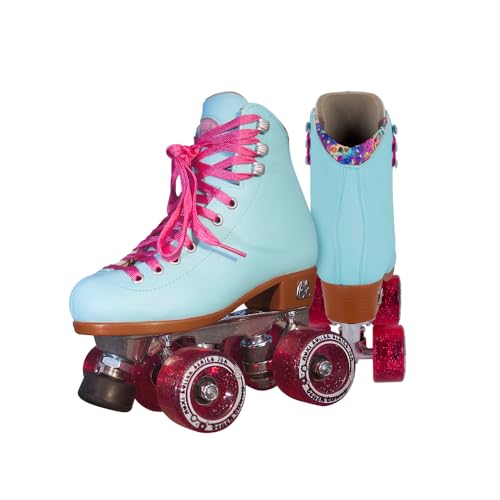
- ULTRA DURABLE: These quad skates are 100% animal-friendly using dyed vinyl…
- COMFORTABLE: Adjustable roller skates women can wear comfortably for hours,…
- STYLISH DESIGN: Moxi Beach Bunny skate boots come in fun colors as well as…
Riedell Dart Ombré Quad Roller Skates
Riedell Dart Ombré Skates provide a smooth and stable ride, ideal for those who seek maneuverability and speed. Its strong boot structure and colorful, fade-resistant ombré designs combine style with reliable performance for frequent city skates.
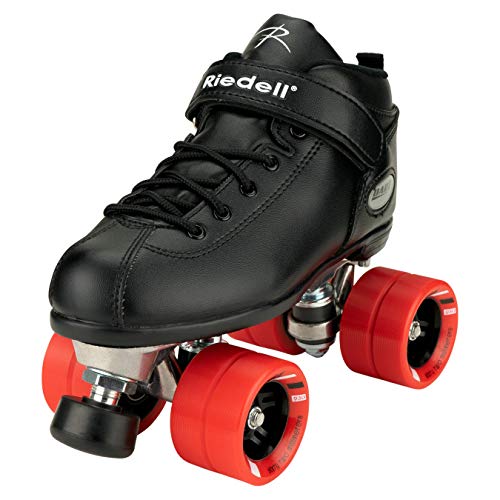
- ULTRA DURABLE: These quad skates are man-made using a vinyl material that…
- COMFORTABLE FIT: These adjustable roller skates for men and women have an…
- SMOOTHEST RIDE POSSIBLE: Indoor roller skates women and men can depend on,…
Impala Rollerskates
Impala Rollerskates offer affordability without compromising quality. They are suitable for skaters of all levels, boasting a classic look and robust components. These skates are built to last and are perfect for those who want a reliable skating experience across various surfaces.
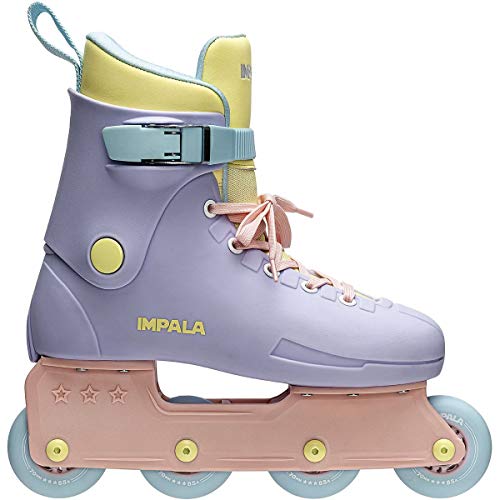
- ★ Ready to skate, no wearing-in required
- ★ Durable plastic outer boot with comfortable, breathable, padded boot…
- ★ Easy entry buckle and lace combo
The Benefits of Roller Skating as Transportation
Roller skating as a means of transport offers several health, environmental, and financial benefits. Engaging in this activity can transform your daily commute into a rewarding experience.
Health Benefits
Roller skating is a full-body workout, providing an excellent cardiovascular exercise that helps improve endurance and stamina. Regular skating sessions engage various muscle groups, including the legs, core, and even arms, promoting muscle toning and strength. Additionally, it is a low-impact exercise that puts less strain on the joints compared to running.
Environmental Impact
Choosing roller skating over motorized vehicles contributes to reducing carbon emissions, making it an eco-friendly alternative. As cities strive to become greener and more sustainable, personal choices like roller skating can collectively create a positive impact. Furthermore, it requires minimal infrastructure, unlike cars or buses, thus reducing energy consumption related to road expansions.
Financial Savings
Using roller skates can significantly cut transportation costs. With no fuel expenses and minimal maintenance, it is far cheaper than driving a car or taking public transport. A quality pair of skates is a one-time investment that can potentially last for years.
Practical Considerations
- Smooth Surfaces: Roller skating is best suited for areas with smooth pavements and dedicated bike lanes.
- Safety Gear: Wearing helmets and protective gear can enhance safety and reduce the risk of injuries.
- Weather Conditions: It’s essential to consider the weather, as rain or snow can make skating hazardous.
Challenges of Roller Skating in Urban Areas
While roller skating offers numerous benefits, it also presents certain challenges, especially in urban settings. Understanding these challenges can help skaters effectively navigate city environments.
Infrastructure Limitations
Urban areas often lack the dedicated spaces needed for safe roller skating. Many cities have limited bike lanes, making it difficult for skaters to find smooth, secure paths. In addition, uneven sidewalks and poorly maintained pavements can pose significant hazards. Despite these obstacles, some cities are recognizing the need for better infrastructure to accommodate alternative forms of transportation, including roller skating.
Safety Concerns
Safety is a major consideration for those looking to use roller skates for commuting. Urban traffic can be unpredictable, with cars, pedestrians, and cyclists all competing for space. It is crucial for skaters to remain vigilant and adhere to traffic rules. Transitioning between different surfaces and navigating crowded areas requires skill and caution. Wearing protective gear such as helmets, knee pads, and wrist guards can mitigate some risks of injury.
Weather Dependence
Weather conditions can significantly impact the feasibility of roller skating in urban environments. Wet or icy surfaces are slippery and dangerous, making rain and snow less ideal for commuting by skates. Thus, it’s important to have alternative travel options for days when the weather is unfavorable.
Tips for Urban Skaters
- Scout Routes: Identify safe, reliable paths in advance.
- Gear Up: Use appropriate safety gear at all times.
- Stay Informed: Check weather and traffic updates regularly.
Tips for Incorporating Roller Skating into Your Daily Commute
Integrating roller skating into your daily commute can be a transformative experience, offering both enjoyment and practicality. Here are some tips to help you make the most of this unique mode of transport.
Choosing the Right Skates
Selecting the right pair of roller skates is essential for a smooth commute. Comfort and durability should be your priorities. Consider factors such as boot style, wheel type, and brake options when making a choice. Modern skates come with various features designed for commuters, such as enhanced ankle support and sturdy wheels suitable for rough surfaces.
| Feature | Recommendation | Benefits |
|---|---|---|
| Boot Style | High-top with padding | Provides ankle support and comfort |
| Wheel Type | Medium-hardness polyurethane | Suitable for mixed urban terrain |
| Brake Option | Toe stop or heel brake | Enables quick and effective stopping |
Planning Your Route
Planning your route in advance can significantly enhance your commuting experience. Identify smooth and safe paths that are conducive to skating. Look for roads with bike lanes or recreational paths to minimize interactions with vehicles. Use online maps and apps designed for skaters or cyclists to discover skate-friendly routes in your area.
Preparing for the Commute
Preparation is key to a successful skating commute. Dress appropriately for the weather and wear visible clothing if skating at night. Always carry essential items like a water bottle, compact tool kit, and your safety gear. Transition days might require you to keep an alternate mode of transport handy.
Essential Gear Checklist
- Helmet and protective pads
- Reflective clothing or light
- Weather-appropriate attire
- Mobile phone with skating apps
Roller Skating Etiquette and Safety Tips
Practicing good etiquette and adhering to safety guidelines are crucial when roller skating, particularly in crowded or urban areas. These practices not only ensure your safety but also contribute to a positive experience for everyone around you.
Skating Etiquette
Being considerate of others while skating is an important aspect of the activity. Always be mindful of pedestrians, cyclists, and fellow skaters sharing the path. Signaling turns or stops by raising a hand or making gentle verbal cues can prevent accidents. Moreover, avoid skating too closely to others to allow them personal space and reduce collision risks.
Prioritizing Safety
Safety should always be your top priority while roller skating. Wearing appropriate safety gear, such as helmets, knee pads, elbow pads, and wrist guards, can greatly reduce the risk of injury in the event of a fall. Additionally, being familiar with basic stopping techniques can help you navigate safely.
Key Safety Measures
- Always check your equipment for any wear and tear before setting out.
- Stay aware of your surroundings, especially in areas with high pedestrian or vehicle traffic.
- Maintain a controlled speed to adapt quickly to unexpected obstacles.
Being Prepared for Emergencies
Being prepared for emergencies is essential in ensuring a safe skating experience. Carry a basic first-aid kit in your backpack or fanny pack. In case of an accident, having access to first-aid supplies can be invaluable. Also, having a mobile phone with emergency contacts saved is crucial for quick communication if needed.
Comparing Roller Skating with Other Forms of Commuting
When deciding on a method of commuting, it’s beneficial to compare the pros and cons of roller skating with other traditional modalities such as cycling, walking, and driving. Each has its unique advantages, and understanding them can help you make an informed choice.
Efficiency and Speed
Roller skating can offer a faster commuting speed than walking and can be comparable to cycling, especially in congested areas where navigating tight spaces becomes necessary. While driving remains the fastest option for long distances, the stop-and-go nature of urban traffic can often level the playing field between roller skating and driving for short city commutes.
Cost Analysis
Cost is a significant factor in choosing your commute style. Roller skating has minimal recurring costs after the initial investment in a quality pair of skates and safety gear. In contrast, driving incurs ongoing expenses such as fuel, parking, insurance, and maintenance. Cycling costs are similarly low, involving only occasional bike maintenance after the initial purchase.
| Mode of Transport | Initial Cost | Recurring Cost | Environmental Impact |
|---|---|---|---|
| Roller Skating | Low | Very Low | Minimal |
| Cycling | Moderate | Low | Minimal |
| Driving | High | High | High |
| Walking | None | None | Minimal |
Health and Environmental Benefits
Beyond personal benefits, roller skating promotes environmental sustainability, similar to cycling and walking. Unlike driving, which has a high environmental footprint due to carbon emissions, skating helps reduce your carbon footprint and contributes to a healthier planet. The health benefits from roller skating, cycling, and walking, such as increased cardiovascular fitness, cannot be overstated.
Adapting to Changing Seasons: Roller Skating Year-Round
The flexibility of roller skating allows enthusiasts to enjoy it throughout the year. However, adapting to seasonal changes is crucial for maintaining safety and enjoyment. Understanding how to adjust to varying weather conditions can make roller skating a viable year-round activity.
Winter Skating Considerations
Winter presents challenges such as cold temperatures and icy surfaces. Skating on ice or snow-covered paths can be hazardous, so it’s crucial to find indoor skating alternatives or wait for clearer weather. Dressing in layers helps retain warmth, while moisture-wicking materials prevent sweat from causing a chill.
Navigating Spring and Fall
Spring and fall offer more moderate temperatures, making them ideal for roller skating. Still, it’s wise to be mindful of wet leaves and rain, which can create slippery surfaces. Always inspect the skating path beforehand for debris and ensure skates are in good condition to handle wet conditions.
Seasonal Preparation Tips
- Keep Skates Maintenance: Regularly check and clean skate bearings to ensure peak performance.
- Adjust Clothing: Wear layers that you can easily remove as temperatures change.
- Monitor Weather: Use a weather app to plan your skating trips around dry days.
Embracing Summer
Summer invites favorable conditions for outdoor activities, including roller skating. Early mornings or late afternoons are optimal to avoid midday heat. Stay hydrated and apply sunscreen to protect against UV exposure. Moreover, skaters should be cautious of heat-affected surfaces, which can alter traction.
Community and Social Aspects of Roller Skating
Roller skating is more than just a mode of transportation; it also fosters community and social connections. Getting involved in roller skating groups and events can amplify the enjoyment and offer various opportunities to engage with like-minded individuals.
Roller Skating Groups and Clubs
Joining a local roller skating club can enhance your experience by connecting you with fellow skaters. These clubs often organize group skating events in parks or city spaces, providing a safe and fun environment for skaters of all levels. Additionally, joining a club can introduce you to new skating techniques and improve your skills through peer learning.
Skating Events and Competitions
Participating in roller skating events or competitions is another way to enjoy the social aspect of skating. From fun-themed social skates to competitive races and exhibitions, there are numerous events to suit different interests. These events are great for meeting new friends and sharing experiences.
Types of Roller Skating Events
- Social Skates: Casual group outings focused on the enjoyment of skating together.
- Competitions: Events that test speed, skill, and creativity, such as speed skating races or artistic performances.
- Workshops: Skill-building sessions led by experienced skaters to enhance proficiency.
Building a Skating Community
Engaging with the roller skating community can be incredibly rewarding. It creates a support network that shares resources, advice, and encouragement. Social media platforms and online forums are excellent spaces for finding local groups and events, allowing skaters to maintain community ties virtually.
Conclusion
Roller skating offers a unique blend of health, environmental, and economic benefits, making it an appealing mode of transportation. Despite challenges such as infrastructure limitations and weather dependency, careful planning and safety precautions can mitigate these concerns. Embracing roller skating not only enriches physical well-being but also fosters community connections through clubs and events.
As cities move towards sustainable transit options, incorporating roller skating into your commute can be a rewarding choice. So, consider lacing up those skates and exploring your surroundings in a fun and eco-friendly way. Join a local group or participate in events to further enhance your skating journey and meet like-minded enthusiasts.
Frequently Asked Questions About Roller Skating as a Mode of Transportation
Is roller skating suitable for long distances?
Roller skating can be suitable for medium distances but may not be ideal for long-distance commutes. The effectiveness largely depends on the skater’s skill level, the condition of the surfaces, and comfort. For longer distances, a combination of roller skating with other modes of transport, like public transit, can be more practical.
What types of roads or paths are best for roller skating?
Smooth pavements and bike lanes are ideal for roller skating. Skaters should avoid gravel, cobblestone streets, or uneven surfaces to reduce the risk of falls or damages to their skates. Urban areas with designated cycling paths often provide safer environments for skaters.
How do I maintain my roller skates for regular commuting?
Regular maintenance is crucial to prolong the life of your skates. Key maintenance tasks include:
– Cleaning Bearings: Clean and lubricate the bearings for a smoother ride.
– Checking Wheels: Inspect wheels for wear and rotate them to ensure even usage.
– Tightening Bolts: Ensure all bolts and nuts are secure to prevent accidents.
Routine inspections can enhance performance and safety.
What should I do if it starts raining while I’m skating?
Rain can make roads slippery and unsafe for roller skating. If you encounter rain, it’s best to seek shelter and wait for conditions to improve. Consider carrying a waterproof bag to protect your belongings and keep a compact raincoat handy.
Is it legal to roller skate on public roads?
The legality of roller skating on public roads varies by location. In some areas, skaters are permitted on bike lanes but not on sidewalks or major roads. Always check local regulations to ensure compliance with the law. Some cities offer designated skating areas or paths free of vehicular traffic.
What safety gear is recommended for urban skating?
For urban skating, the following safety gear is recommended to minimize the risk of injury:
– Helmet: Protects against head injuries.
– Knee and Elbow Pads: Safeguard against scrapes and falls.
– Wrist Guards: Reduces the chance of wrist fractures during a fall.
– Reflective Clothing: Enhances visibility in low-light conditions.
How can I make roller skating part of my daily routine?
To incorporate roller skating into your daily routine, consider starting small by replacing short car trips with skating. Plan your routes according to safe paths and fit your skating sessions into your schedule around work or errands. Over time, you can increase the distance and frequency as you become more comfortable and efficient on skates.