Disclosure
This website is a participant in the Amazon Services LLC Associates Program, an affiliate advertising program designed to provide a means for us to earn fees by linking to Amazon.com and affiliated sites.
Choosing between rented ice skates and buying your own figure skates depends on your commitment level and budget. This common dilemma impacts your comfort, performance, and overall skating experience. Our expert guide provides a clear cost-benefit analysis to help you decide.
Rental skates offer a low-barrier entry for beginners. Purchasing your own skates delivers superior fit and support for serious skaters. Understanding the long-term value is key to making a smart investment.
The Core Problem: Rental Skates Hinder Your Progress
Rental skates are designed for durability, not performance. They often fit poorly and have dull, low-quality blades. This creates a frustrating barrier to learning proper technique.
You struggle with ankle support and blade control. This limits your ability to advance beyond basic gliding. The one-size-fits-none approach can even lead to discomfort or injury.
Quick Fix: A Quality Beginner Skate
For new skaters ready to commit, a supportive recreational skate is the solution. It provides the stability needed to build confidence. A good entry-level model bridges the gap between rentals and professional gear.
We recommend the Jackson Ultima Classic 200 for adults. It offers excellent ankle support for beginners at a reasonable price point.
- Durable vinyl upper with secure lace hooks
- Reinforced ankle for stability
- Entry-level stainless steel blade that holds an edge

- Womens ice skates built for recreational ice skating and figure skating…
- Reinforced coated vinyl upper with soft rolled collar and padded lining…
- Padded felt tongue for girls ice skates and womens ice skates provides…
Check current price on Amazon →
When a New Skate Alone Isn’t Enough
Simply buying skates isn’t a magic fix. You must select the right model for your skill level and foot shape. A poor fit will replicate the problems of rentals.
Our detailed beginner figure skates buying guide walks you through critical selection criteria. For specific recommendations, read our in-depth Jackson Ultima Classic 200 & 500 review.
If you’re a woman seeking recreational skates, explore our curated list of the best women’s recreational ice skates for comfortable, stylish options.
Cost Analysis: Breaking Down the Financial Investment
Understanding the true cost is crucial for your decision. Renting seems cheaper per session, but buying has long-term value. We’ll break down the numbers for both options.
The financial choice depends on your skating frequency. Occasional skaters may save with rentals. Regular skaters will find ownership more economical over time.
Rental Skate Costs and Hidden Fees
Rink rental fees typically range from $3 to $8 per session. This seems affordable for a single visit. However, costs accumulate quickly with regular skating.
Consider these often-overlooked factors:
- Frequency Multiplier: Skating twice a month at $5 costs $120 annually.
- Family Expenses: Renting for a family of four becomes prohibitively expensive.
- Travel Costs: You’re limited to rinks that offer rentals, potentially requiring longer trips.
Ownership: Upfront Cost vs. Long-Term Value
Buying figure skates requires a higher initial investment. Quality beginner skates start around $80-$150. This includes the boot and blade system.
Your long-term ownership costs include:
| Expense | Approximate Cost | Frequency |
|---|---|---|
| Initial Skate Purchase | $80 – $150+ | One-time (lasts 1-3 years) |
| Professional Sharpening | $10 – $20 | Every 20-40 skating hours |
| Replacement Laces/Toe Guards | $5 – $15 | As needed |
When Buying Skates Makes Financial Sense
Purchasing is smarter if you skate regularly or have specific goals. The investment pays off through improved experience and skill development. You also gain the flexibility to skate at any rink.
Consider buying if:
- You skate more than once a month
- You’re committed to learning proper technique
- Multiple family members skate regularly
- You experience discomfort in rental skates
Performance and Comfort: How Your Skates Affect Your Skills
The equipment you use directly impacts your skating ability. Rental skates and personal figure skates differ dramatically in performance. This affects everything from basic balance to advanced maneuvers.
Properly fitted skates provide the foundation for skill development. They offer the support and response needed for progression. This section compares the performance characteristics of both options.
Blade Quality and Edge Control
Rental skate blades are designed for durability, not precision. They are typically made from softer carbon steel that dulls quickly. This makes executing proper edges and turns difficult.
Personal figure skates feature higher-quality blades. Stainless steel blades maintain a sharp edge longer. This provides superior grip and control on the ice.
- Rental Blades: Dull edges cause slipping, hinder stopping, and limit maneuverability.
- Personal Blades: Sharp, consistent edges enable precise turns, clean stops, and proper technique.
Boot Support and Custom Fit
Rental boots offer generic, often worn-out ankle support. The padding breaks down after hundreds of uses. This can lead to instability and increased risk of injury.
Owned skates mold to your foot’s unique shape over time. They provide targeted support where you need it most. This customization is impossible with rental equipment.
The Hygiene Factor You Can’t Ignore
Rental skates are worn by dozens of people between cleanings. They often retain moisture and bacteria inside the boot. This can lead to unpleasant odors and potential fungal infections.
Owning your skates guarantees personal hygiene. You control the drying process and can use disinfectant sprays. This is particularly important for those with sensitive skin or allergies.
Consider these hygiene advantages:
- No shared sweat or bacteria from previous users
- Ability to wear your own clean, moisture-wicking socks
- Option to use personal boot dryers after each session
Making the Right Choice: A Decision Framework for Skaters
Choosing between rental and personal skates depends on your individual circumstances. This framework helps you evaluate your specific needs and goals. It considers frequency, commitment level, and budget constraints.
There’s no universal right answer for every skater. The best choice maximizes your enjoyment and progress. Use this guide to make an informed decision that fits your situation.
When Renting Ice Skates Is the Smart Choice
Rental skates serve an important purpose for specific scenarios. They provide access without significant upfront investment. This lowers the barrier to entry for new experiences.
Consider renting if these situations apply to you:
- First-time or very infrequent skaters (once or twice a year)
- Travelers visiting a rink while on vacation
- Those wanting to try different skating styles before committing
- Skaters with rapidly growing children (under age 8)
When Buying Your Own Figure Skates Is Worth It
Investing in personal skates accelerates your progress and enjoyment. The benefits extend beyond mere financial calculations. Ownership represents commitment to your skating journey.
You should strongly consider purchasing if you meet these criteria:
| Situation | Recommended Action | Key Benefit |
|---|---|---|
| Skating 1+ times per month | Buy recreational skates | Cost savings within one season |
| Taking formal lessons | Buy appropriate level figure skates | Proper technique development |
| Experiencing discomfort in rentals | Buy properly fitted skates | Improved safety and enjoyment |
The Hybrid Approach for Uncertain Beginners
Many beginners exist in a gray area between casual and committed skating. A phased approach can be the perfect solution. This minimizes risk while allowing for progression.
Follow this three-step pathway:
- Rent 3-5 times to confirm your interest in regular skating.
- Purchase entry-level recreational skates once commitment is established.
- Upgrade to higher-performance figure skates as your skills advance.
This method prevents premature investment while supporting your growth. It acknowledges that your needs will evolve with your ability.
How to Choose Your First Pair of Figure Skates
Deciding to buy is just the first step. Selecting the right skates requires careful consideration. This guide helps you navigate the key purchasing factors.
Proper selection ensures your investment enhances your skating experience. The wrong choice can lead to discomfort and hindered progress. Focus on fit, support, and appropriate skill level.
Finding the Perfect Fit and Sizing
Skate sizing differs significantly from regular shoe sizing. They should fit snugger than street shoes to provide proper control. Your heel must be locked in place without painful pressure points.
Follow these fitting guidelines for success:
- Measure both feet while standing, as they often differ slightly in size.
- Expect a 1-1.5 size reduction from your regular shoe size.
- Wear the same socks you plan to skate in during fitting.
- Ensure toes gently brush the front when standing straight.
Skate Stiffness and Support Levels
Skate boots come in various stiffness ratings. This refers to the ankle support they provide. Matching stiffness to your weight and skill level is crucial.
Beginners need moderate support—not maximum stiffness. Too stiff a boot restricts ankle movement needed for learning. Too soft provides inadequate support for developing skills.
Essential Features for Beginner Skates
Entry-level skates should balance quality and affordability. Look for specific features that enhance the learning experience. Avoid overly complex or professional-grade equipment initially.
Your first skates should include:
- Reinforced ankle support with adequate padding
- Stainless steel blades that hold an edge better than carbon steel
- Secure lacing system with durable hooks or eyelets
- Thermo-moldable options for a more customized fit (available in some models)
Remember that blades are as important as boots. A quality blade makes learning fundamental edges much easier. This accelerates your progress from basic gliding to controlled maneuvers.
Maintenance and Long-Term Care for Personal Skates
Owning figure skates requires proper maintenance to protect your investment. Regular care extends their lifespan and ensures optimal performance. This differs completely from the rental experience where maintenance isn’t your concern.
Simple habits preserve blade sharpness and boot integrity. Neglect leads to premature wear and safety issues. Follow these essential care practices.
Blade Care: Sharpening and Rust Prevention
Sharp blades are fundamental for control and safety. Dull blades increase slipping risk and hinder proper technique. Learn to recognize when sharpening is needed.
Implement this blade maintenance routine:
- Dry blades thoroughly after each use with a soft, absorbent cloth.
- Use hard blade guards only for walking off-ice, never for storage.
- Store skates with soft terrycloth soakers to absorb moisture and protect edges.
- Sharpen blades every 20-40 hours of ice time, depending on use.
Boot Preservation and Drying Techniques
Moisture is the primary enemy of skate boots. It breaks down materials and causes odor. Proper drying is non-negotiable for boot longevity.
Never store damp skates in a closed bag. This creates a perfect environment for mold and material breakdown. Instead, follow a systematic drying process after each session.
When to Repair vs. Replace Your Skates
All skates eventually wear out, even with excellent care. Recognizing the signs helps you plan your next purchase. Don’t wait for a complete failure during a skating session.
Monitor these key wear indicators:
| Issue | Possible Repair | Time to Replace |
|---|---|---|
| Loose or broken eyelets/hooks | Yes, by a skate shop | No |
| Boot breaking down at ankle crease | No | Yes, immediately |
| Blade worn down to screw heads | No (blade replacement possible) | Yes, for blade or entire skate |
Regular inspection catches small issues before they become major problems. This proactive approach maximizes your investment and ensures safety.
Special Considerations for Children and Growing Skaters
Choosing skates for children presents unique challenges. Their feet grow rapidly, and their interest levels can fluctuate. This makes the rent vs. buy decision particularly complex for parents.
The goal is to support their development without wasteful spending. You must balance cost, fit, and safety considerations. This section addresses these specific parenting concerns.
The Growth Factor: Adjustable vs. Traditional Skates
Children can outgrow skates within a single season. This makes traditional purchases potentially wasteful. Adjustable skates offer an innovative solution to this problem.
Adjustable skates feature extendable boots that accommodate multiple sizes. They typically adjust 3-4 full sizes within one pair. This extends usability across multiple growth spurts.
- Best for: Children ages 4-10 with moderate interest (1-2 times per month)
- Limitation: Generally offer less precise fit and support than traditional skates
- Cost Savings: One adjustable pair can replace 2-3 traditional pairs
When to Invest in Traditional Skates for Kids
For serious young skaters, traditional fitted skates become necessary. These provide the proper support for developing technique. The investment is justified by their commitment and progress.
Consider traditional skates if your child:
- Takes weekly lessons or is in a skating program
- Has expressed sustained interest over 6+ months
- Is developing specific skills that require better equipment
- Complains of discomfort in rental or adjustable skates
Safety and Comfort for Young Beginners
Proper fit is even more critical for children than adults. Ill-fitting skates can cause discomfort that turns them off skating entirely. They also increase the risk of falls and injuries.
Prioritize these safety features:
| Feature | Why It Matters | What to Look For |
|---|---|---|
| Ankle Support | Prevents wobbling and provides stability | Firm padding that doesn’t collapse |
| Proper Sizing | Ensures control and prevents blisters | Snug fit with room for thick socks |
| Blade Quality | Affects balance and stopping ability | Stainless steel with proper sharpening |
Always involve your child in the fitting process. Their feedback on comfort is essential for a positive experience.
Advanced Considerations for Serious and Competitive Skaters
For dedicated skaters, the rent vs. buy question has already been answered. Ownership is non-negotiable for competitive training. The focus shifts to selecting equipment that matches competitive goals.
Advanced skaters require specialized features and custom fittings. Their equipment becomes an extension of their technical ability. This section addresses high-performance considerations.
The Professional Equipment Investment
Competitive figure skates represent a significant financial commitment. High-level boots and blades can cost $800-$1500 or more. This investment supports the demands of jumps, spins, and complex footwork.
Professional skates differ from recreational models in key ways:
- Custom Molding: Many are heat-moldable for a precise, personalized fit.
- Specialized Blades: Feature specific rockers, pitches, and toe picks for elements.
- Advanced Materials: Use lightweight composites and specialized leathers.
- Stiffness Ratings: Offer varying support levels matched to skater weight and jumps.
Blade Technology and Customization
For competitive skaters, blades are as important as boots. Different blade profiles affect spin rotation, jump takeoffs, and landing stability. Coaches often recommend specific models based on discipline and style.
Blade selection involves understanding these components:
| Component | Function | Consideration |
|---|---|---|
| Rocker Radius | Affects maneuverability and stability | Smaller radius = more agile, less stable |
| Toe Pick Configuration | Impacts jump takeoffs and footwork | Based on jumping technique and discipline |
| Blade Mounting | Positioning on boot sole | Affects balance and must be professionally aligned |
Maintenance Demands for High-Use Equipment
Competitive training involves daily ice time, accelerating wear. This requires a rigorous maintenance schedule to ensure safety and performance. Neglect can lead to equipment failure at critical moments.
Implement this enhanced maintenance protocol:
- Daily: Thorough drying and blade inspection after each session
- Weekly: Check for loose screws, worn stitching, and boot breakdown
- Monthly: Professional sharpening and mounting checks
- Seasonally: Complete equipment evaluation with a qualified technician
Competitive skaters often keep a log of sharpening dates and hours skated. This data helps predict maintenance needs before problems arise during training.
Best Figure Skates for Beginners – Detailed Comparison
Selecting your first pair requires balancing quality and value. These three models represent excellent entry points for new skaters. Each offers reliable performance at different price points.
Jackson Ultima Classic 200 – Best Overall Beginner Skate
The Jackson Ultima Classic 200 provides exceptional value for new adult skaters. It features a reinforced vinyl upper for durable ankle support and a stainless steel Mirage blade. This combination offers stability for learning fundamentals without overwhelming stiffness. Ideal for recreational skating and initial lessons.
- Womens ice skates built for recreational ice skating and figure skating…
- Reinforced coated vinyl upper with soft rolled collar and padded lining…
- Padded felt tongue for girls ice skates and womens ice skates provides…
Riedell Soar – Best for Comfort and Fit
The Riedell Soar emphasizes immediate comfort with its plush interior padding and breathable lining. Its moderate stiffness supports proper ankle alignment while allowing necessary flex. The included Aspire XP blade offers good edge retention. Perfect for skaters prioritizing comfort during the break-in period.
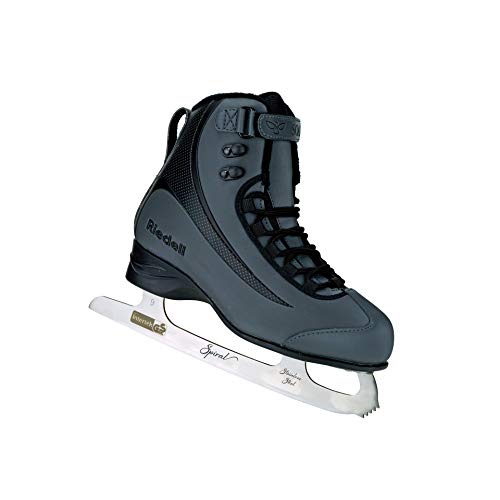
- ENDLESSLY COMFORTABLE: These modern ice skates for women and men have a…
- GREAT SUPPORT: This ice skate set offers light support to keep you stable…
- KEEP YOU SAFE & DRY: These beginner ice skates have safety in mind by…
Lake Placid Nitro 8.8 Adjustable – Best for Growing Children
The Lake Placid Nitro 8.8 solves the growth problem with four-size adjustability. It features a durable composite boot and stainless steel blade system. This model provides consistent performance across multiple seasons. The best option for children with developing interest and rapidly growing feet.
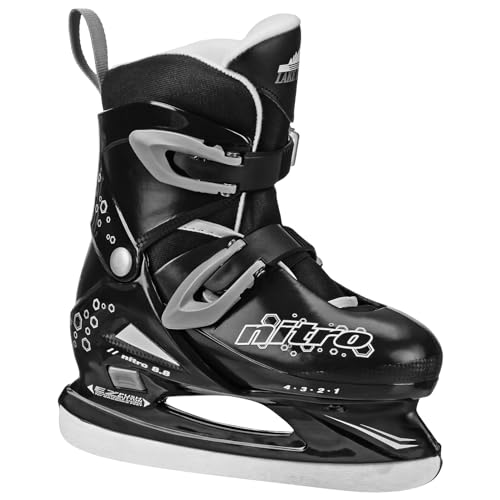
- BOOT Molded Shell with Hinged Cuff
- LINING Washable Comfort Fill Liner
- CLOSURE Locking Quick Fit Buckles for Stability and Easy On and Off
Conclusion: Making the Smart Choice for Your Skating Journey
The decision between rented ice skates and buying your own figure skates hinges on commitment and frequency. Rental skates offer accessibility for casual, infrequent use. Personal skates deliver superior performance, comfort, and long-term value for regular skaters.
The key takeaway is simple: calculate your break-even point based on how often you skate. If you hit the ice more than 15-20 times a year, purchasing is the wiser financial and performance choice.
Take the next step by visiting a professional fitter to try on recommended models. Use our detailed buying guides to inform your selection process and make a confident investment.
Your perfect skating experience starts with the right equipment. Choose wisely and enjoy every glide.
Frequently Asked Questions about Rented vs. Owned Ice Skates
What is the main disadvantage of renting ice skates?
The primary disadvantage is poor fit and dull blades. Rental skates are designed for durability across hundreds of users, not performance. This leads to inadequate ankle support and limited edge control.
These factors hinder skill development and can cause discomfort. For anyone beyond casual gliding, rentals create an artificial ceiling on progress. They also present hygiene concerns that personal skates eliminate.
How often should I skate to justify buying my own figure skates?
Skating more than 15-20 times per year typically justifies purchasing. This is the general break-even point where ownership costs less than repeated rentals. Frequency is the most important financial factor.
Even skating once a month can make buying worthwhile within a season. Consider your commitment level too. If you’re taking lessons or want to improve, personal skates are essential regardless of exact frequency.
Can I buy used ice skates, and what should I check?
Yes, buying used skates can be an excellent cost-saving option. This is particularly smart for growing children. Always inspect the boots and blades thoroughly before purchasing.
Check for broken-down ankle support, deep blade grooves, and rust. Ensure the blades are securely mounted and have life left. Avoid skates with significant wear at the ankle crease, as this compromises safety.
How do I know what size figure skates to buy?
Figure skates typically run 1 to 1.5 sizes smaller than your street shoes. They require a snug, performance fit with your heel locked in place. Your toes should gently brush the front when standing straight.
Always try on skates with the socks you’ll wear while skating. Different brands fit differently, so never rely on size alone. Visiting a professional fitter for your first pair is highly recommended.
What is the best way to break in new figure skates?
Break in new skates gradually with short, frequent sessions. Wear them at home for 15-30 minutes daily to start molding the boot to your foot. Avoid attempting long skating sessions immediately.
Use proper skating socks and ensure correct lacing technique. Heat-moldable skates can be professionally fitted for faster customization. Patience during break-in prevents blisters and ensures optimal fit.
Why do my ankles hurt in rental skates, and will buying help?
Ankle pain in rentals usually stems from lack of support and improper fit. Worn-out rental boots collapse, forcing your ankles to work overtime for stability. This strains muscles and can cause injury.
Properly fitted personal skates provide structured ankle support. This aligns your joints and reduces muscle fatigue. For most skaters, purchasing eliminates this common pain point entirely.
What maintenance do personal ice skates require?
Personal skates require regular blade drying, sharpening, and boot care. Always dry blades thoroughly after use and store with soft soakers. Sharpen blades every 20-40 hours of ice time to maintain proper edges.
Keep boots dry and avoid storing them in closed bags. Check for loose screws and worn stitching periodically. Simple, consistent maintenance extends your skates’ lifespan significantly.
Are adjustable ice skates good for beginners?
Adjustable skates are excellent for young, growing beginners. They provide cost-effective solutions for children who may outgrow skates quickly. The extended sizing accommodates growth spurts across multiple seasons.
For adults, traditional fitted skates are generally better. Adjustable models often sacrifice precise fit and support for their flexibility. Choose based on whether growth or perfect performance is your priority.