Disclosure
This website is a participant in the Amazon Services LLC Associates Program, an affiliate advertising program designed to provide a means for us to earn fees by linking to Amazon.com and affiliated sites.
Walking in figure skates off the ice incorrectly can quickly ruin your expensive blades and boots. This is a critical skill every skater must master to protect their equipment.
Using the proven methods in this complete guide prevents premature wear, maintains sharp edges, and ensures your skates perform perfectly on the ice. You’ll save money and skate better.
Why Walking in Figure Skates Damages Your Equipment
Walking on hard surfaces like concrete or asphalt is brutal for figure skates. Your blades are designed for ice, not pavement. Each step grinds down the delicate edges and hollow.
This dulls your blades, ruining your grip and glide on the ice. It also puts immense stress on the boot’s sole and heel, potentially loosening the blade mounting. The result is poor performance and costly repairs.
The Essential Quick Fix: High-Quality Hard Guards
The immediate solution is to never walk without hard skate guards. These plastic or rubber covers slip over your blades, creating a protective barrier. They are a non-negotiable piece of gear for any skater.
For reliable protection, we recommend the Guardog Hard Skate Guards. They are a trusted choice for durability and fit.
- Durable Construction: Made from tough plastic that withstands concrete and indoor floors.
- Secure Fit: Designed to stay on securely without slipping off during walking.
- Ventilated Design: Allows air circulation to prevent rust and moisture buildup on the blade.
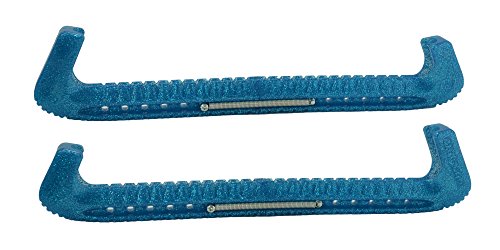
- You will receive one pair of hard plastic skate guards – essential…
- Blue Glitz – you can’t miss all the glittery sparkle in these awesomely…
- Top Notch deisgn is easier to cut to size. Assembled guards are 12.5 inches…
Check current price on Amazon →
When Guards Aren’t Enough: Choosing the Right Skates
If you find yourself frequently walking in your skates (e.g., from a parking lot to the rink), your skate’s initial build quality matters. A sturdier boot and a stainless steel blade will resist damage better than lower-quality materials.
For long-term equipment health, start with skates built to last. Explore our detailed guide on the best figure skates for beginners to find durable options. Specifically, skates with quality construction like those in our Lake Placid Cascade review or the Riedell Soar skates offer better support and longevity from the start.
Step-by-Step Guide to Walking in Figure Skates Safely
Mastering the proper technique is crucial for protecting your skates. This method minimizes stress on the blades and boots. Follow these steps every time you need to walk off the ice.
How to Put On Your Hard Guards Correctly
Proper guard placement is the first line of defense. Incorrectly fitted guards can fall off or fail to protect the blade’s edges.
- Dry Your Blades: Wipe blades thoroughly with a soft cloth to remove surface moisture. This prevents rust from being trapped inside the guard.
- Align and Slide: Hold the guard open and align it perfectly with your blade. Slide it on from toe to heel in one smooth motion until it clicks or sits flush.
- Secure the Strap: Fasten any ankle strap or clip to ensure the guard cannot accidentally slip off while you are walking.
The Proper Walking Technique and Stance
Your walking form must adapt to the rigid, elevated nature of figure skates. The goal is to stay stable and avoid rolling your ankles.
- Short, Flat Steps: Take small, deliberate steps, placing your entire foot down flatly. Avoid a heel-to-toe rolling motion.
- Bent Knees & Centered Weight: Keep a slight bend in your knees and your body weight centered over your feet. This improves balance and reduces impact.
- Minimize Pivoting: Turn your body using small steps instead of twisting your feet on the spot. Twisting grinds the blade edges sideways.
Think of walking like a cautious penguin—upright, balanced, and with minimal ankle flexion. This protects both your equipment and your safety.
What to Absolutely Avoid When Walking Off-Ice
Certain actions can cause immediate and severe damage. Being aware of these pitfalls is just as important as knowing the right technique.
| Action | Risk & Damage |
|---|---|
| Walking without ANY guards | Instantly dulls edges; chips and nicks the blade steel. |
| Running or jumping | High impact can loosen blade screws and damage the boot sole. |
| Walking on rough surfaces (gravel, asphalt) | Accelerates wear on guards and can transmit damaging vibrations. |
| Using only soft terry cloth guards | These are for absorbing moisture only; they offer zero walking protection. |
Choosing the Right Protective Gear for Your Skates
Not all skate protection is created equal. Using the wrong type can lead to damaged blades or a dangerous fall. Selecting the correct gear is a critical part of off-ice skate care.
Hard Guards vs. Soft Guards: Understanding the Difference
This is the most common point of confusion for new skaters. Each type serves a distinct, non-interchangeable purpose.
- Hard Skate Guards (Plastic/Rubber): These are for walking protection only. Their rigid shell shields your blade edges from concrete, tile, and other hard floors. Always remove them before stepping on the ice.
- Soft Skate Guards (Terry Cloth/Fabric): Also called “soakers,” these are for absorbing moisture and preventing rust. Use them immediately after skating to dry your blades. They offer no protection for walking.
Mistaking soft guards for walking guards is a fast track to dull, ruined blades. Always double-check which type you are putting on.
Features to Look for in Quality Hard Guards
A good pair of hard guards is an investment in your blade’s longevity. Don’t just settle for the cheapest option.
Look for these key features when purchasing:
- Ventilation Holes: Allows air to circulate, preventing condensation and rust from forming on the trapped blade.
- Secure Closure System: A strong ankle strap or clip that prevents the guard from falling off mid-stride.
- Durable Material: Thick plastic or reinforced rubber that won’t crack or wear through quickly on abrasive surfaces.
- Proper Fit: Guards should match your blade length and profile snugly without being overly tight.
Maintaining Your Guards for Long-Term Protection
Your guards themselves need occasional care to function properly. Dirty or worn-out guards can scratch your blades or fail unexpectedly.
- Clean Regularly: Rinse out hard guards to remove dirt and grit that can scratch blades. Let soft guards dry completely to prevent mildew.
- Inspect for Wear: Check the soles of your hard guards for deep grooves or holes. Worn-through guards no longer provide a safe, flat walking surface.
- Replace When Needed: If the closure breaks or the sole wears thin, replace them immediately. Compromised guards are a safety hazard.
Common Mistakes and How to Fix Them
Even with the best intentions, skaters often make errors that compromise their equipment. Recognizing and correcting these common mistakes will save your blades and your budget.
Using Worn-Out or Improper Guards
Guards don’t last forever. Using damaged protection is as bad as using none at all. Regular inspection is non-negotiable.
Here’s how to spot guards that need replacing:
- Visible Holes or Grooves: If you can see deep wear marks or daylight through the sole, they are finished.
- Cracked or Broken Plastic: Any crack compromises structural integrity and can pinch or scratch the blade.
- Loose or Broken Straps: A guard that won’t stay on is a tripping hazard and offers no consistent protection.
Replace guards immediately when you see these signs. It’s a small cost compared to a blade sharpening or remounting job.
Forgetting the Post-Walk Blade Care Routine
Your responsibility doesn’t end when you sit down. Moisture and dirt picked up during your walk can cause rust if left unattended.
- Remove Hard Guards First: Immediately take off your walking guards. Trapped sweat and condensation will rust the blade.
- Wipe & Dry: Use a dry, absorbent cloth to wipe down the entire blade, removing any moisture or debris.
- Apply Soft Guards: Place terry cloth soakers over the clean, dry blades for storage. This absorbs residual moisture.
Missteps in Walking Form That Cause Damage
Specific walking habits put excessive strain on specific parts of your skate. Being mindful of your form prevents isolated wear.
| Bad Habit | Consequence | The Fix |
|---|---|---|
| Dragging your toes | Prematurely wears down the toe pick and front blade section. | Lift your feet completely with each step. |
| Walking on the heels only | Puts excessive pressure on the heel and can loosen screws. | Practice placing your foot down flat. |
| Shuffling or scooting | Grinds the entire blade length sideways, dulling both edges. | Take full, deliberate lifts and steps. |
Advanced Tips for Coaches and Frequent Skaters
For those who live at the rink, basic protection isn’t enough. Advanced strategies maximize blade life and performance. These pro-level habits are essential for serious athletes and coaches.
Implementing a Two-Pair Guard System
Relying on a single pair of hard guards is a common oversight. A two-pair system ensures you’re never caught unprotected and extends the life of each pair.
- Primary Pair (Rink Bag): Keep your main, high-quality guards in your skate bag for walking to and from the ice.
- Backup Pair (Car/Backpack): Store an inexpensive but functional spare pair in your car or a separate bag. This saves you if you forget your primary guards.
- Rotation Benefit: Alternating between pairs allows each to dry out completely, preventing the buildup of odor and bacteria.
This simple system is a hallmark of organized, professional skaters who cannot afford blade damage.
Managing Skates During Long Competitions or Camps
Multi-day events present unique challenges. Your skates are on and off frequently, often in chaotic environments.
Follow this streamlined process to stay protected:
- On-Deck Ready: Put your hard guards on before leaving the locker room. Never carry exposed blades.
- Knee Pads or Blade Covers: When sitting rinkside, use a towel, knee pads, or dedicated blade covers to protect the ice from your guards’ dirt.
- Post-Performance Immediate Care: The moment you come off, wipe blades dry and apply soft soakers, even if you’ll skate again later.
When to Consider a Dedicated Skate Carrier
For those who walk long distances on abrasive surfaces, minimizing walking altogether is the ultimate solution. A skate carrier or trolley can be a wise investment.
| Situation | Risk Level | Carrier Benefit |
|---|---|---|
| Long walks from parking lots | High | Eliminates all walking wear on guards and blades. |
| Traveling through gravel or salt | Very High | Keeps skates clean and completely isolated from corrosive materials. |
| Coaches with multiple on/off sessions | Moderate-High | Saves time, reduces fatigue, and guarantees consistent blade protection. |
While an added item to carry, a quality skate bag with wheels or a dedicated carrier is the pinnacle of off-ice blade preservation.
Long-Term Skate Maintenance and Damage Prevention
Proper walking technique is just one part of a holistic maintenance strategy. Consistent long-term care prevents cumulative damage and costly repairs. This proactive approach extends the lifespan of your entire skate setup.
Regular Inspection Checklist for Blades and Boots
Set a monthly reminder to perform a thorough visual and physical inspection. Catching issues early is key.
- Blade Mounting: Check all screws with a screwdriver. Are any loose? Tighten them gently to the manufacturer’s specification.
- Boot Sole & Heel: Look for separation between the boot leather and the sole. Press on it. Does it flex or crack?
- Blade Edges & Hollow: Run a fingernail lightly across the edge. Does it catch evenly, or are there flat, dull spots?
- General Rust: Inspect the entire blade surface, especially near the toe pick and stanchions, for any orange or brown spots.
The Connection Between Walking and Sharpening Frequency
How you walk directly impacts how often you need professional sharpening. Improper care accelerates wear, throwing off your budget and your feel on the ice.
Consider this cause-and-effect relationship:
| Walking Habit | Impact on Sharpening |
|---|---|
| Consistently using proper hard guards | Maximizes time between sharpenings (standard 20-40 hours). |
| Occasionally walking without guards | Can cut sharpening intervals in half, requiring 2x the cost. |
| Using worn-out or incorrect guards | Causes uneven edge wear, requiring corrective sharpening. |
| Dragging toes or shuffling | Creates localized dull spots, leading to inconsistent sharpening. |
When to Seek Professional Repair vs. DIY Fix
Not all damage is equal. Knowing when to call a pro protects your investment from irreversible mistakes.
- Seek a Professional: For any blade remounting, major boot sole repair, correcting severe rocker damage, or if you suspect structural damage to the boot.
- Safe DIY: Tightening loose mounting screws (gently), wiping down and drying blades, applying rust remover with a cloth, and replacing worn-out guards.
When in doubt, consult a reputable skate technician. A small consultation fee is better than ruining a $1,000 pair of skates.
Special Considerations for Different Skater Types
The right way to walk in figure skates isn’t one-size-fits-all. A beginner’s needs differ from a competitive skater’s. Your skate type and skill level dictate specific precautions.
Beginners: Building Good Habits from Day One
New skaters are most vulnerable to damaging their first pair of skates. Establishing a protective routine is critical for safety and cost.
- Guard Education is Key: Understand the hard vs. soft guard difference immediately. This is the most important first lesson after lacing up.
- Supervised Practice: Spend 5 minutes in a carpeted area practicing the short, flat-step walking technique before hitting hard floors.
- Invest in Durability: Choose beginner skates known for sturdy construction, like those featured in our guide to the best figure skates for beginners, to better withstand early learning curves.
Competitive Skaters Protecting High-End Blades
For skaters with premium stainless steel or high-grade carbon steel blades, the stakes are higher. The margin for error is zero.
- Dedicated Guard Sets: Use one set of guards exclusively for indoor rink floors and a separate set for outdoor or questionable surfaces.
- Pre- and Post-Event Protocols: Always carry blades in a protective sleeve during travel to competitions. Never leave them in bags unprotected.
- Immediate Moisture Management: After walking, dry blades meticulously before storing. Even minor rust can affect the fine tolerances of a high-level blade’s hollow.
Recreational vs. Professional Skate Care
The intensity of use dictates the intensity of care. Compare the needs of different skating lifestyles.
| Care Aspect | Recreational Skater (1-2x/week) | Professional/Coach (Daily) |
|---|---|---|
| Guard Inspection | Monthly check for wear | Weekly check; replace more frequently |
| Walking Surface | Typically clean rink floors | May include parking lots, sidewalks, arena concrete |
| Blade Drying Priority | Important after each session | Critical after *every* on/off cycle |
| Backup Gear | Nice to have | Essential (spare guards, laces, screws) |
Adjust your vigilance based on your skating frequency. More time on your skates means more proactive protection is required.
Best Hard Skate Guards for Walking Off-Ice – Detailed Comparison
Choosing the right guard is your first line of defense. These three top-rated options offer durability, security, and proper ventilation to keep your blades safe on any surface.
Guardog Hard Skate Guards – Best Overall Choice
The Guardogt guards are the industry standard for reliability. They feature a ventilated design to prevent rust and a secure Velcro ankle strap that keeps them firmly in place. Their durable plastic construction withstands daily use on concrete and indoor floors, making them ideal for all skaters.
- You will receive one pair of hard plastic skate guards – essential…
- Blue Glitz – you can’t miss all the glittery sparkle in these awesomely…
- Top Notch deisgn is easier to cut to size. Assembled guards are 12.5 inches…
Kami Skate Guards – Best for Secure Fit
Kami’s guards combine a hard plastic shell with a soft, padded interior lining. This provides extra cushioning and blade protection while the strong buckle closure ensures they won’t slip off. They are an excellent choice for skaters who prioritize a snug, comfortable fit and maximum blade security during movement.
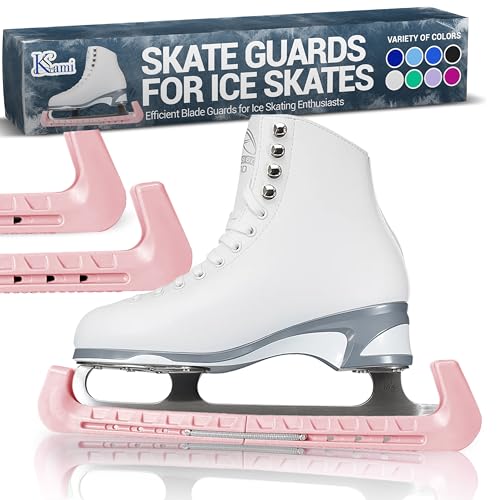
- PREMIUM BLADE COVERS WITH STYLE – Keep your ice skate blades protected…
- PROTECTIVE GEAR FOR ICE SKATERS – Each pack includes one pair of ice…
- DURABLE MATERIALS FOR MAXIMUM PROTECTION – Made from tough polypropylene,…
NANAOUS Skate Guards – Best Premium Option
For those seeking top-tier protection, NANAOUS guards are a standout. They are constructed from extremely tough, high-grade plastic with extensive ventilation slots. This model is renowned for its longevity and is the preferred choice of many competitive skaters and coaches who demand the best defense for their high-end blades.

- 【Package includes】1Pair of ice skate blade covers with black. Protect…
- 【Adjustable Buckle】The hockey skate guards size are 36.5 cm/13.6 in….
- 【Easy to Use】Our skate guards are easy to adjust in length, just move…
Conclusion: Mastering Off-Ice Skate Protection
Walking in figure skates the right way is a simple but critical skill. It protects your investment and ensures peak performance on the ice. Proper technique and the right gear prevent costly damage.
The key takeaway is to always use quality hard guards and walk with short, flat steps. Make this routine as automatic as lacing your boots. Your blades will stay sharper, longer.
Start implementing these expert tips today. Inspect your current guards and practice the proper walking form. Share this guide with fellow skaters to help protect their equipment too.
With consistent care, your skates will deliver the precision and confidence you need for every session. Protect them, and they will perform for you.
Frequently Asked Questions about Walking in Figure Skates
What is the difference between hard guards and soft guards?
Hard guards are rigid plastic or rubber covers designed solely for walking on hard surfaces. They protect your blade edges from concrete and flooring. You must remove them before stepping onto the ice.
Soft guards, or soakers, are absorbent fabric sleeves. Their only purpose is to soak up moisture and prevent rust after skating. They offer zero protection for walking and will be destroyed on pavement.
How long do hard skate guards typically last?
Quality hard guards last 1-3 years with regular use, depending on walking surfaces. Guards used primarily on clean rink floors last longer. Frequent use on abrasive concrete or asphalt will wear them down much faster.
Inspect them monthly. Replace guards immediately if you see holes in the sole, deep grooves, or cracked plastic. Worn-out guards are unsafe and ineffective.
Can walking in skates damage the boots, or just the blades?
Walking incorrectly damages both components. The blades suffer direct edge wear and nicks. The boots endure stress that can loosen the blade mounting screws and separate the sole from the heel.
This is why proper technique—flat steps and no twisting—is crucial. It minimizes impact forces that travel from the blade up into the boot’s structure, preventing costly repairs.
What is the best way to carry skates if I have to walk far?
For long distances, carrying your skates is the safest option. Use a skate bag with a shoulder strap or a dedicated skate carrier with wheels. This eliminates all wear and tear on your blades and guards.
If you must walk, ensure your hard guards are in perfect condition and take frequent breaks. Consider this a last resort for preserving your equipment’s longevity.
Why do my blades rust even when I use guards?
Rust often forms because guards trap moisture against the steel. This happens if you put hard guards on wet blades or store skates with the guards still on. The lack of airflow creates a damp environment perfect for corrosion.
Always wipe blades completely dry before putting on hard guards for walking. Immediately after walking, remove the hard guards and use soft, absorbent soakers for storage.
Is it okay to walk on carpet with figure skates?
Walking on clean, low-pile carpet is generally safe and a good way to practice your technique. Carpet is much softer than concrete and won’t dull your edges. It’s a safe surface for moving short distances without guards.
However, avoid thick, loose, or dirty carpets that could trap grit against the blade. Always check for staples or debris that could cause a nick before proceeding.
What should I do if my hard guards keep falling off?
First, ensure you have the correct size for your blade length. If they are the right size but slipping, check the closure strap. It may be worn out and need replacement.
Some guards have adjustable straps or buckles—tighten them securely around your ankle. If they continue to fall off, it’s a sign they are too worn or ill-fitting, and you need a new pair for safety.
How can I tell if I’ve already damaged my blades from walking?
Visually inspect for nicks, gouges, or a visibly rounded edge. The best test is the “fingernail test.” Gently drag your fingernail perpendicular across the blade edge. If it glides smoothly, the edge is dull. If it catches, the edge is still sharp.
On the ice, dull blades will slip during pushes and feel unstable on edges. If you notice this loss of grip, schedule a professional sharpening and commit to better off-ice habits immediately.
Can I Use Tennis Balls or DIY Guards Instead?
We strongly advise against homemade solutions like cut tennis balls. While creative, they pose significant risks.
- Poor Fit & Security: DIY guards rarely fit snugly, creating a wobbly, unstable walking platform. They can slip off easily, causing a fall.
- Inadequate Protection: They lack a durable, flat sole. Grit can become trapped between the ball and the blade, acting as sandpaper.
- No Ventilation: They trap moisture completely, virtually guaranteeing rust will form on your blades.
Invest in purpose-built, ventilated hard guards. They are inexpensive, safety-tested, and designed specifically for this job.
How Do I Safely Walk on Stairs or Slopes?
Inclines require extra caution. Your technique must adapt to maintain balance and control.
- Stairs: Use the handrail. Take each step sideways, like on a ladder, placing your entire foot on the step. Never go toe-first.
- Slopes: Walk across the slope at a slight angle (traversing) rather than straight up or down. This prevents your ankles from rolling.
- General Rule: Slow down significantly. Shorten your steps even more and keep your weight low and centered.
What If I Accidentally Walked Without Guards?
Don’t panic, but act immediately. Assess the damage and take corrective steps.
| Step | Action |
|---|---|
| 1. Inspect | Check blades for visible nicks, gouges, or metal burrs. Run a fingernail along the edges to feel for flat spots. |
| 2. Clean | Wipe blades thoroughly to remove any concrete dust or abrasive particles. |
| 3. Test & Act | If edges feel consistently dull or you feel a loss of grip on the ice, schedule a professional sharpening immediately. Do not “skate through” damaged blades. |
A single short walk may only require a touch-up sharpening. Repeated mistakes cause deep damage requiring extensive corrective work.